Engagement
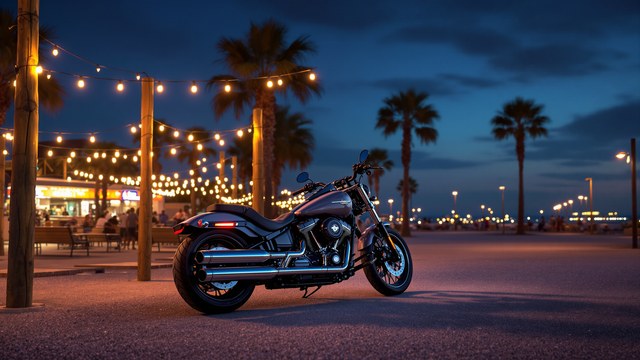
This or that: a sunrise ride up the beach before the tourists wake up, or a golden-hour cruise down US-17 after the crowds leave. Pick one. #RideNationSC #GrandStrand #MyrtleBeachRiders
Giveaway & Countdown
The BikersWin $20,000 motorcycle giveaway is live. Talk to us about your crash and you are entered, free. Call (843) 281-7452 to ask how. #RideNationSC #BikersWin #20kGiveaway #MyrtleBeachRiders
Local SC & Rides
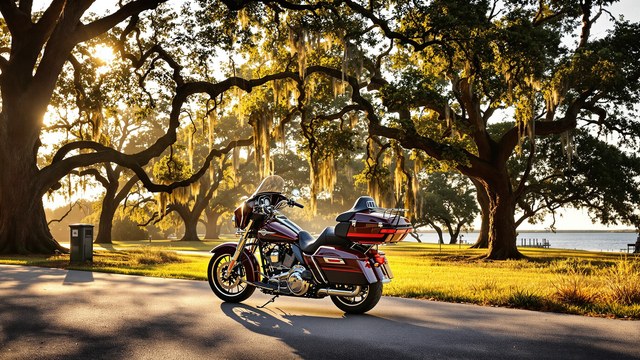
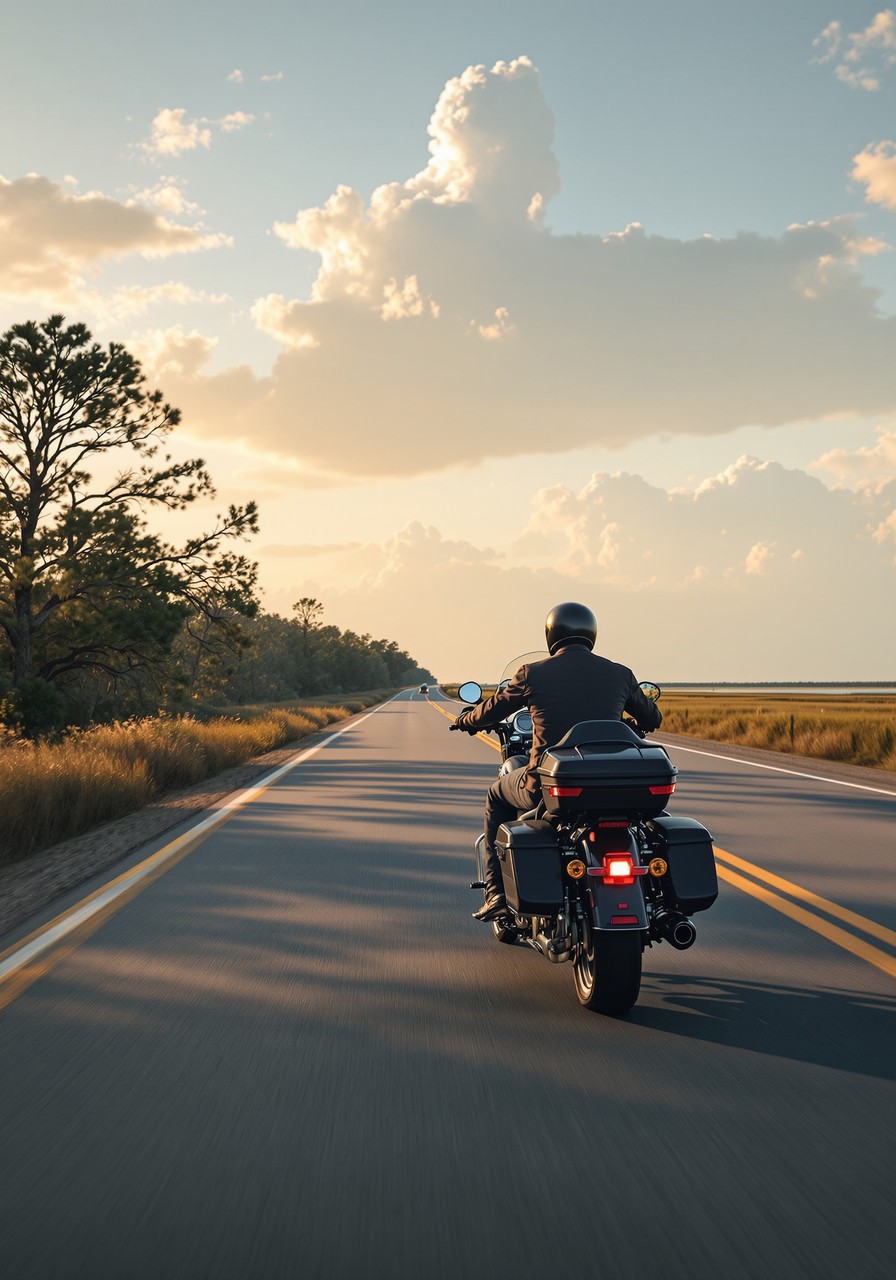
US-17 south to the Murrells Inlet MarshWalk, live oaks and salt air the whole way. Put it on this week's list. #RideNationSC #MurrellsInlet #GrandStrand
Gear & New Iron
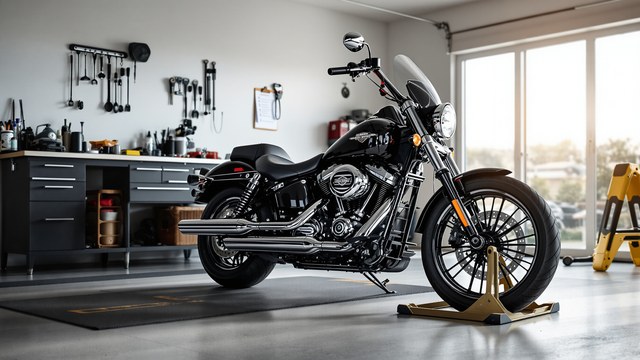
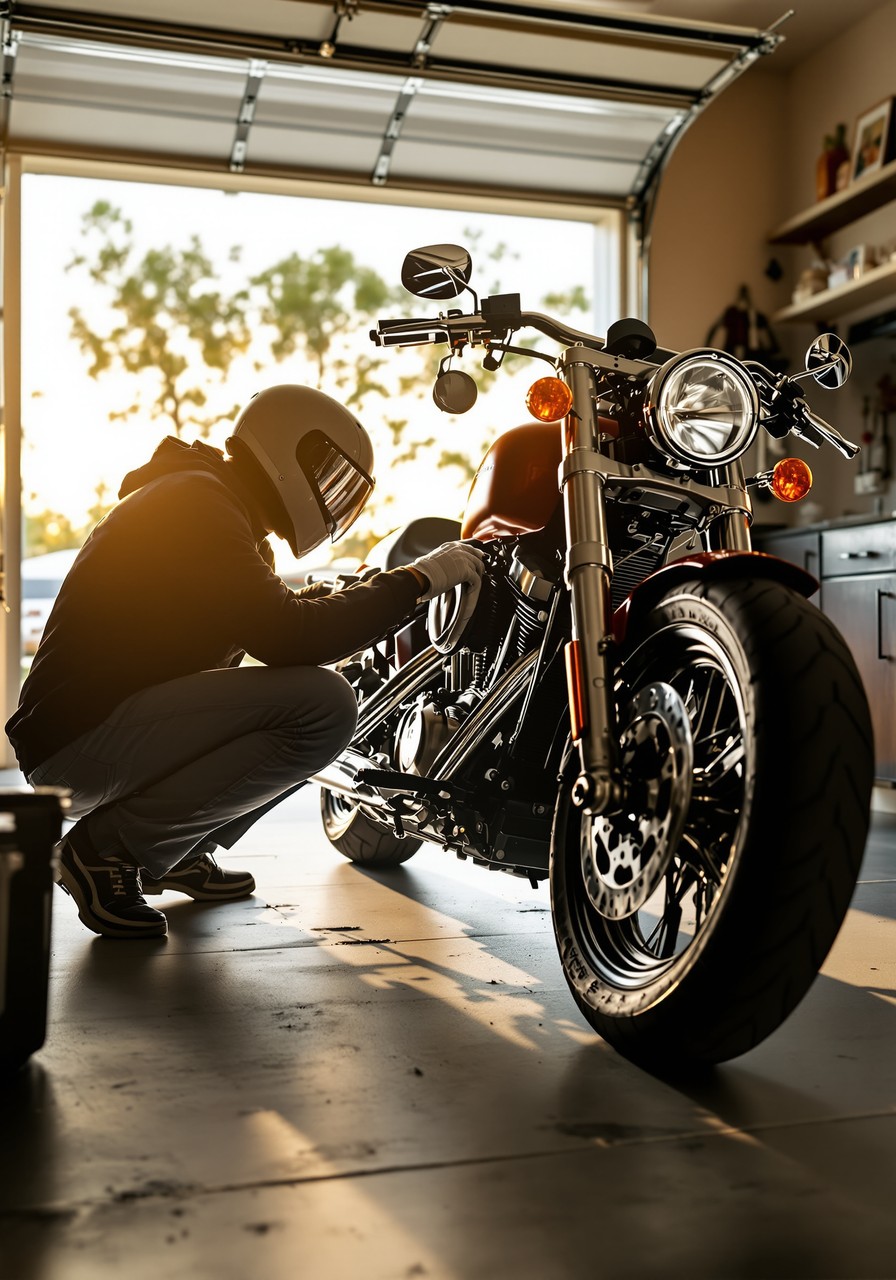
Salt air is brutal on the Grand Strand. After a coastal ride, rinse the salt off, dry the bike, and hit the chain with fresh lube so rust never gets a foothold. #RideNationSC #SaltAir #MotorcycleMaintenance #RiderTips
Safety & SC Law
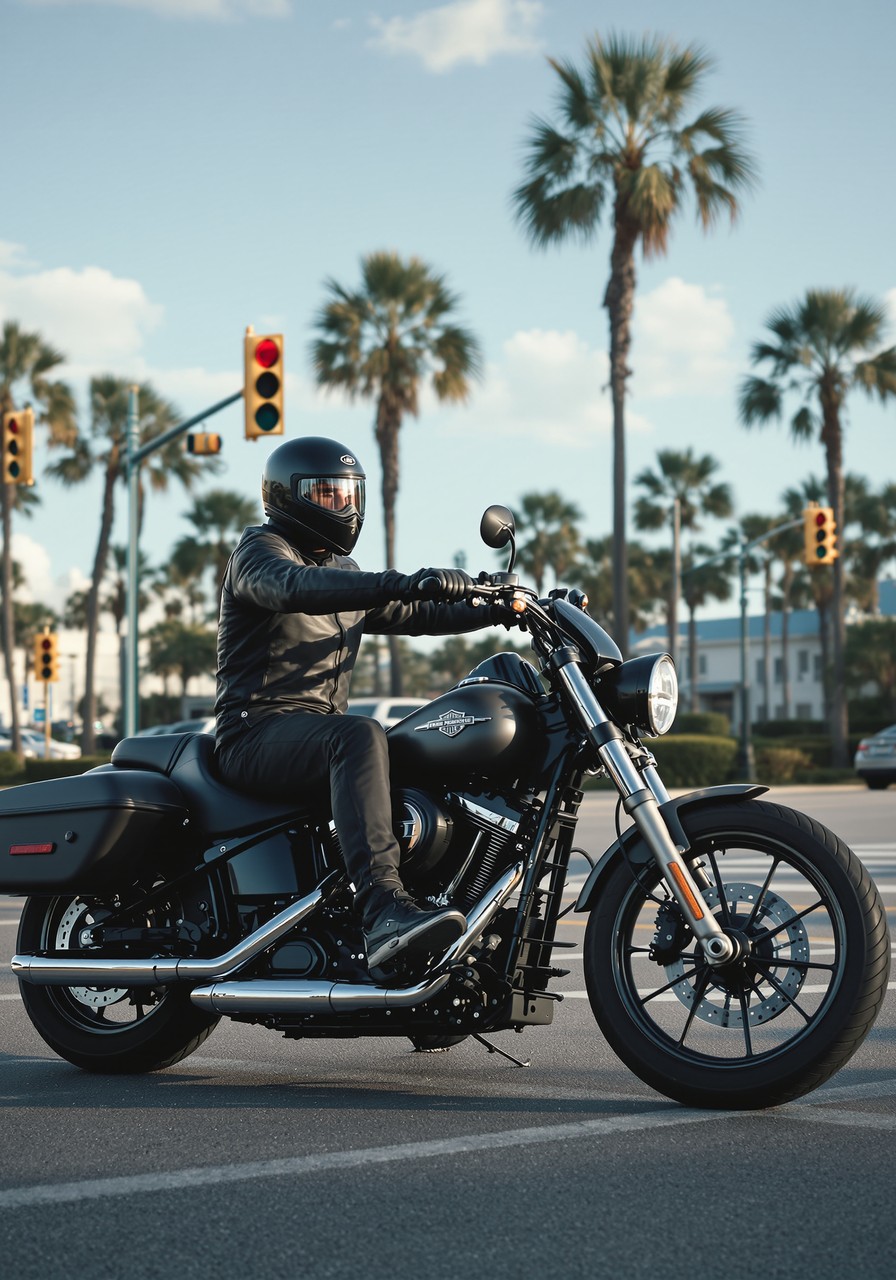
South Carolina is a 51 percent comparative fault state, so the insurer will try to pin part of the blame on you to shrink your claim. Photograph the scene, the road, and the other vehicle before anything moves. Questions after a crash? Call The Lovely Law Firm at (843) 281-7452. #RideNationSC #RiderRights #SouthCarolinaRiders
Engagement
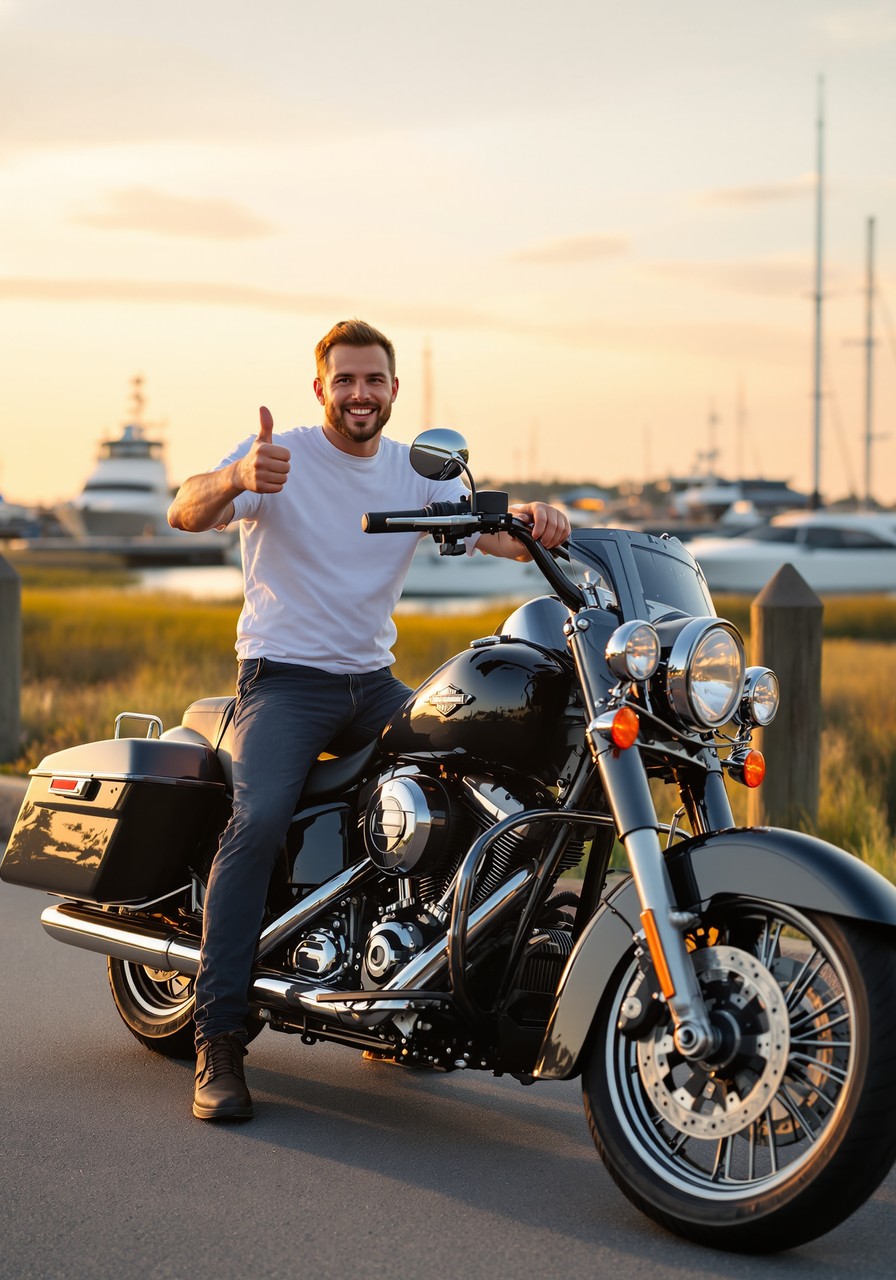
Caption this: your bike parked at the Murrells Inlet MarshWalk with the boats behind it. Best line wins bragging rights. #RideNationSC #MurrellsInlet #TwoWheels
Giveaway & Countdown
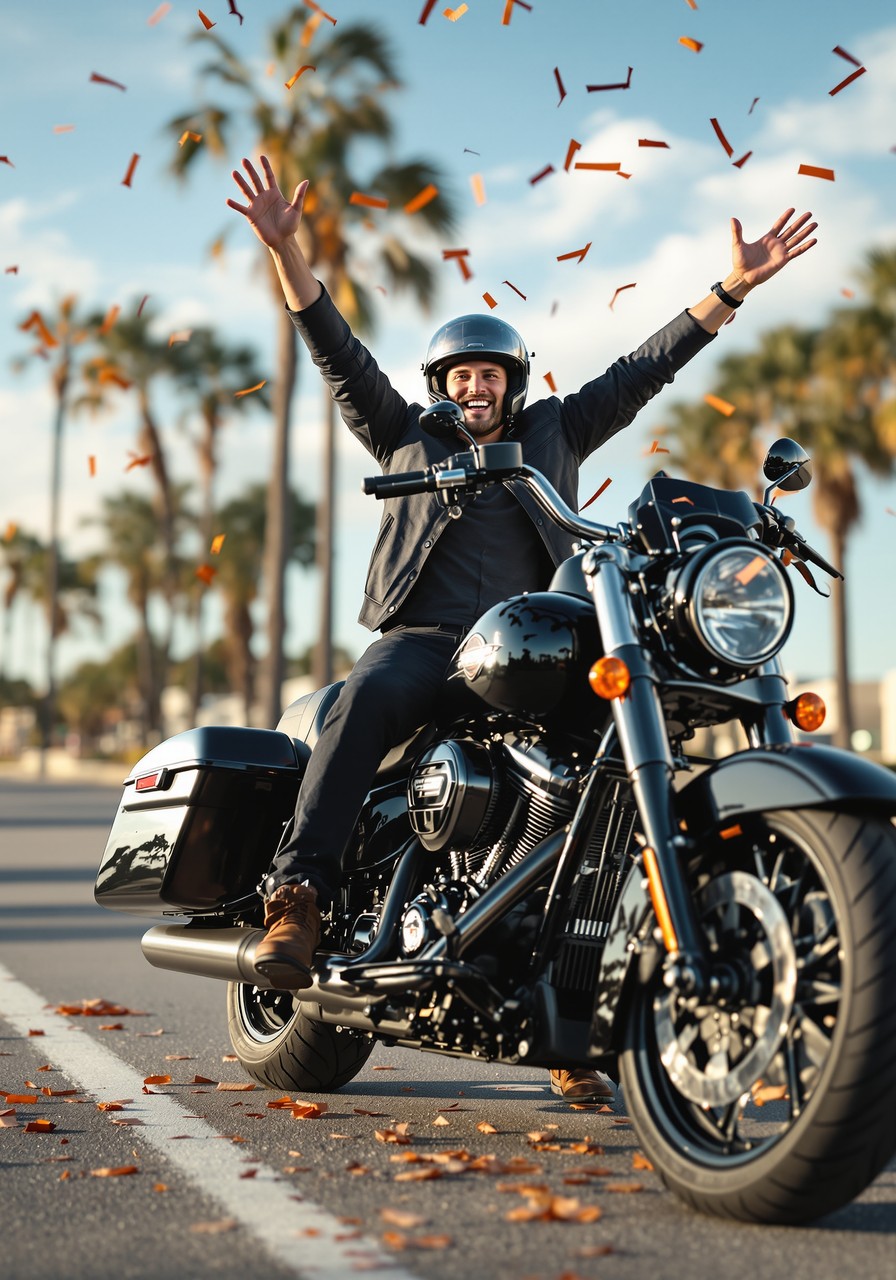
Want in on twenty grand? A free case review with The Lovely Law Firm counts as your entry. Ring (843) 281-7452. #RideNationSC #MotorcycleGiveaway #20kGiveaway
Local SC & Rides
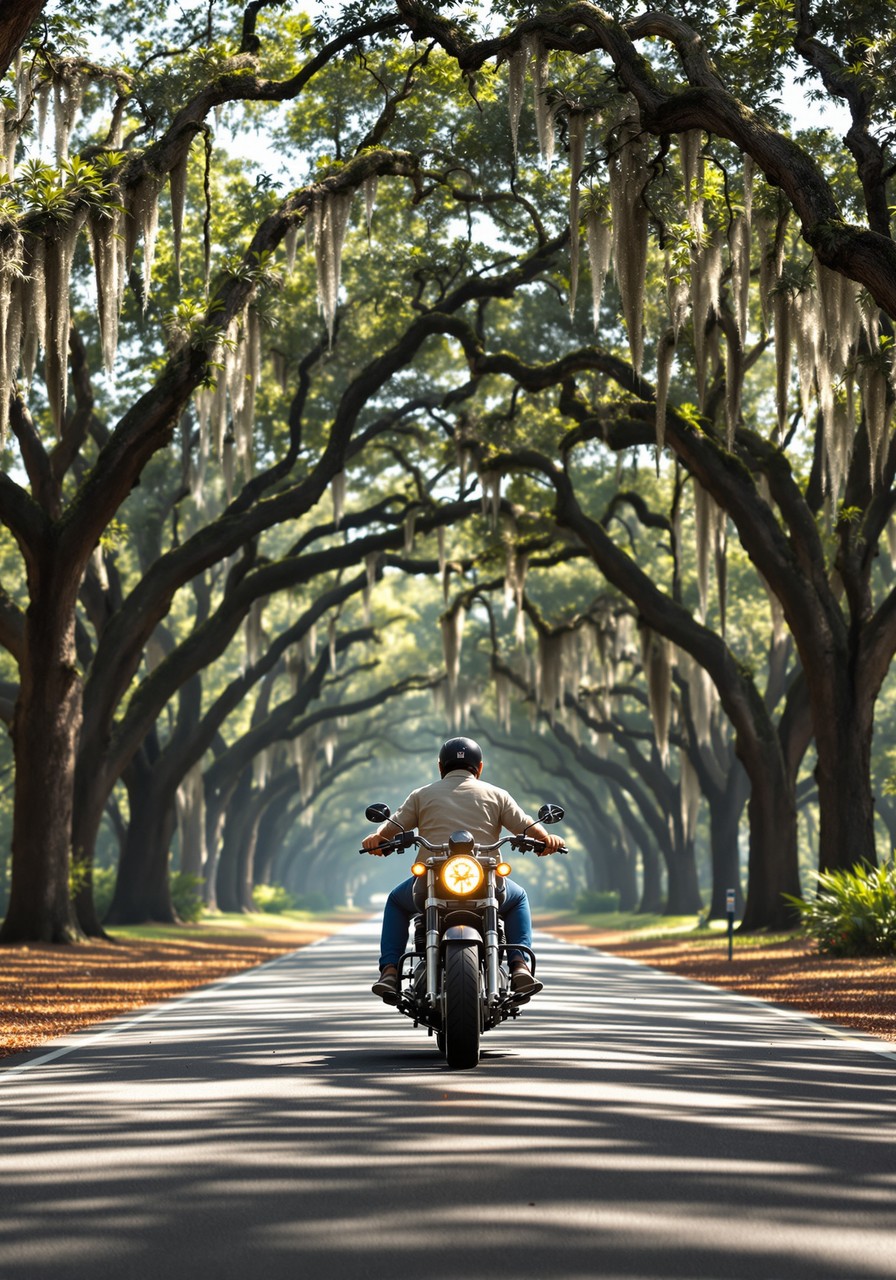
Cruise Ocean Boulevard early before the tourist traffic wakes up. Watch for blown beach sand piled at the intersections, it will slide a front tire. #RideNationSC #MyrtleBeachRiders #GrandStrand
Gear & New Iron
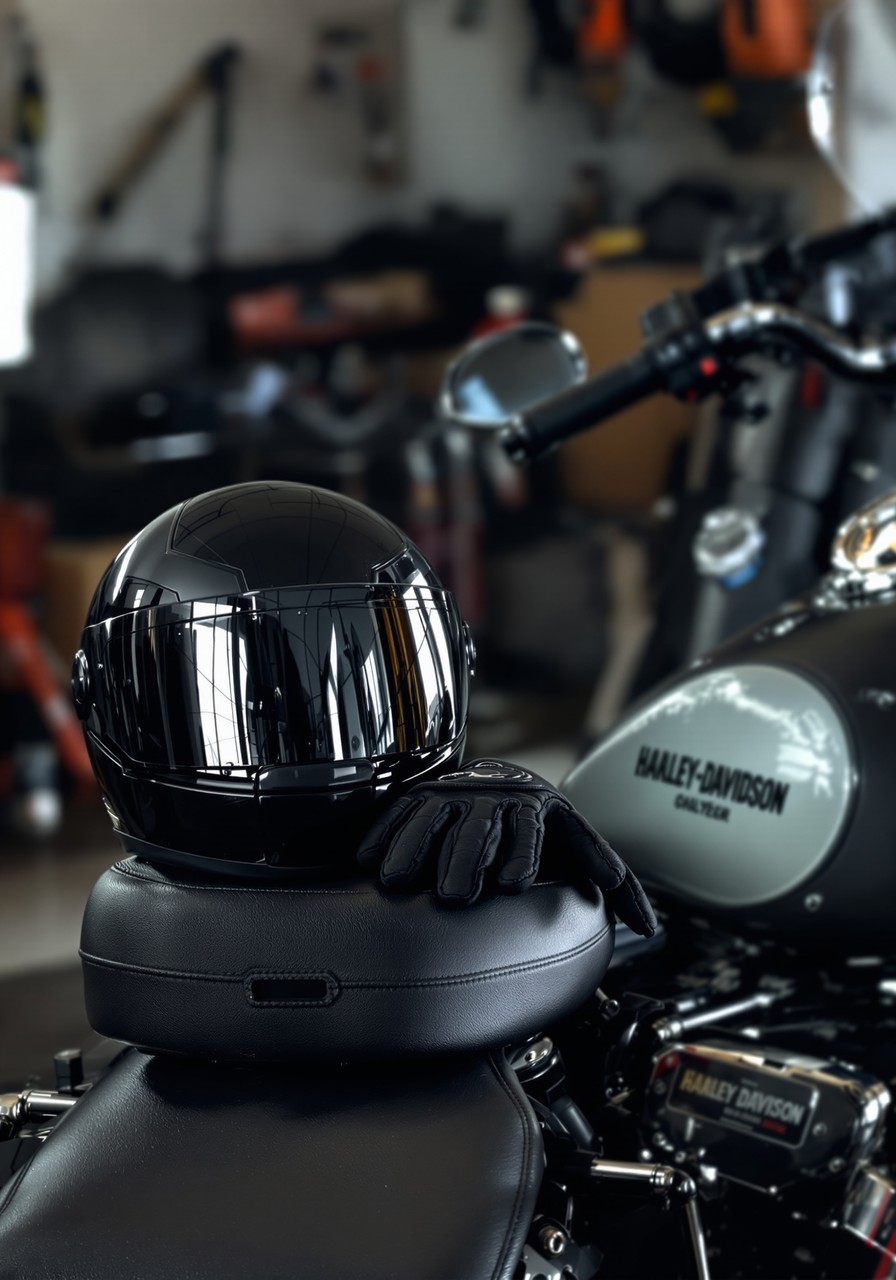
South Carolina only requires a helmet under 21, but a good full-face is the smartest gear you own at any age. Check the DOT sticker and buy the best fit you can. #RideNationSC #ATGATT #GearUp #MyrtleBeachRiders
Safety & SC Law
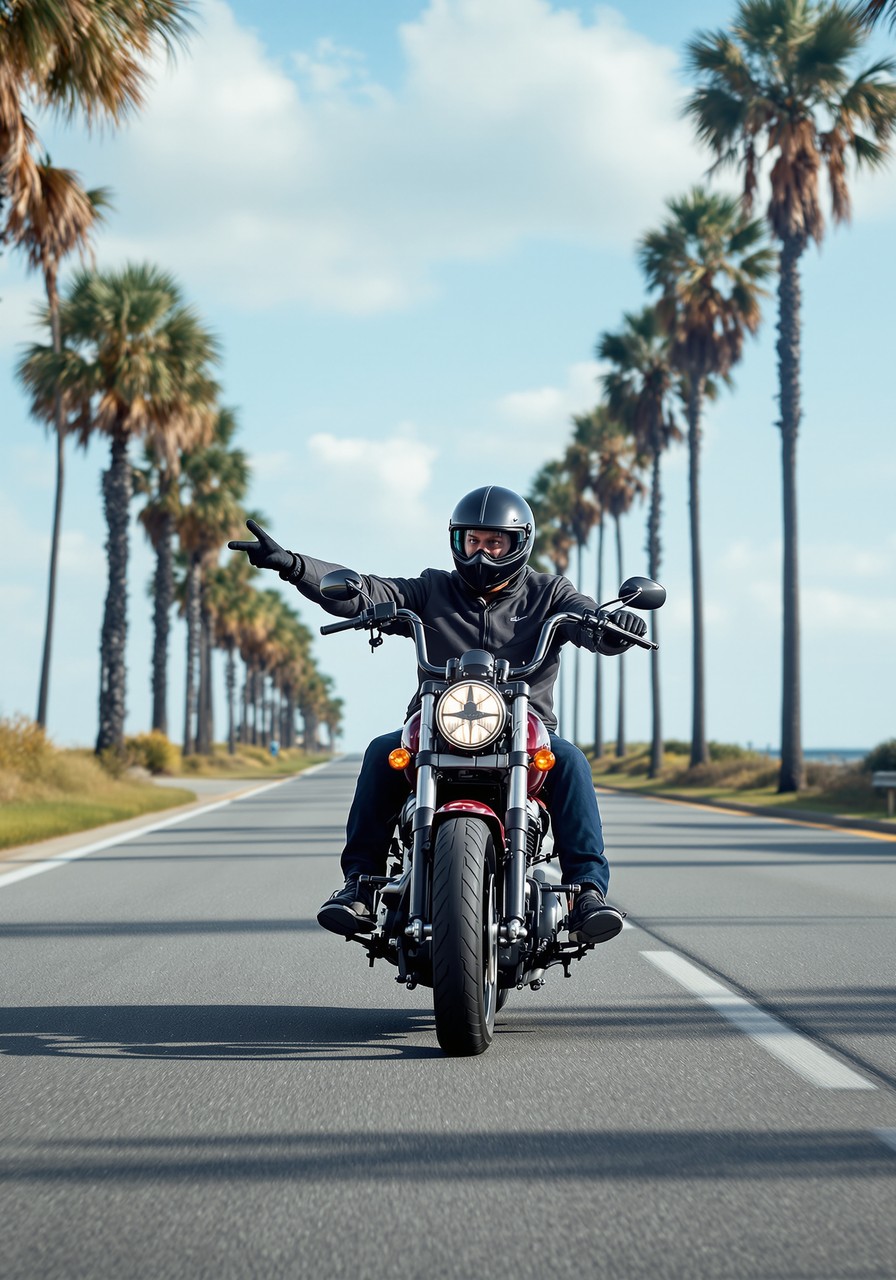
SC requires uninsured motorist coverage for a reason. The Strand is full of out-of-state tourists and uninsured drivers, and UM is your real backstop when the at-fault car cannot pay. Not sure what your policy covers? Call The Lovely Law Firm at (843) 281-7452. #RideNationSC #KnowYourRights #MyrtleBeachRiders
Engagement
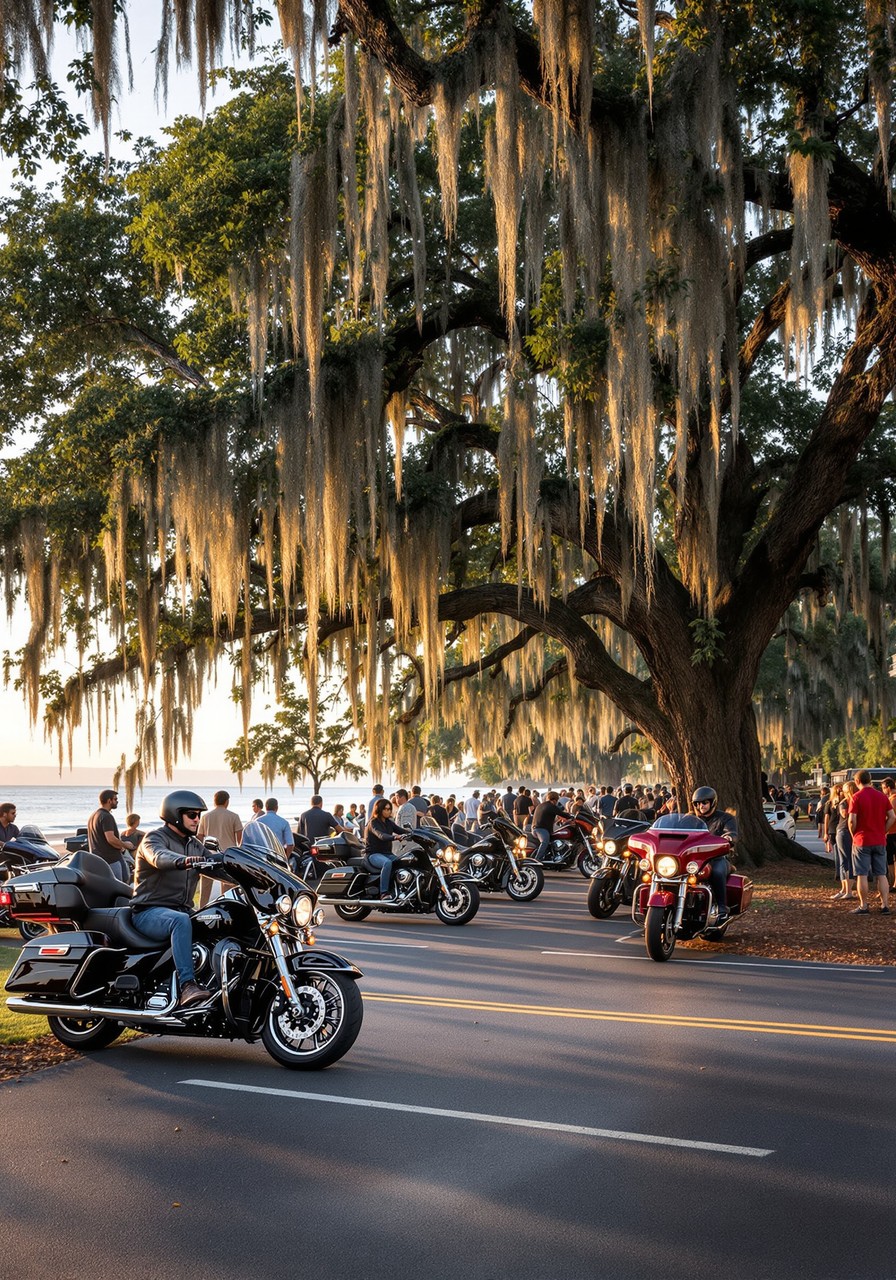
Tag your ride-or-die, the one who shows up when you text 'let's ride' with zero notice. #RideNationSC #RideOrDie #SouthCarolinaRiders
Giveaway & Countdown
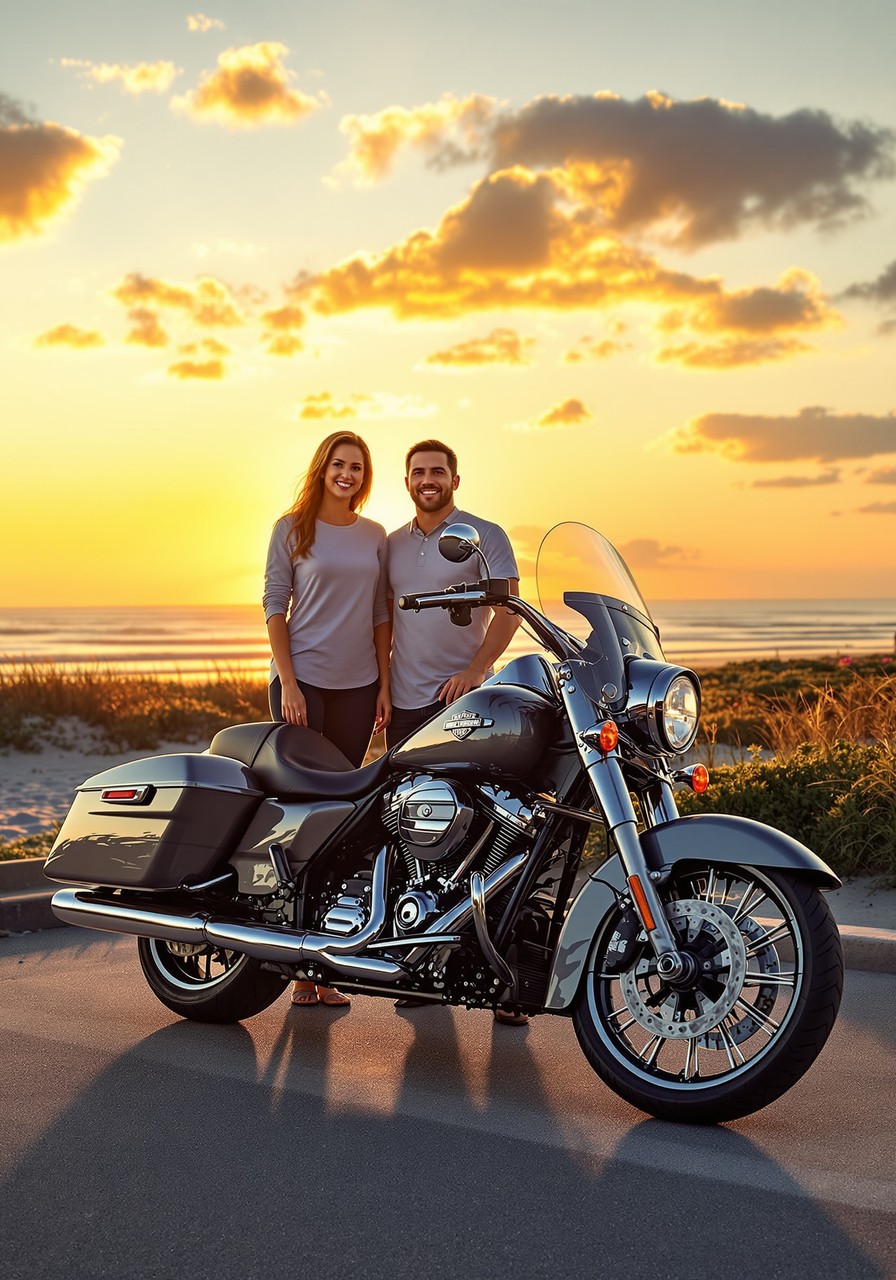
Every rider who talks to us about a wreck gets an entry in the BikersWin $20,000 giveaway. Free to enter, always. Call (843) 281-7452. #RideNationSC #BikersWin #GrandStrand
Local SC & Rides
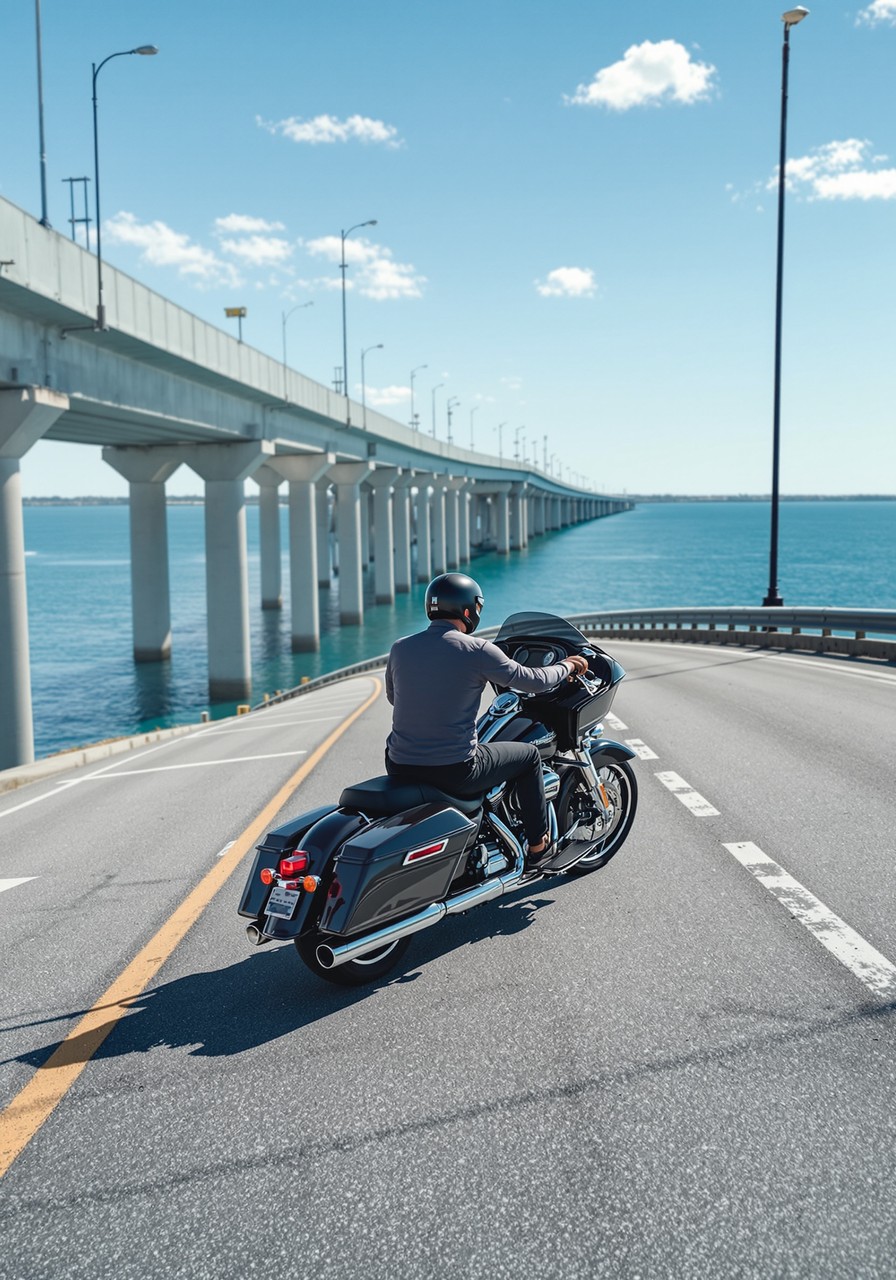
SC-31, the Carolina Bays Parkway, is our long open sweeper north of town. Great for clearing your head on a quiet off-season morning. #RideNationSC #MyrtleBeachRiders #MotorcycleRoads
Gear & New Iron
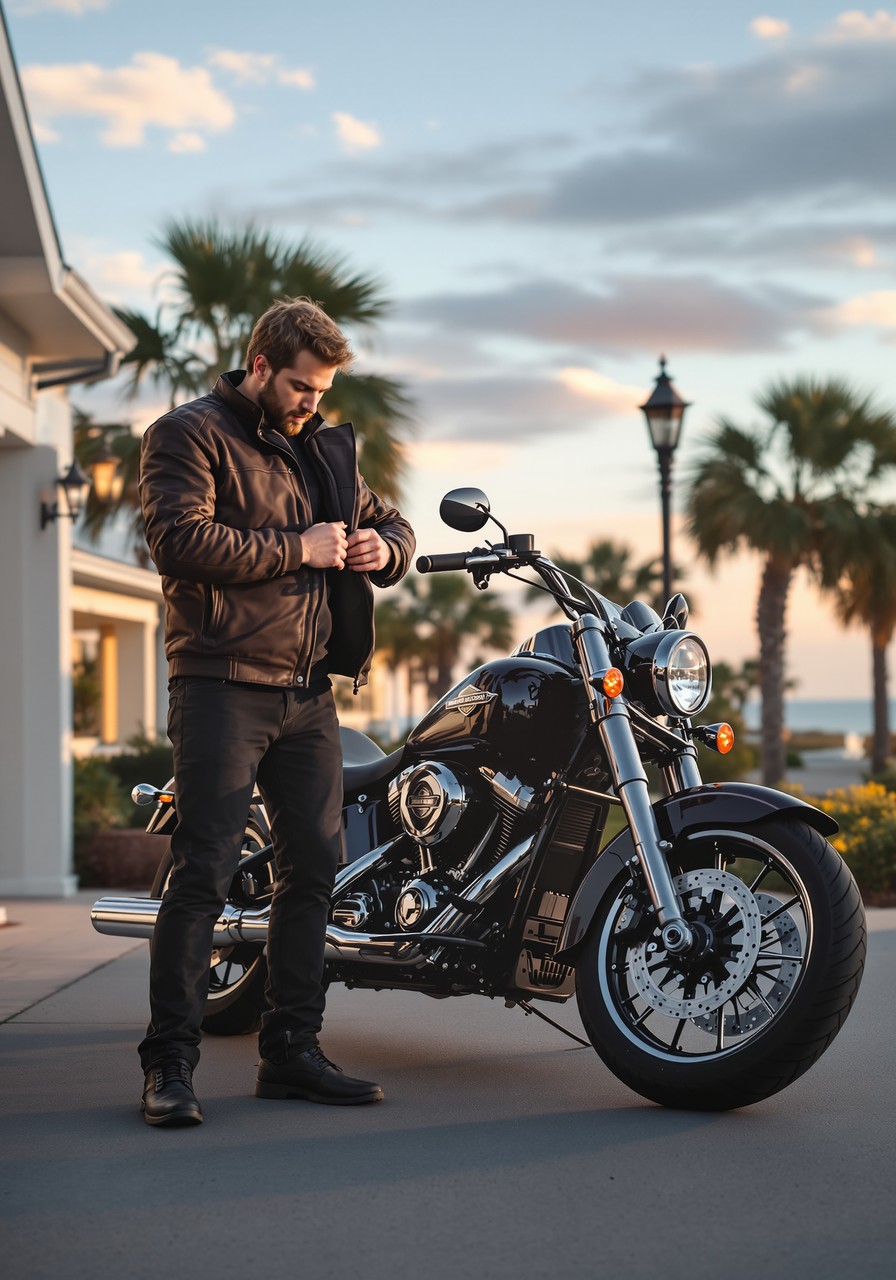
Dropped your lid, even in the garage? Replace it. The foam that protects your skull crushes on impact and does not bounce back, no matter how clean the shell looks. #RideNationSC #ATGATT #RiderTips
Safety & SC Law
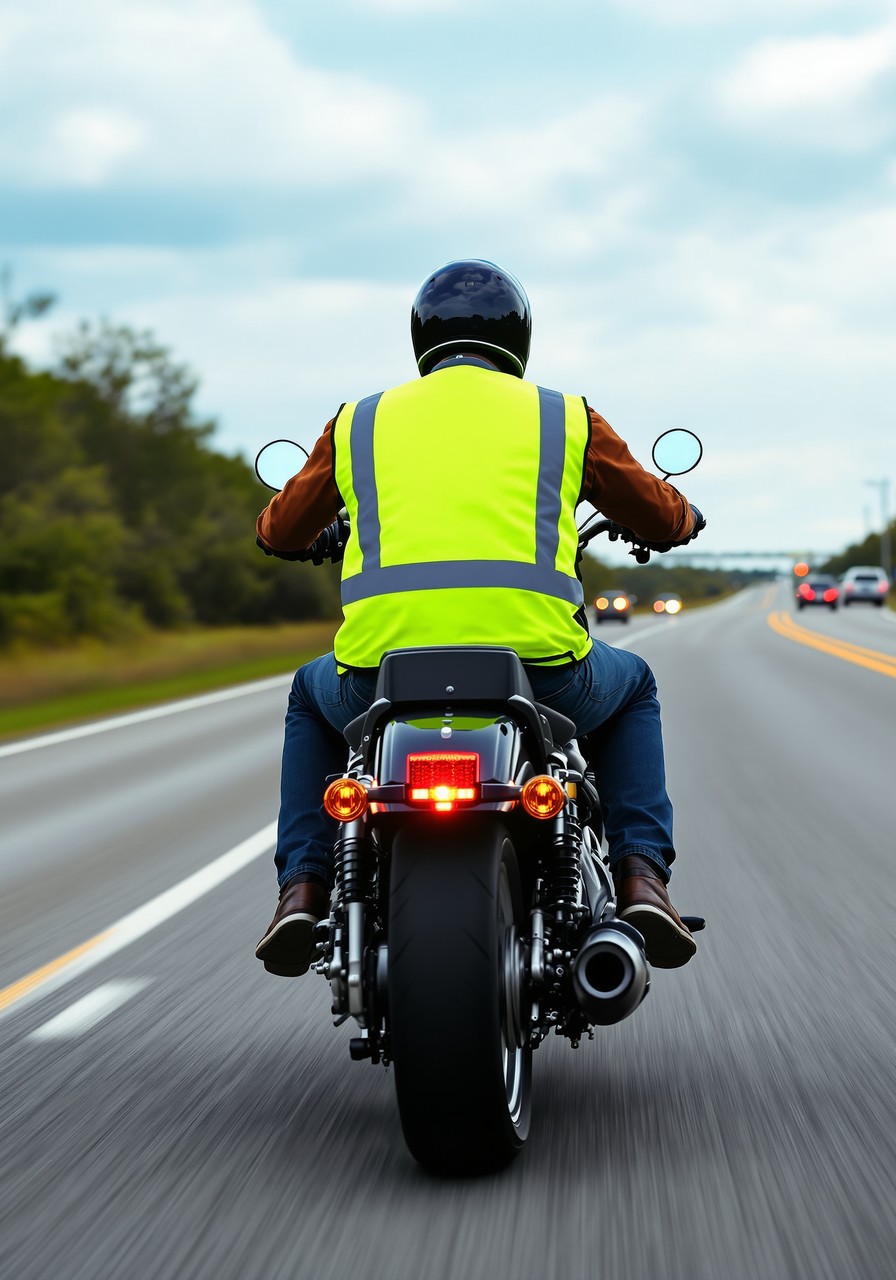
In South Carolina you have three years to file a personal injury claim, but evidence disappears in days. Get the photos, the names, and the crash report while they are fresh. Talk it through with The Lovely Law Firm at (843) 281-7452. #RideNationSC #RiderRights #GrandStrand
Engagement
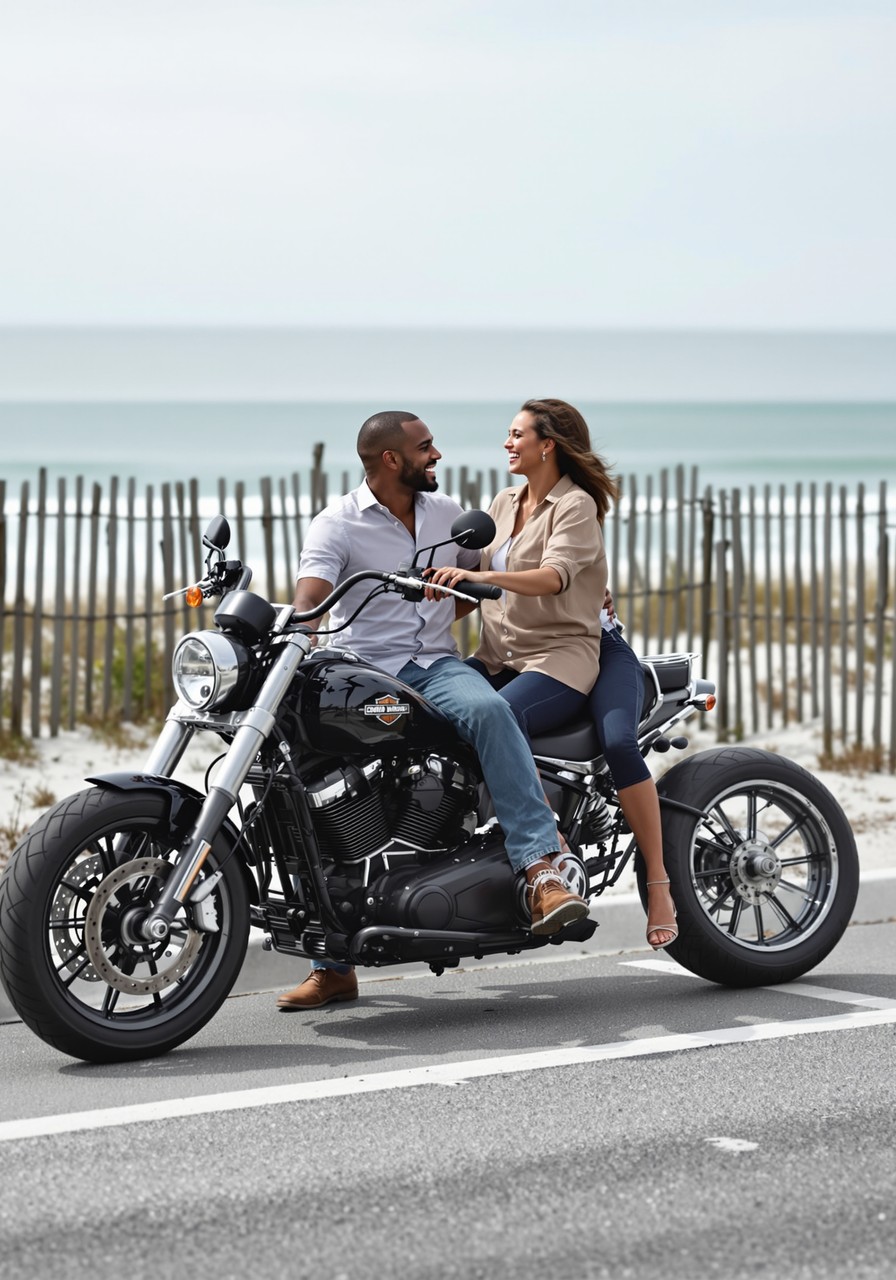
Fill in the blank: winter riding on the Grand Strand is better than summer because ______. #RideNationSC #MyrtleBeachRiders #TwoWheels
Giveaway & Countdown
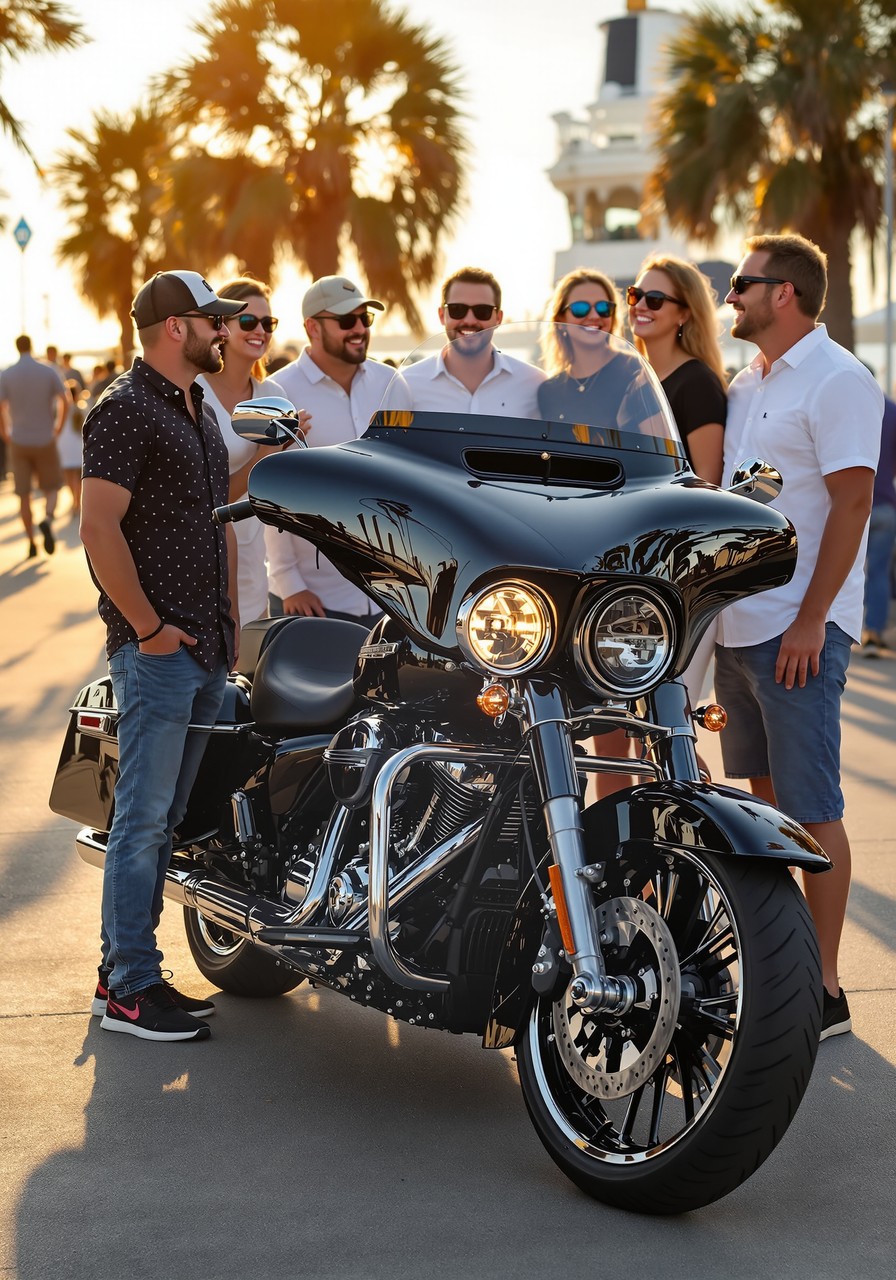
Got hurt in a crash on the Grand Strand? Ask us about your claim and get entered to win $20,000. (843) 281-7452. #RideNationSC #20kGiveaway #MyrtleBeachRiders
Local SC & Rides
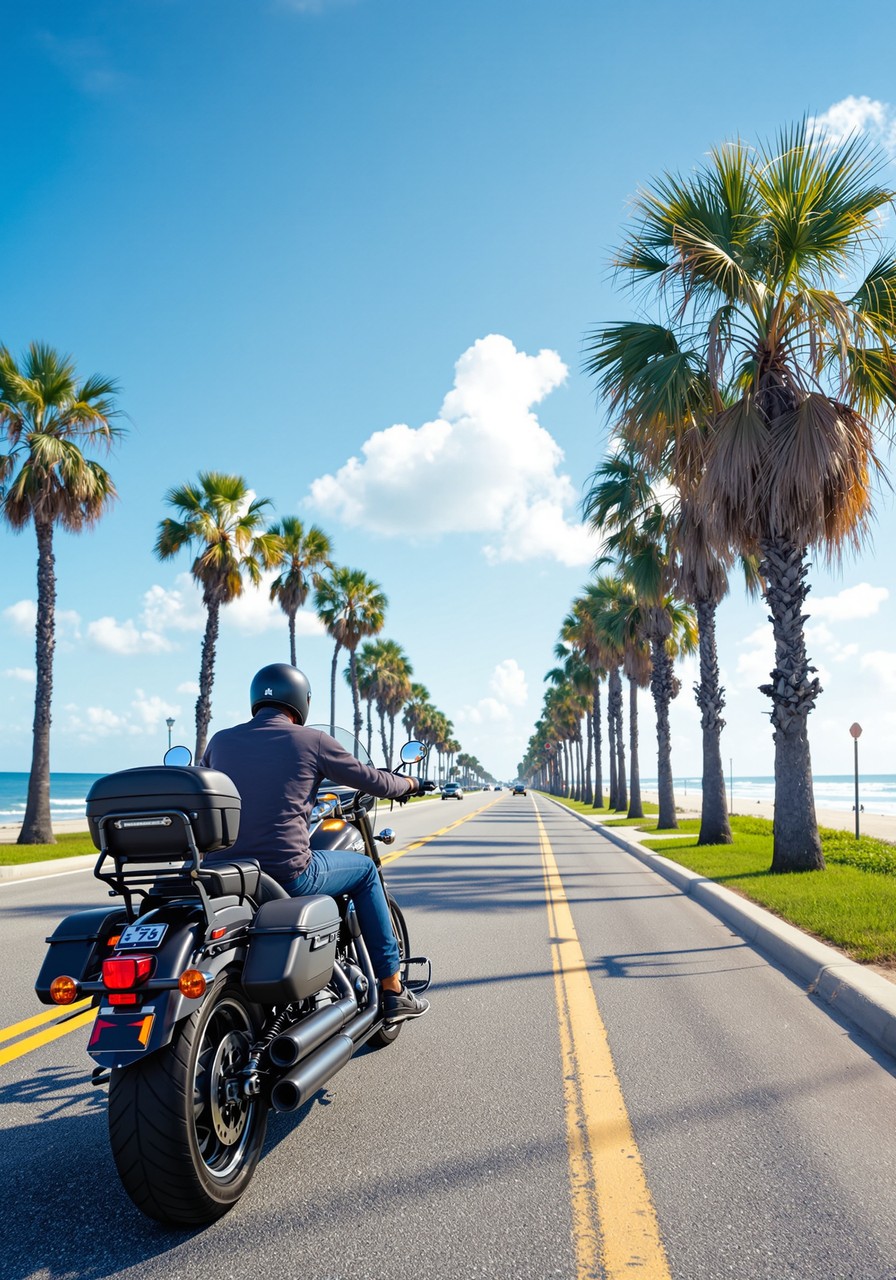
Take US-501 out to Conway, park downtown by the riverwalk, grab lunch, ride back. Easy half-day for a mild winter Saturday. #RideNationSC #GrandStrand #SouthCarolinaRiders
Gear & New Iron
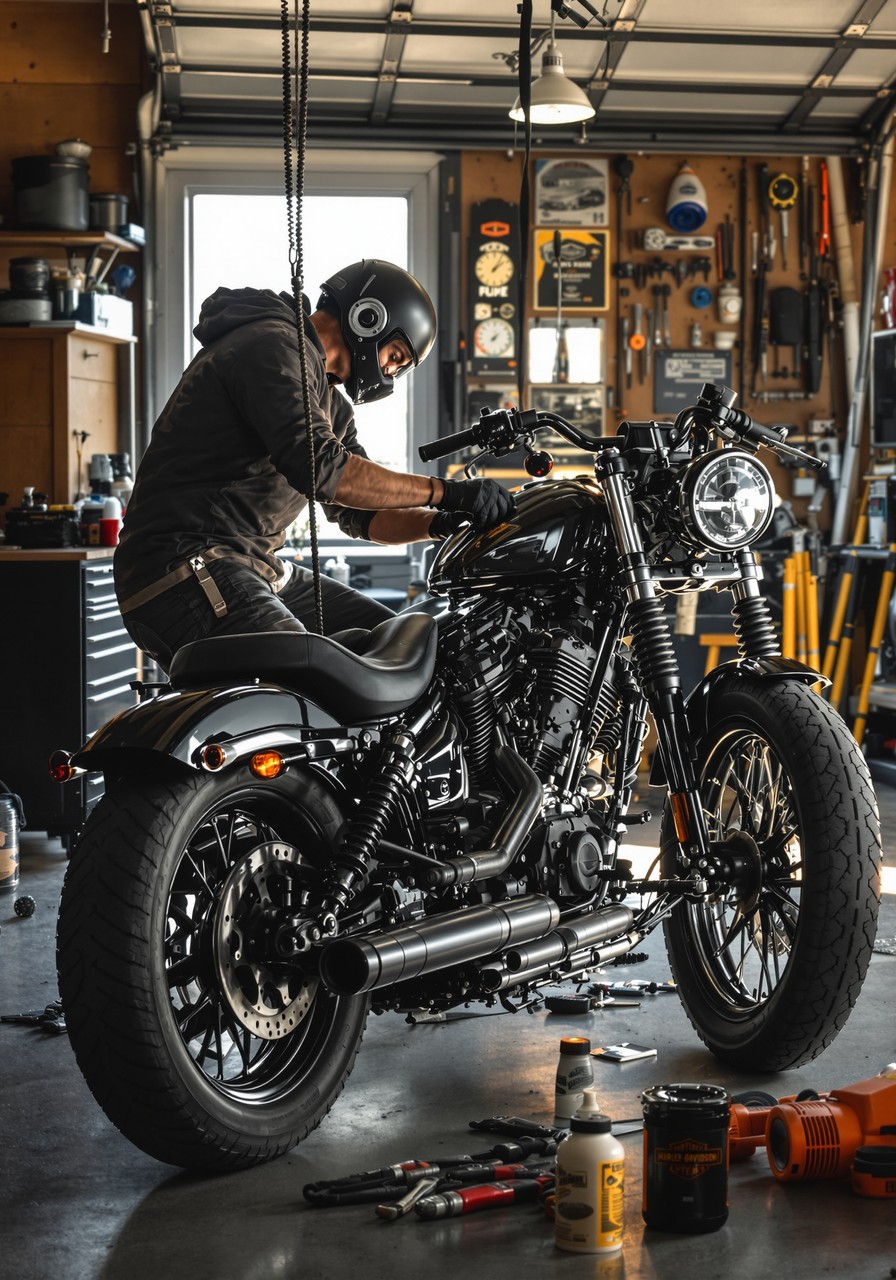
Helmets have a shelf life. Five years from the manufacture date is the rule of thumb, and coastal heat and UV only speed up the breakdown. Check the date sticker inside. #RideNationSC #GearUp #SaltAir
Safety & SC Law
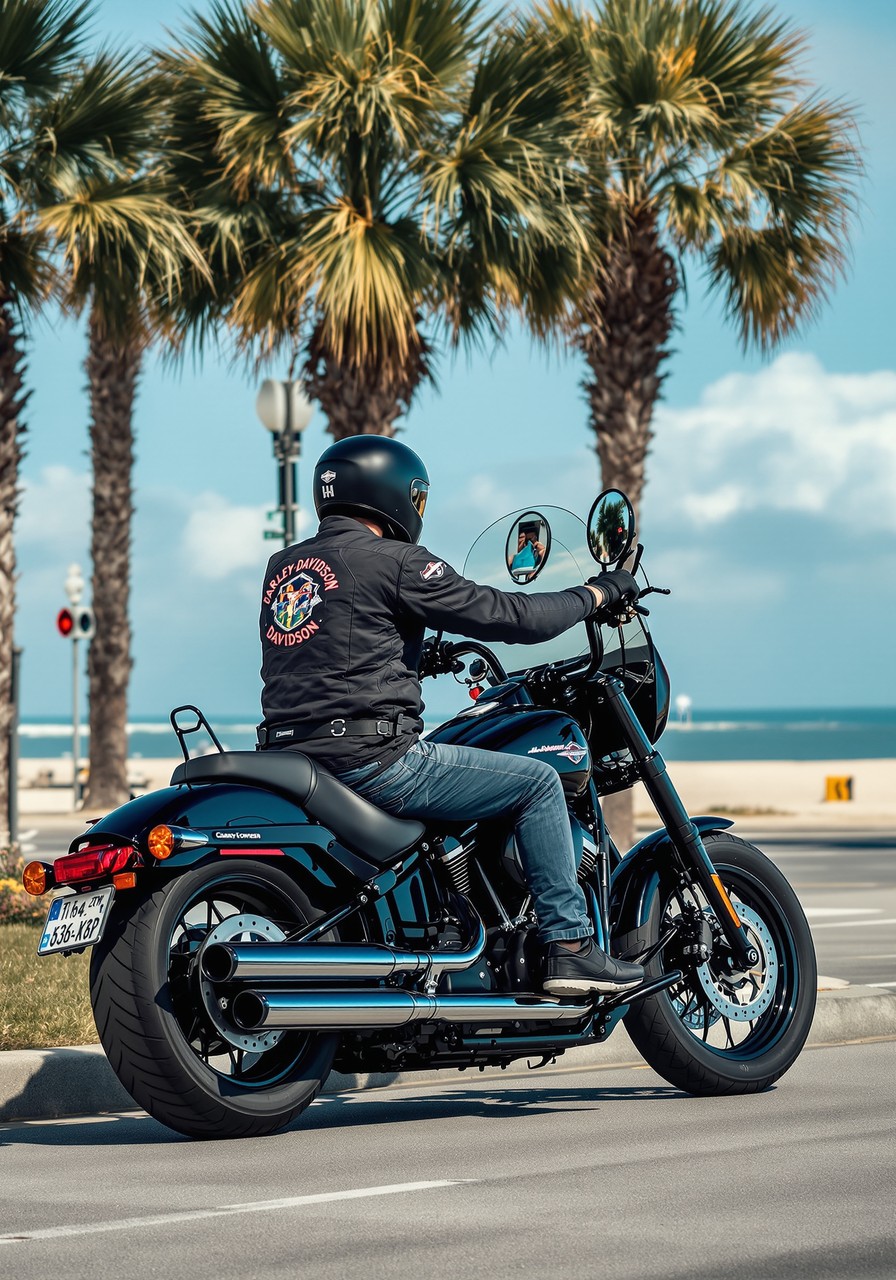
Left-turning tourists on US-17 are the number one threat to Grand Strand riders. Cover your brakes and ride like they do not see you, because usually they do not. #RideNationSC #MotorcycleSafety #MyrtleBeachRiders
Engagement
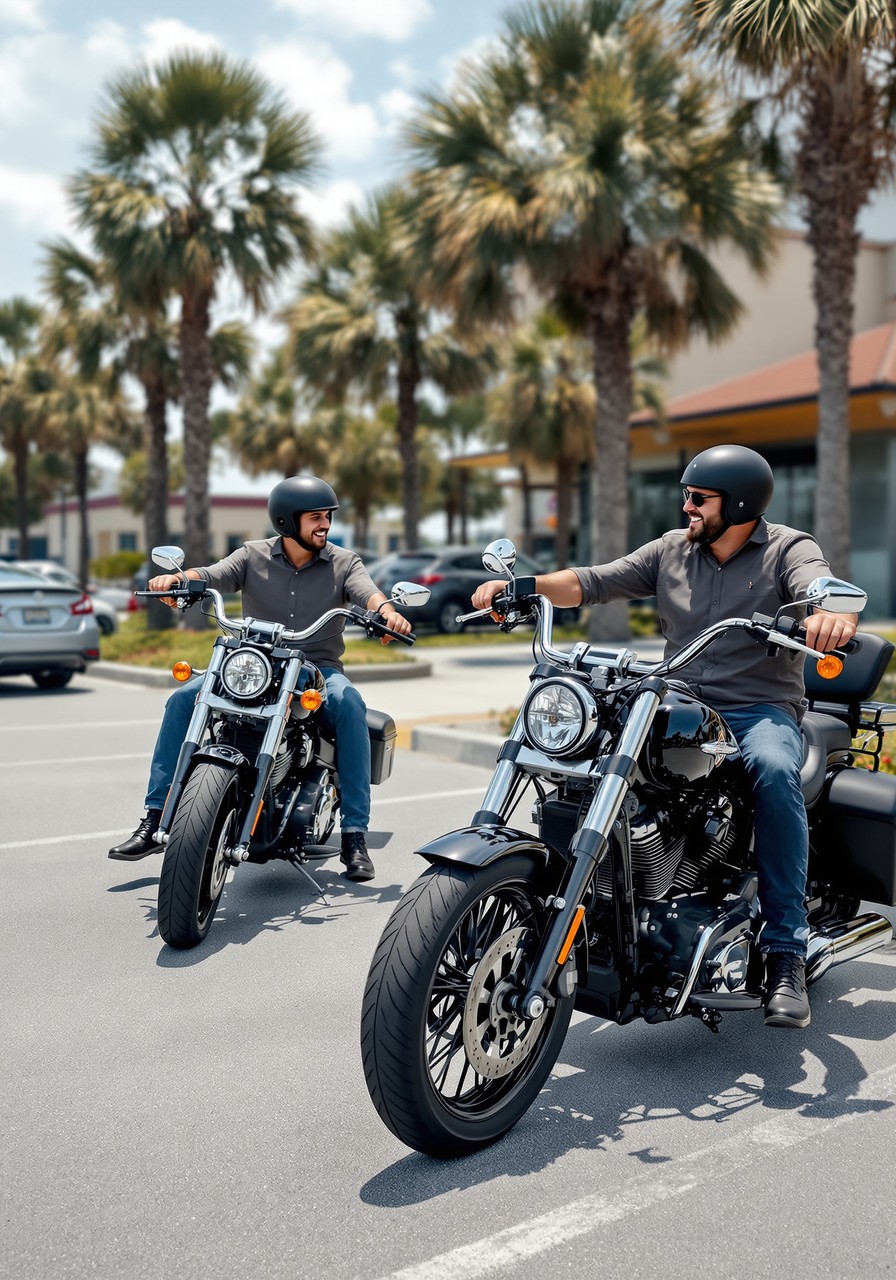
Poll: what is the real start of your riding day. A) coffee first B) helmet first C) both at once. Drop your letter. #RideNationSC #GrandStrand #SouthCarolinaRiders
Giveaway & Countdown
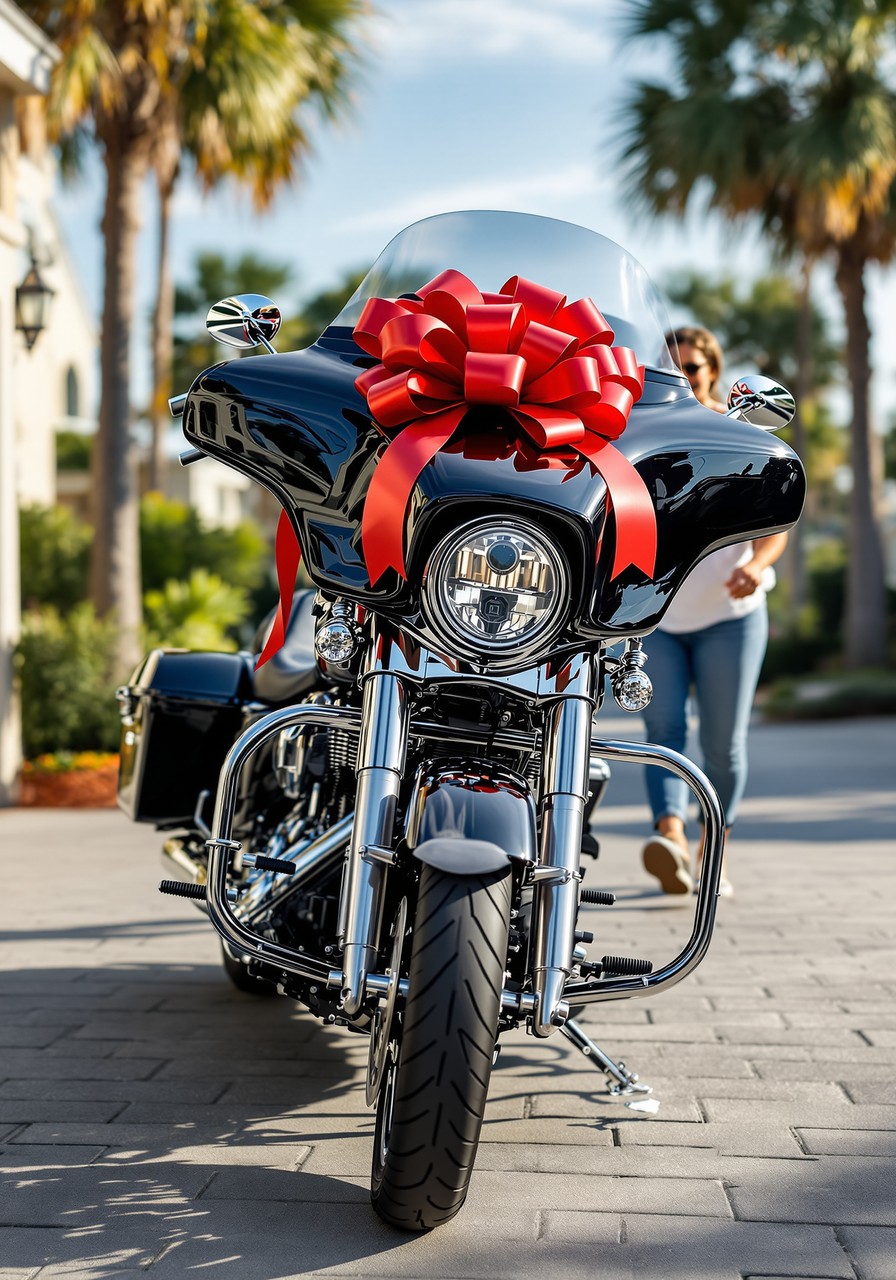
Entering is free and simple. Talk to The Lovely Law Firm about your motorcycle crash and you are in. Dial (843) 281-7452. #RideNationSC #BikersWin #SouthCarolinaRiders
Local SC & Rides
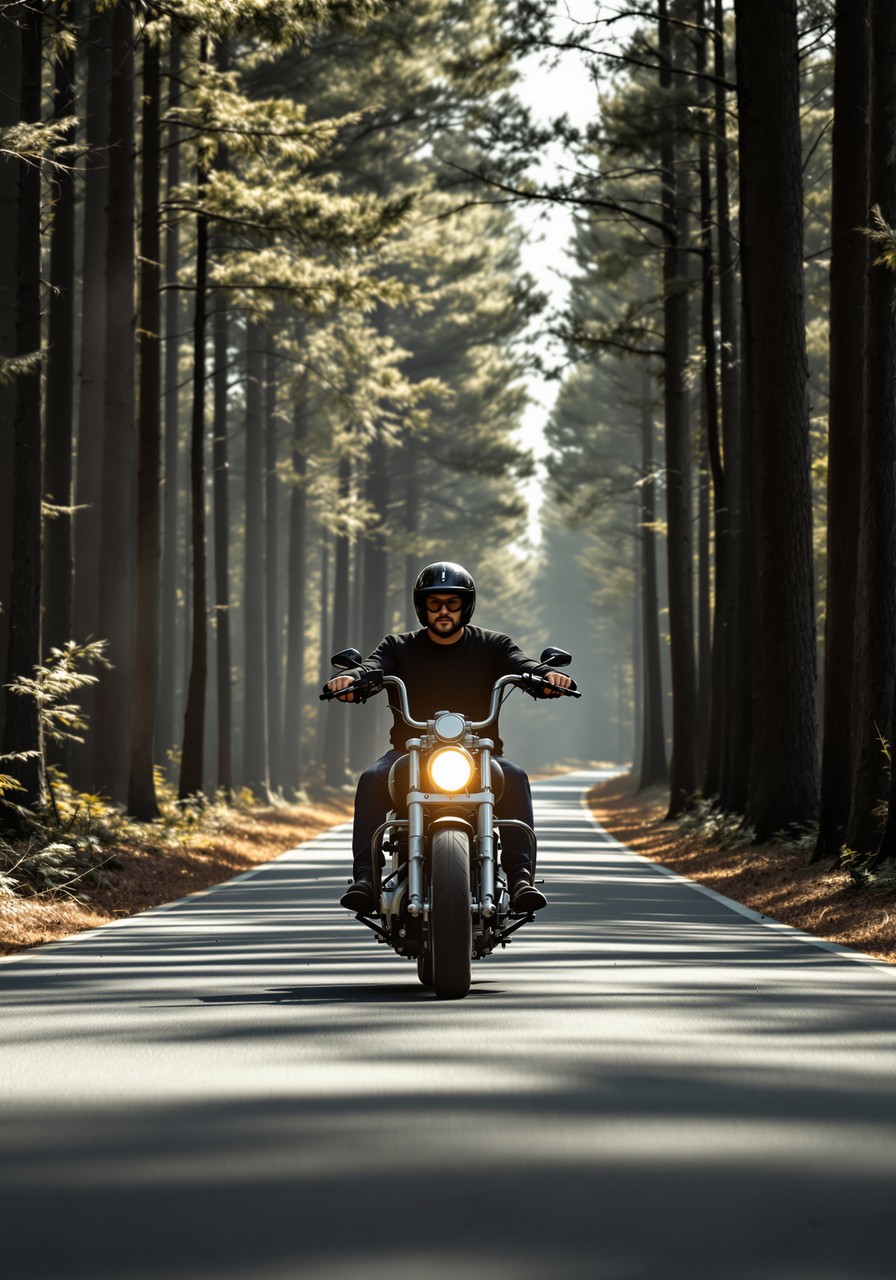
The Swamp Fox back roads through Francis Marion National Forest are pure two-wheel therapy. Just know the deer step out at dusk, so time your ride for daylight. #RideNationSC #MotorcycleRoads #LowcountryRiding
Gear & New Iron
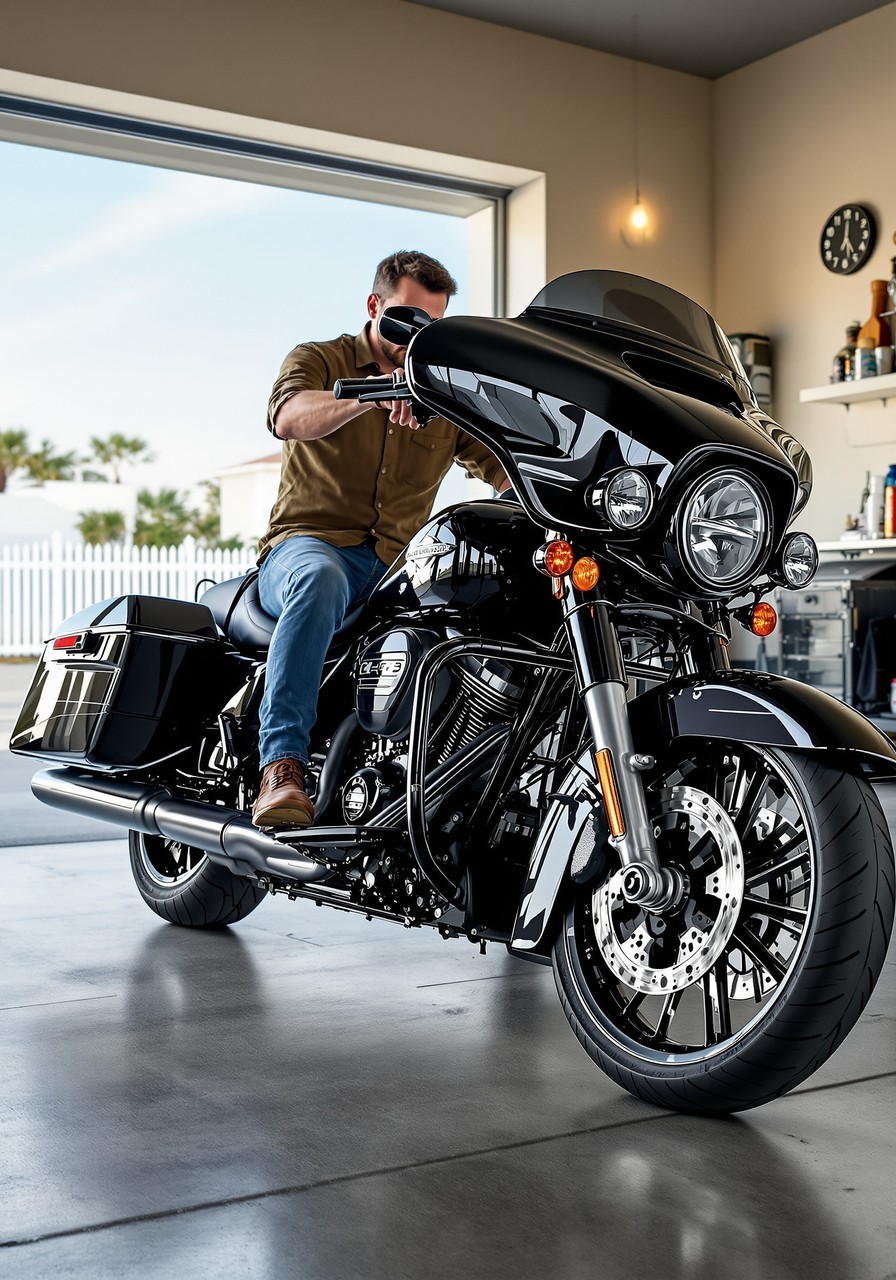
CE-rated armor is the difference between a bruise and a hospital stay. Look for CE Level 2 in the shoulders, elbows, and back before you buy that jacket. #RideNationSC #ATGATT #GearUp #RiderTips
Safety & SC Law
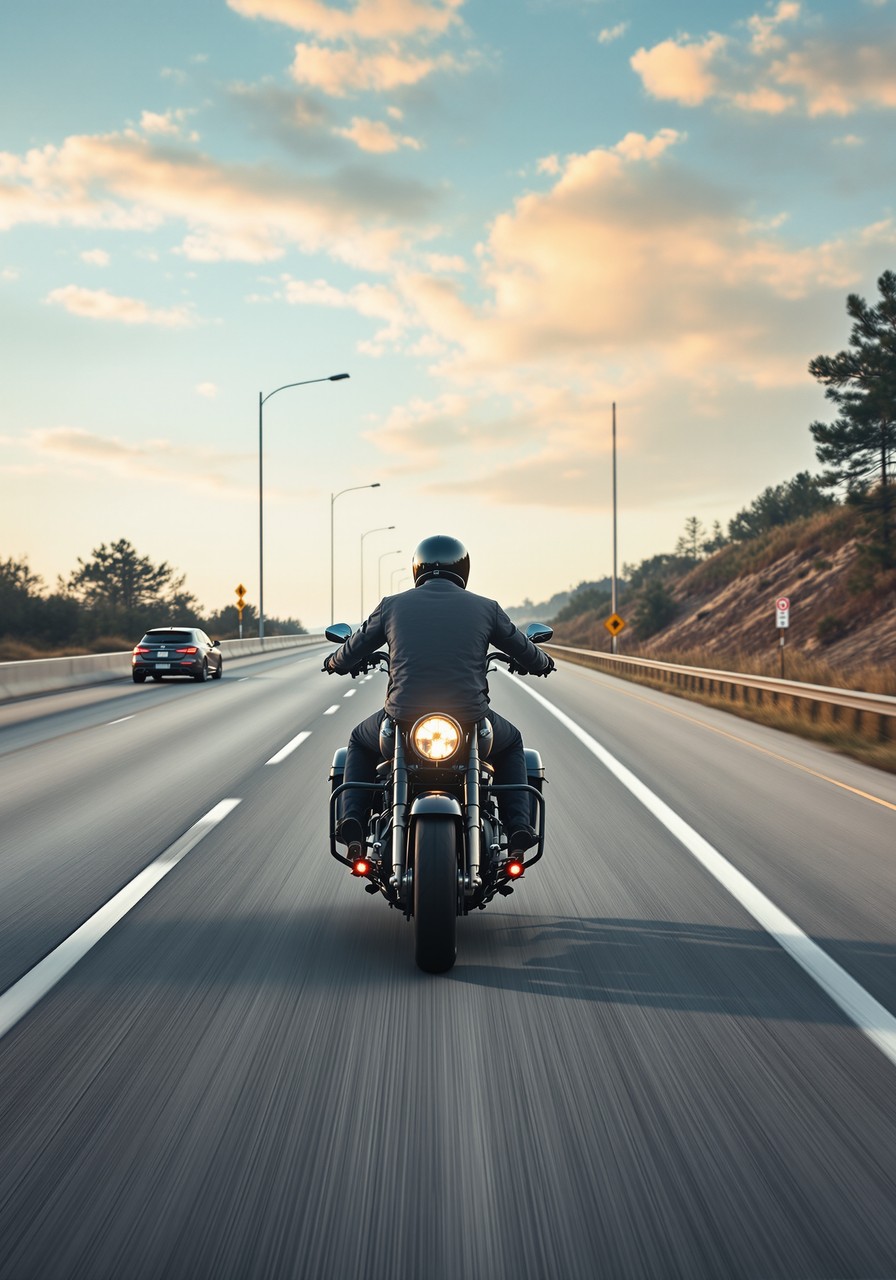
Under South Carolina law, only riders under 21 are required to wear a helmet. Adults can legally ride without one, but insurers still try to use that choice against you, and a helmet is still your smartest protection. #RideNationSC #KnowYourRights #MotorcycleSafety
Engagement
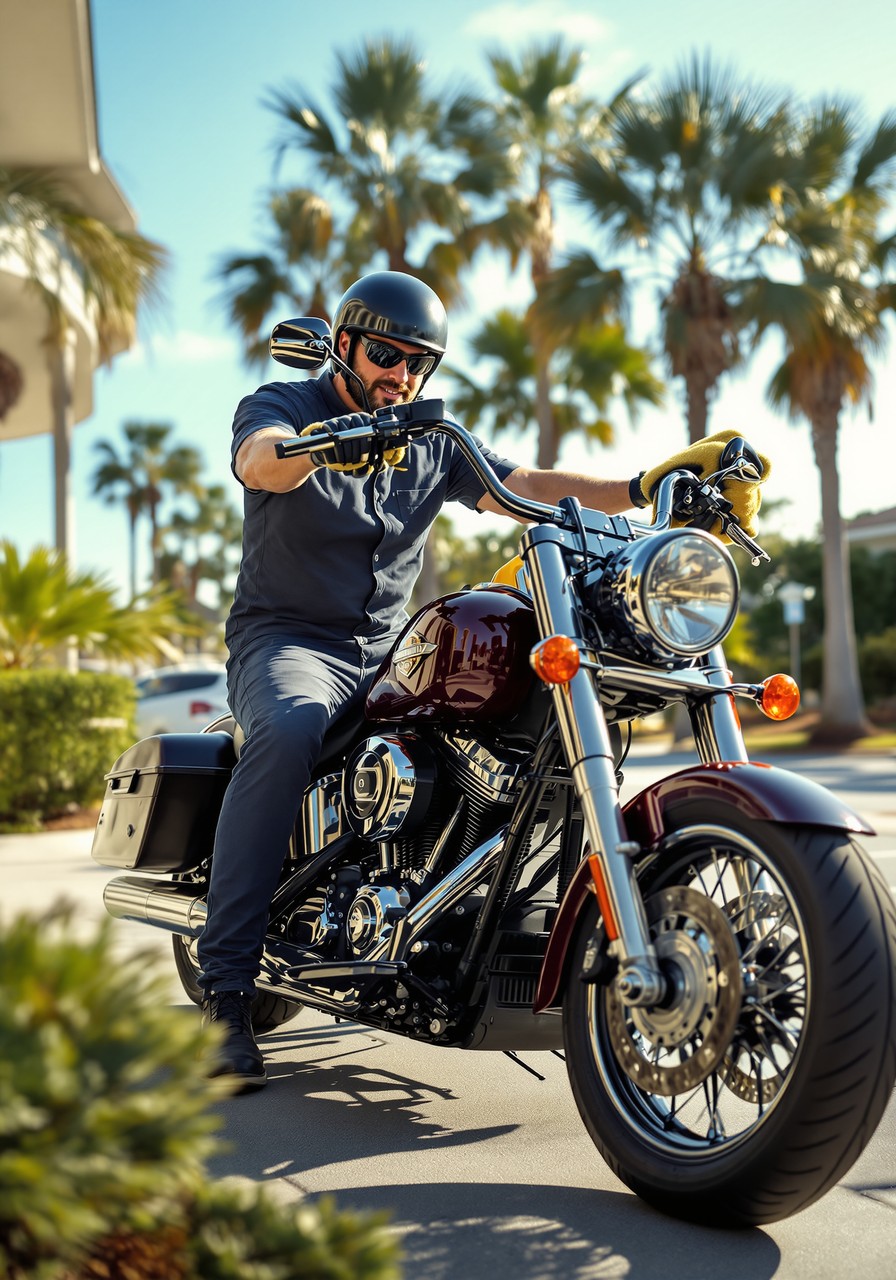
Quick one: heated grips or just tough it out on a cool coastal morning. Where do you land. #RideNationSC #MyrtleBeachRiders #TwoWheels
Giveaway & Countdown
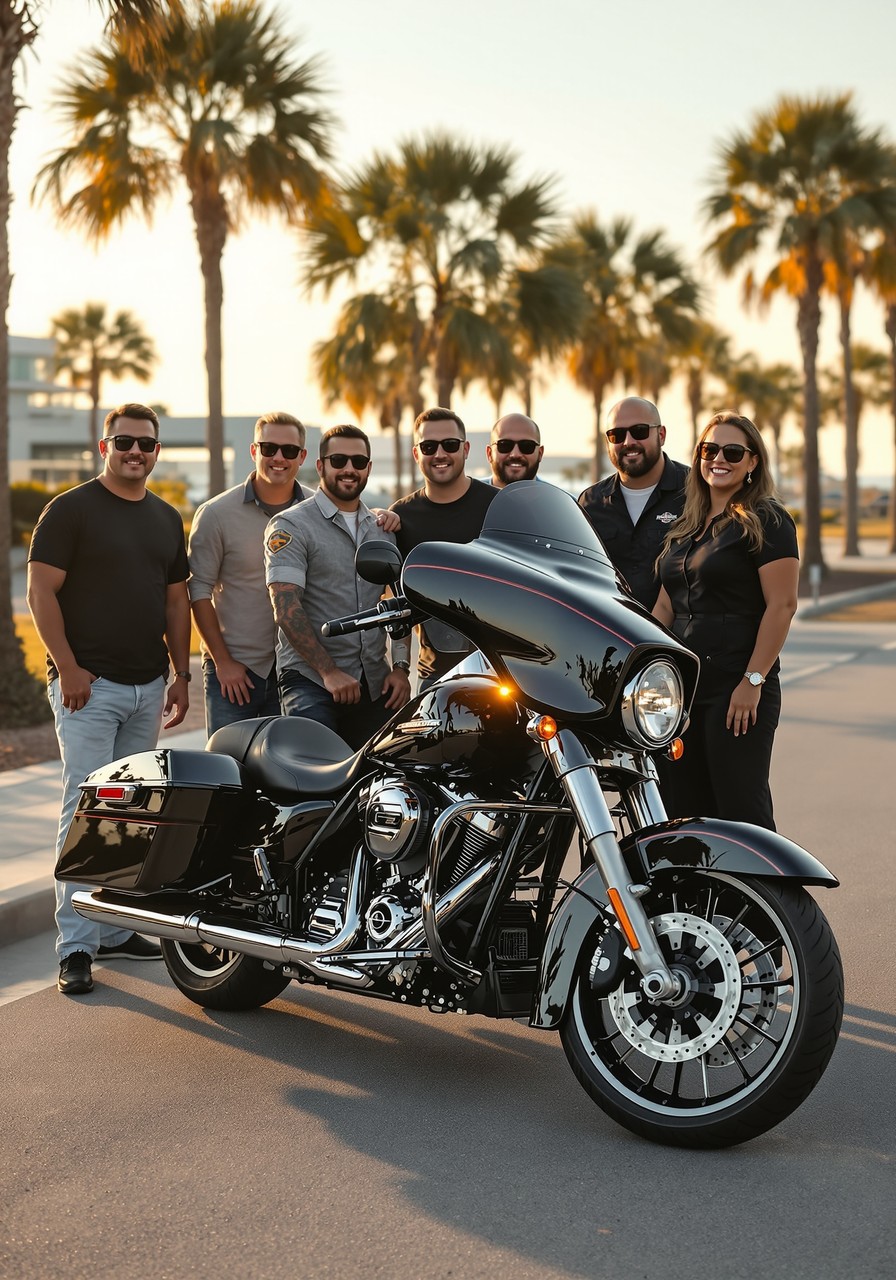
No purchase, no catch. A conversation about your claim is your entry into the $20,000 giveaway. Call (843) 281-7452. #RideNationSC #MotorcycleGiveaway #20kGiveaway
Local SC & Rides
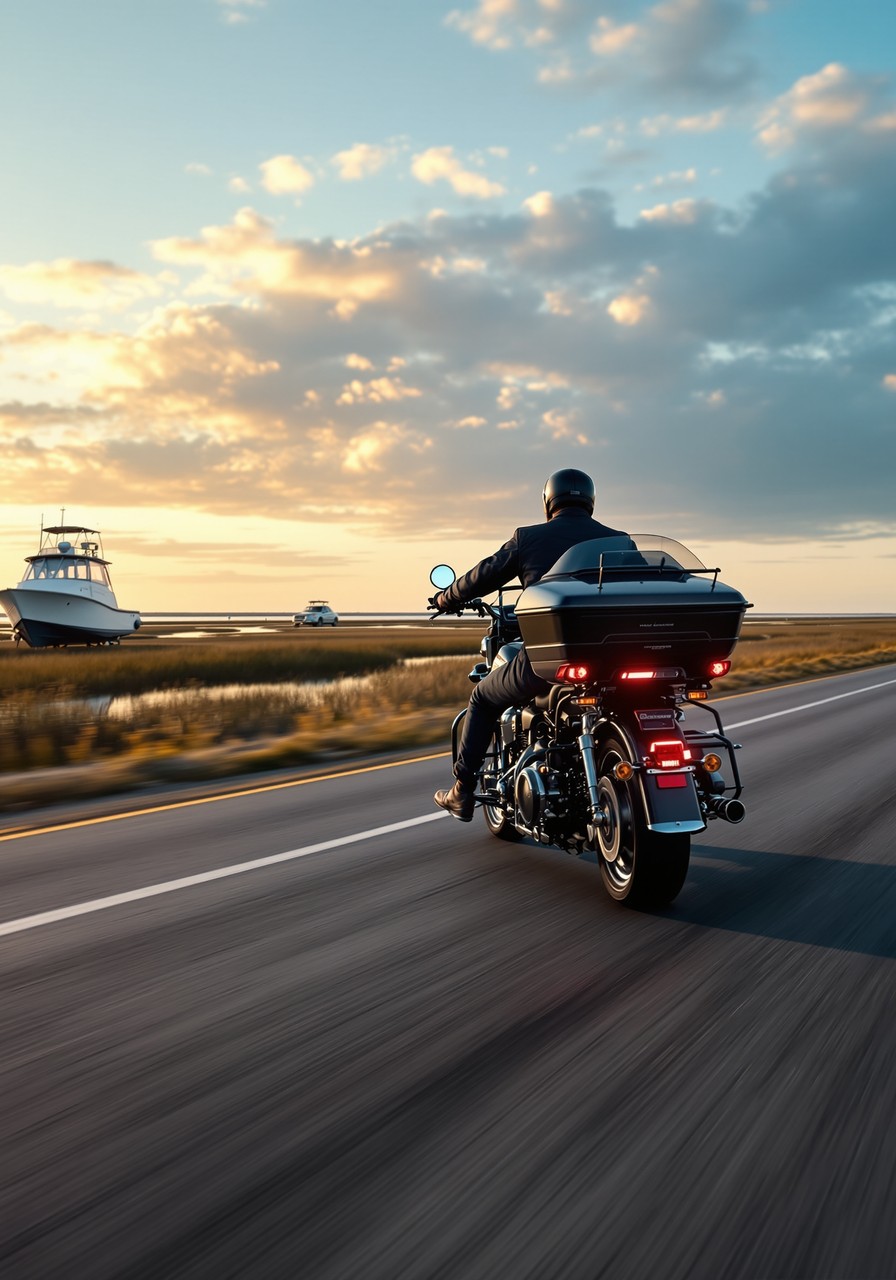
Cold snap this week, but blue sky and dry roads. That is a beach-day ride if you layer up right. Grab it before the next front rolls in. #RideNationSC #MyrtleBeachRiders #GrandStrand
Gear & New Iron
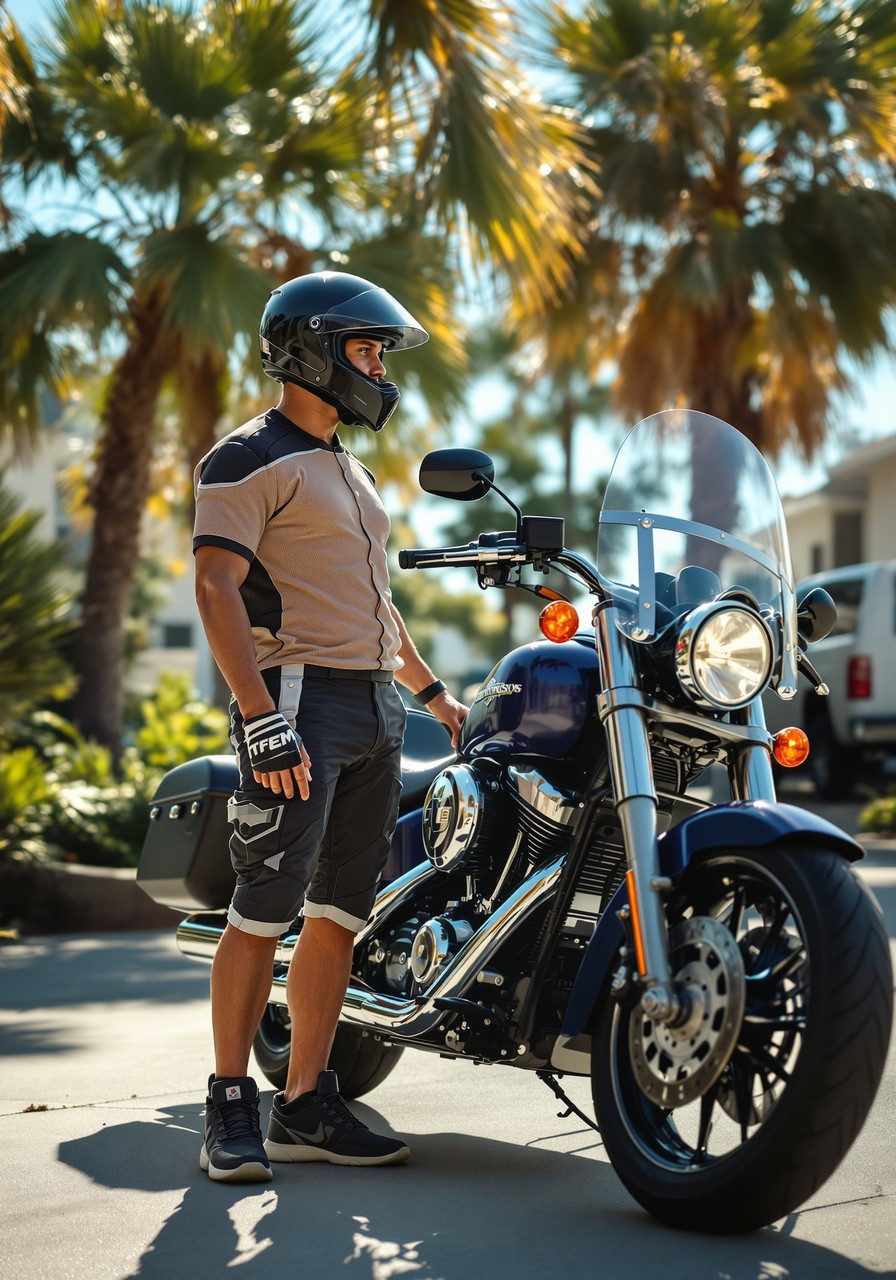
Grand Strand humidity will cook you in a leather jacket. Mesh and ventilated gear with CE armor keeps the abrasion protection and lets the airflow do its job. #RideNationSC #GearUp #MyrtleBeachRiders
Safety & SC Law
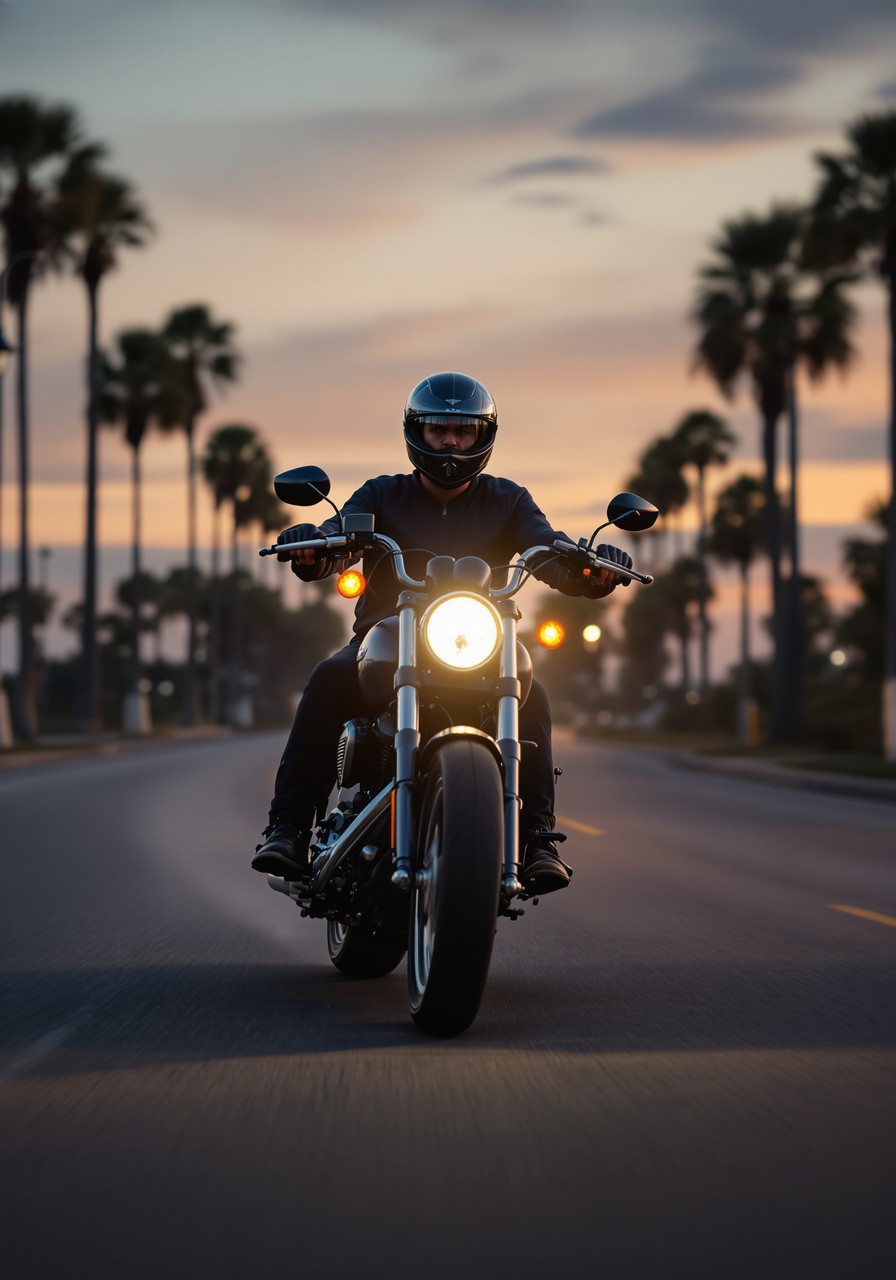
SC minimum liability is just 25/50/25. That runs out fast after a serious motorcycle crash, which is why your own UM and UIM matter so much. Want a policy check? Call The Lovely Law Firm at (843) 281-7452. #RideNationSC #RiderRights #SouthCarolinaRiders
Engagement
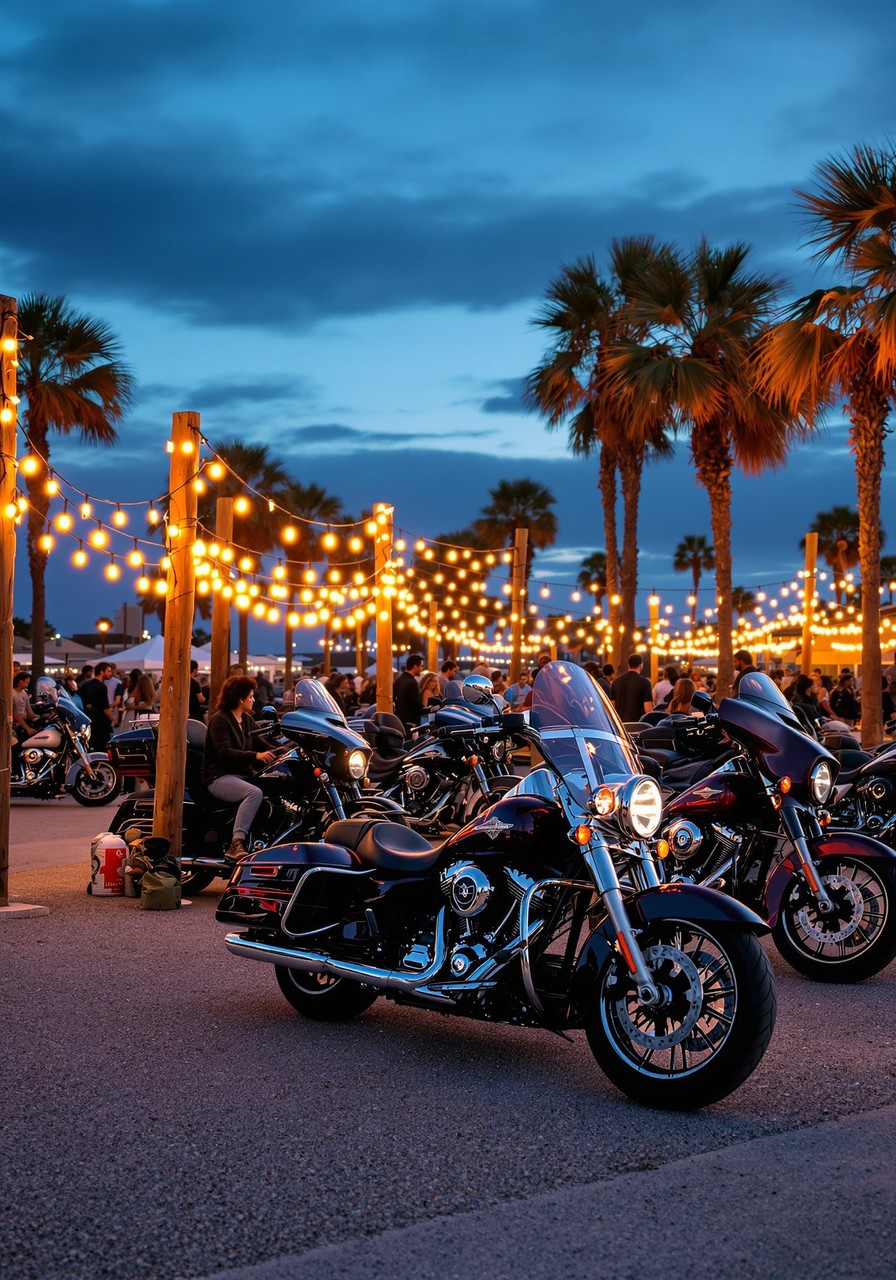
Off-season quiet roads are a gift. What is the one stretch you love most when the tourists are gone. #RideNationSC #GrandStrand #SouthCarolinaRiders
Giveaway & Countdown
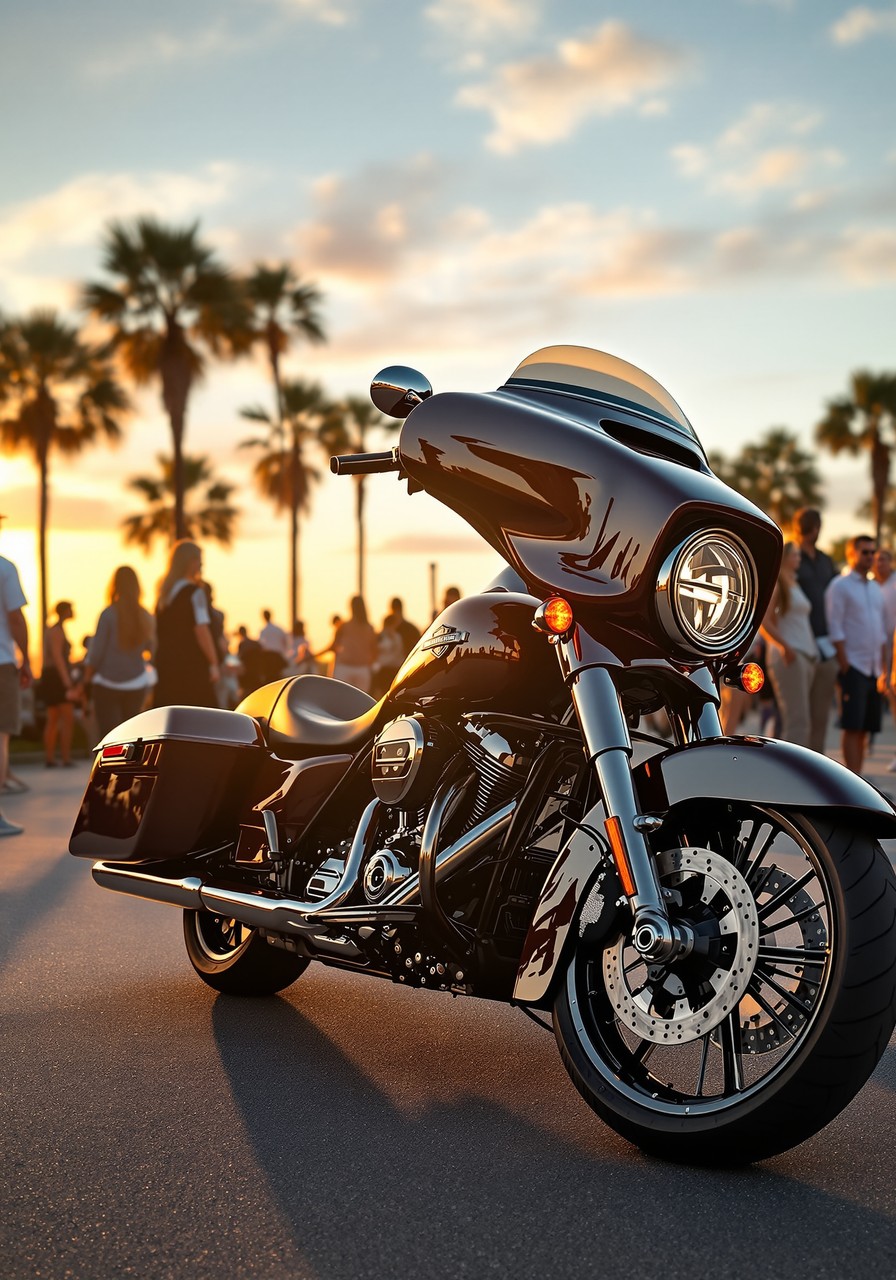
Riders, the clock is ticking on twenty thousand dollars. A free case review is your ticket. (843) 281-7452. #RideNationSC #BikersWin #GrandStrand #MyrtleBeachRiders
Local SC & Rides
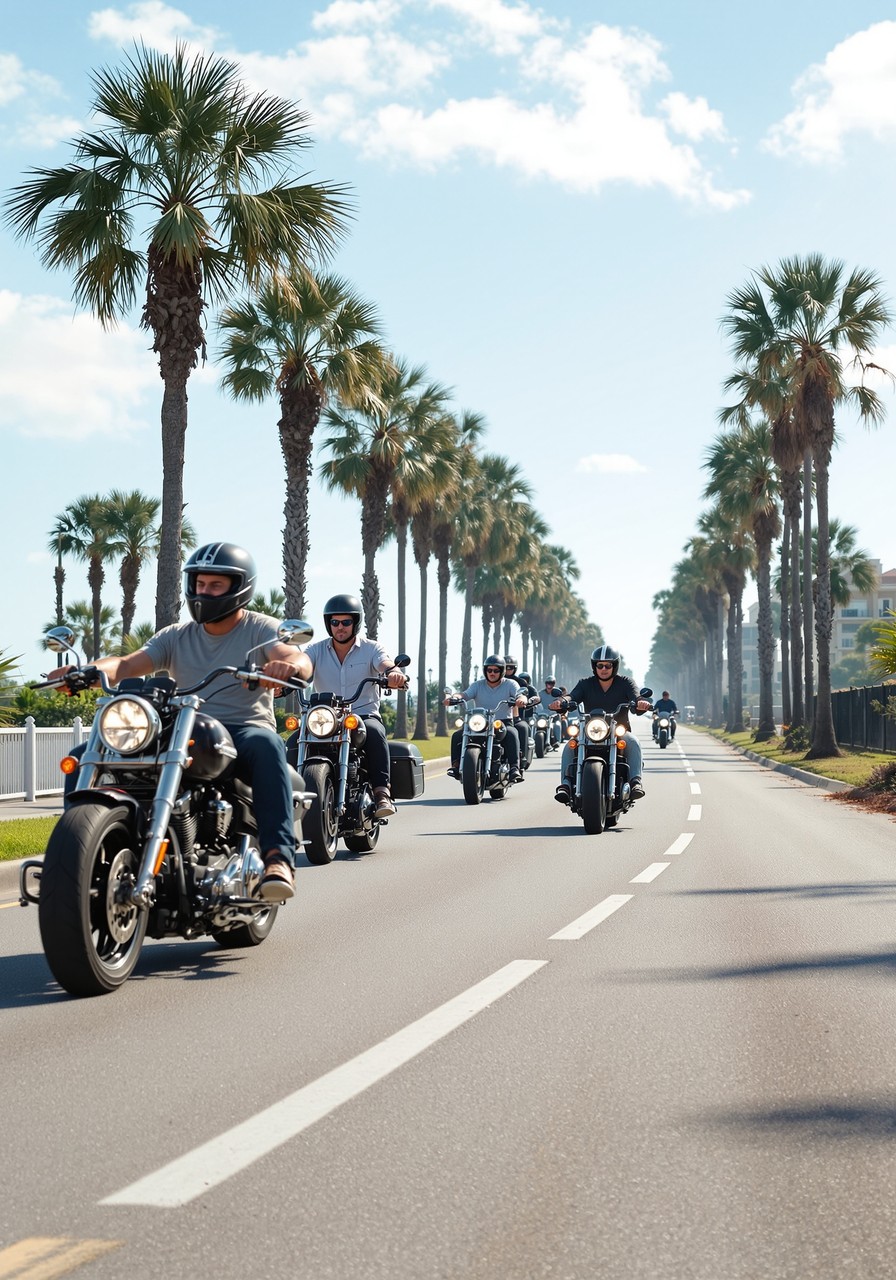
Reminder for the die-hards: the Intracoastal Waterway bridge decks on SC-31 go slick with salt and damp before the streets do. Ease off on a cold morning. #RideNationSC #MyrtleBeachRiders #MotorcycleRoads
Gear & New Iron
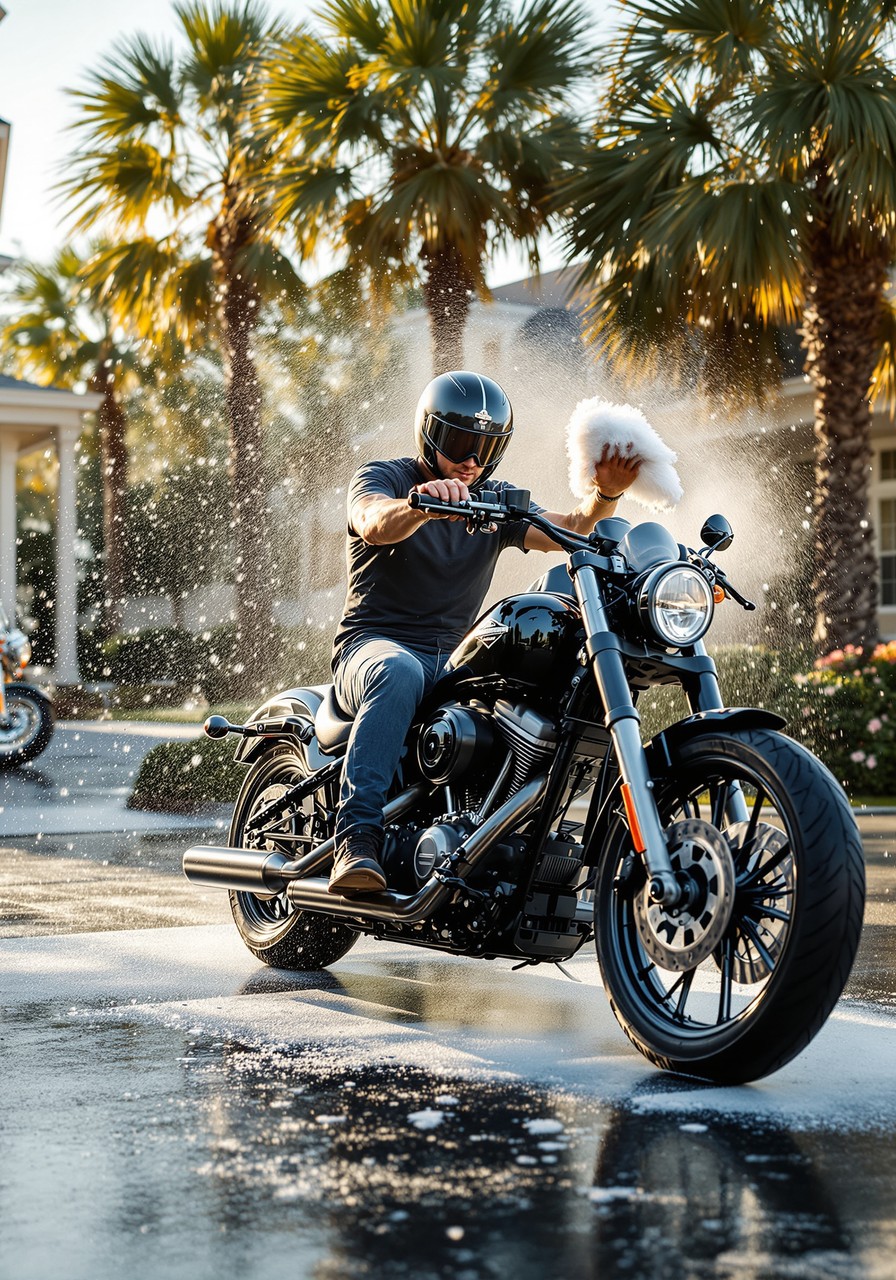
Riding in July heat is no reason to go gearless. Pick a mesh jacket, drink water before you feel thirsty, and stash extra in a hydration pack for the long stretches. #RideNationSC #RiderTips #GearUp
Safety & SC Law
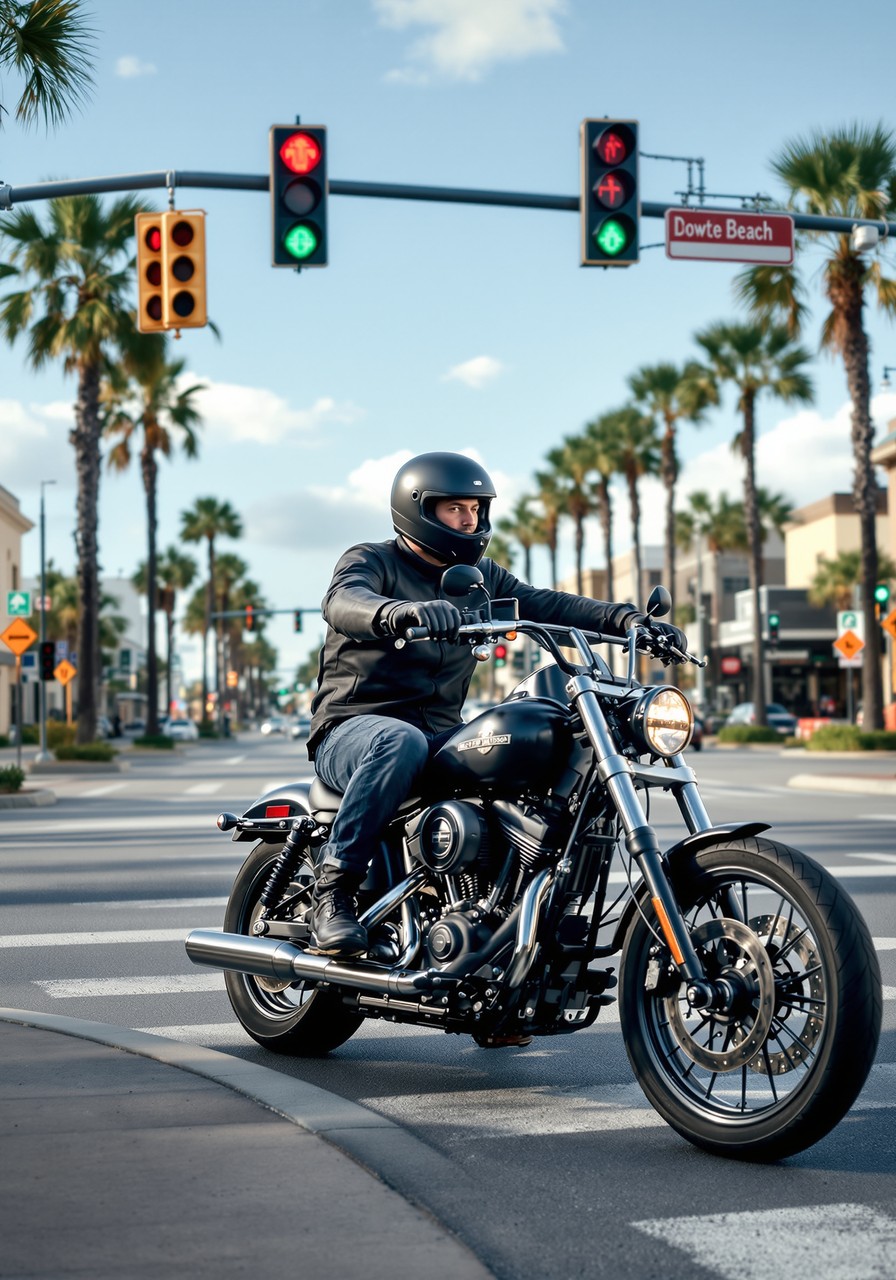
Coastal fog and blown sand cut your visibility on the Strand without warning. Slow down, add following distance, and make sure they can see you before you commit. #RideNationSC #MotorcycleSafety #GrandStrand
Engagement
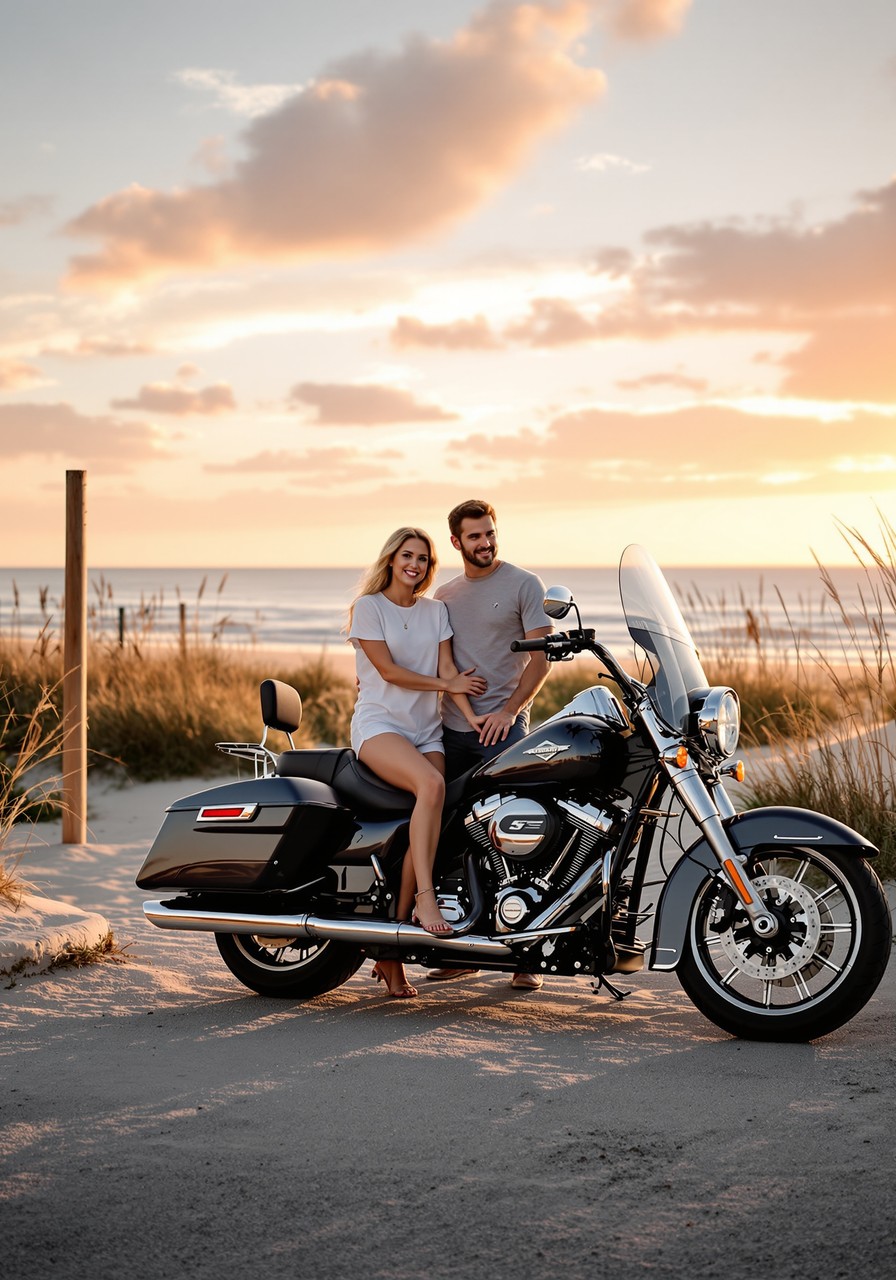
This or that: Pawleys Island beach run or a slow loop through Brookgreen Gardens. Pick one and tell us why. #RideNationSC #PawleysIsland #GrandStrand
Giveaway & Countdown
Curious how the BikersWin giveaway works? We will walk you through it. Call The Lovely Law Firm at (843) 281-7452. #RideNationSC #20kGiveaway #SouthCarolinaRiders
Local SC & Rides
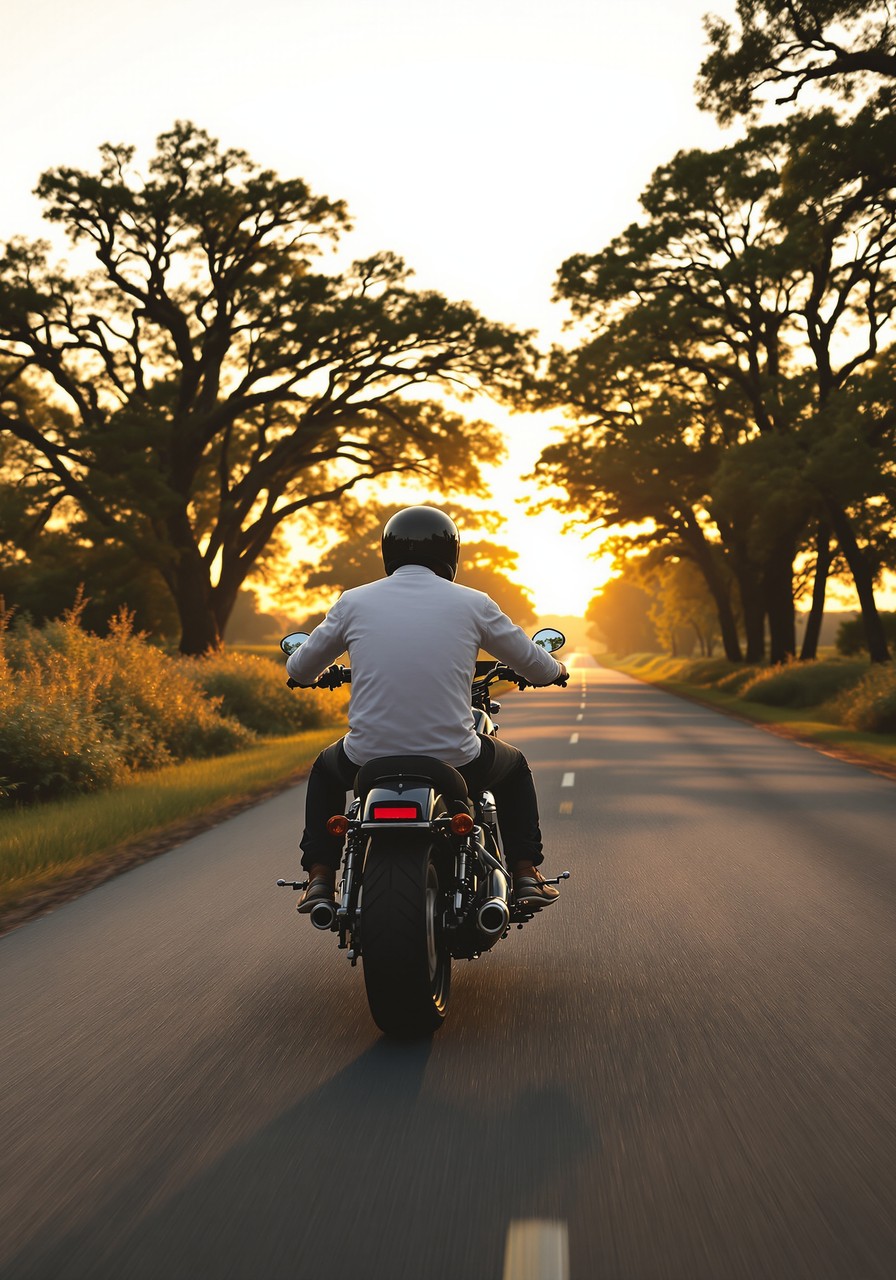
Run down to Pawleys Island, cut through the moss-draped lanes, and hit the beach access at low tide. Slow, quiet, perfect. #RideNationSC #PawleysIsland #LowcountryRiding
Gear & New Iron
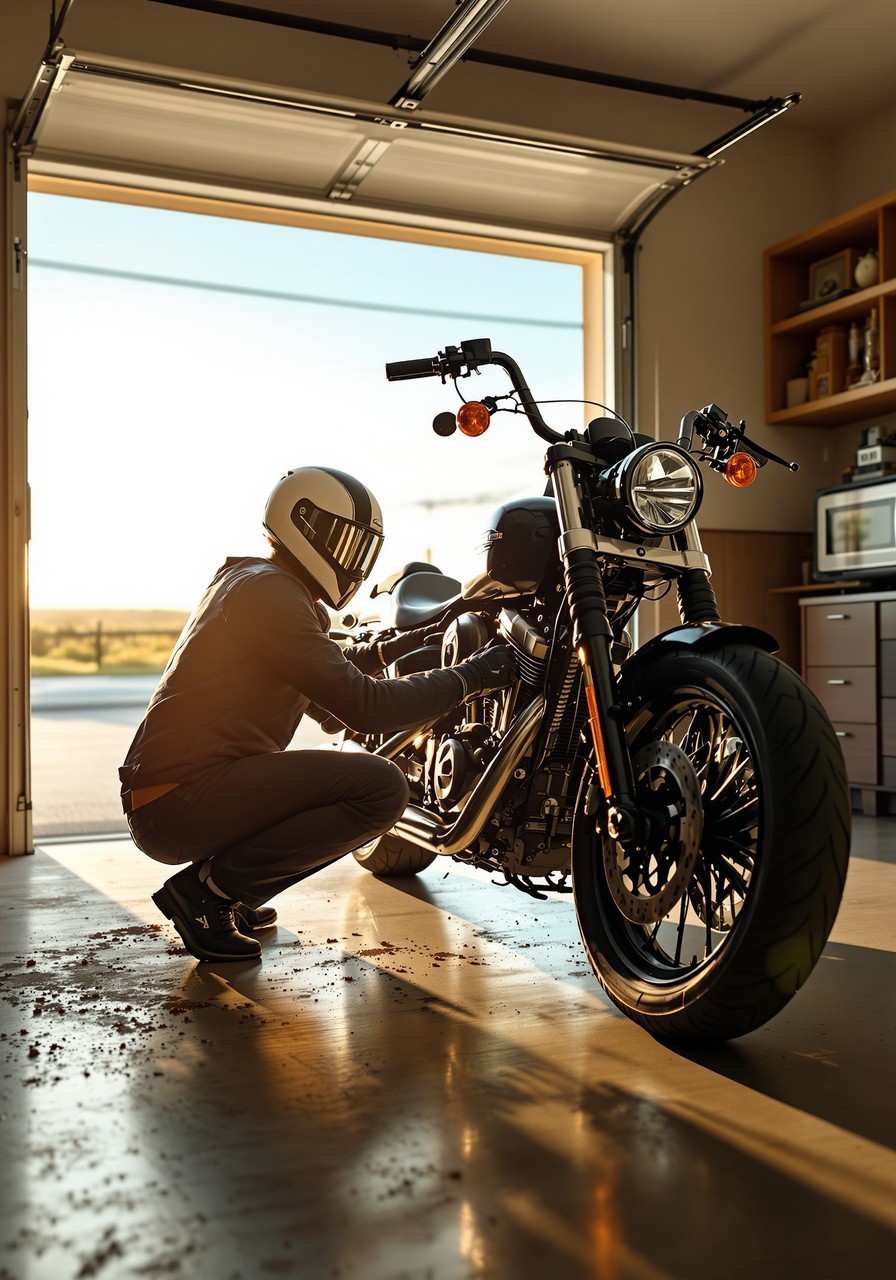
Full gauntlet gloves feel like overkill on a hot day until you put a hand down. Your palms are the first thing you throw out in a slide. Cover them. #RideNationSC #ATGATT #GearUp
Safety & SC Law
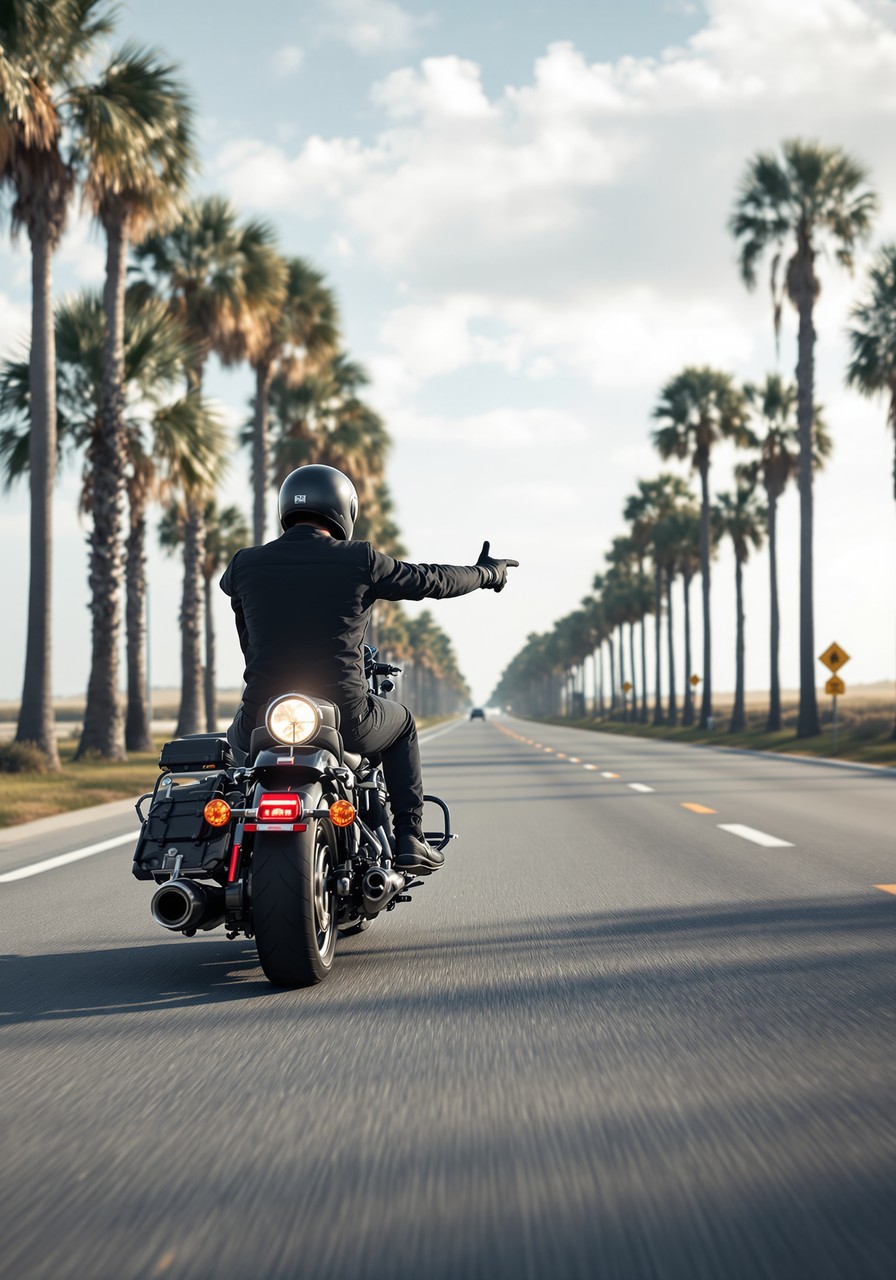
Salt-slick bridge decks around Myrtle Beach get greasy fast, especially in the morning. Stay smooth on the throttle and brakes and cross those seams upright. #RideNationSC #MotorcycleSafety #MyrtleBeachRiders
Engagement
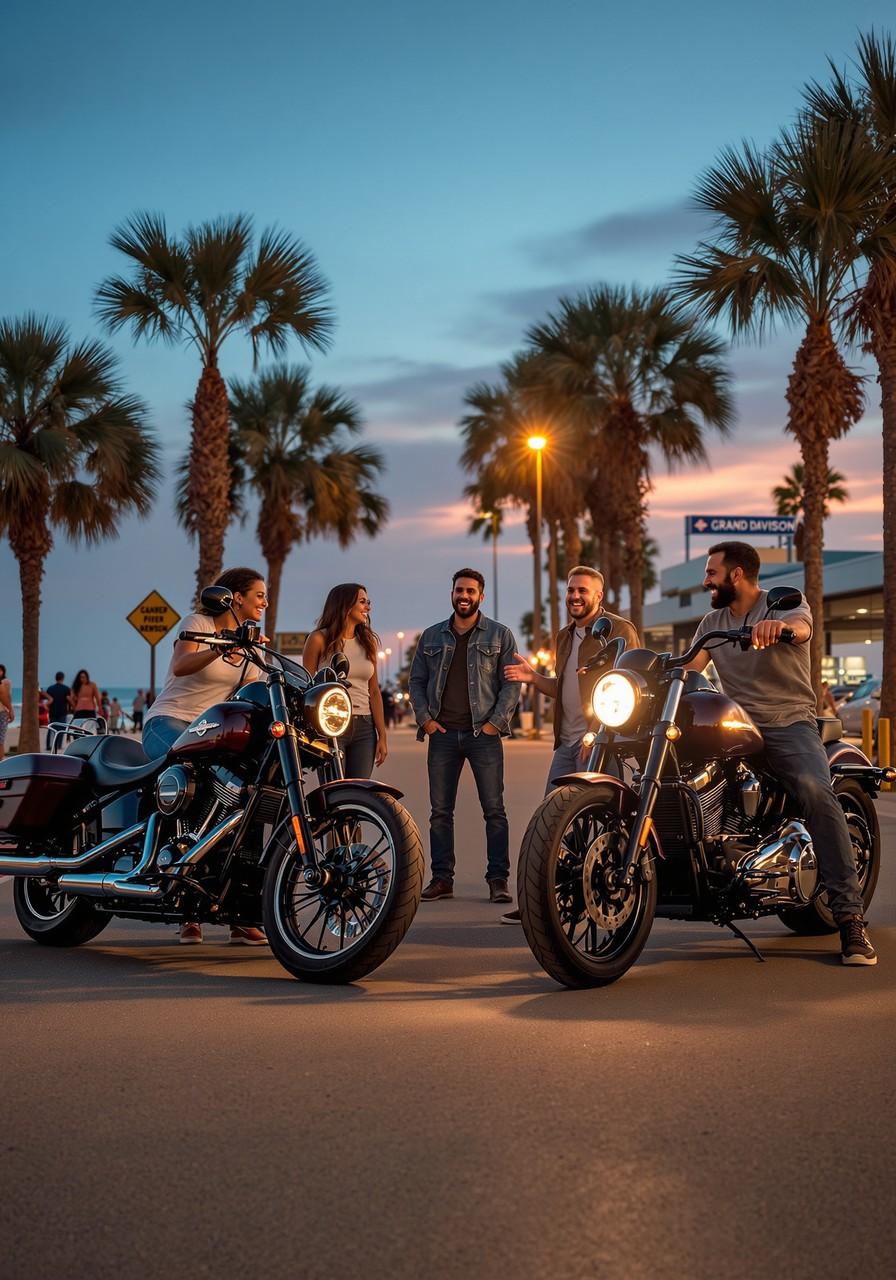
Finish the sentence: I knew I was hooked on riding the day I ______. #RideNationSC #TwoWheels #SouthCarolinaRiders
Giveaway & Countdown
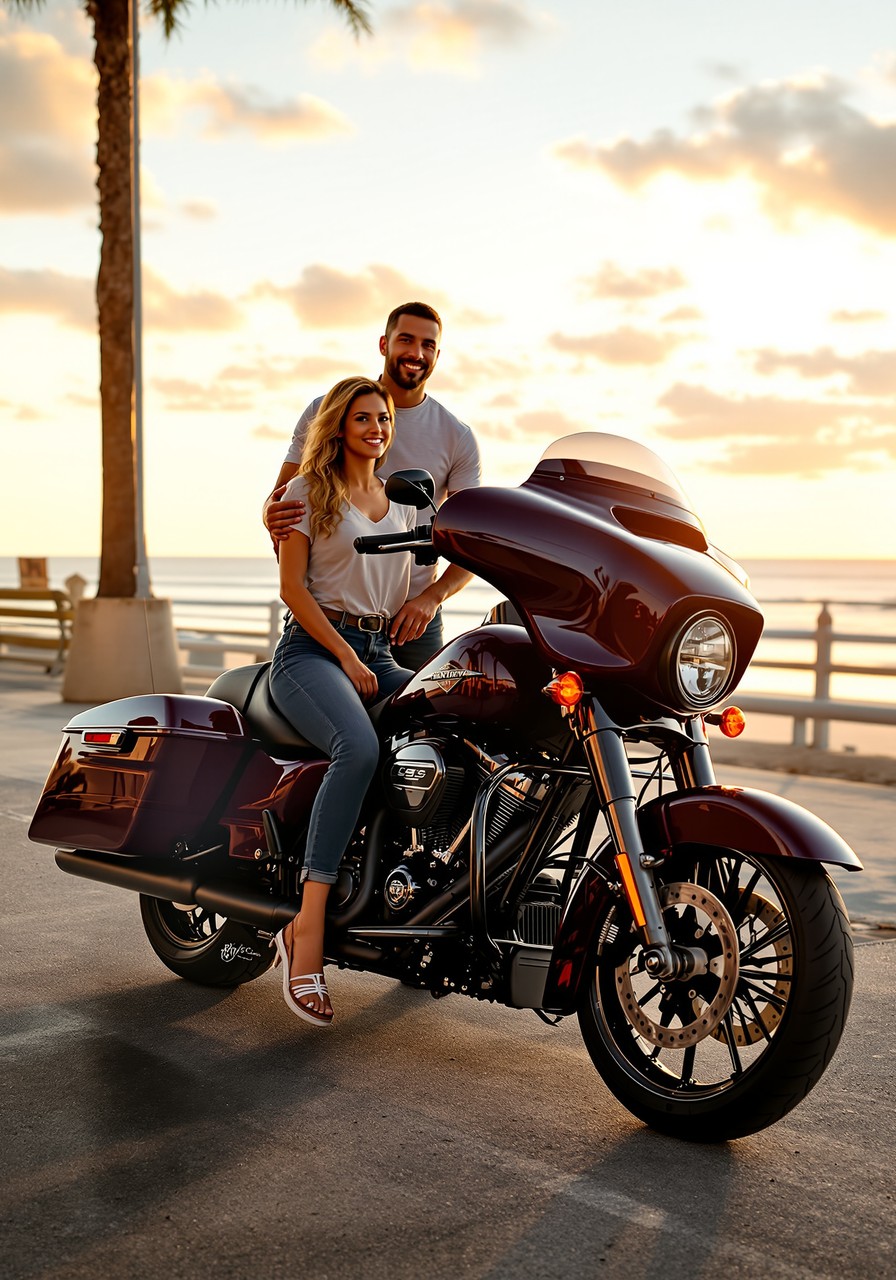
Wrecked and unsure what comes next? Talk to us, get answers, and get entered to win $20,000. (843) 281-7452. #RideNationSC #BikersWin #MyrtleBeachRiders
Local SC & Rides
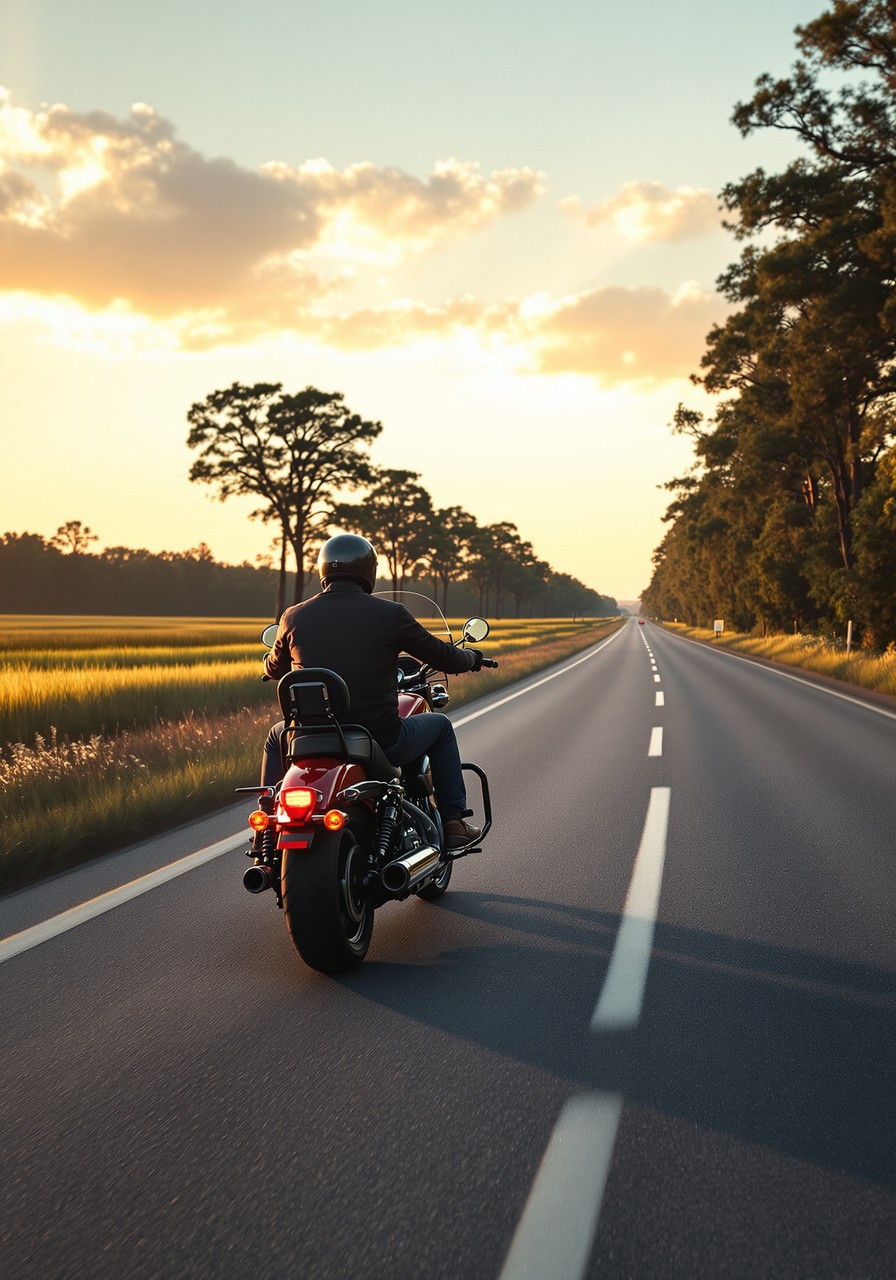
Georgetown to Brookgreen Gardens on US-17 is one of the prettiest stretches on the Grand Strand. Live oaks, marsh views, and history the whole ride. #RideNationSC #GrandStrand #LowcountryRiding
Gear & New Iron
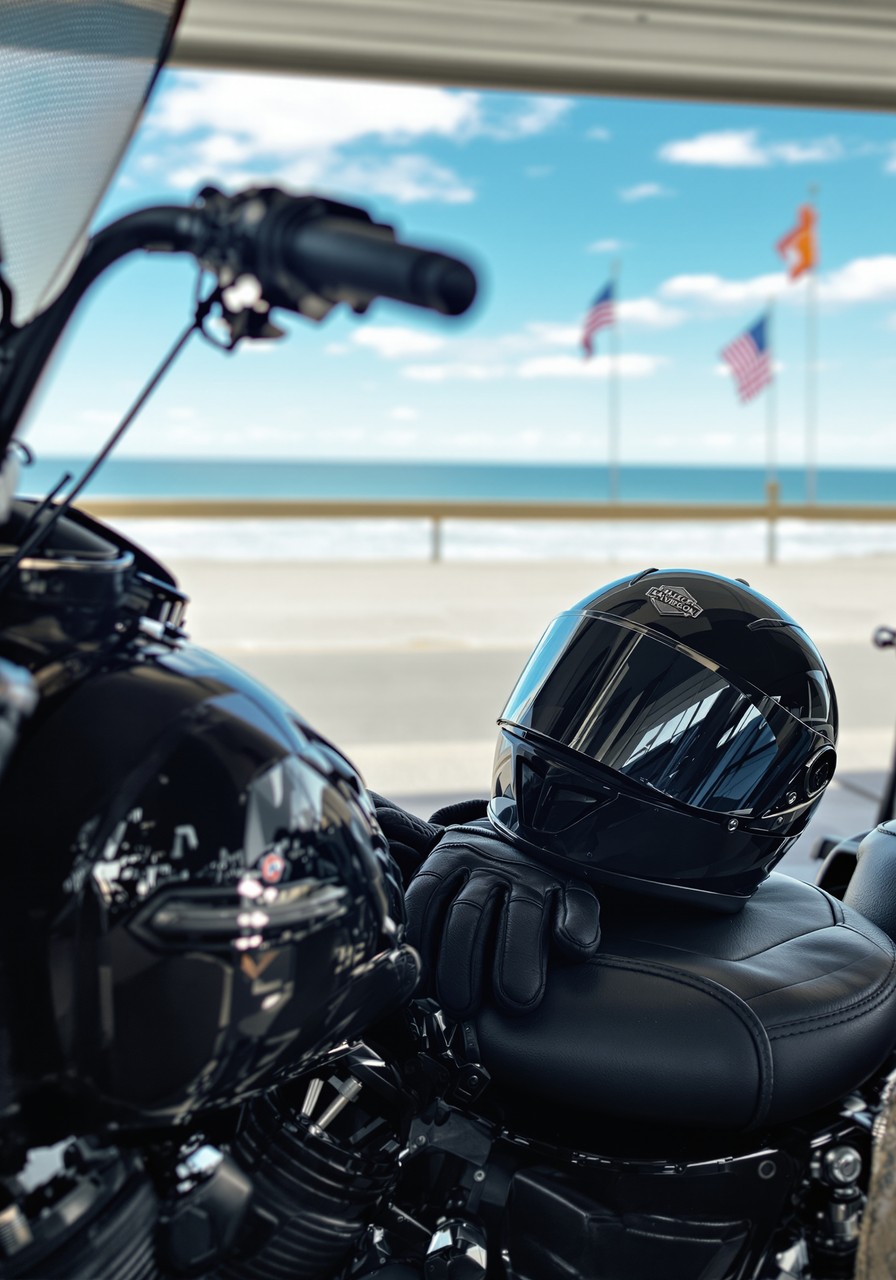
That summer sun off the ocean is blinding. A tinted or photochromic visor cuts the glare so you actually see the tourist who just stopped short in front of you. #RideNationSC #RiderTips #MyrtleBeachRiders
Safety & SC Law
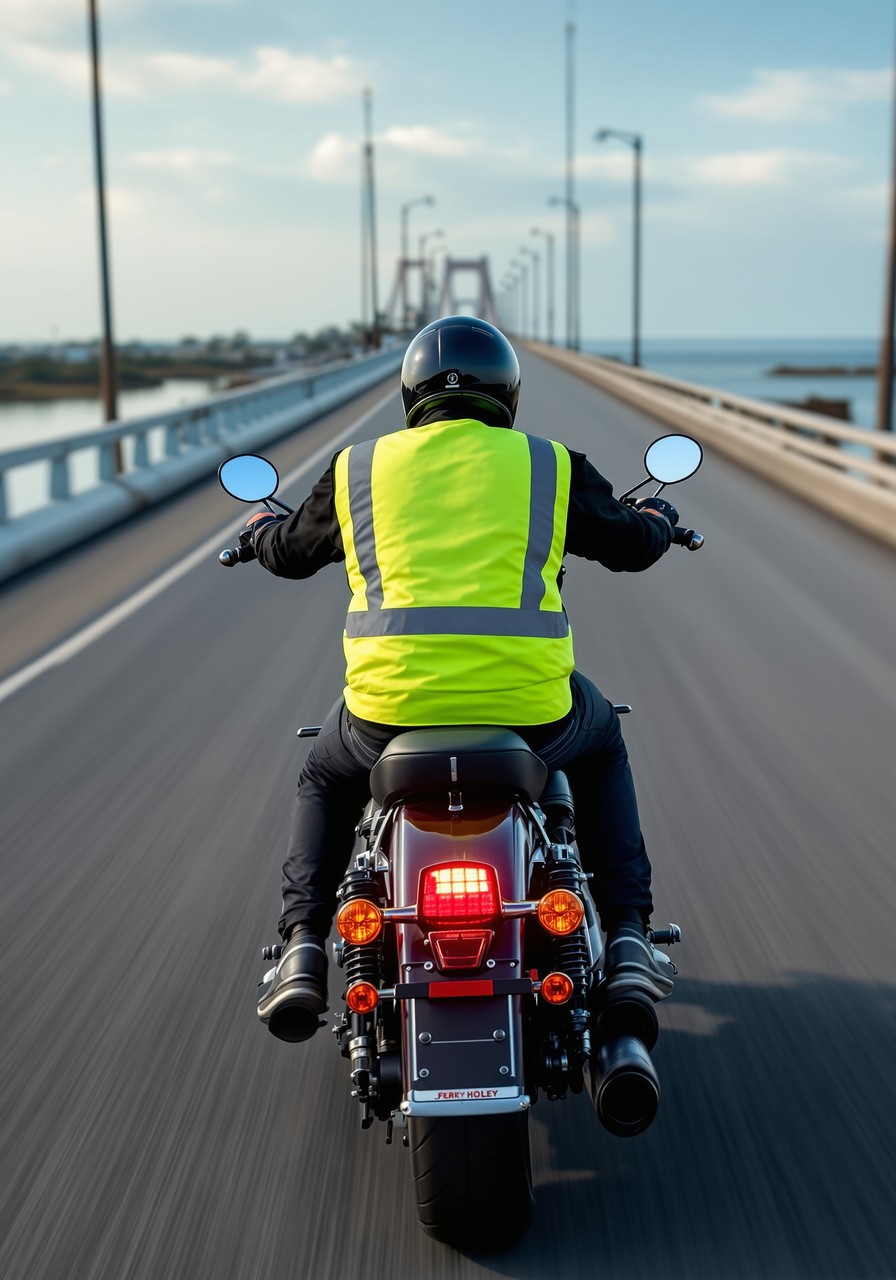
After a wreck, the other driver's story often becomes 'I never saw the motorcycle.' Witnesses and camera footage are what protect you, so grab them early. Questions? Call The Lovely Law Firm at (843) 281-7452. #RideNationSC #RiderRights #KnowYourRights
Engagement
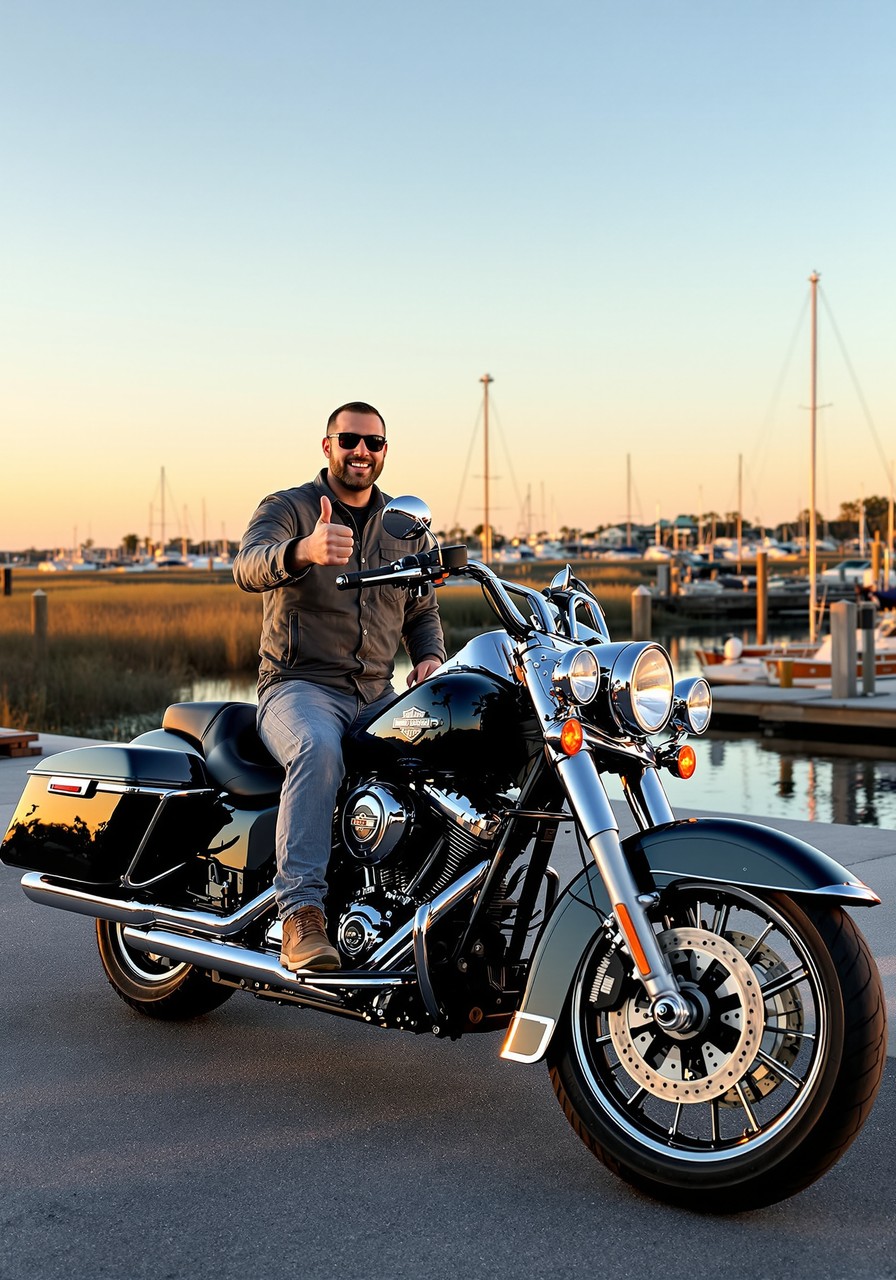
Two words to describe your last ride. Just two. Go. #RideNationSC #MyrtleBeachRiders #RideOrDie
Giveaway & Countdown
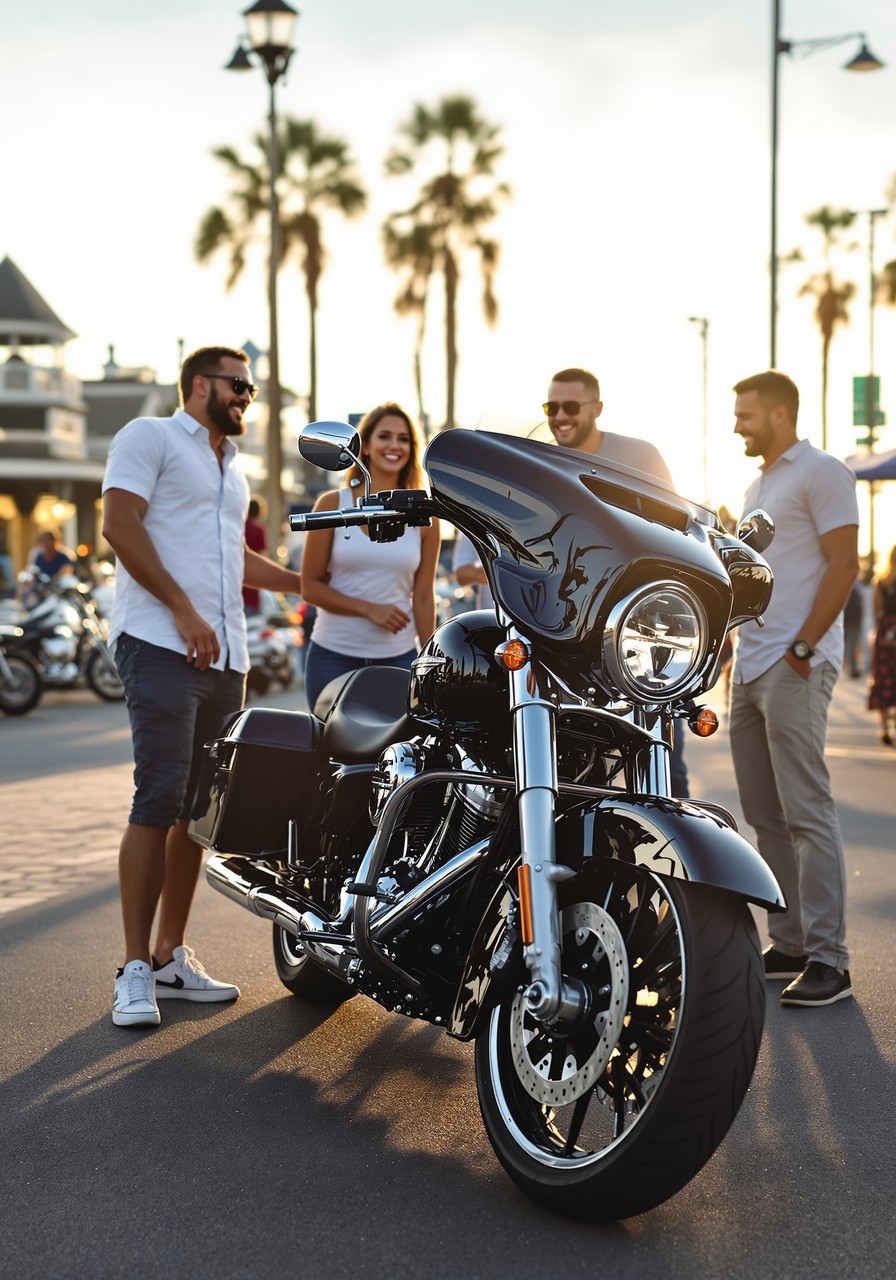
The $20,000 motorcycle giveaway is on and entry costs nothing. Ask us about your crash today. Call (843) 281-7452. #RideNationSC #MotorcycleGiveaway #GrandStrand
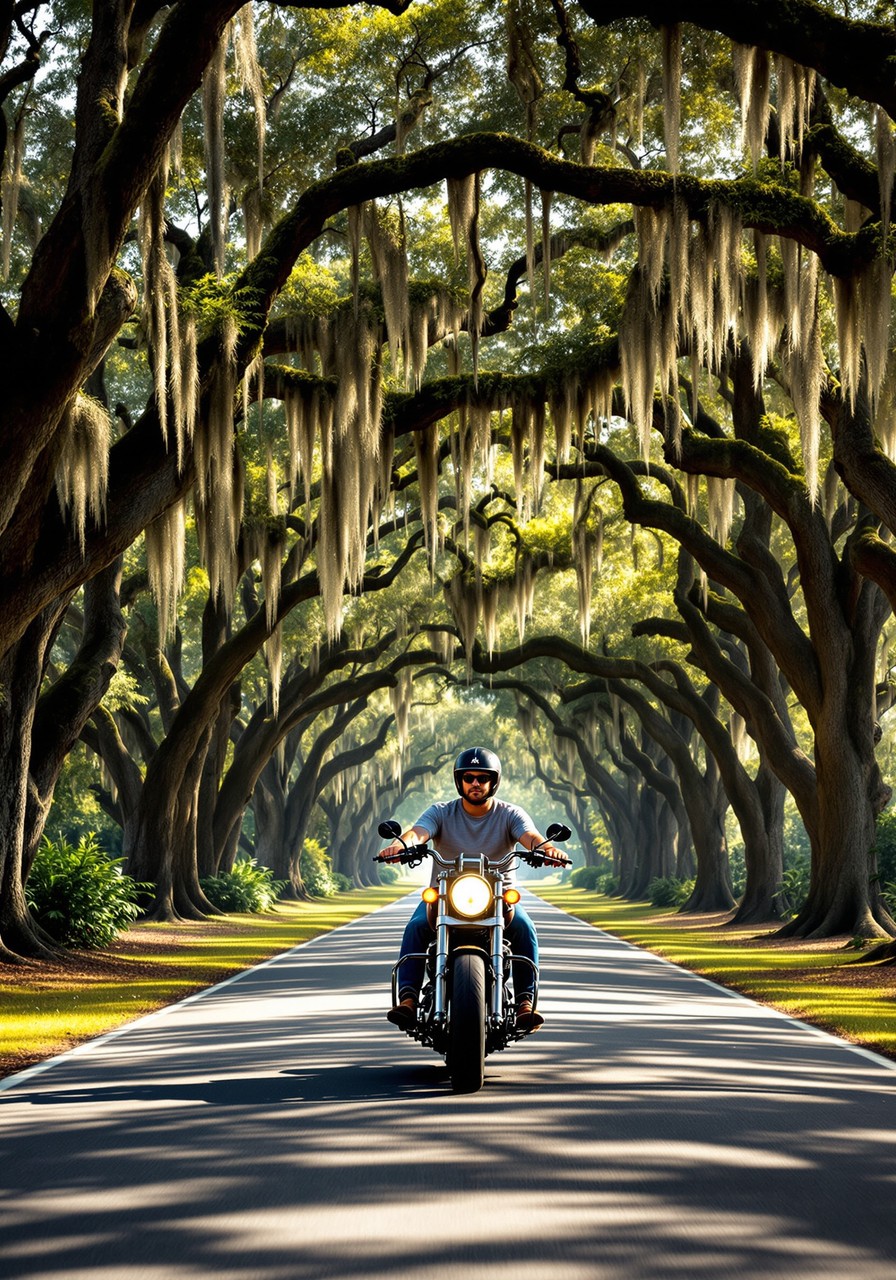
Local SC & Rides
Off-season roads are the reward for riding in December. Half the traffic, all the coastline. Bundle up and go. #RideNationSC #MyrtleBeachRiders #SouthCarolinaRiders
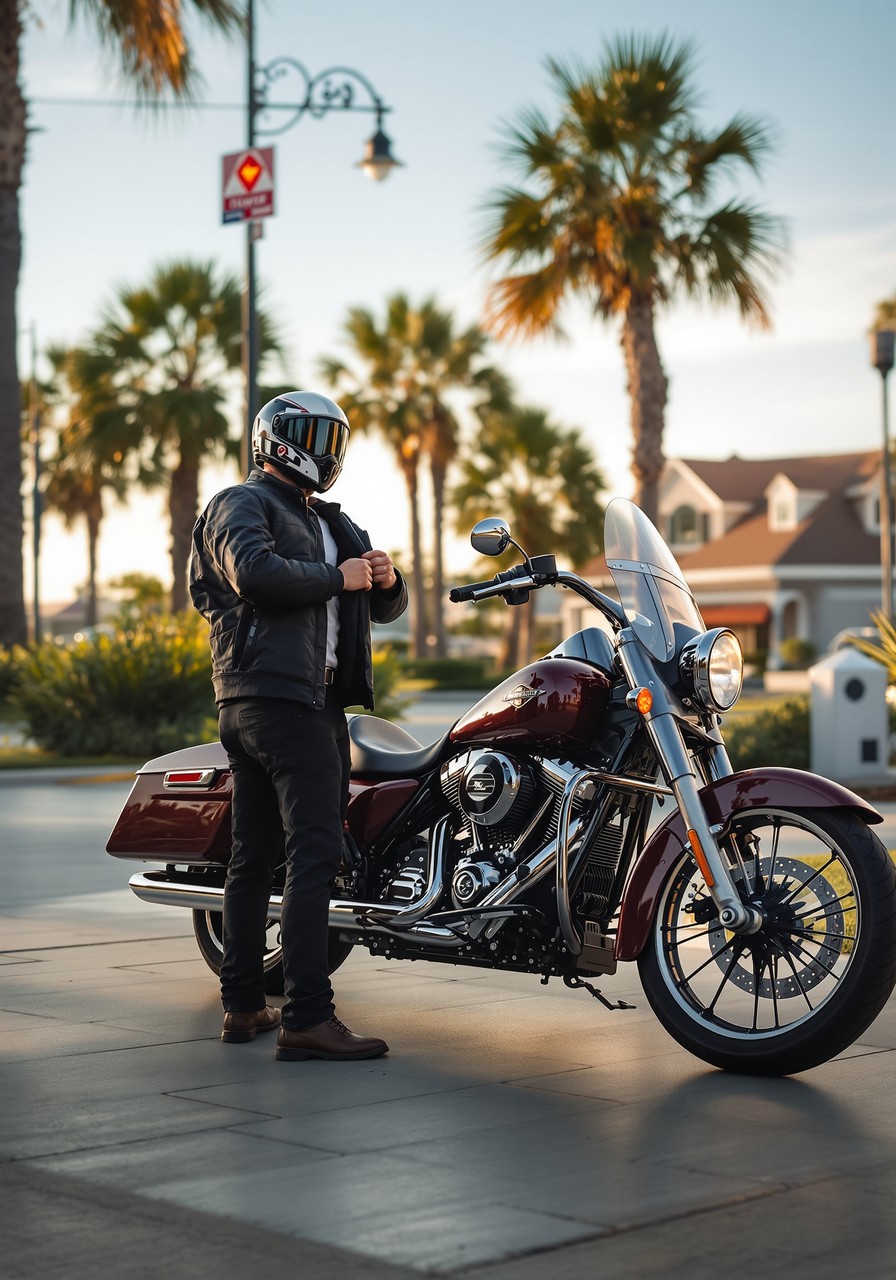
Gear & New Iron
Grand Strand traffic in season is bumper to bumper with drivers watching the beach, not you. Hi-viz gear and a bright helmet buy you a few extra seconds of being seen. #RideNationSC #GearUp #MyrtleBeachRiders
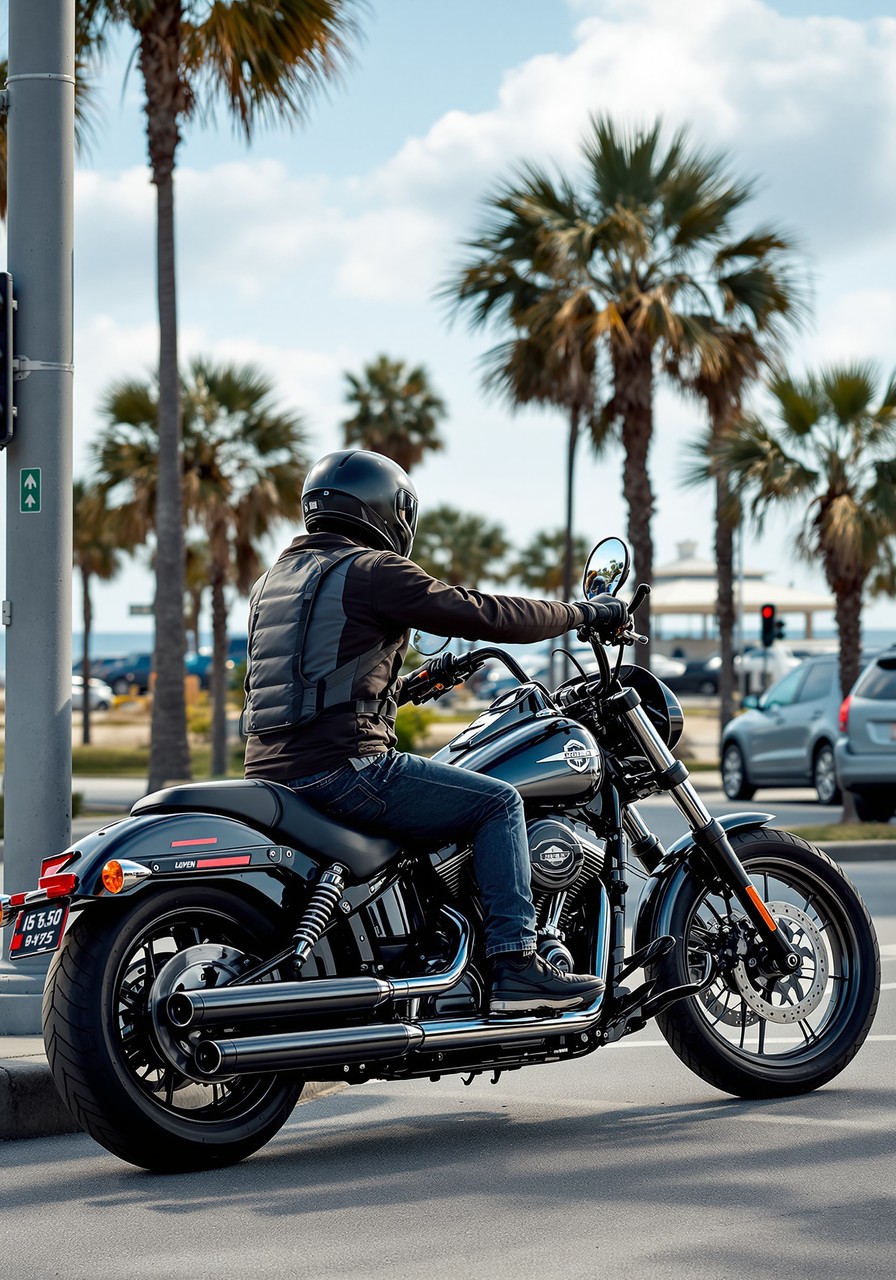
Safety & SC Law
South Carolina has no no-fault and no required PIP, so after a crash you lean on health insurance, MedPay, the at-fault driver, and your UM/UIM. Know your stack before you need it. Questions? Call The Lovely Law Firm at (843) 281-7452. #RideNationSC #KnowYourRights #SouthCarolinaRiders
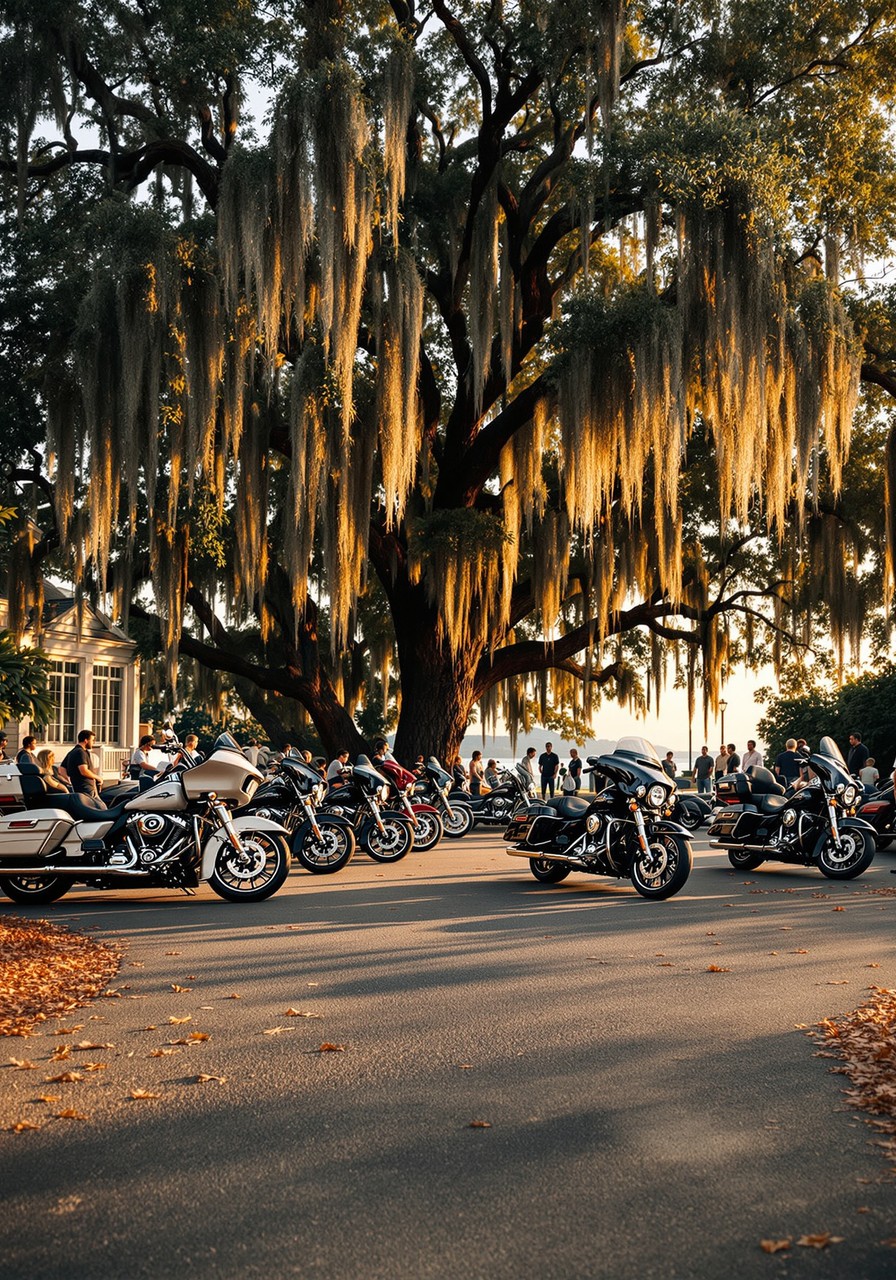
Engagement
Caption this: an empty US-17 at 7am in January, nothing but you and the road. #RideNationSC #GrandStrand #TwoWheels
Giveaway & Countdown
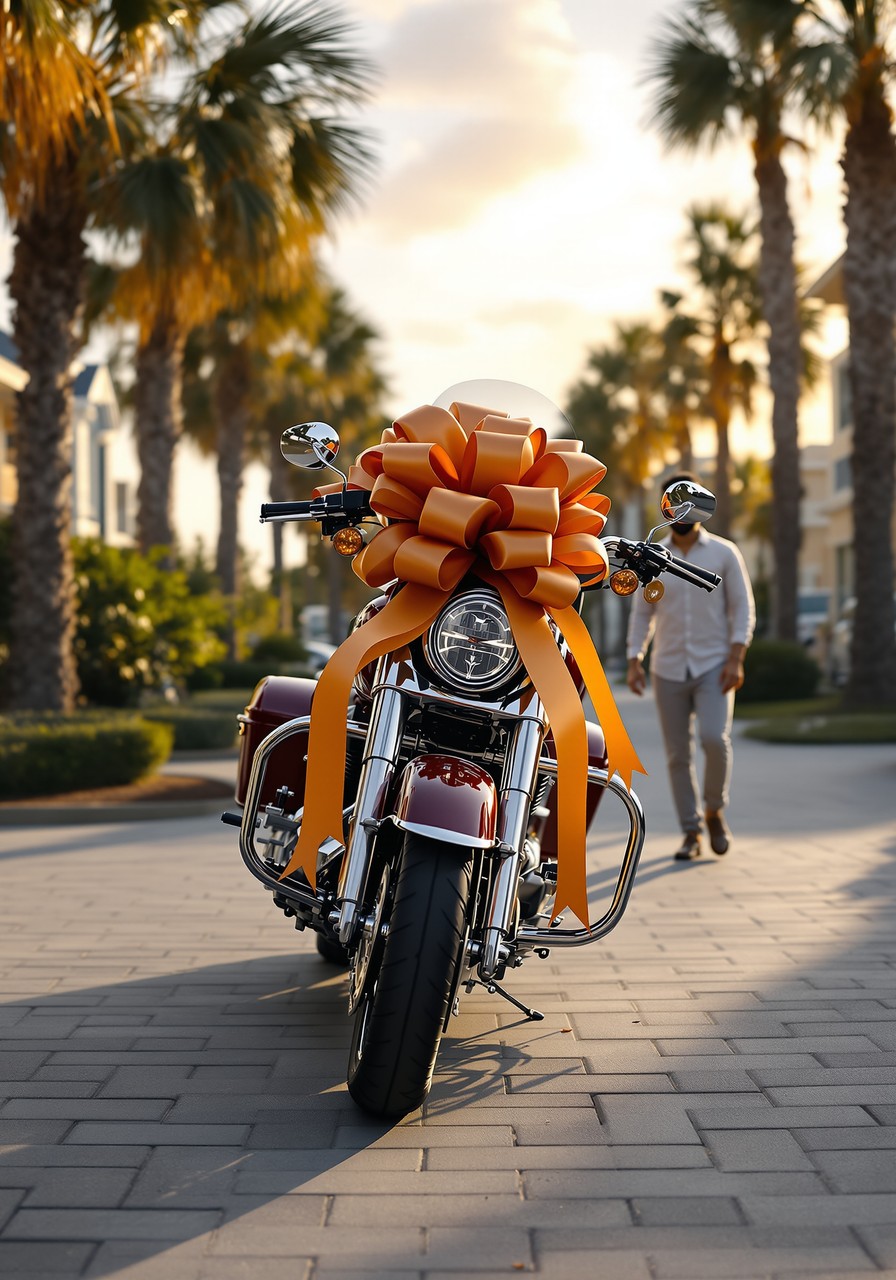
Myrtle Beach riders, your free case review doubles as your giveaway entry. Reach The Lovely Law Firm at (843) 281-7452. #RideNationSC #BikersWin #20kGiveaway
Local SC & Rides
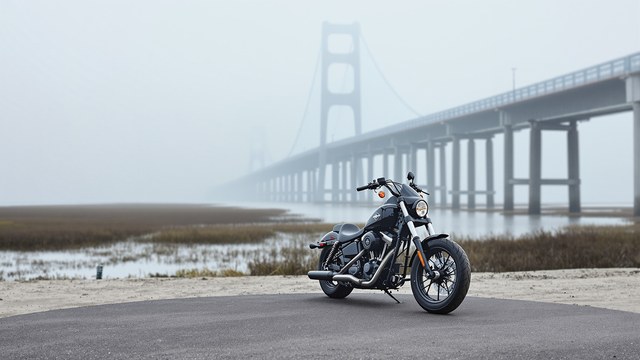
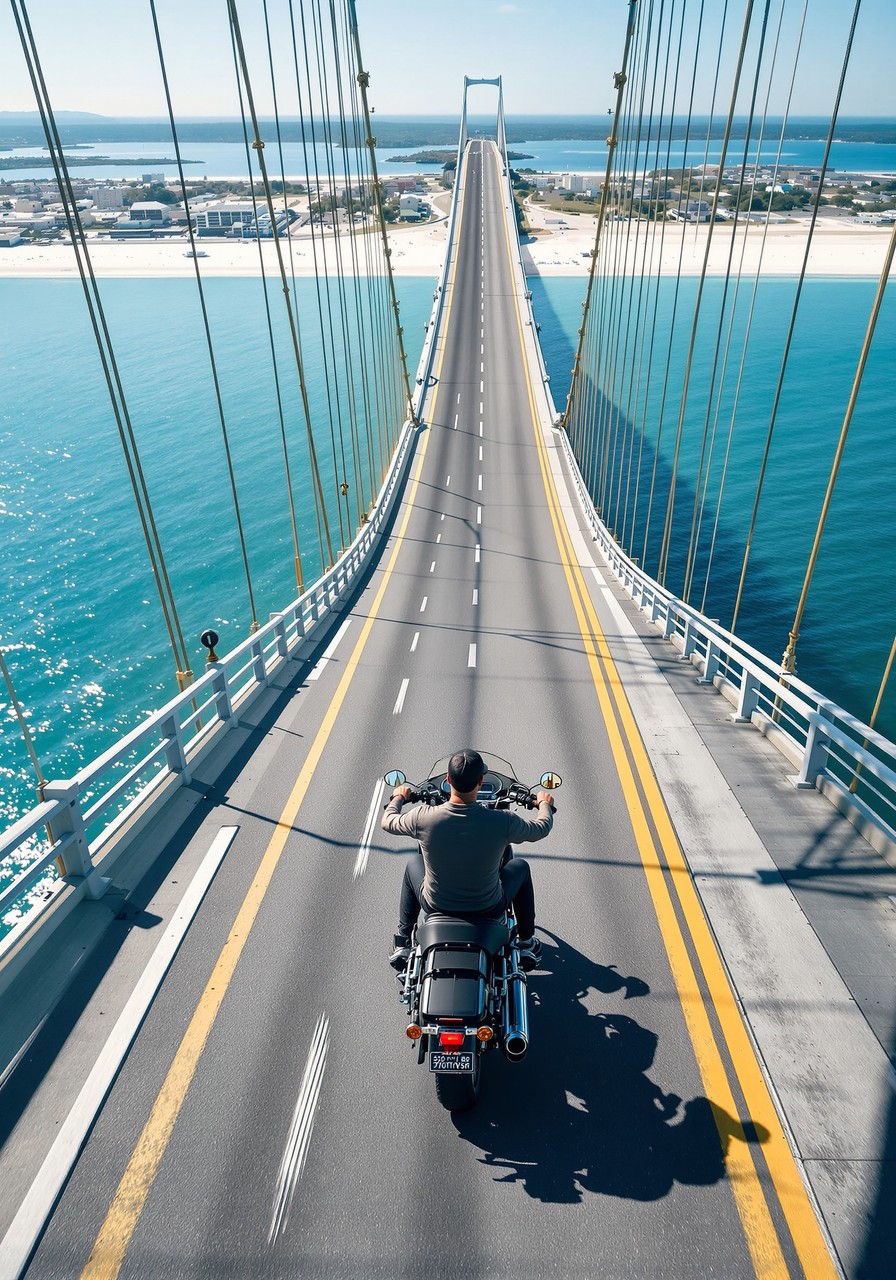
Coastal fog rolls in fast over the Intracoastal bridges this time of year. If you cannot see the far rail, slow down and add space. #RideNationSC #GrandStrand #MotorcycleRoads
Gear & New Iron
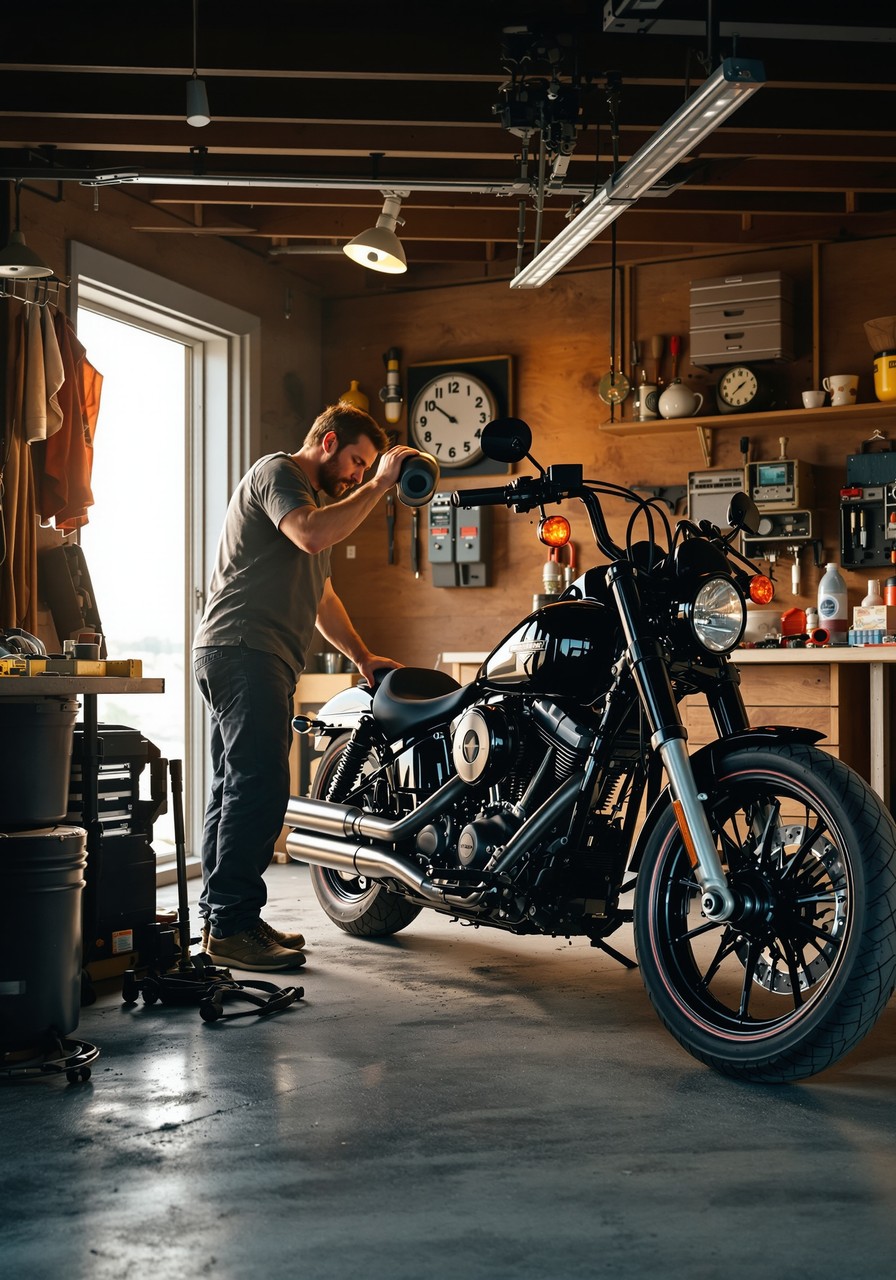
ATGATT is not a slogan, it is a habit. All the gear, all the time, even on the two-mile run to the shop. Most crashes happen close to home. #RideNationSC #ATGATT #RiderTips
Safety & SC Law
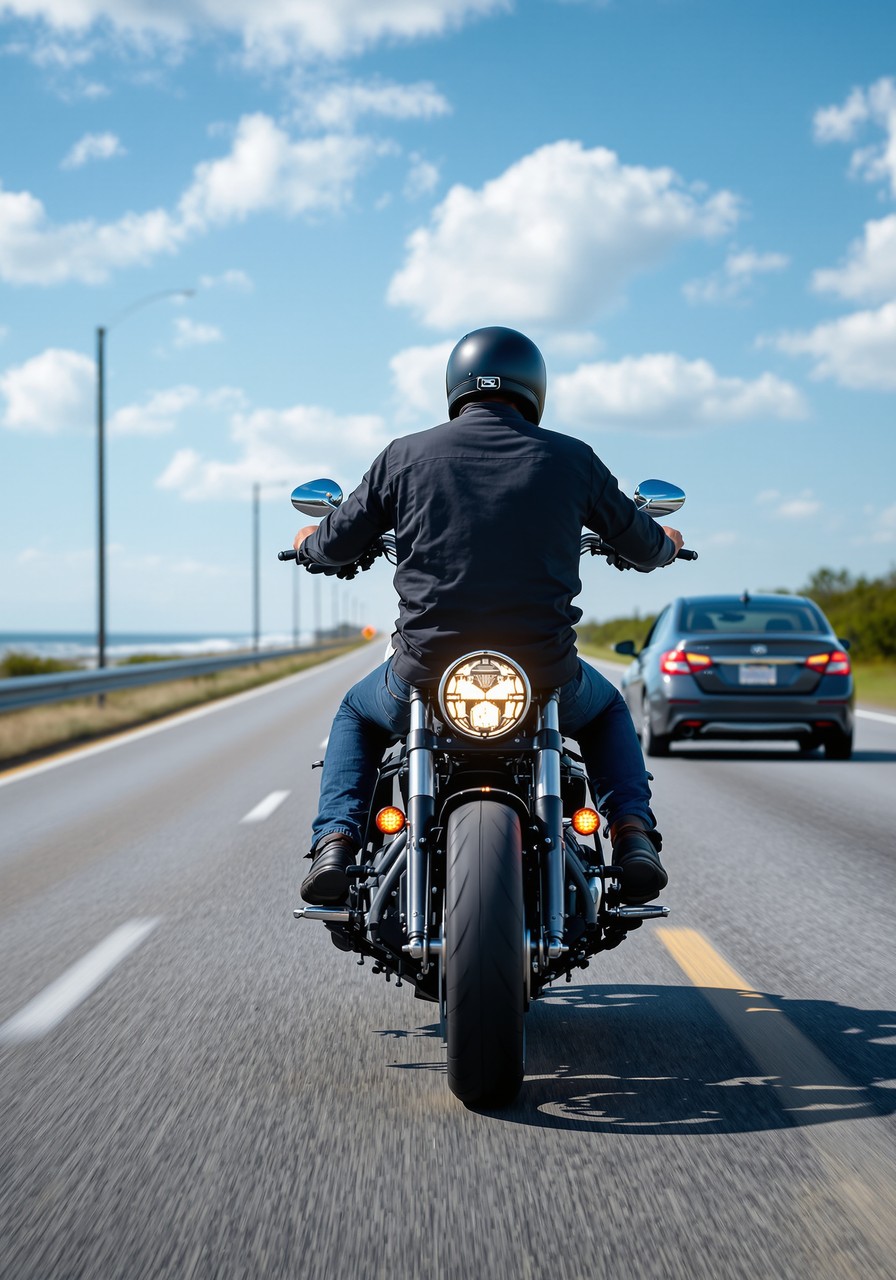
Rally season packs the Grand Strand with cars, campers, and distracted drivers. Ride your own pace, leave an escape lane, and never assume the gap will still be there. #RideNationSC #MotorcycleSafety #MyrtleBeachRiders
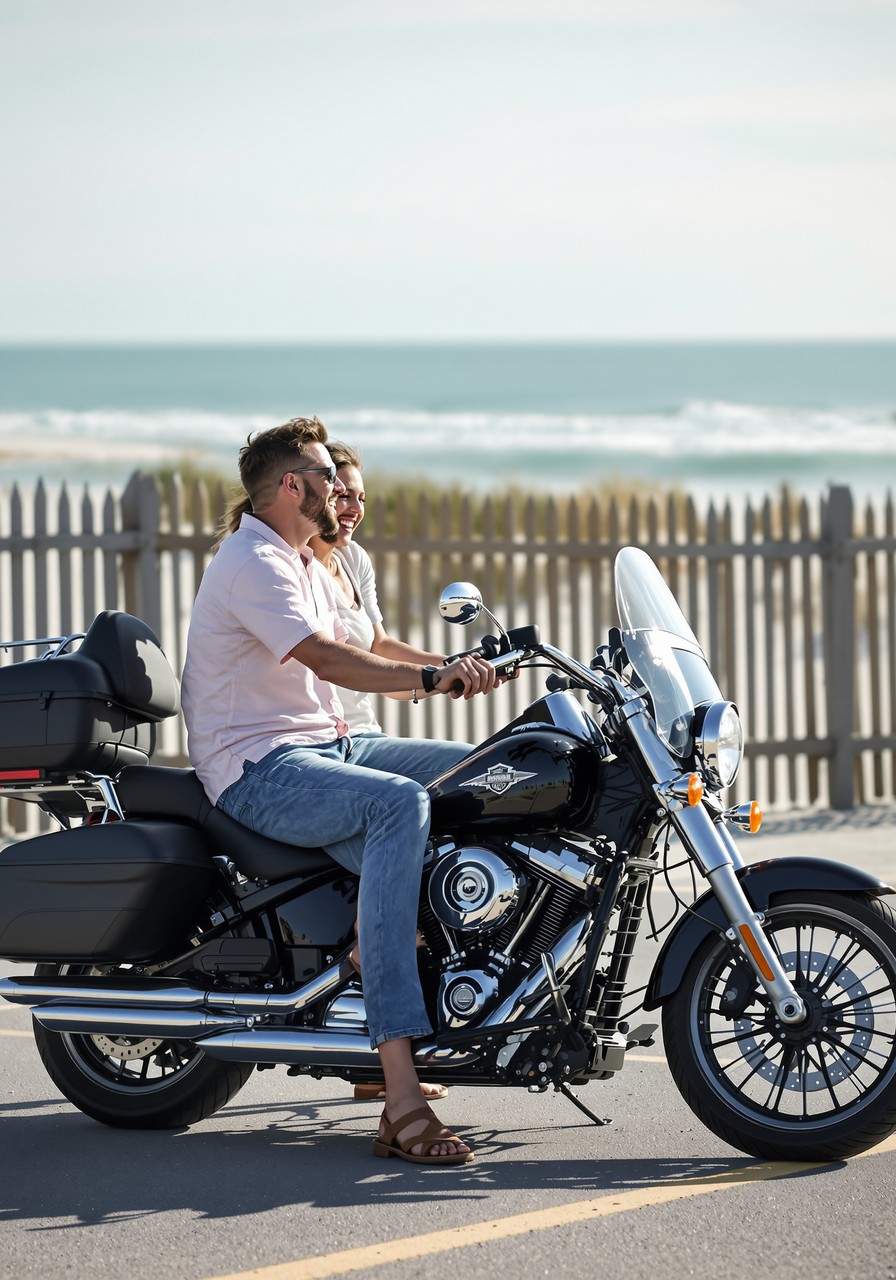
Engagement
Poll: best coastal winter riding month. December, January, or February. Cast your vote. #RideNationSC #MyrtleBeachRiders #SouthCarolinaRiders
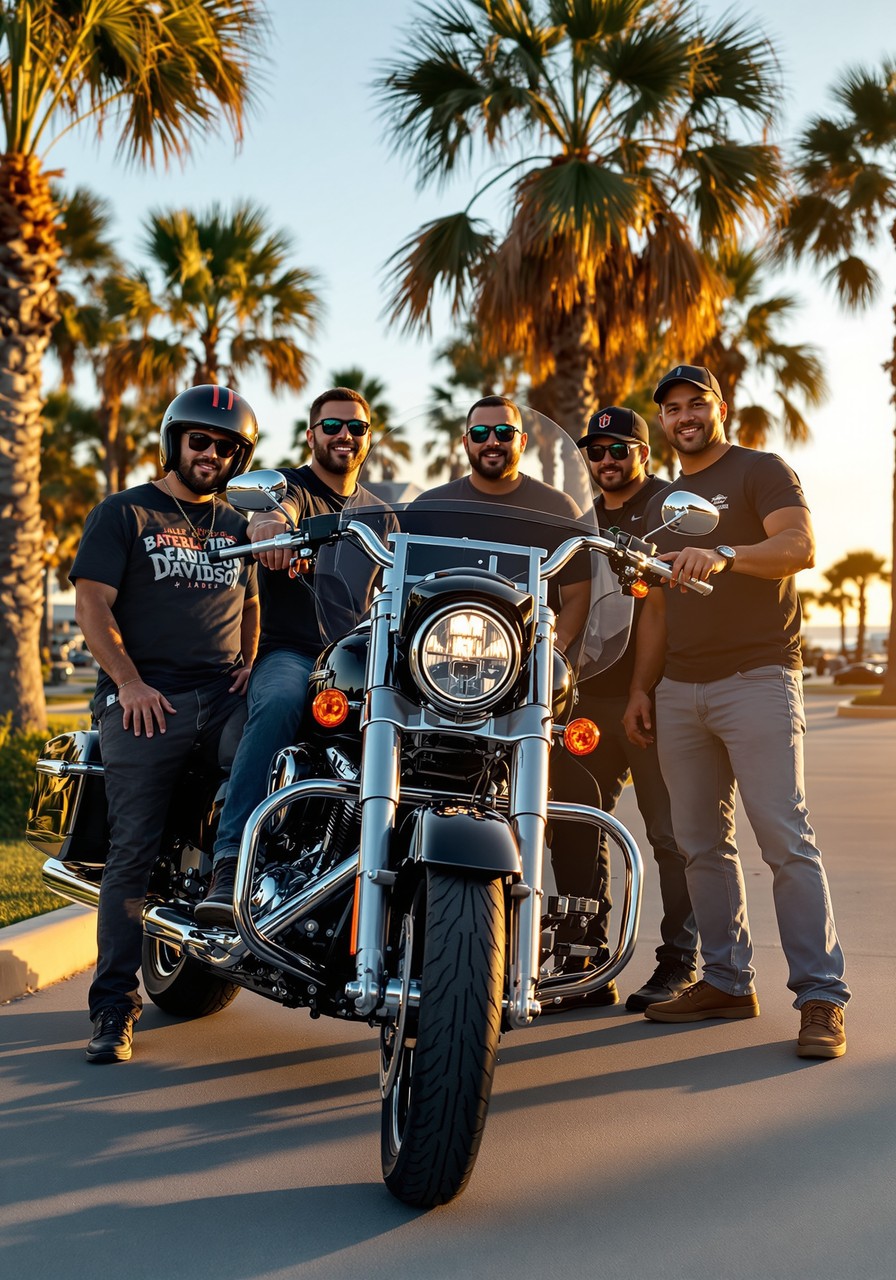
Giveaway & Countdown
Twenty thousand reasons to make one call. Talk to us about your claim and you are entered, free. (843) 281-7452. #RideNationSC #MotorcycleGiveaway #MyrtleBeachRiders
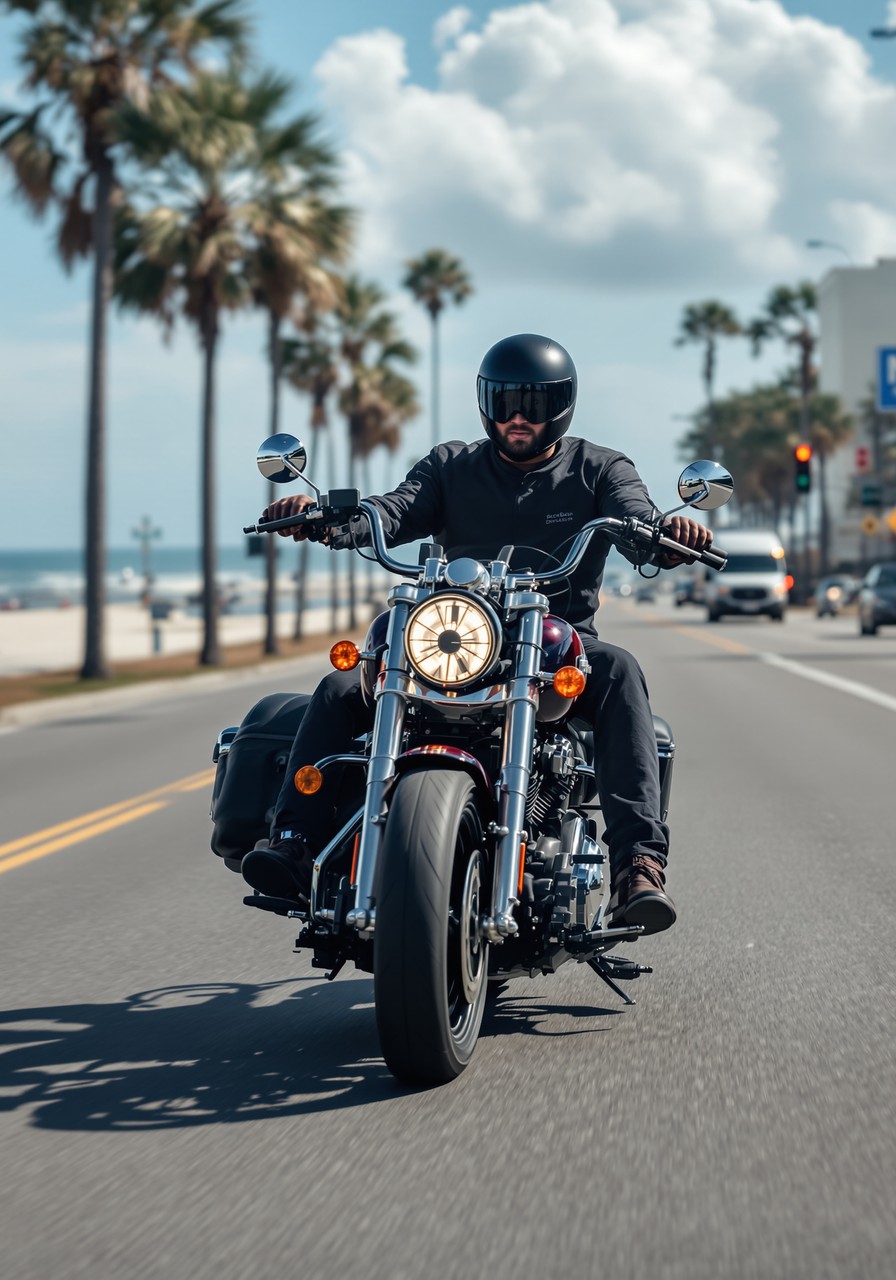
Local SC & Rides
The 17 Bypass moves fast and stops faster when the malls fill up. Keep a cushion, tourists brake without warning. #RideNationSC #MyrtleBeachRiders #GrandStrand
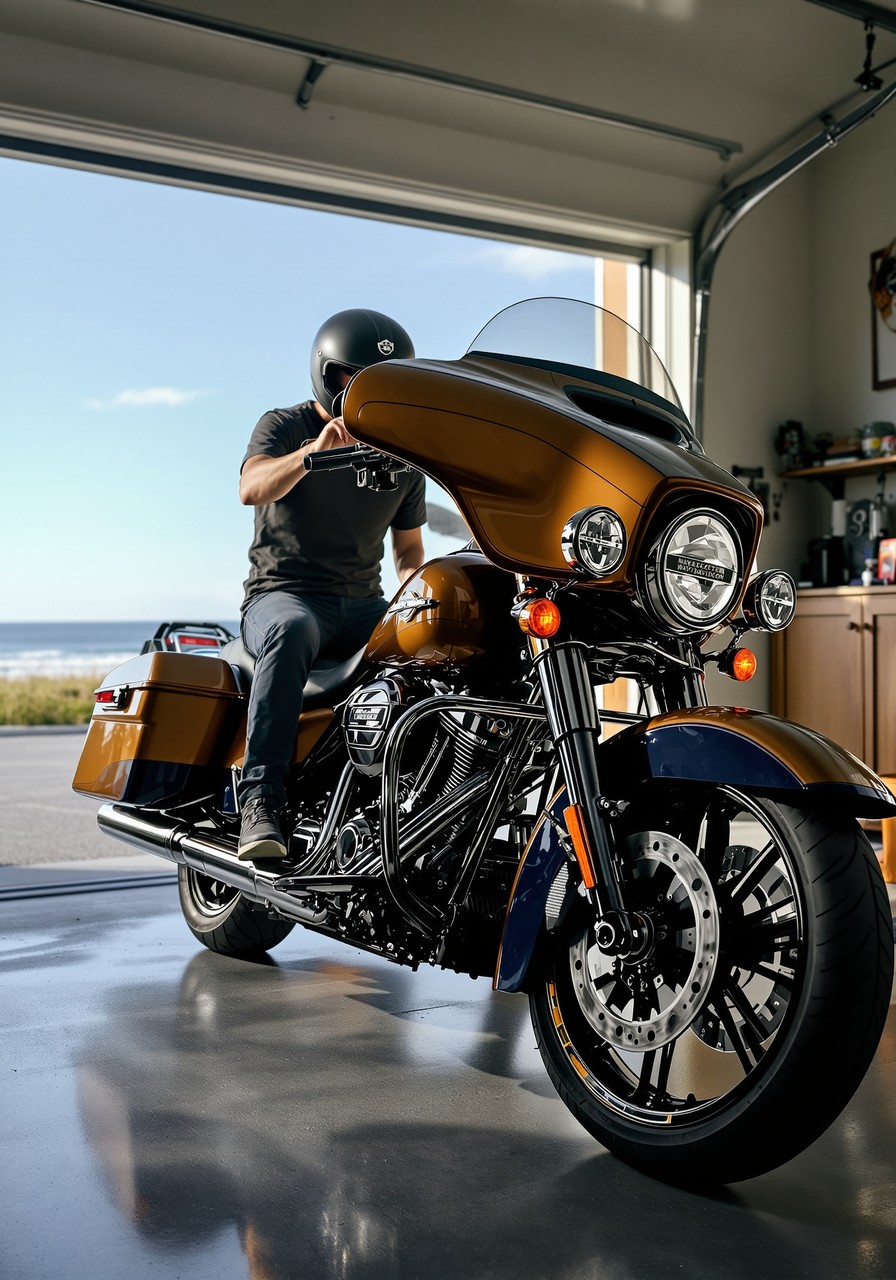
Gear & New Iron
Sneakers give up the second your foot hits pavement. Over-the-ankle riding boots protect the bones that take the hit and keep your foot on the peg. #RideNationSC #ATGATT #GearUp
Safety & SC Law
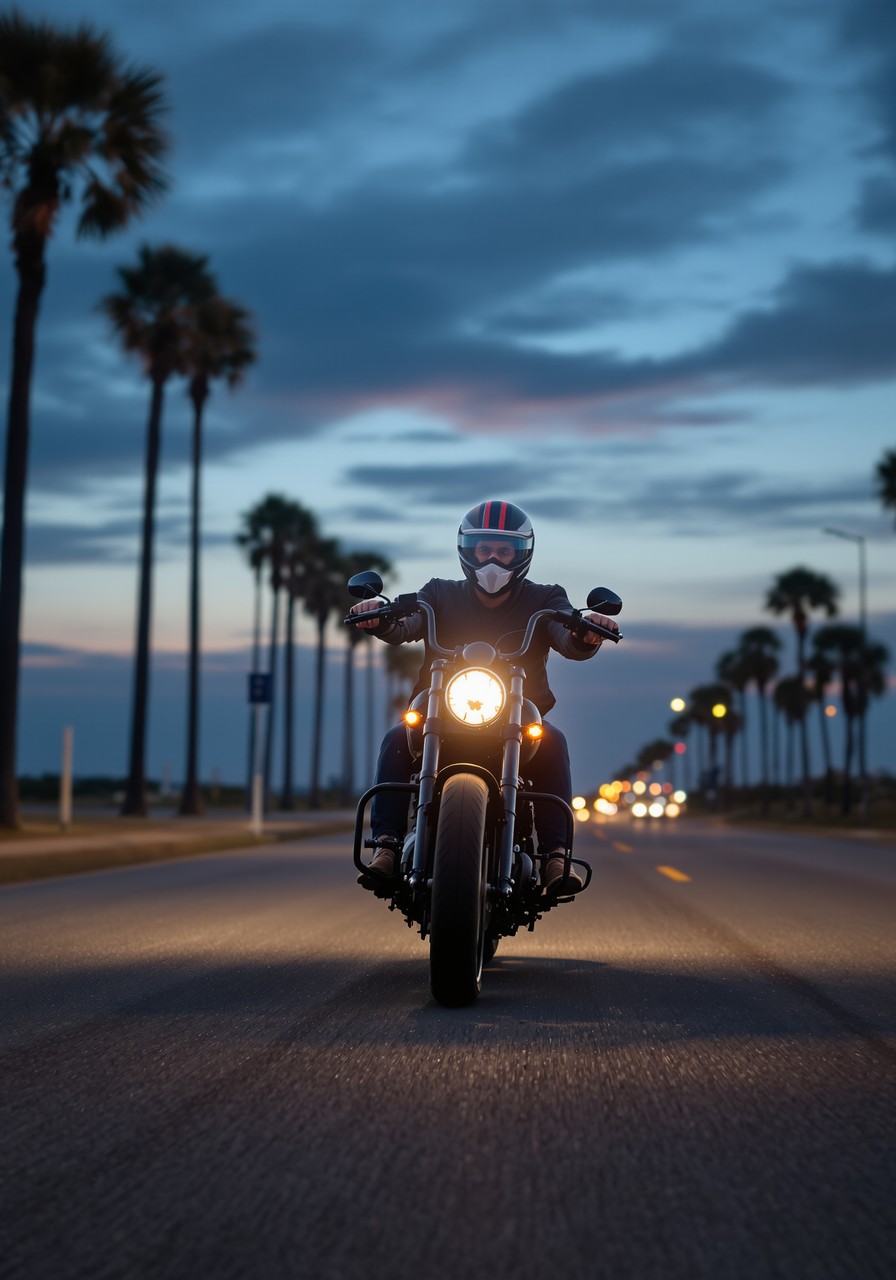
If a driver blames you for 'coming out of nowhere,' that is the 51 percent bar at work. In SC, extra fault pinned on you means less money in your pocket. Push back with The Lovely Law Firm at (843) 281-7452. #RideNationSC #RiderRights #KnowYourRights
Engagement
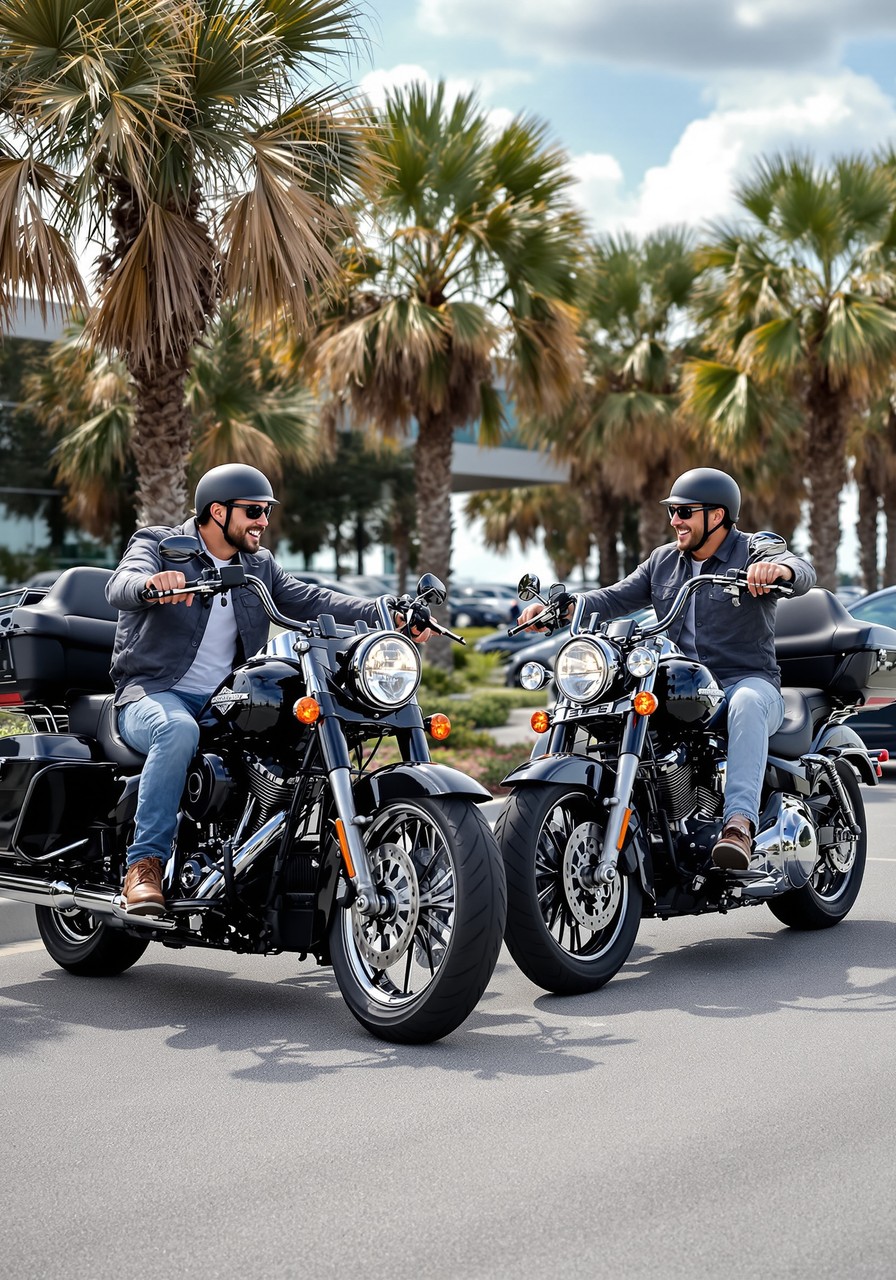
Tag the friend you always end up at the MarshWalk with after a ride. They know who they are. #RideNationSC #MurrellsInlet #RideOrDie
Giveaway & Countdown
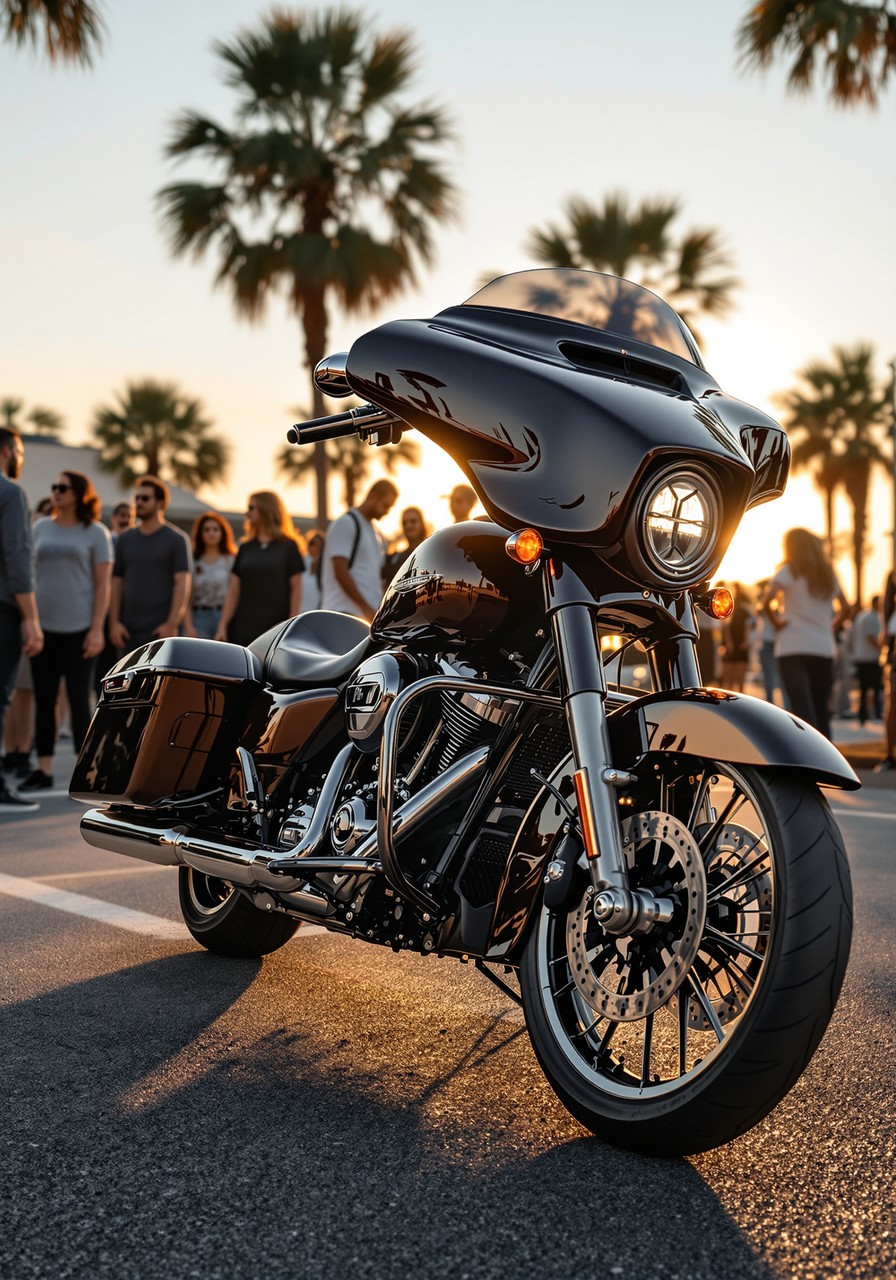
Banged up after a crash? A free chat with us gets you entered for $20,000. Call (843) 281-7452. #RideNationSC #BikersWin #SouthCarolinaRiders
Local SC & Rides
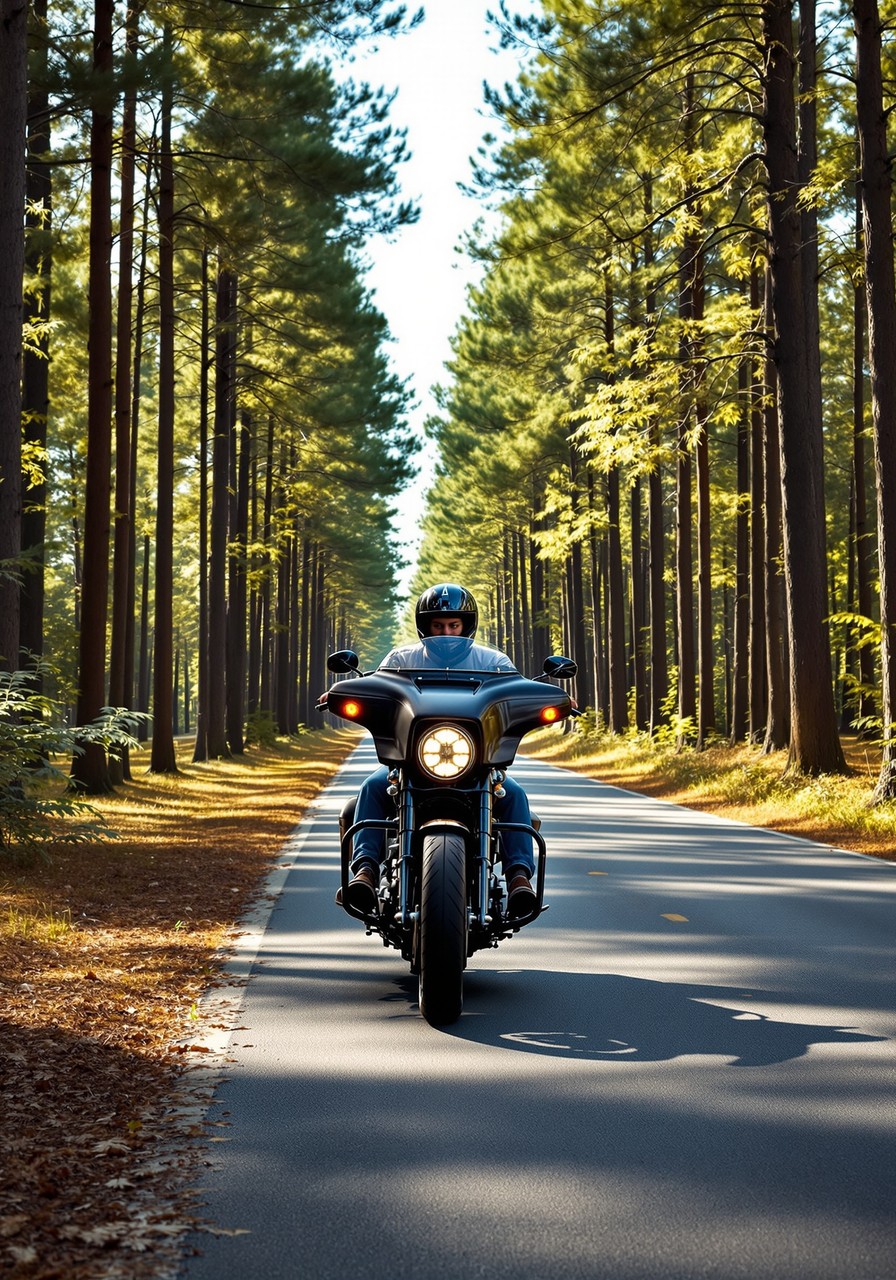
Murrells Inlet on a warm winter afternoon: park along the MarshWalk, watch the boats, ride home in the golden hour. #RideNationSC #MurrellsInlet #LowcountryRiding
Gear & New Iron
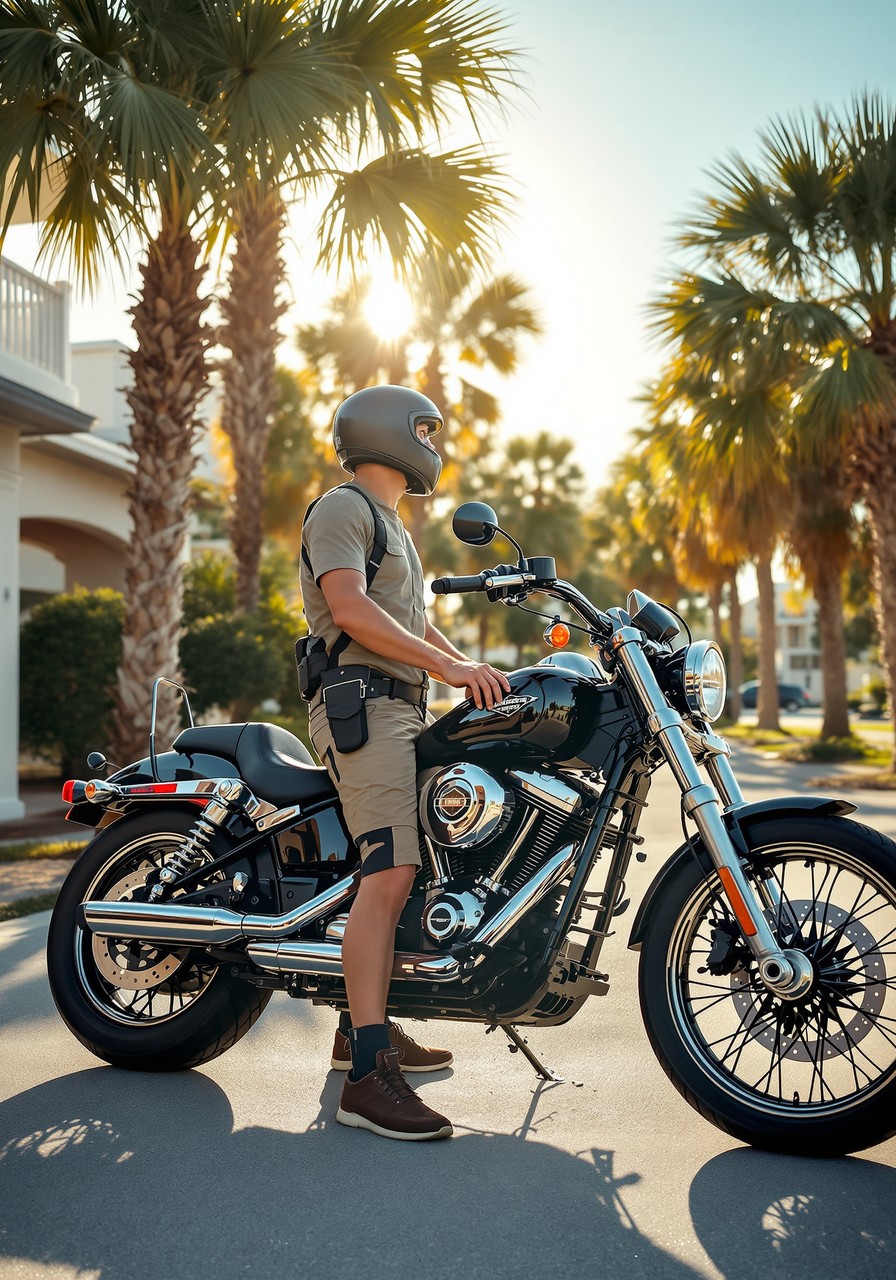
Coastal salt does not sleep. Wipe the bike down after humid rides and hit the bare metal and connectors with a light protectant to slow the corrosion. #RideNationSC #SaltAir #MotorcycleMaintenance
Safety & SC Law
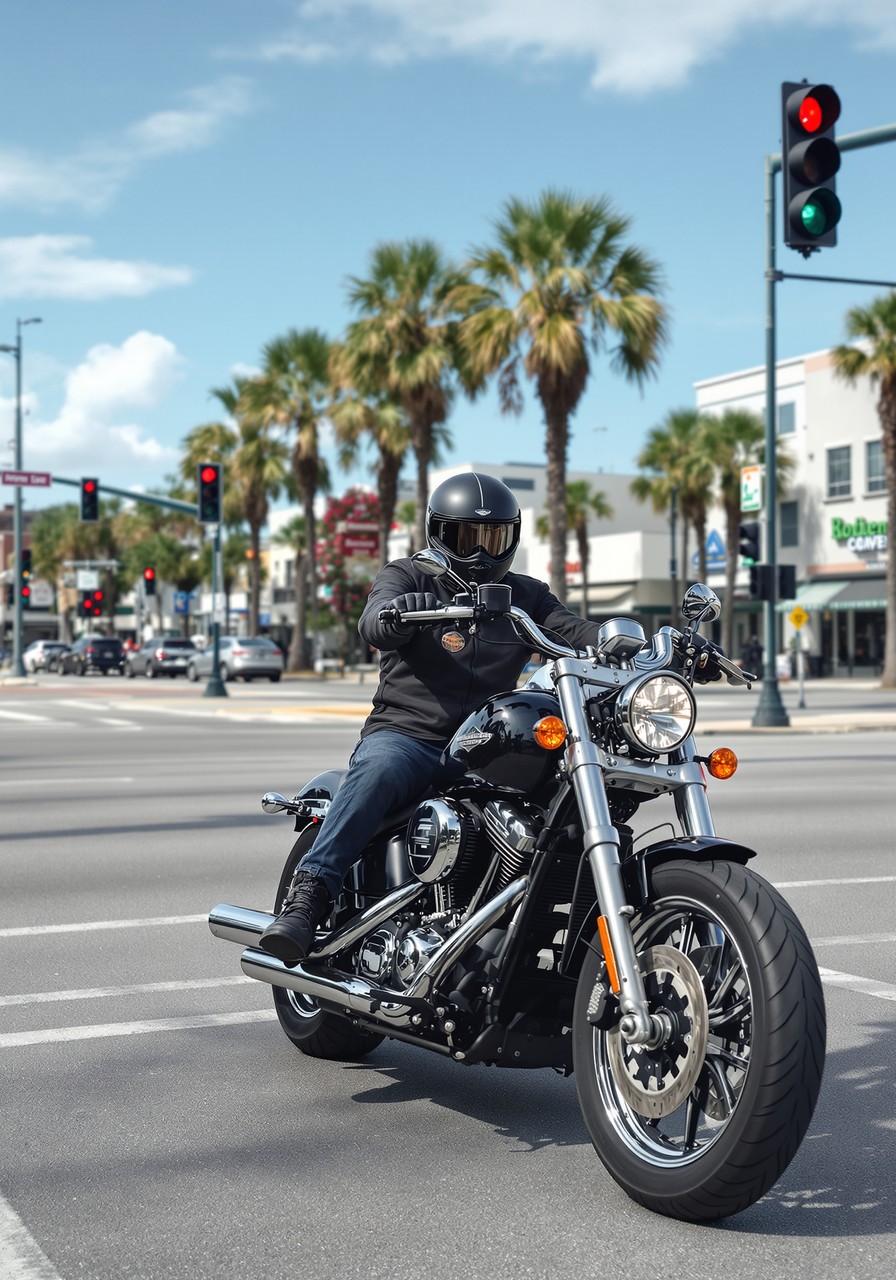
A dash cam or helmet cam is cheap insurance for a rider. On the Strand, footage is often the difference between your word and a tourist's story. #RideNationSC #MotorcycleSafety #RiderRights
Engagement
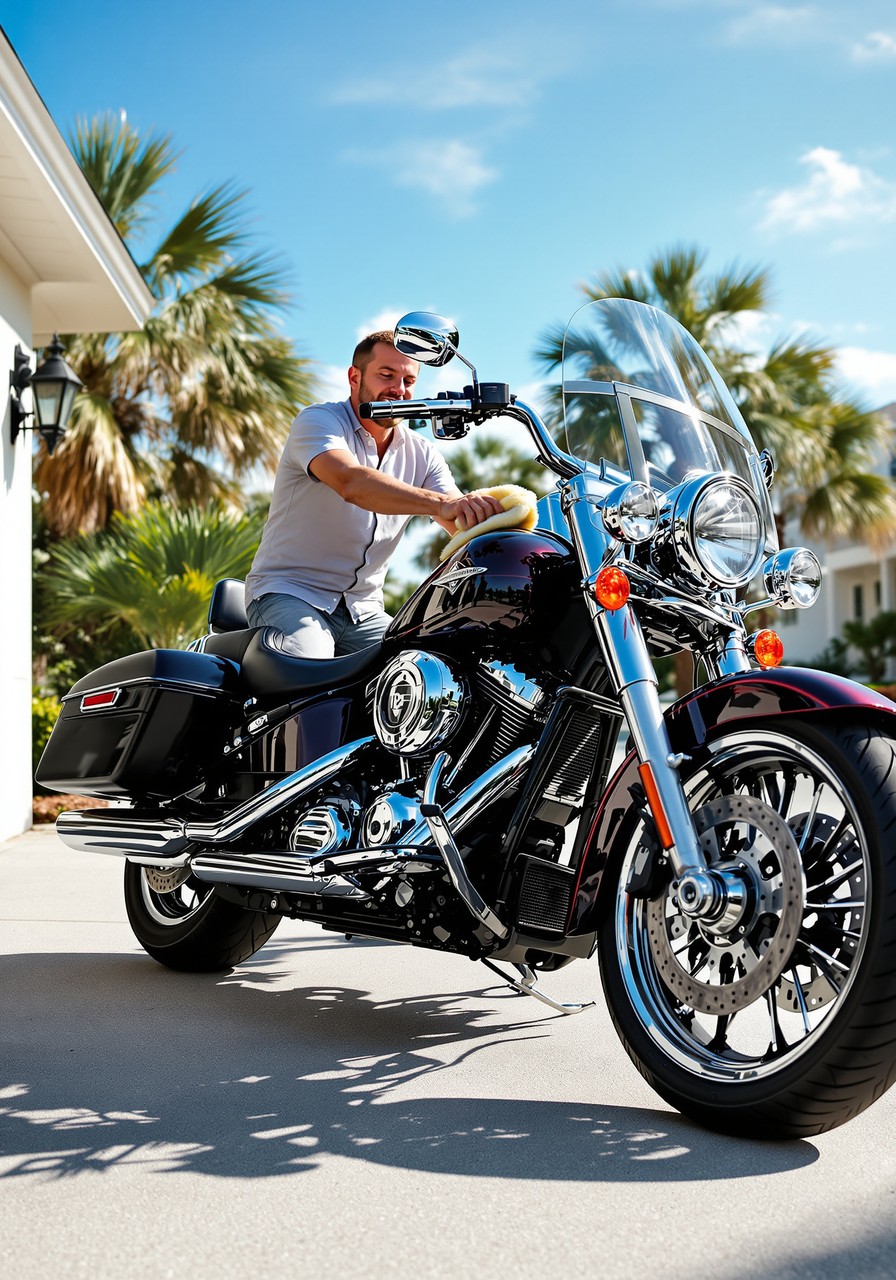
Real talk: how many layers is too many layers on a 55 degree Grand Strand morning. Give us your number. #RideNationSC #MyrtleBeachRiders #TwoWheels
Giveaway & Countdown
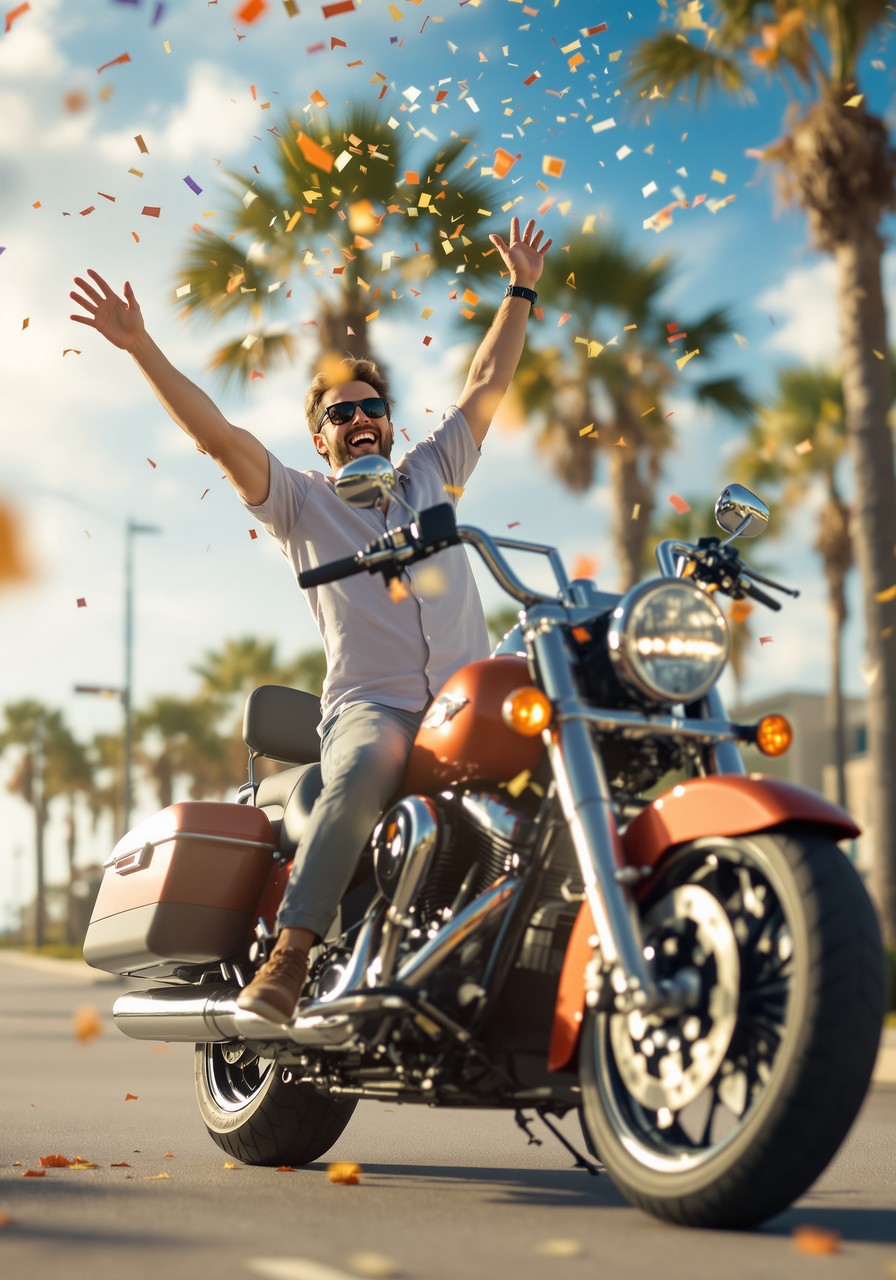
The BikersWin giveaway keeps rolling. Every crash conversation is a free entry. Ring us at (843) 281-7452. #RideNationSC #20kGiveaway #GrandStrand
Local SC & Rides
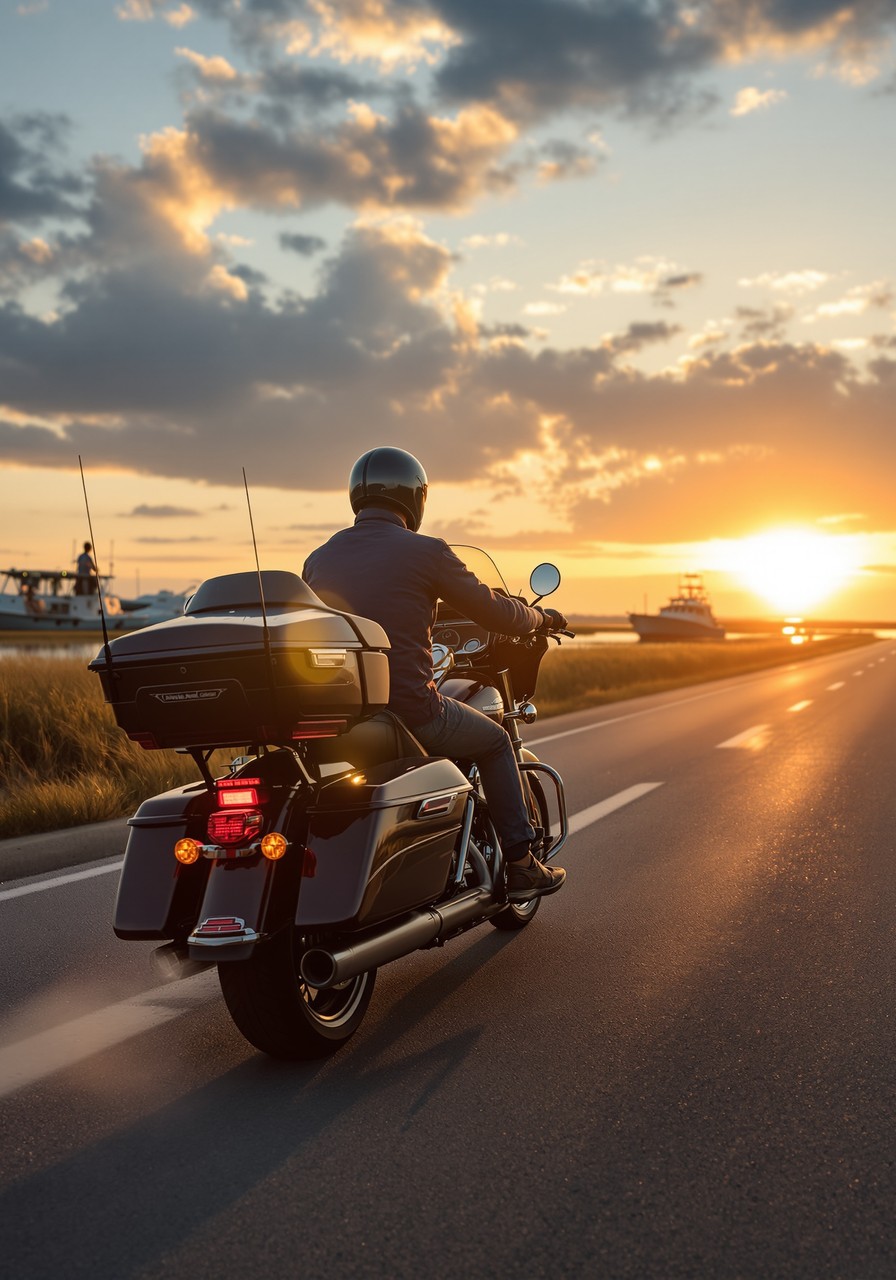
SC-22, the Conway Bypass, is your quick clean link when you want miles without the stoplights. Smooth and open most of the year. #RideNationSC #MotorcycleRoads #SouthCarolinaRiders
Gear & New Iron
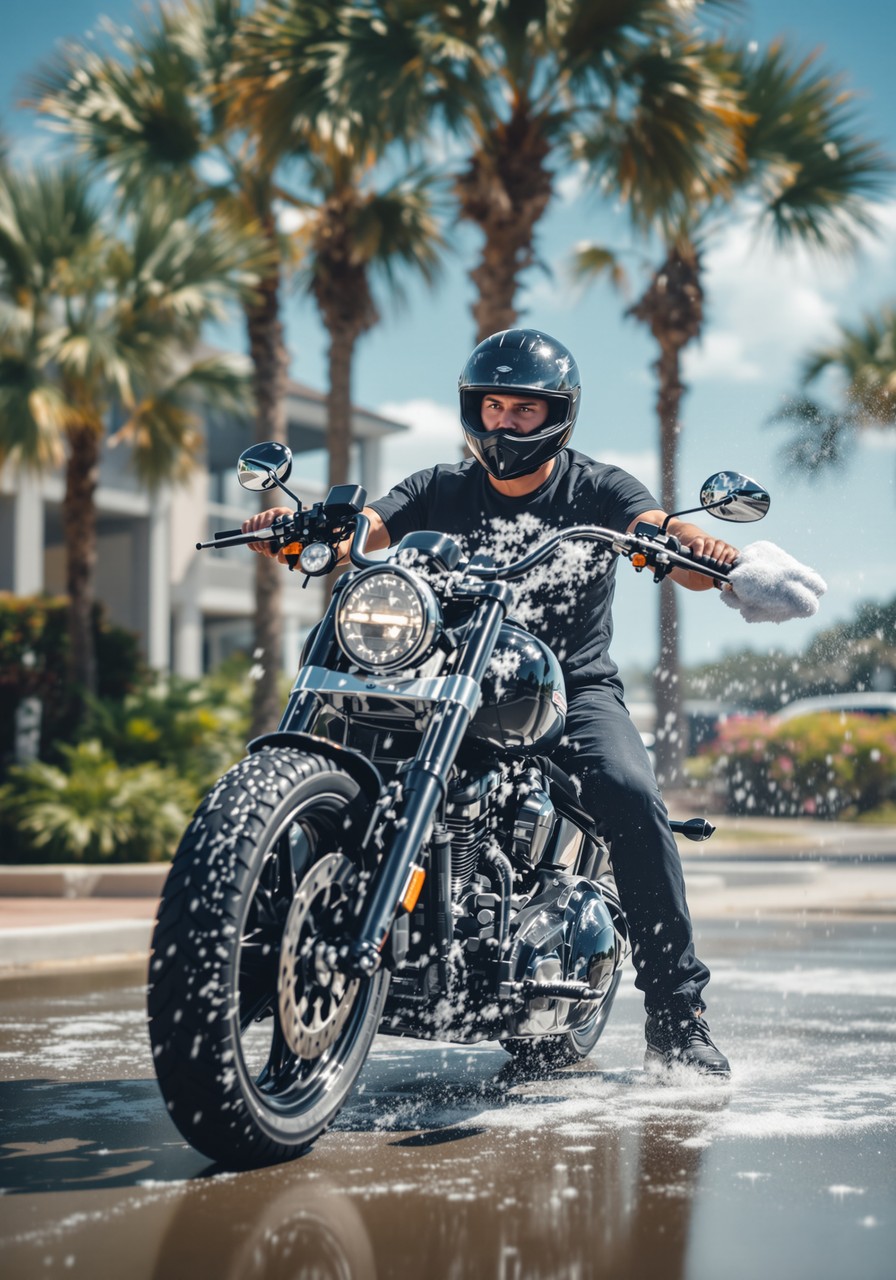
Dielectric grease on your electrical connectors is cheap insurance against Grand Strand humidity. It seals out moisture and keeps corrosion from killing your wiring. #RideNationSC #MotorcycleMaintenance #SaltAir
Safety & SC Law
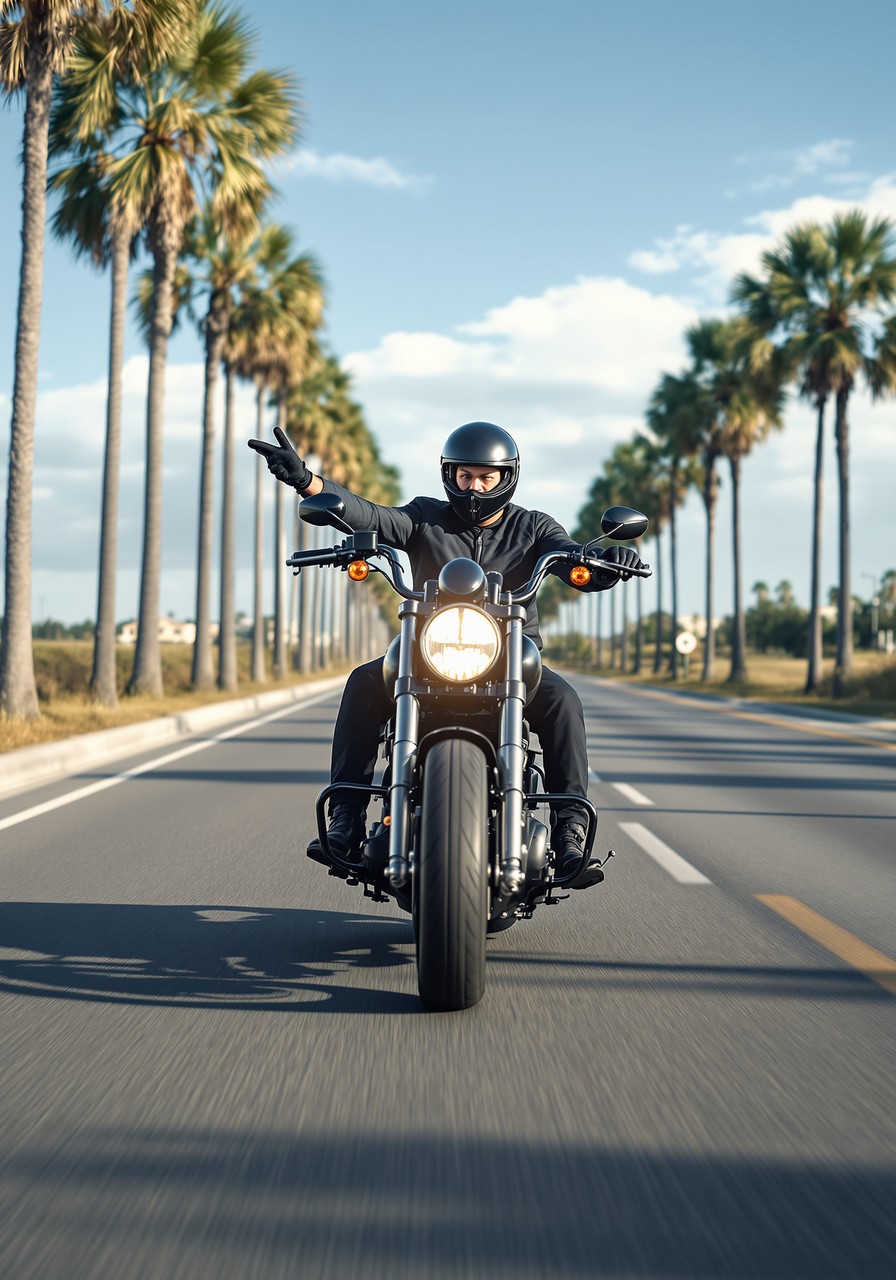
See and be seen is not a slogan on Ocean Boulevard, it is survival. Bright gear, active lane position, and a headlight modulator all buy you time. #RideNationSC #ATGATT #GrandStrand
Engagement
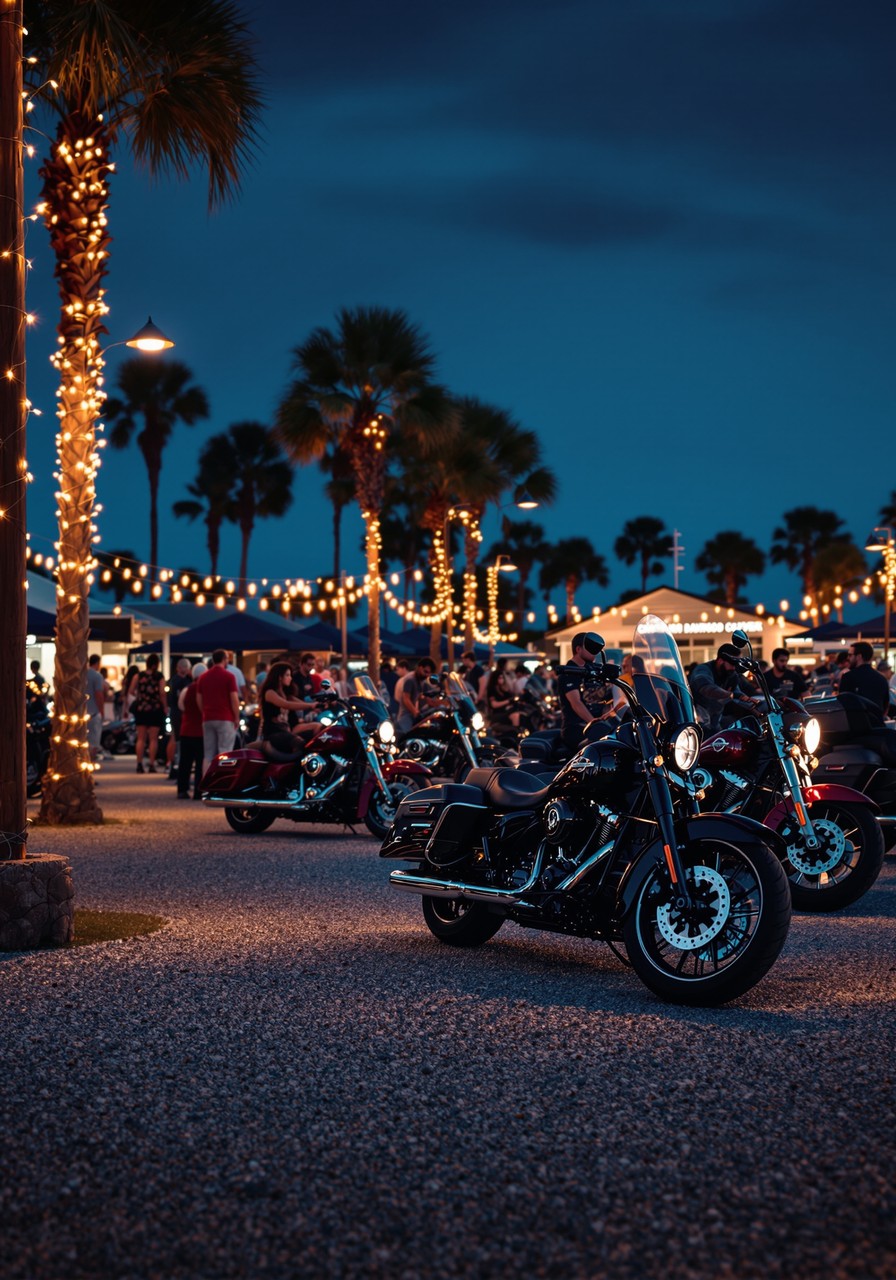
This or that: cruiser or sport bike for the coastal roads down here. Defend your pick. #RideNationSC #SouthCarolinaRiders #TwoWheels
Giveaway & Countdown
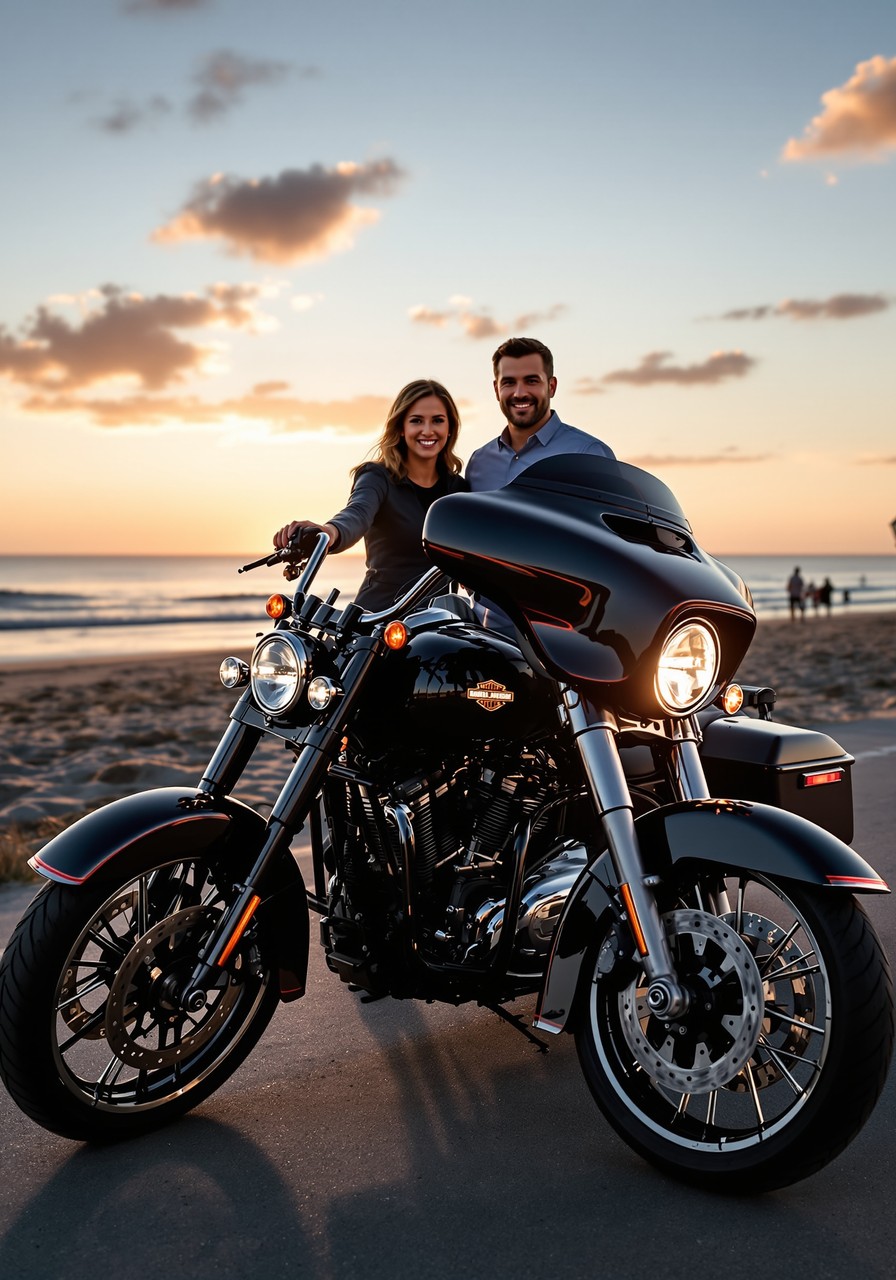
Ask about your claim, get entered, keep riding. The $20,000 BikersWin giveaway is free to join. (843) 281-7452. #RideNationSC #MotorcycleGiveaway #MyrtleBeachRiders
Local SC & Rides
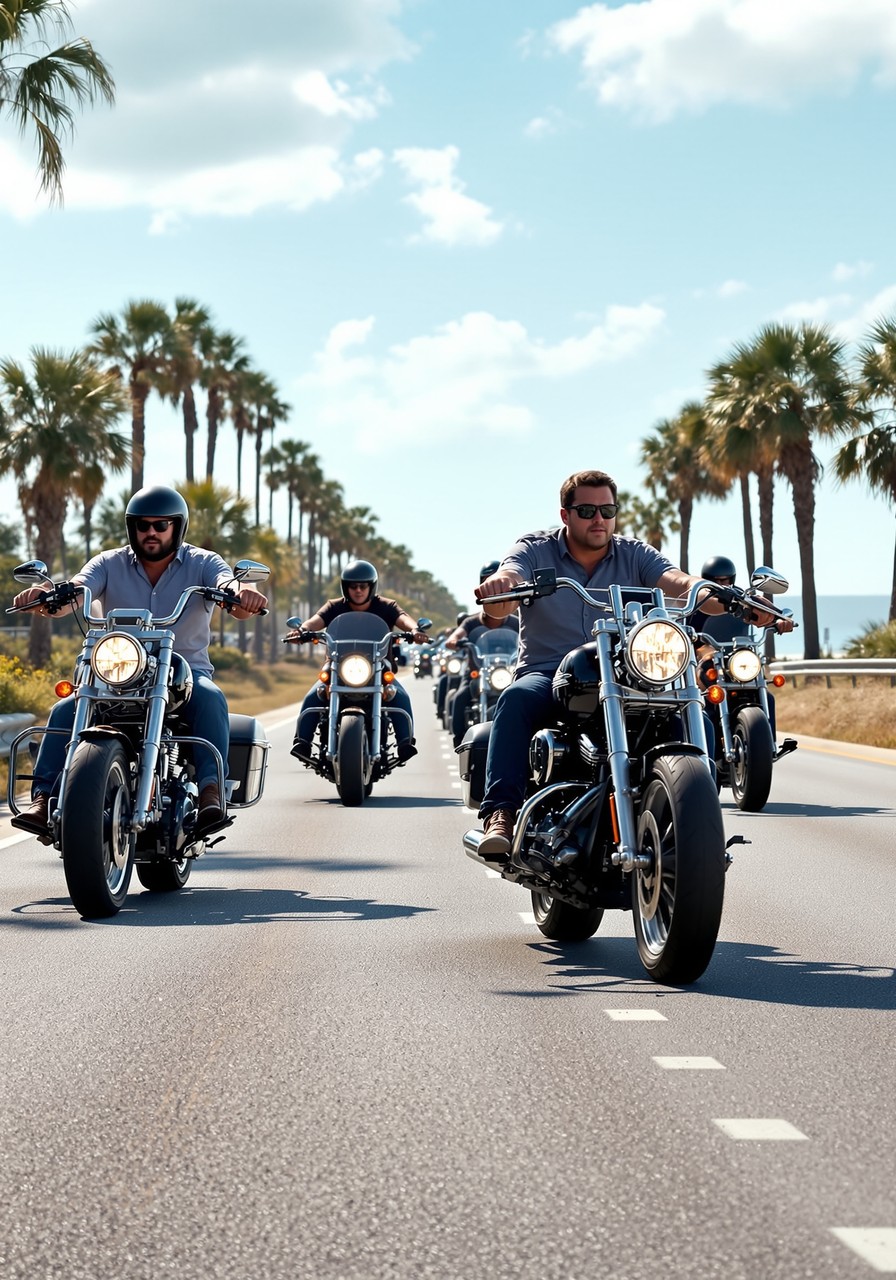
Kings Highway all the way down US-17, top to bottom of the Strand. Classic Myrtle Beach ride, do it once a season just because. #RideNationSC #MyrtleBeachRiders #GrandStrand
Gear & New Iron
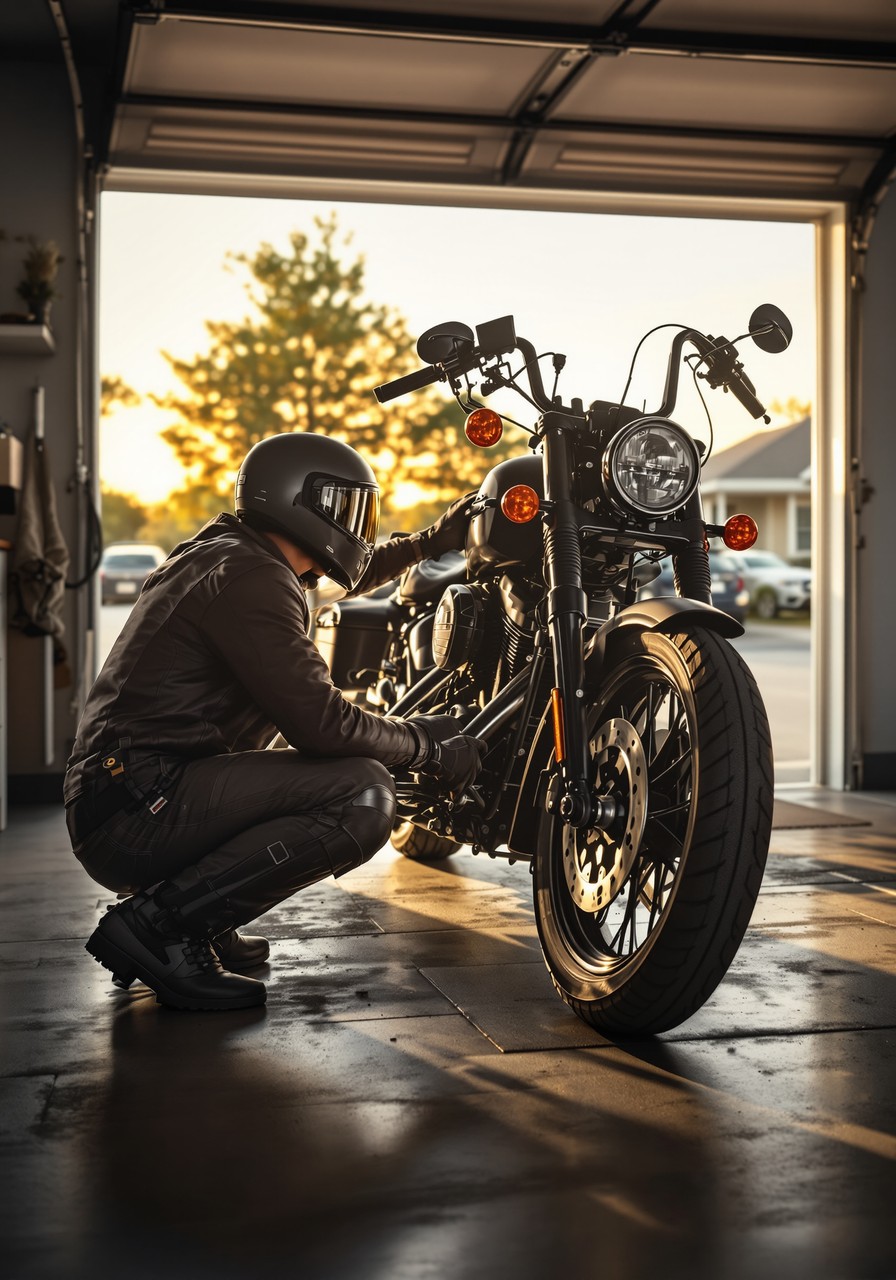
Check your tire date codes. Rubber ages out even with good tread, and heat and salt air speed it up. The four-digit code on the sidewall tells you the week and year. #RideNationSC #RiderTips #MotorcycleMaintenance
Safety & SC Law
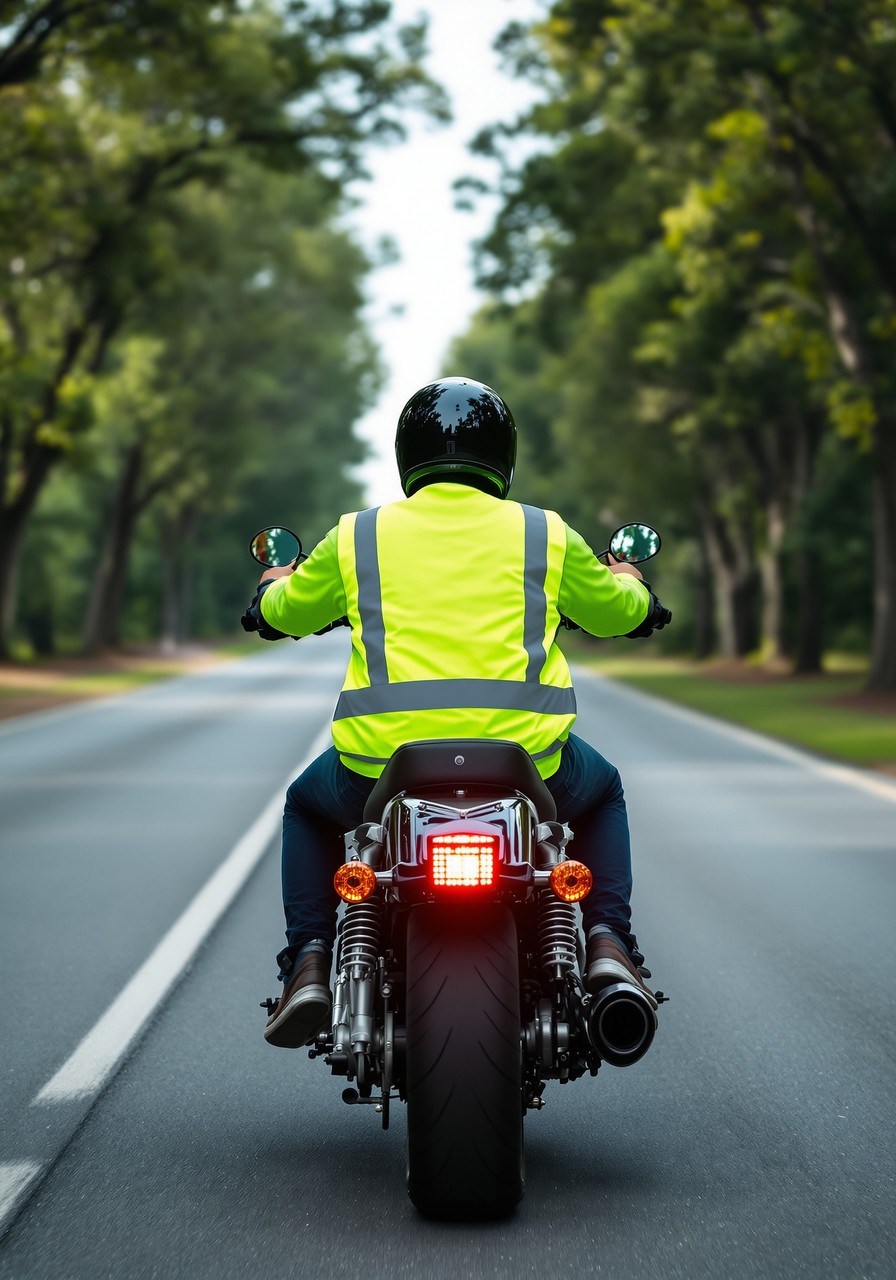
Skipping a helmet is legal for SC adults, but the insurer will still bring it up to chip away at your claim. Do not let a legal choice get twisted into your fault. Call The Lovely Law Firm at (843) 281-7452. #RideNationSC #RiderRights #KnowYourRights
Engagement
Fill in the blank: my go-to Grand Strand ride always ends with ______. #RideNationSC #GrandStrand #MyrtleBeachRiders
Giveaway & Countdown
Not sure you qualify? Give us a shout and we will explain the giveaway and your claim. (843) 281-7452. #RideNationSC #BikersWin #20kGiveaway
Local SC & Rides
Salt spray dries into a fine grit on your bike and your visor down here. Wipe the faceshield before you roll, you want to see the road clearly. #RideNationSC #GrandStrand #SouthCarolinaRiders
Gear & New Iron
Hot Grand Strand pavement raises your tire pressure as you ride. Set it cold to spec in the morning, not after you have been baking on the asphalt. #RideNationSC #RiderTips #MotorcycleMaintenance
Safety & SC Law
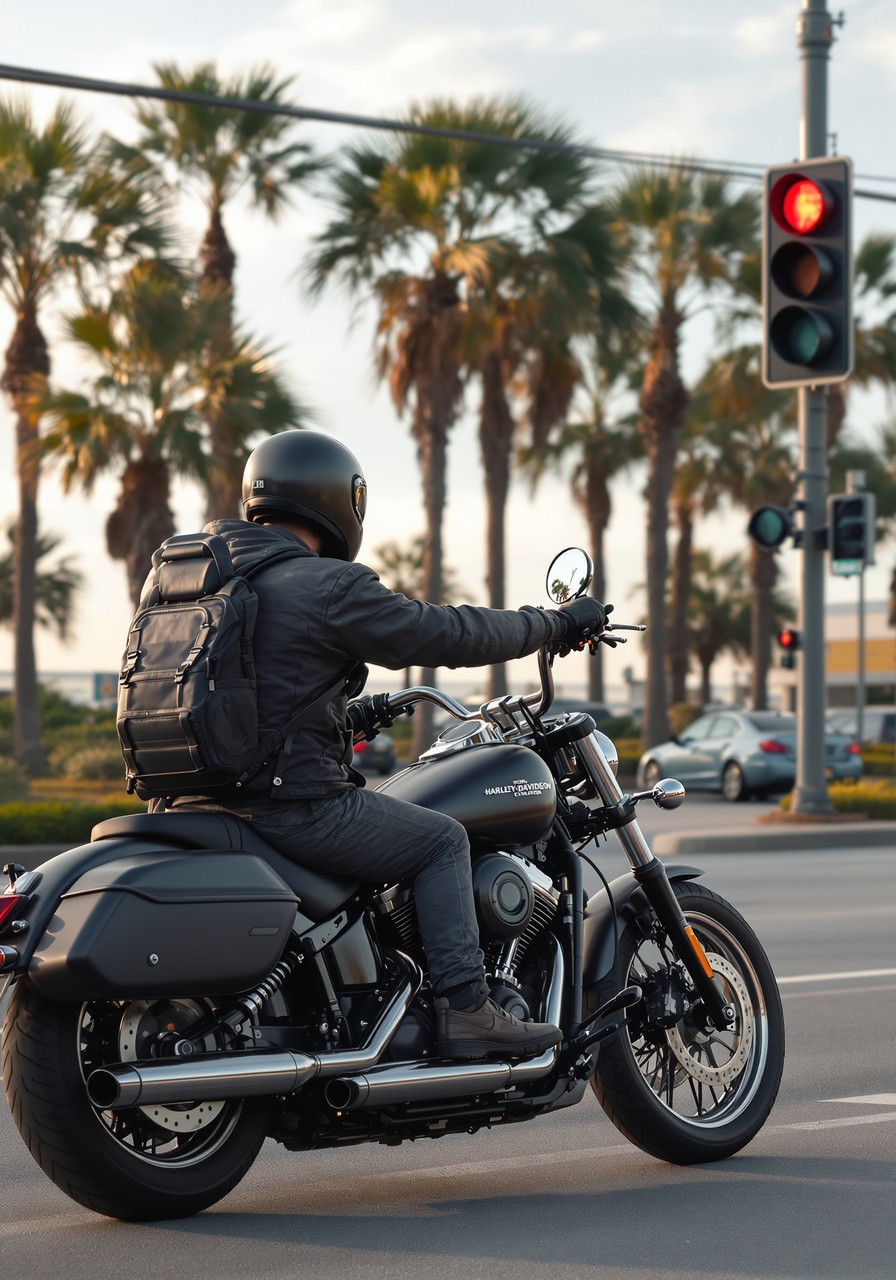
MedPay is optional in South Carolina, but it pays your early medical bills no matter who was at fault. It is one of the best small add-ons a rider can buy. #RideNationSC #KnowYourRights #SouthCarolinaRiders
Engagement
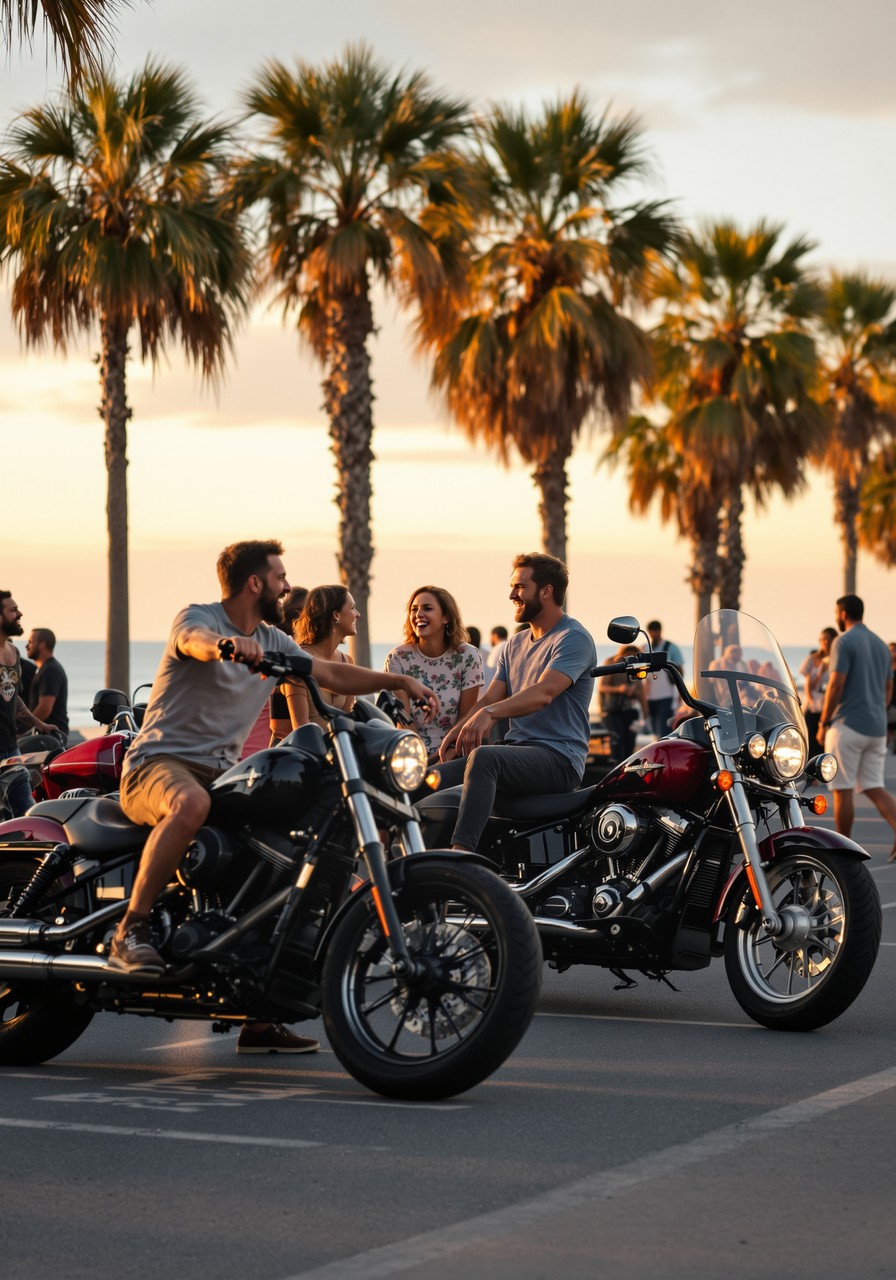
Countdown time. How many days until you say Spring Bike Week out loud without checking a calendar. #RideNationSC #BikeWeek #MyrtleBeachRiders
Giveaway & Countdown
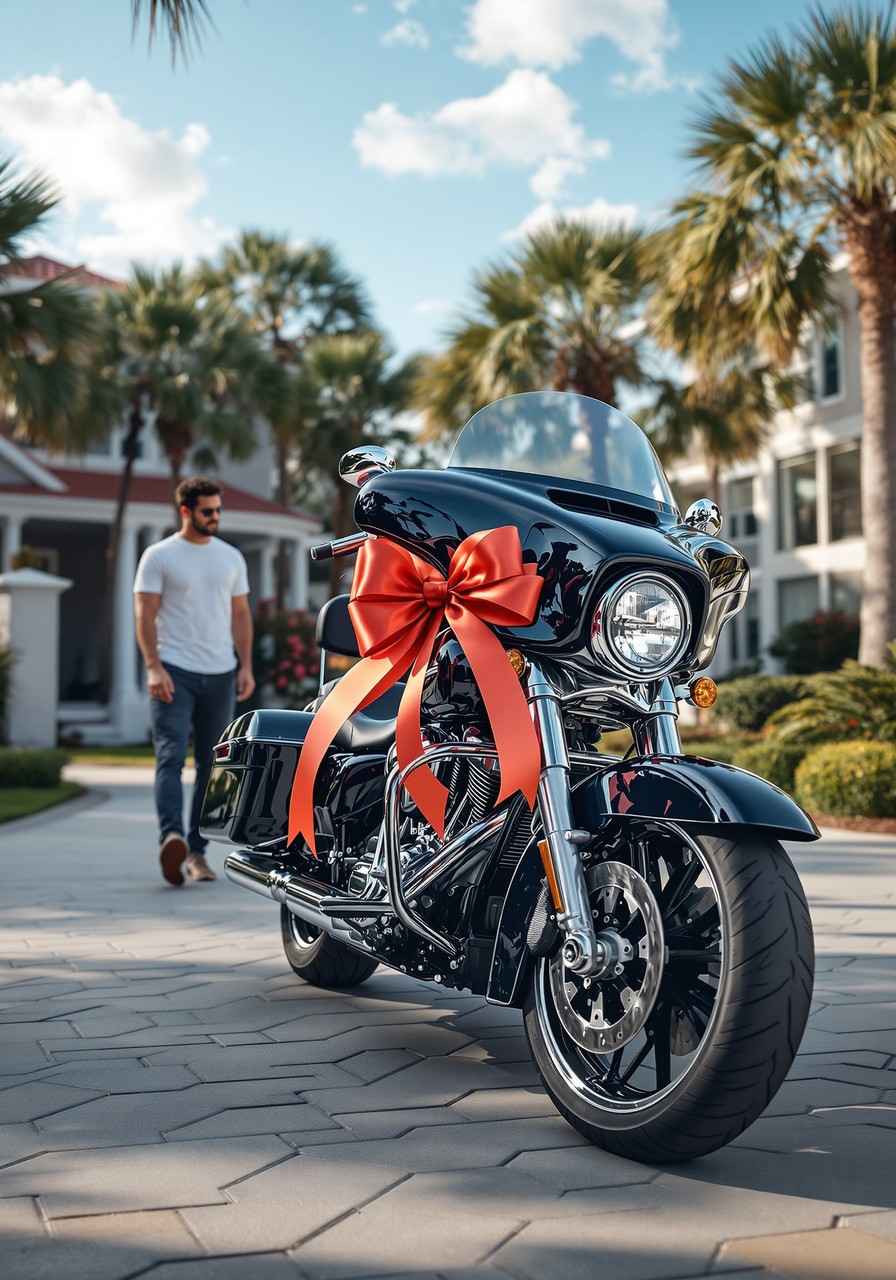
One phone call puts you in the running for twenty grand. Free case review, free entry. Call (843) 281-7452. #RideNationSC #BikersWin #GrandStrand #SouthCarolinaRiders
Local SC & Rides
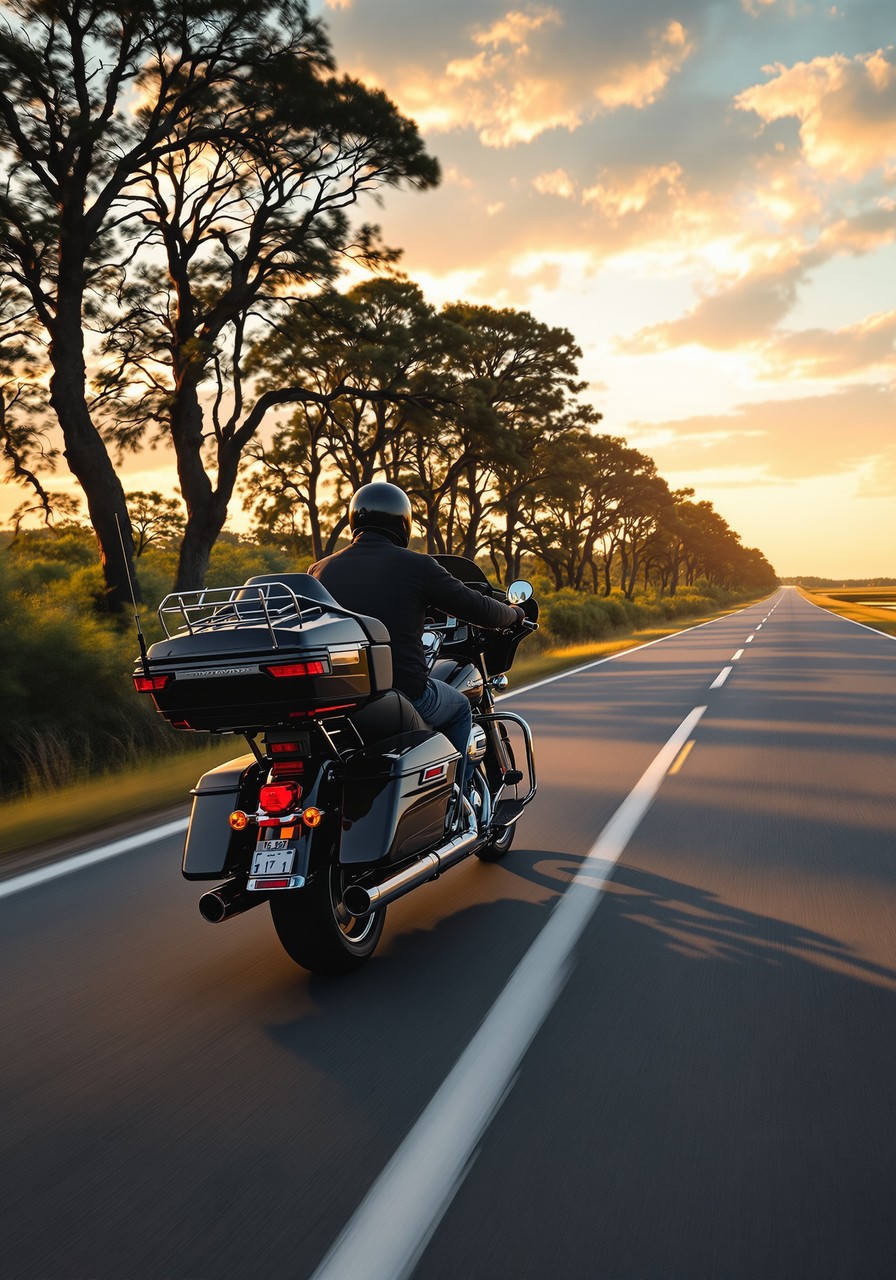
Counting down to Spring Bike Week already. Use these quiet off-season weekends to get the bike sorted and the tires fresh. #RideNationSC #BikeWeek #MyrtleBeachRiders
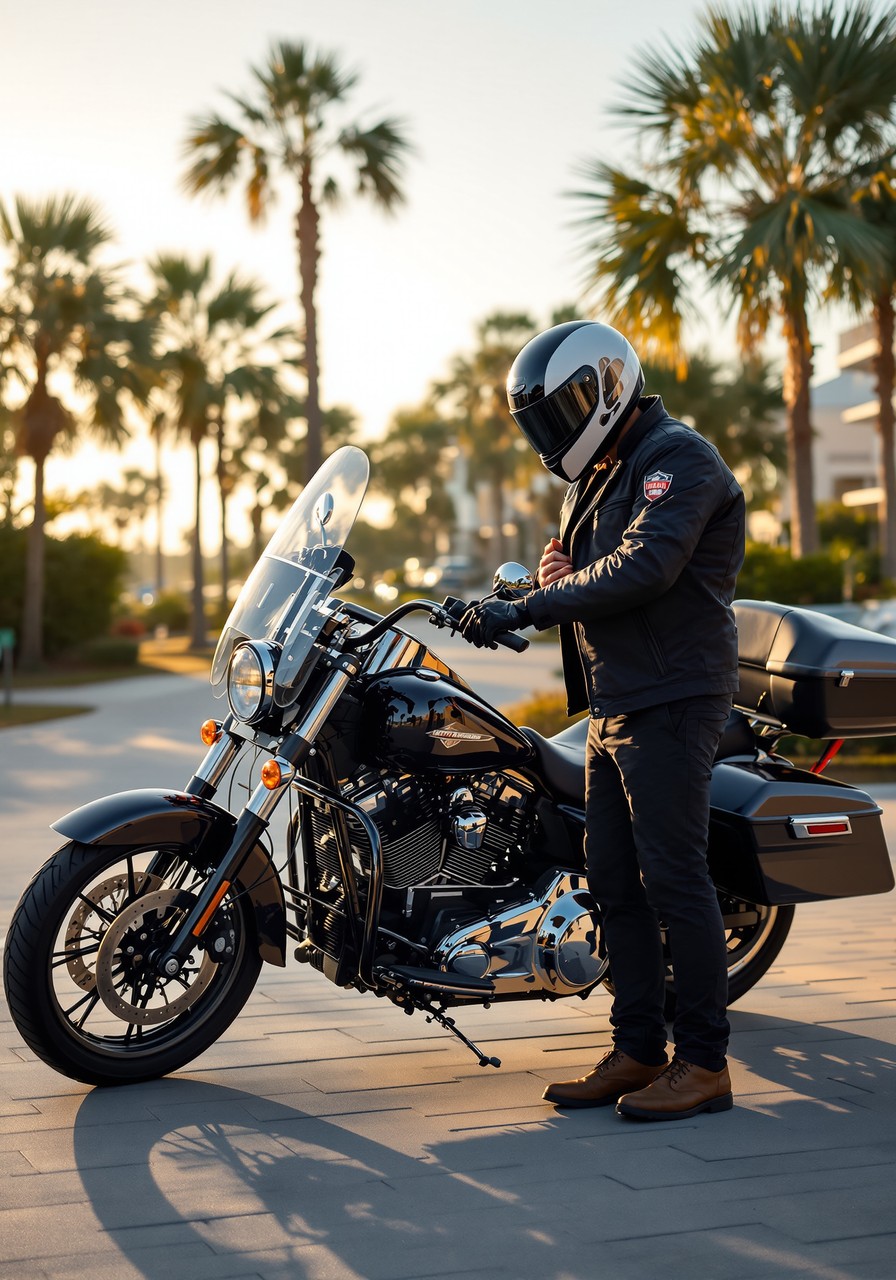
Gear & New Iron
Worn tread and coastal rain are a bad mix. If you can see the wear bars or the tread looks slick, replace before the next storm rolls through. #RideNationSC #RiderTips #MotorcycleMaintenance
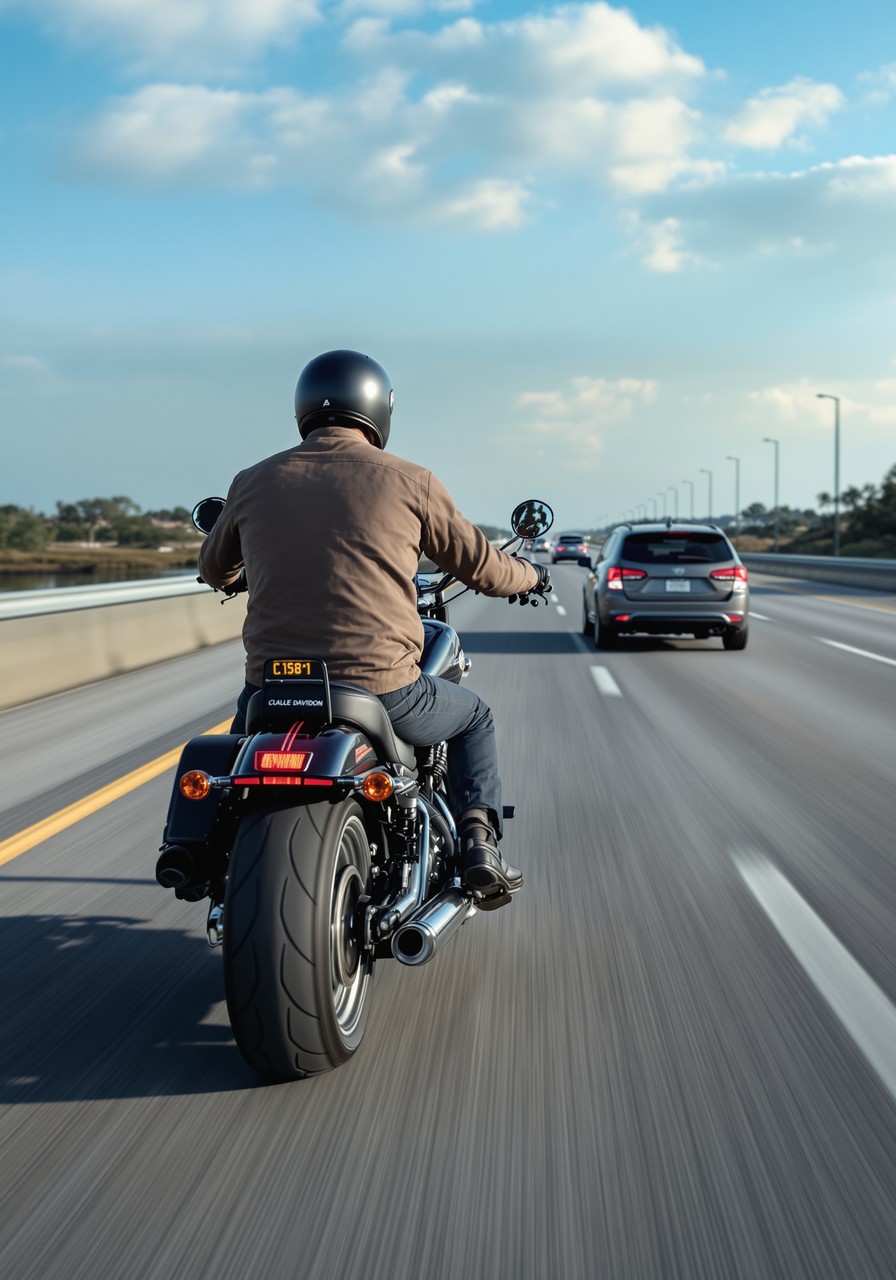
Safety & SC Law
The gear you wear at 5 mph is the gear that saves you at 55. All the gear, all the time, every ride on the Strand. #RideNationSC #ATGATT #MotorcycleSafety
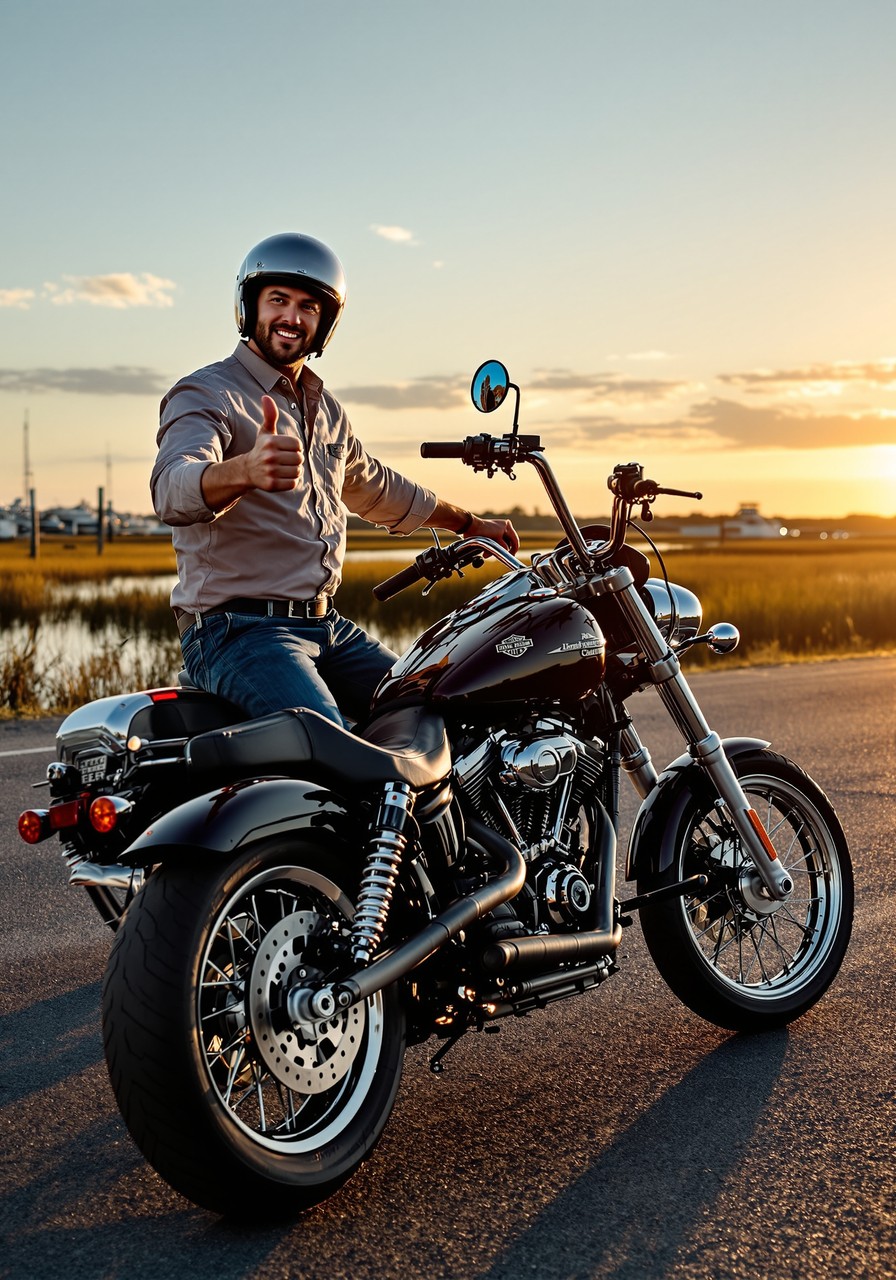
Engagement
Caption this: helmets lined up on a picnic table at Pawleys Island. #RideNationSC #PawleysIsland #RideOrDie
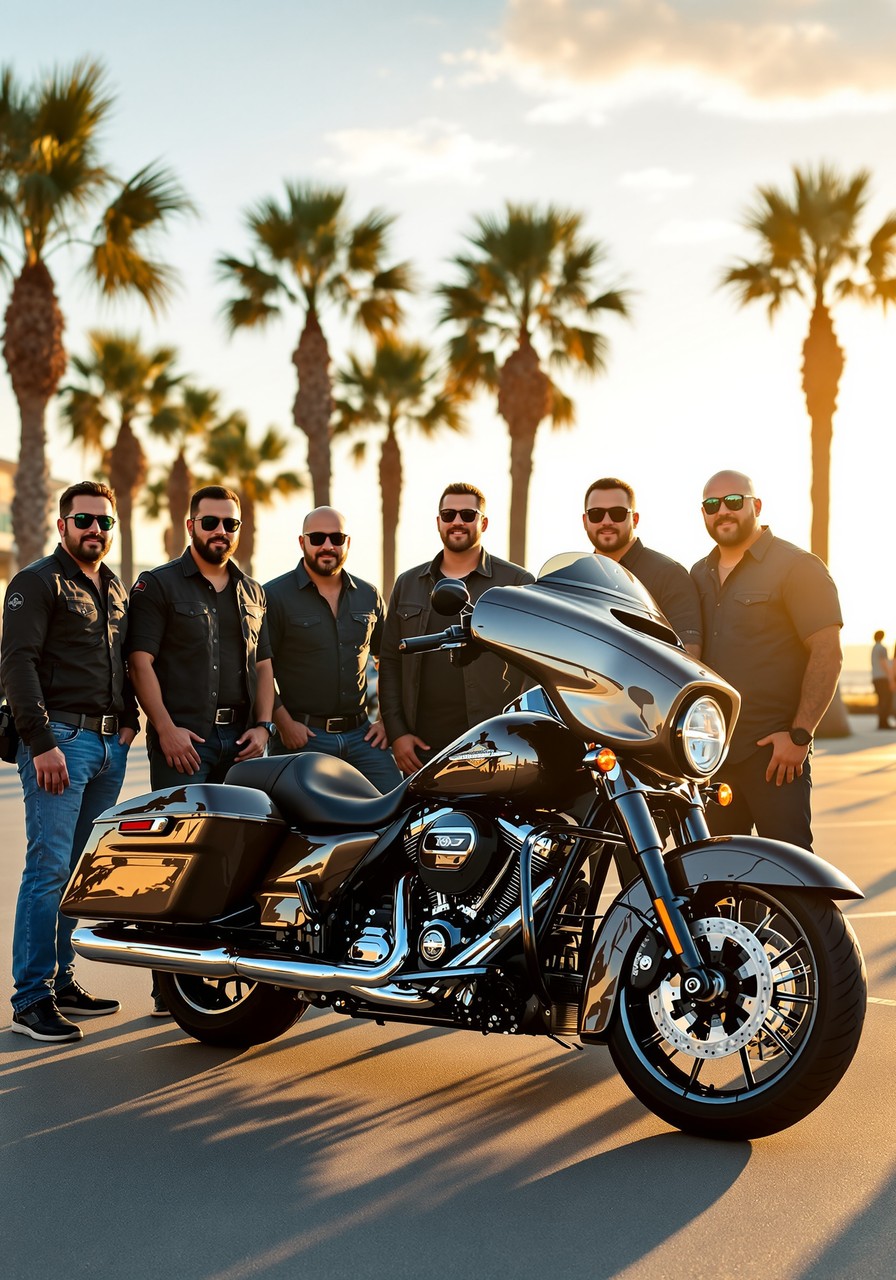
Giveaway & Countdown
Grand Strand riders, do not sit this one out. Talk to The Lovely Law Firm about your wreck and get entered. (843) 281-7452. #RideNationSC #20kGiveaway #MyrtleBeachRiders
Local SC & Rides
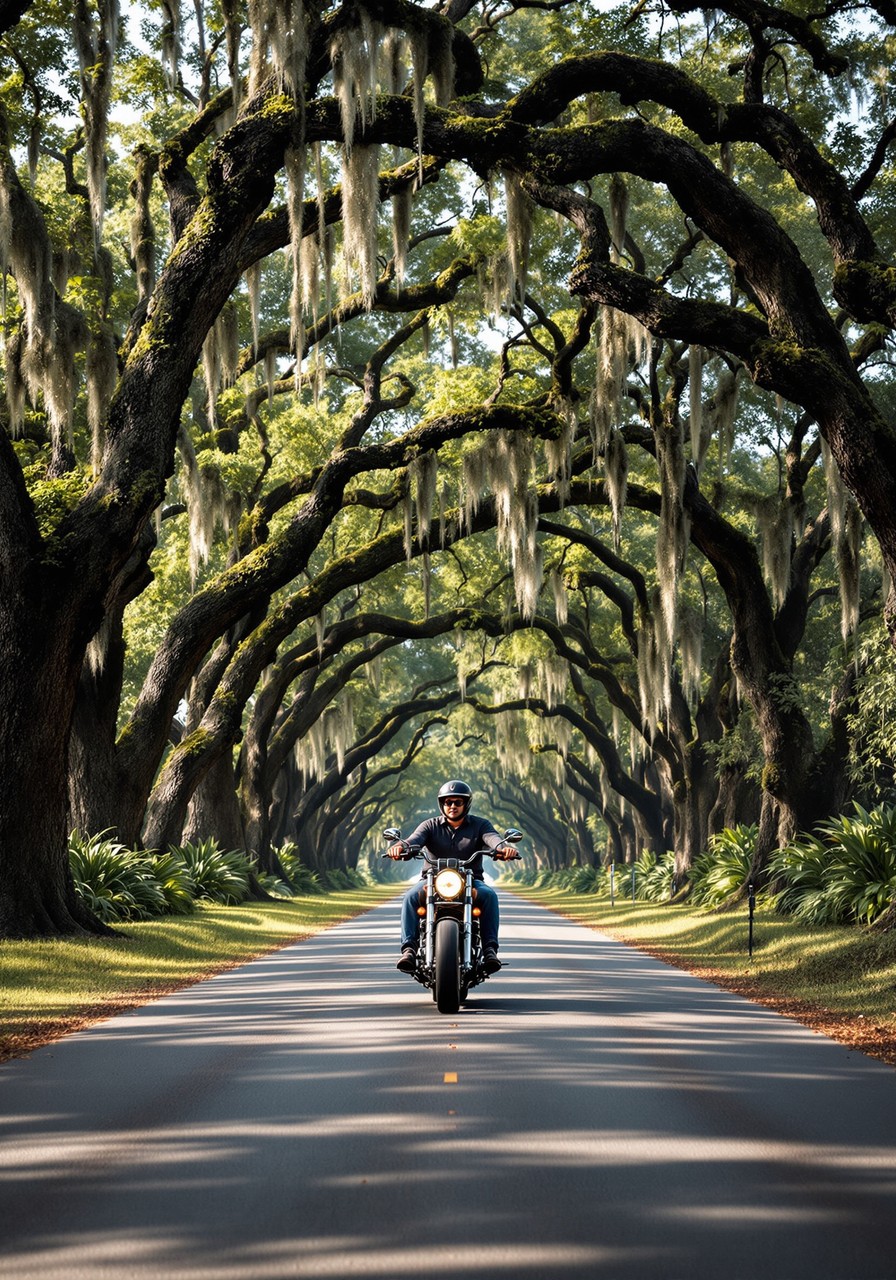
Pawleys Island back lanes are tight and sandy at the edges. Take them slow, the reward is marsh, moss, and no crowds. #RideNationSC #PawleysIsland #LowcountryRiding
Gear & New Iron
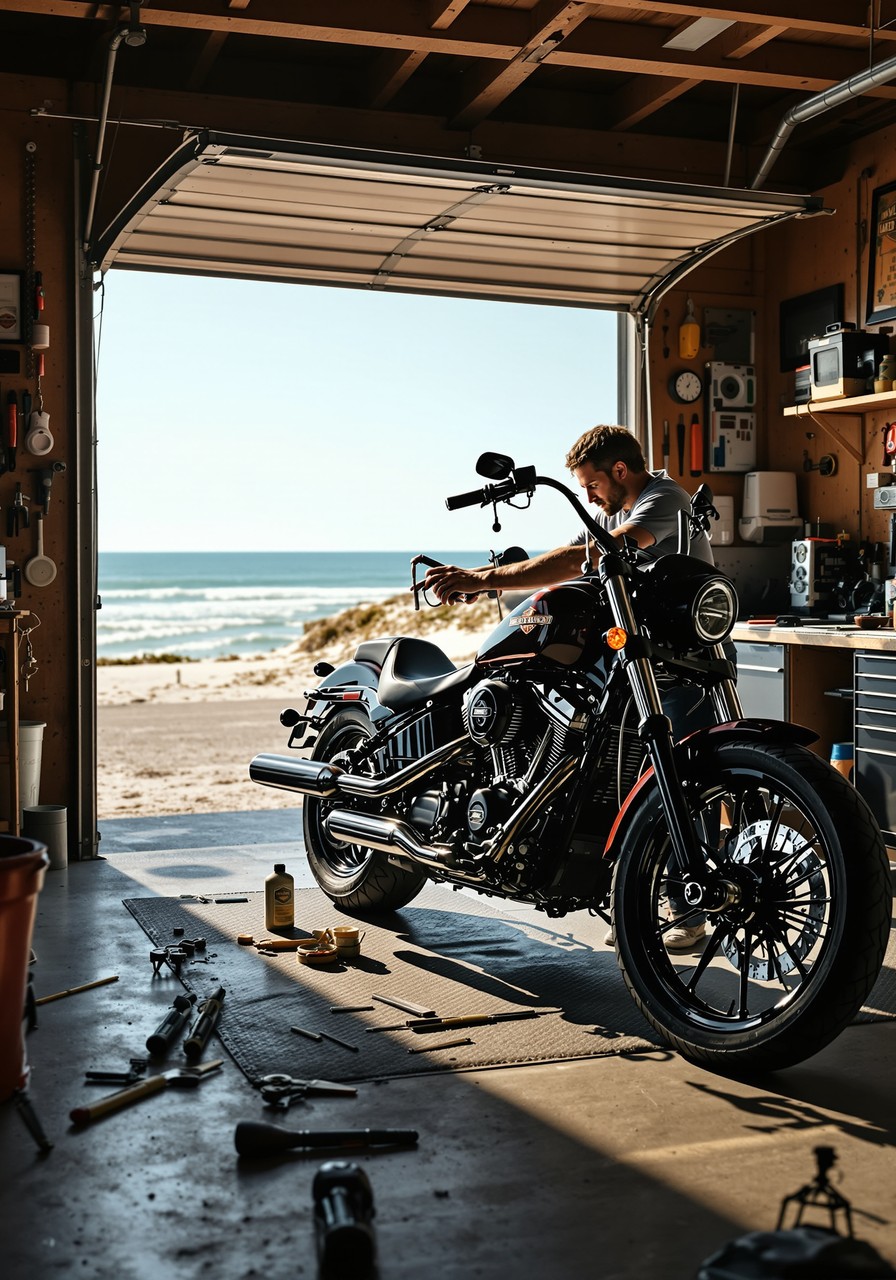
Summer heat is hard on batteries. Keep the terminals clean, check the connections, and throw it on a tender if the bike sits so it fires up when you want to ride. #RideNationSC #MotorcycleMaintenance #RiderTips
Safety & SC Law
Got hurt on the bike and not sure if you even have a case? A free case review costs you nothing and tells you where you stand. Call The Lovely Law Firm at (843) 281-7452. #RideNationSC #RiderRights #MyrtleBeachRiders
Engagement
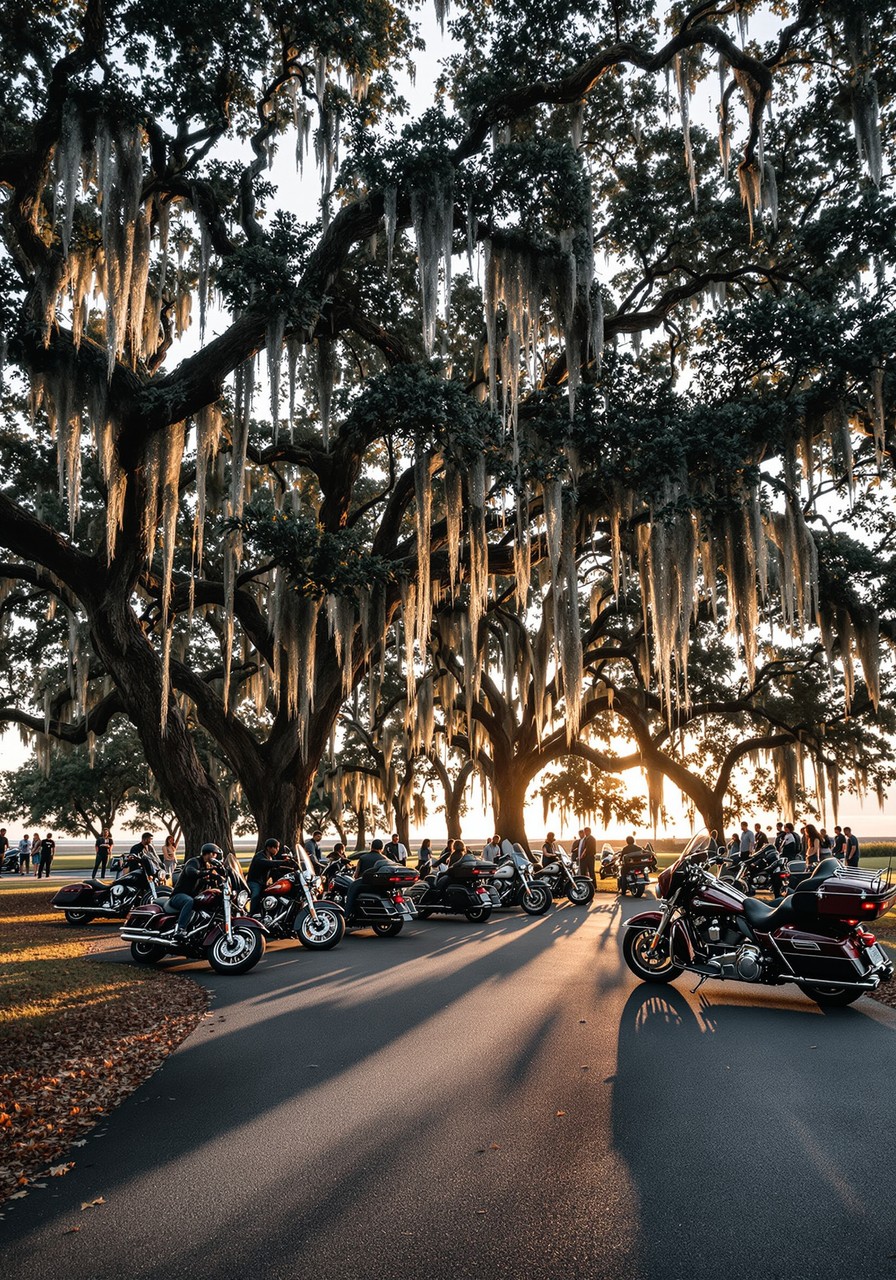
One question: what got you into bikes in the first place. Tell the story. #RideNationSC #TwoWheels #SouthCarolinaRiders
Giveaway & Countdown
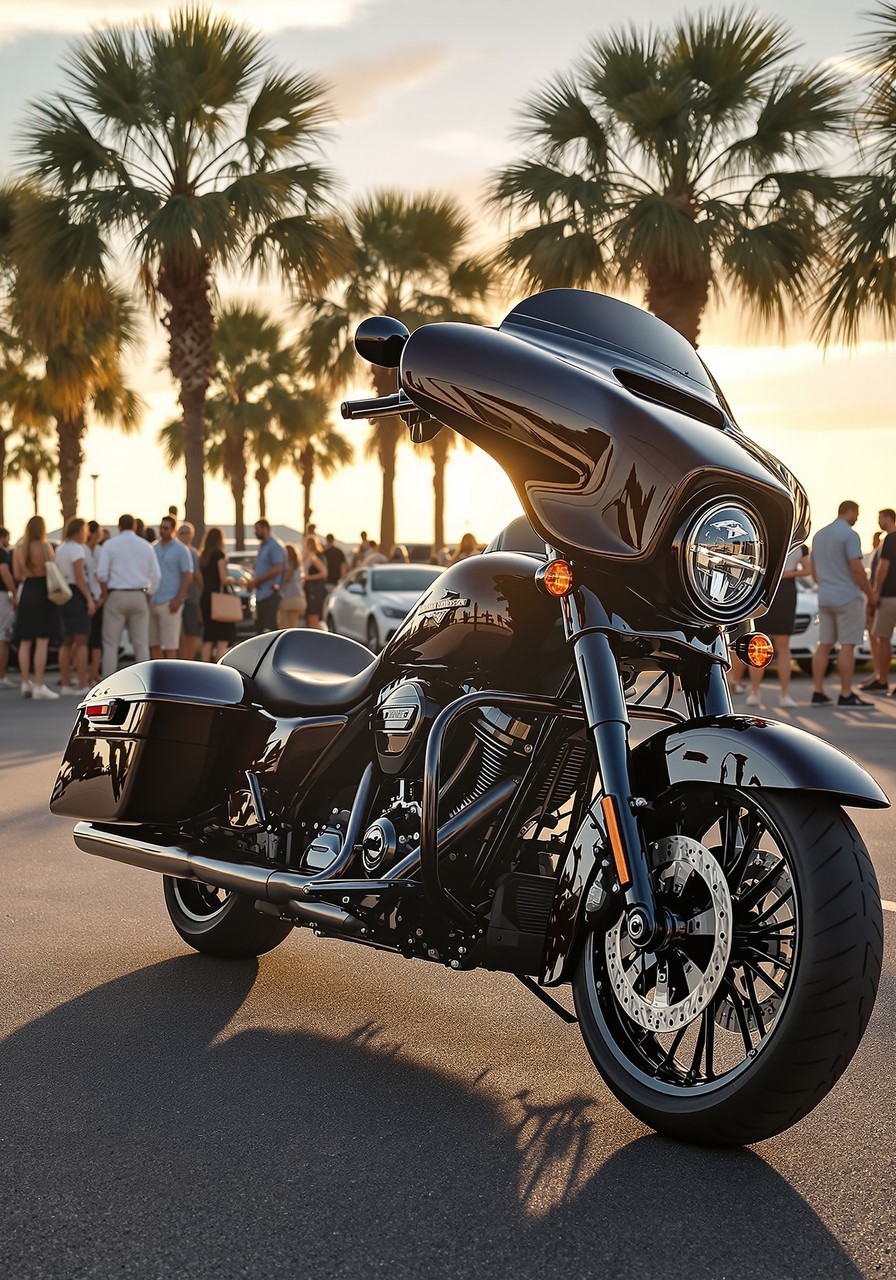
Countdown is on, Grand Strand. Twenty thousand reasons to tag a riding buddy and get them in on it. #RideNationSC #MotorcycleGiveaway #MyrtleBeachRiders
Local SC & Rides
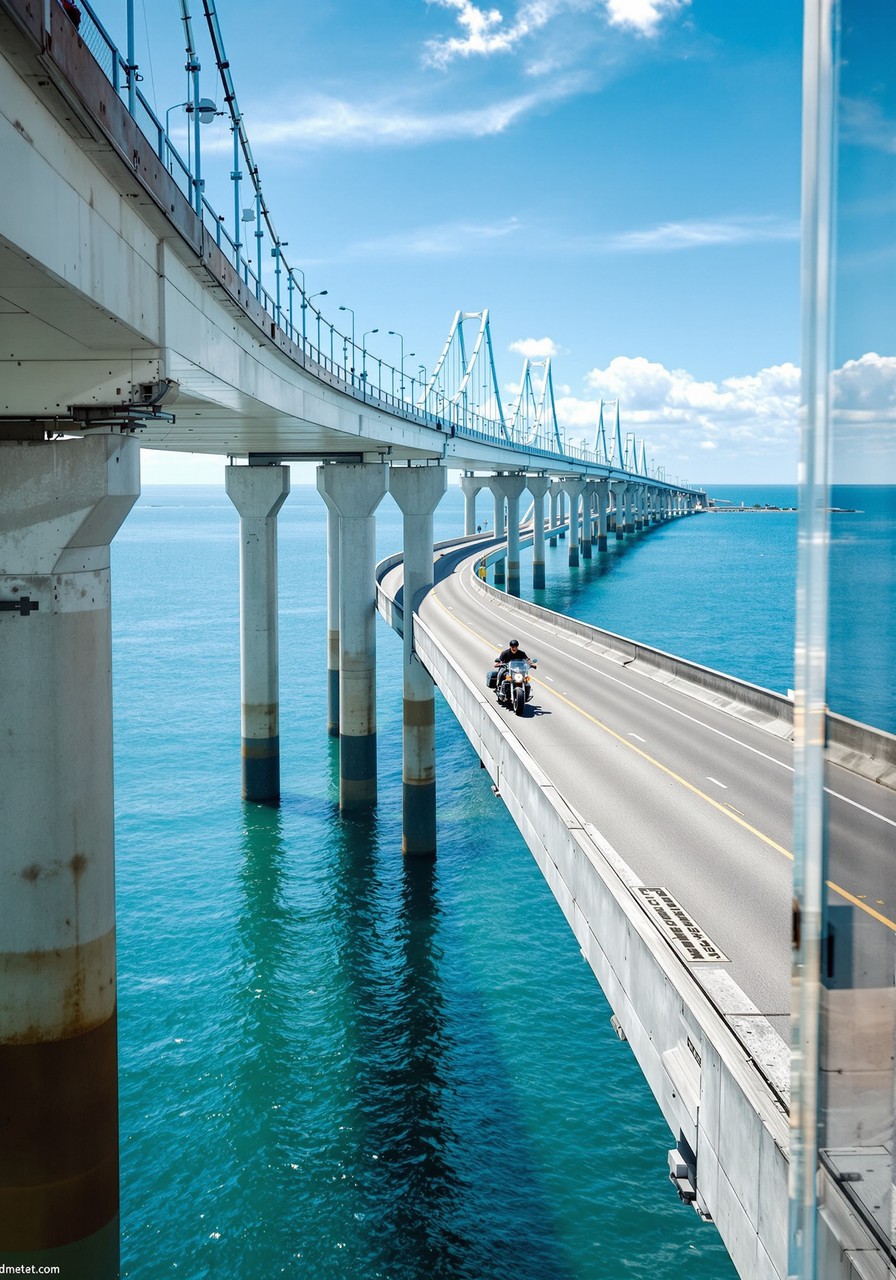
Sudden coastal rain can hit dry and warm in minutes here. First few drops lift the road oil, so treat the opening of a shower as the slickest part. #RideNationSC #MotorcycleRoads #GrandStrand
Gear & New Iron
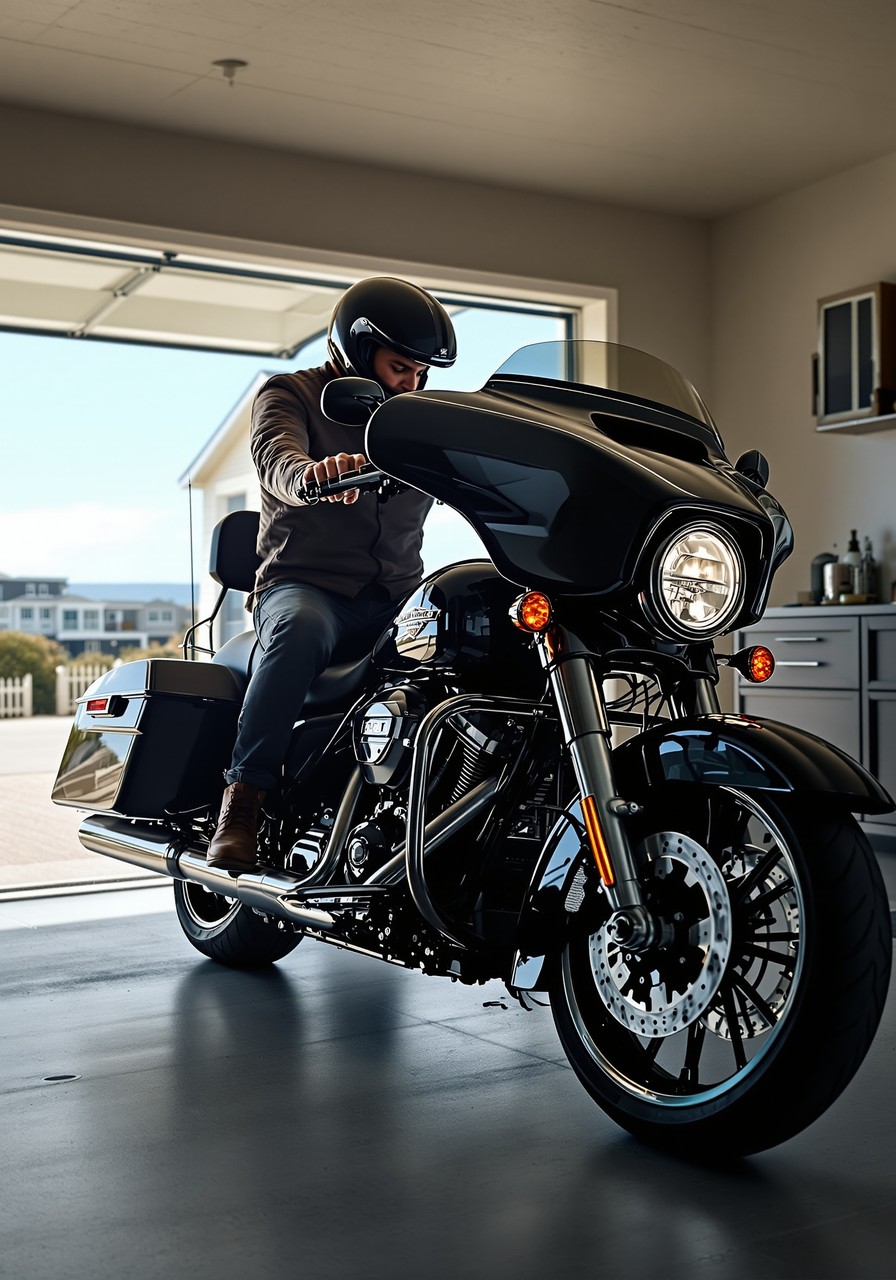
A chain that runs dry rusts fast in this humidity. Clean it, lube it, and check the slack every few rides so it lasts and shifts stay smooth. #RideNationSC #MotorcycleMaintenance #SaltAir
Safety & SC Law
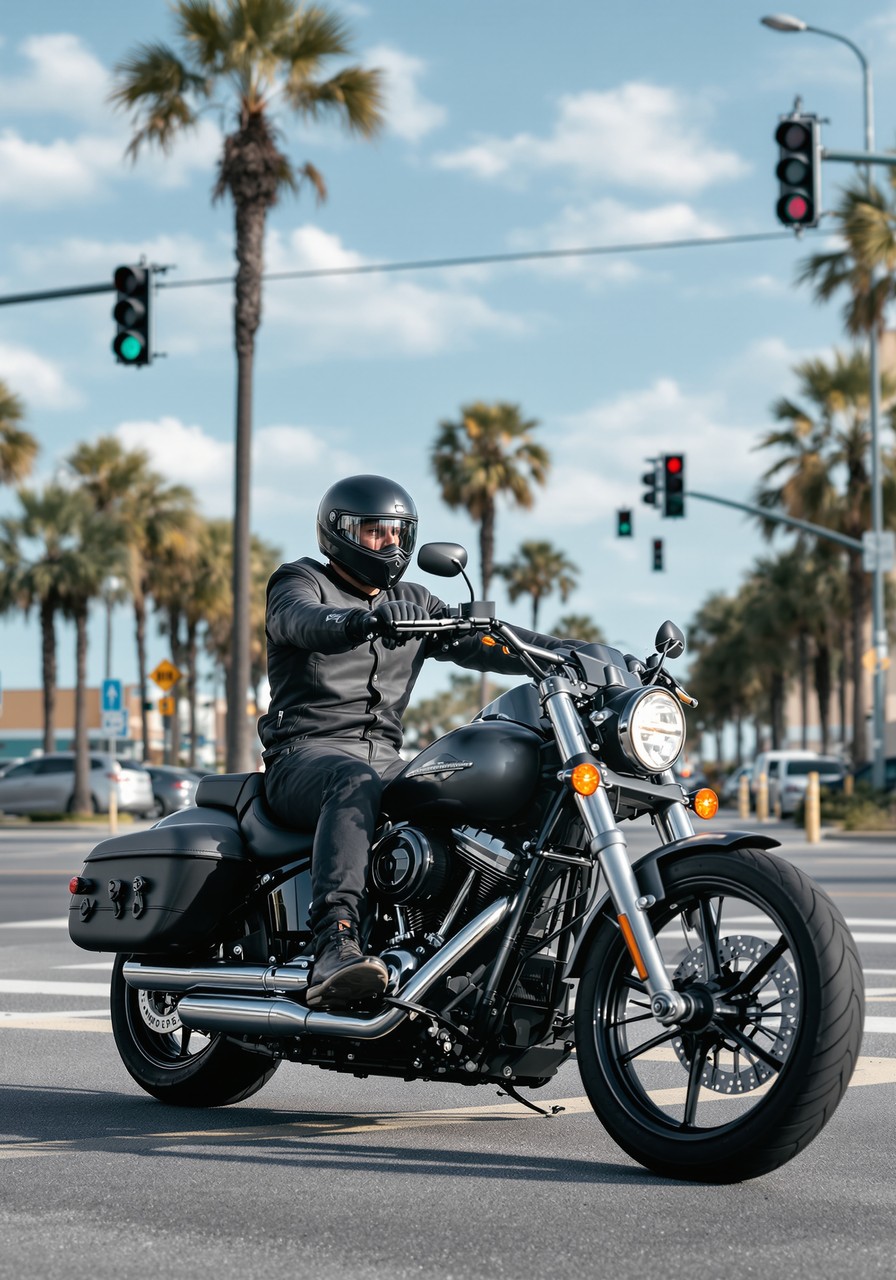
In South Carolina, being partly at fault does not end your claim unless you cross 51 percent. Even a shared-blame crash can still be worth pursuing. Not sure where you land? Call The Lovely Law Firm at (843) 281-7452. #RideNationSC #KnowYourRights #RiderRights
Engagement
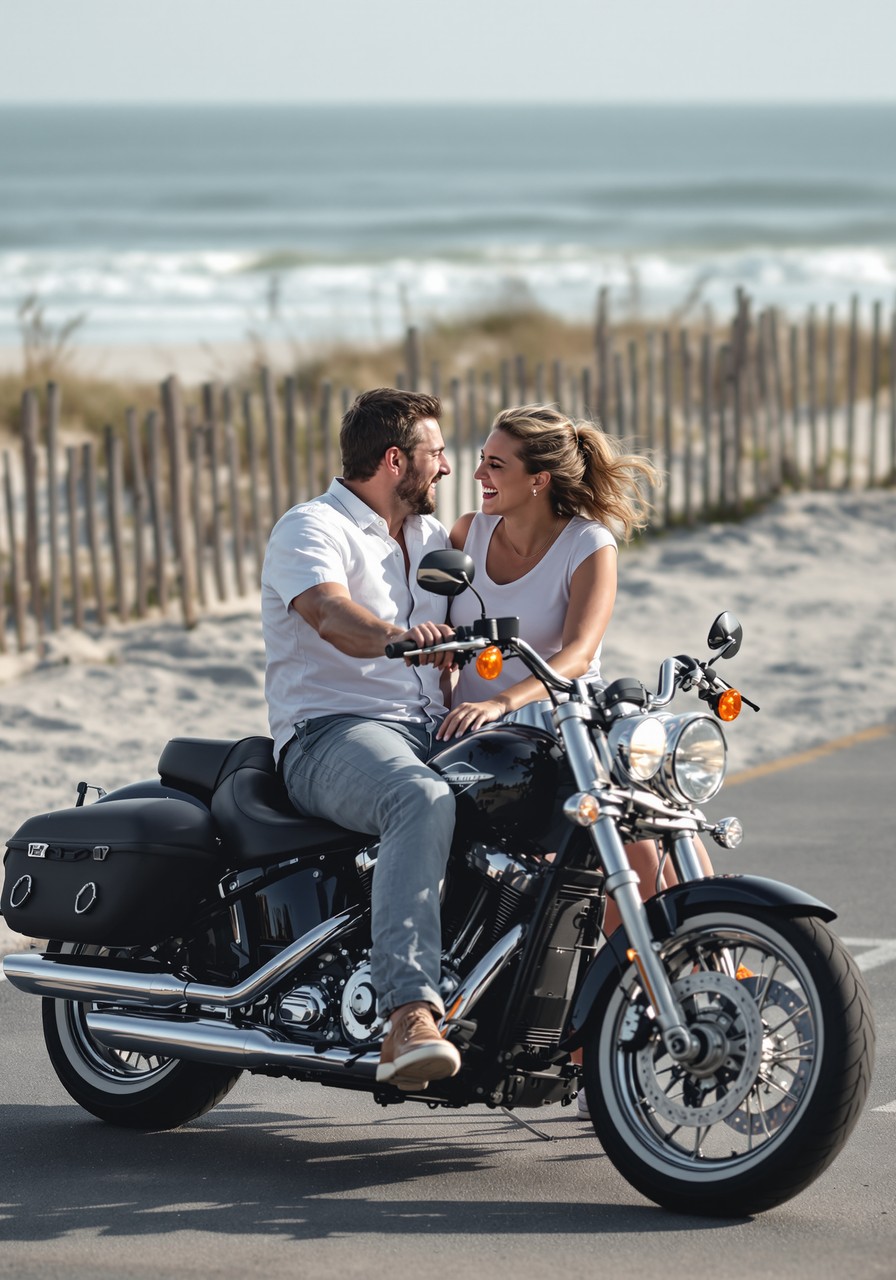
This or that: chasing the one warm February beach day, or embracing the cold and riding anyway. Which are you. #RideNationSC #GrandStrand #MyrtleBeachRiders
Giveaway & Countdown
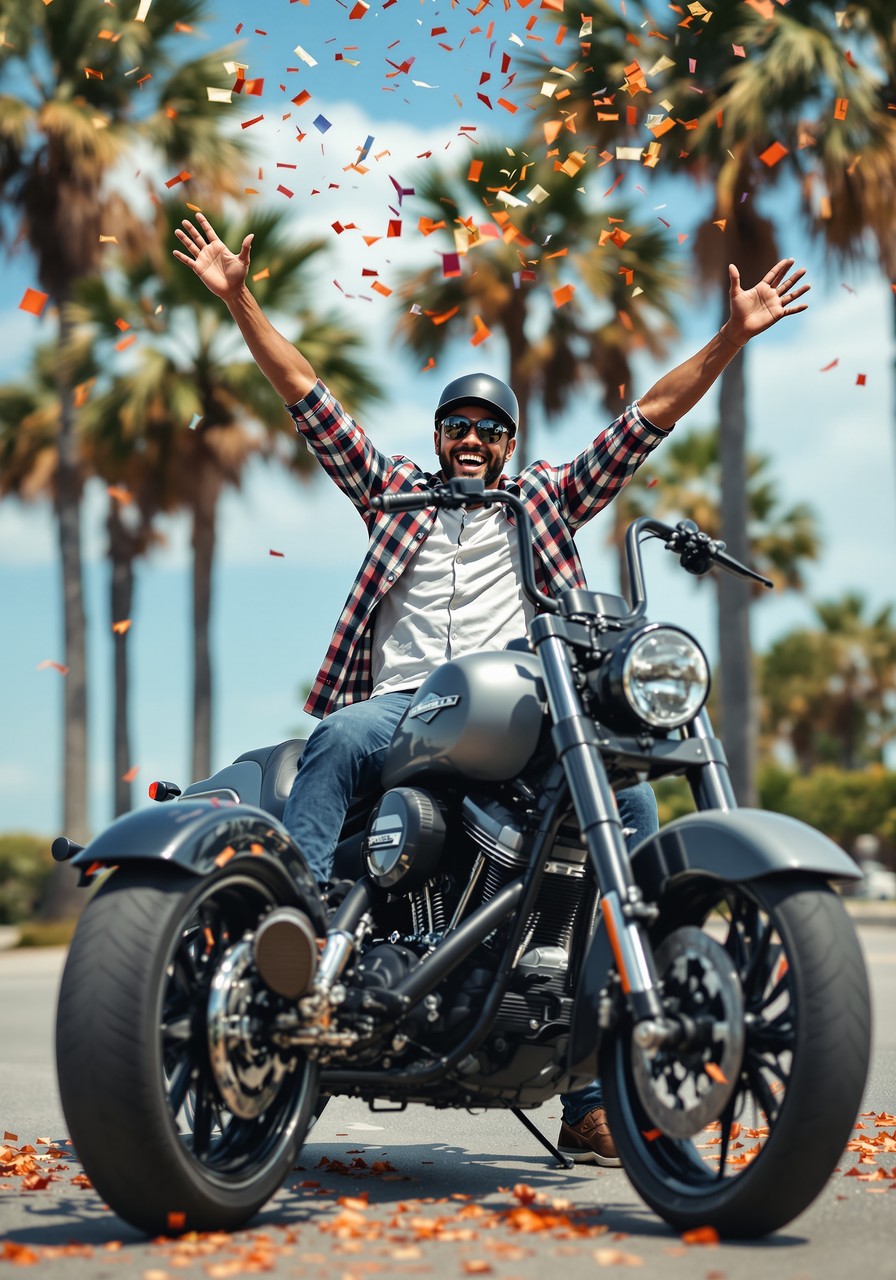
The BikersWin $20,000 giveaway is heating up. Spread the word to every rider you know. #RideNationSC #BikersWin #20kGiveaway
Local SC & Rides
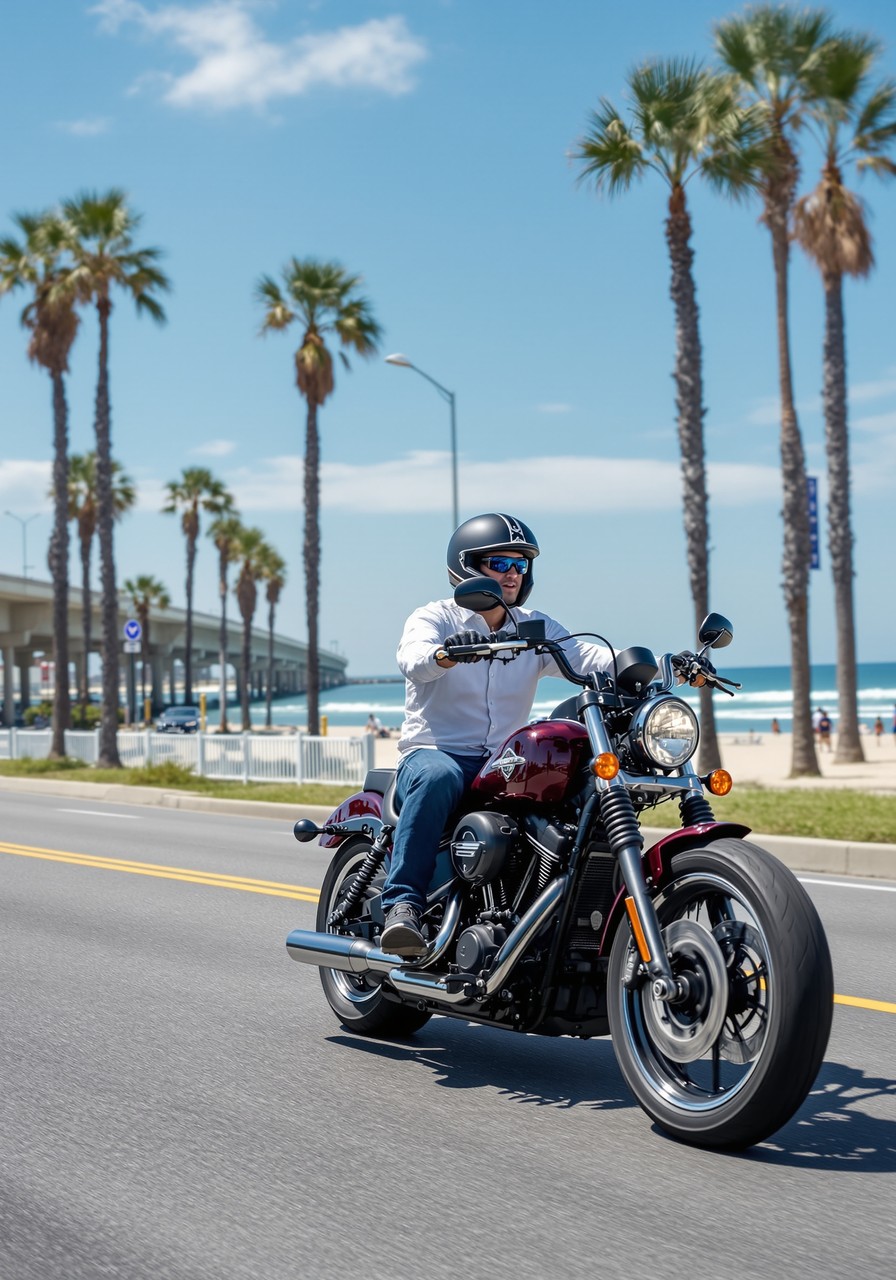
Brookgreen Gardens makes a great turnaround point off US-17. Ride out, walk the grounds, ride back with the sun behind you. #RideNationSC #GrandStrand #LowcountryRiding
Gear & New Iron
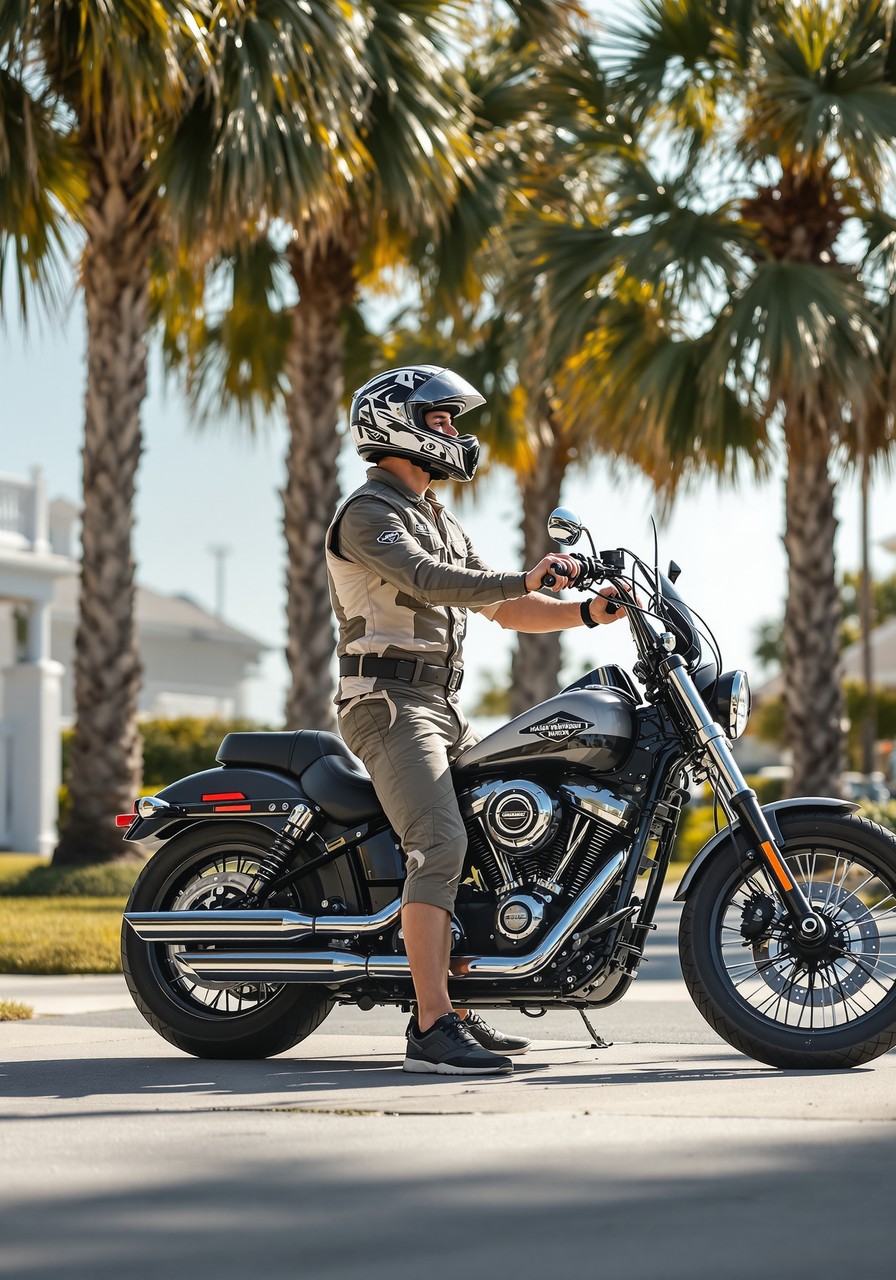
Brake fluid absorbs moisture, and coastal air has plenty of it. If yours looks dark or it has been a couple of years, flush it. Your stopping power depends on it. #RideNationSC #MotorcycleMaintenance #RiderTips
Safety & SC Law
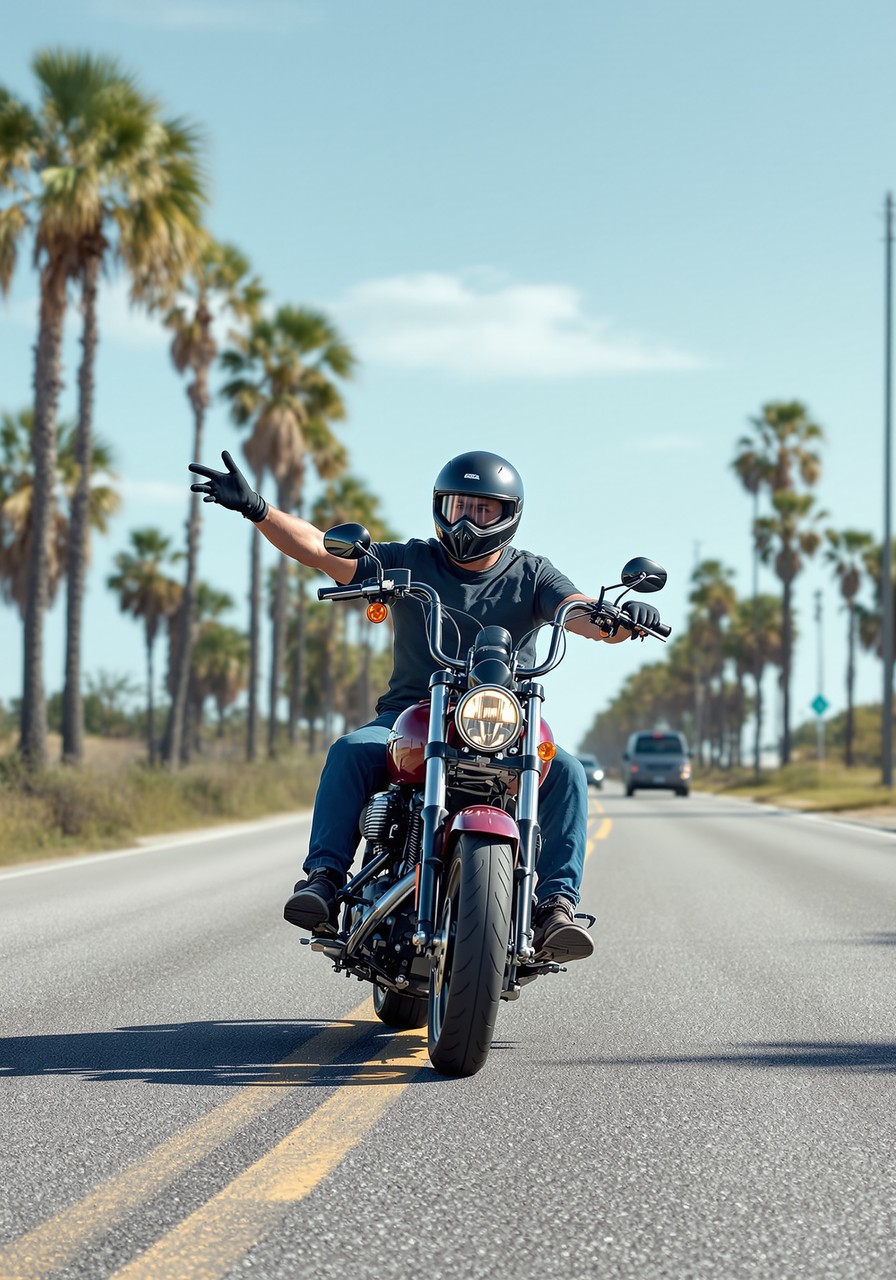
Distracted tourists drift, brake late, and turn without looking. On US-17, treat every phone-lit windshield as a hazard and plan your out. #RideNationSC #MotorcycleSafety #GrandStrand
Engagement
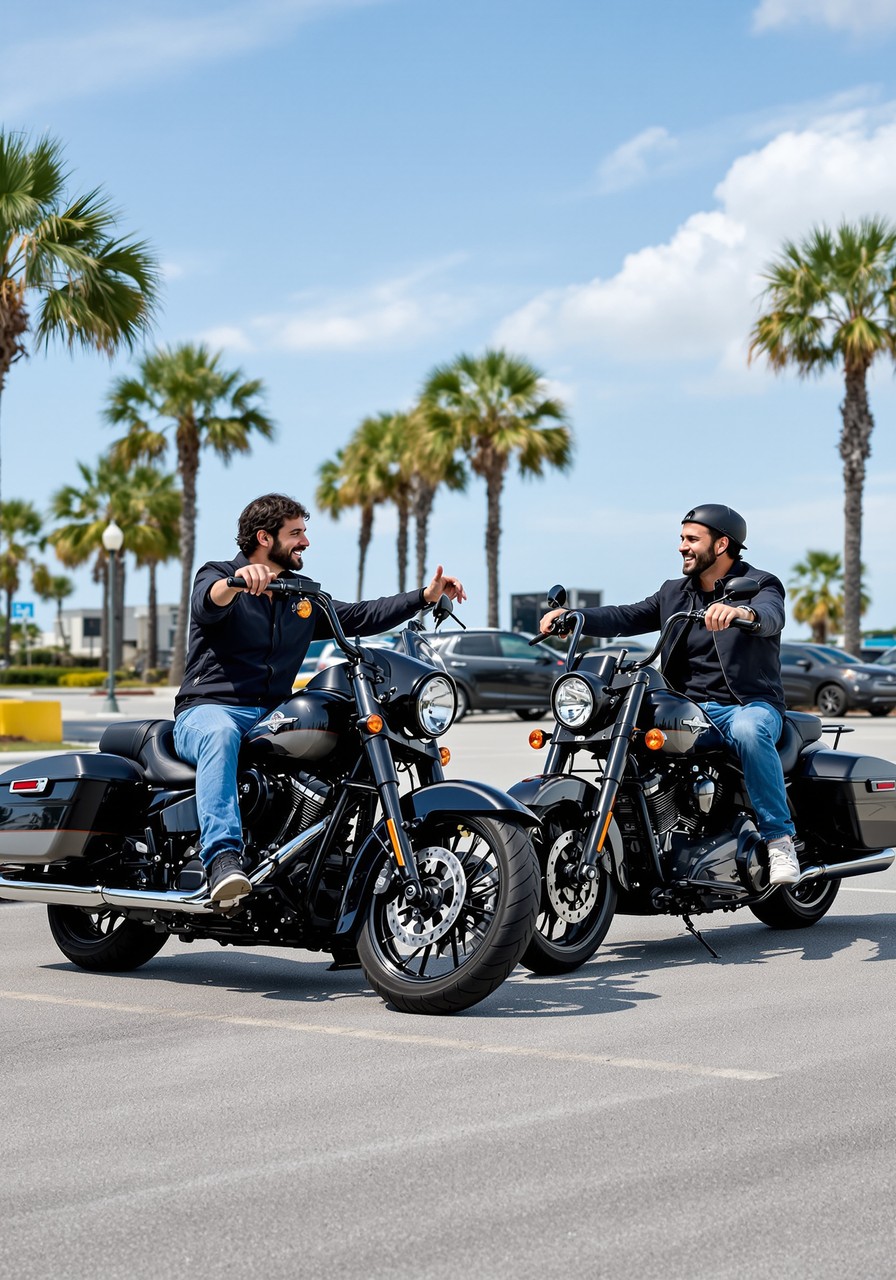
Favorite post-ride food stop on the Strand. Name it so the group can go argue about it. #RideNationSC #MurrellsInlet #MyrtleBeachRiders
Giveaway & Countdown
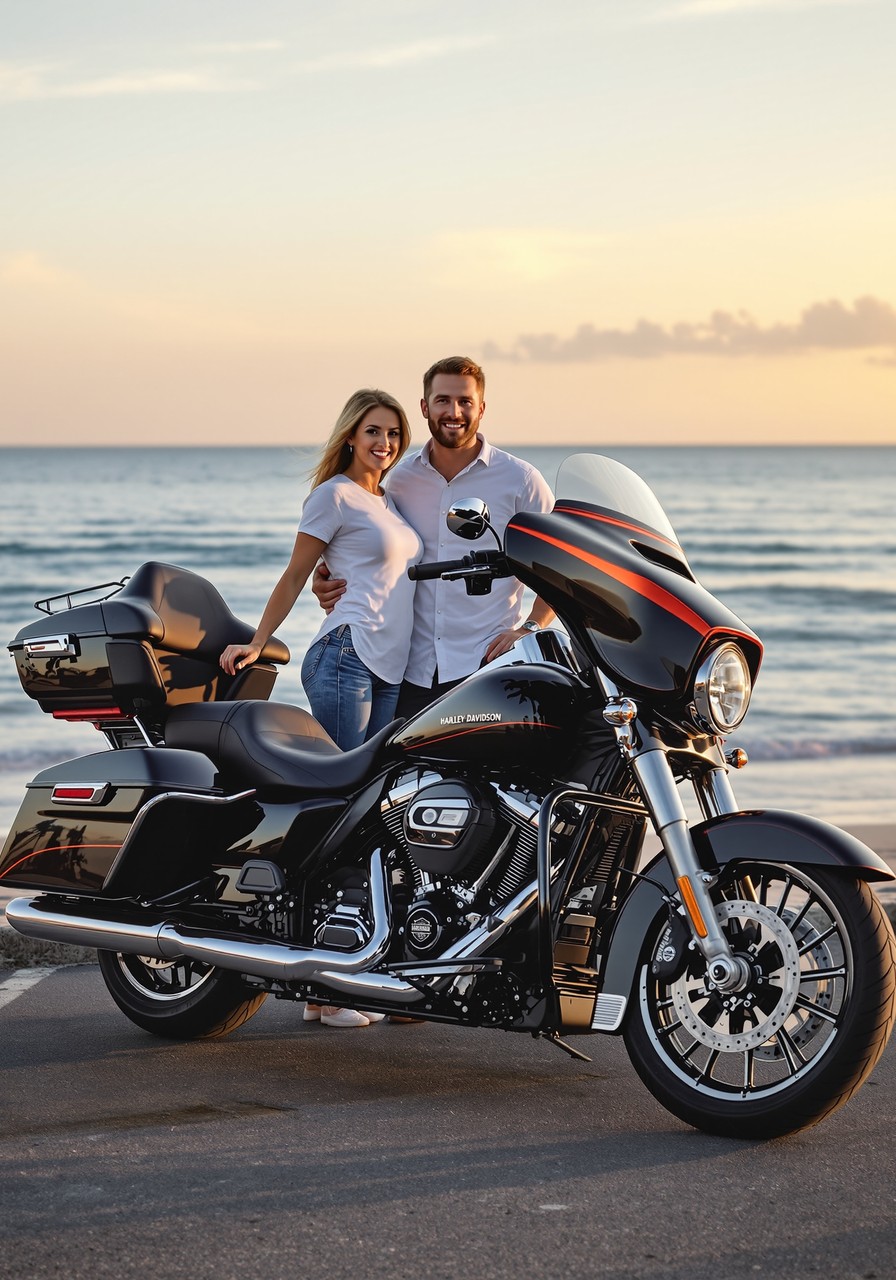
Tag the rider who needs to know about the $20,000 BikersWin giveaway. Winner energy only. #RideNationSC #MotorcycleGiveaway #GrandStrand
Local SC & Rides
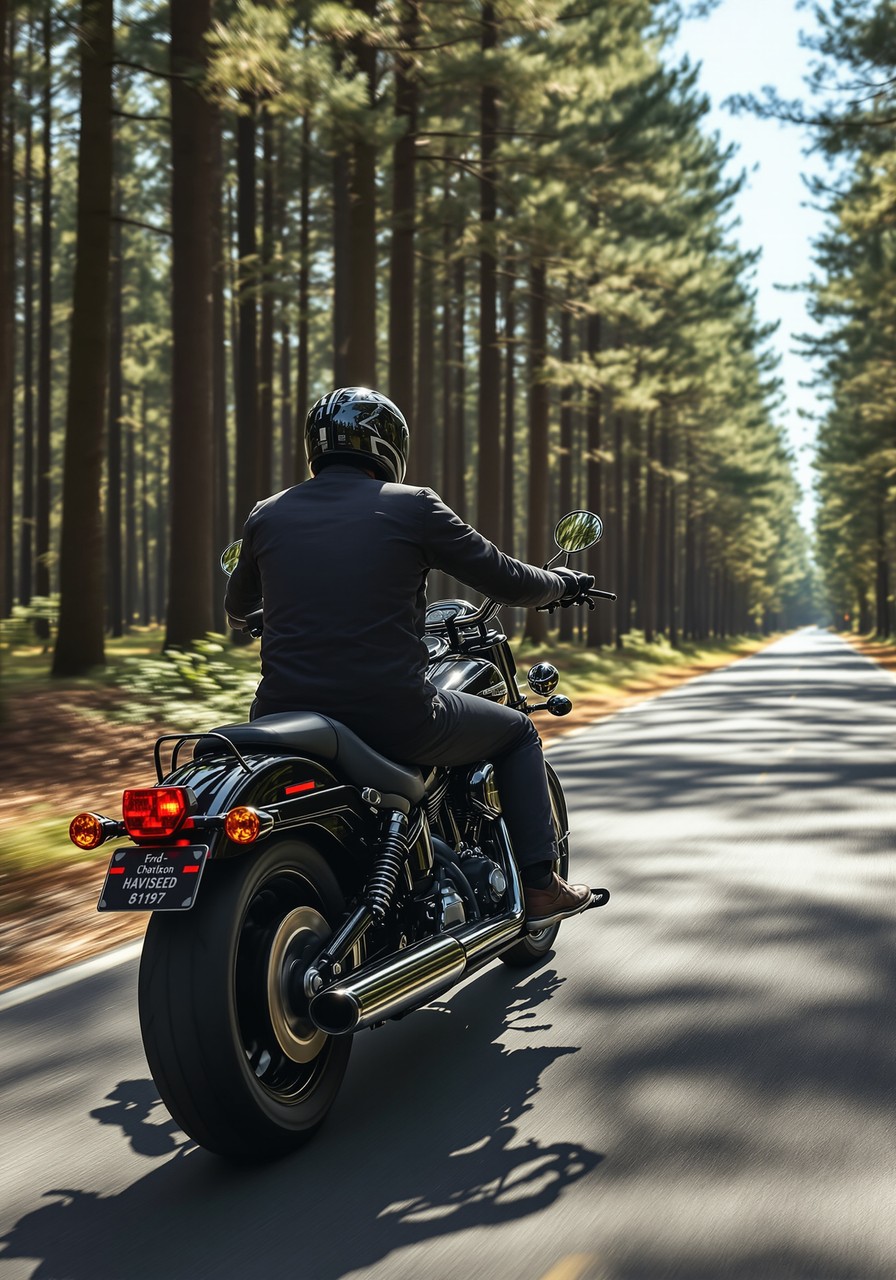
Deer season plus dusk on the Francis Marion back roads is no joke. If you are out late, drop your speed and scan the tree line. #RideNationSC #MotorcycleRoads #LowcountryRiding
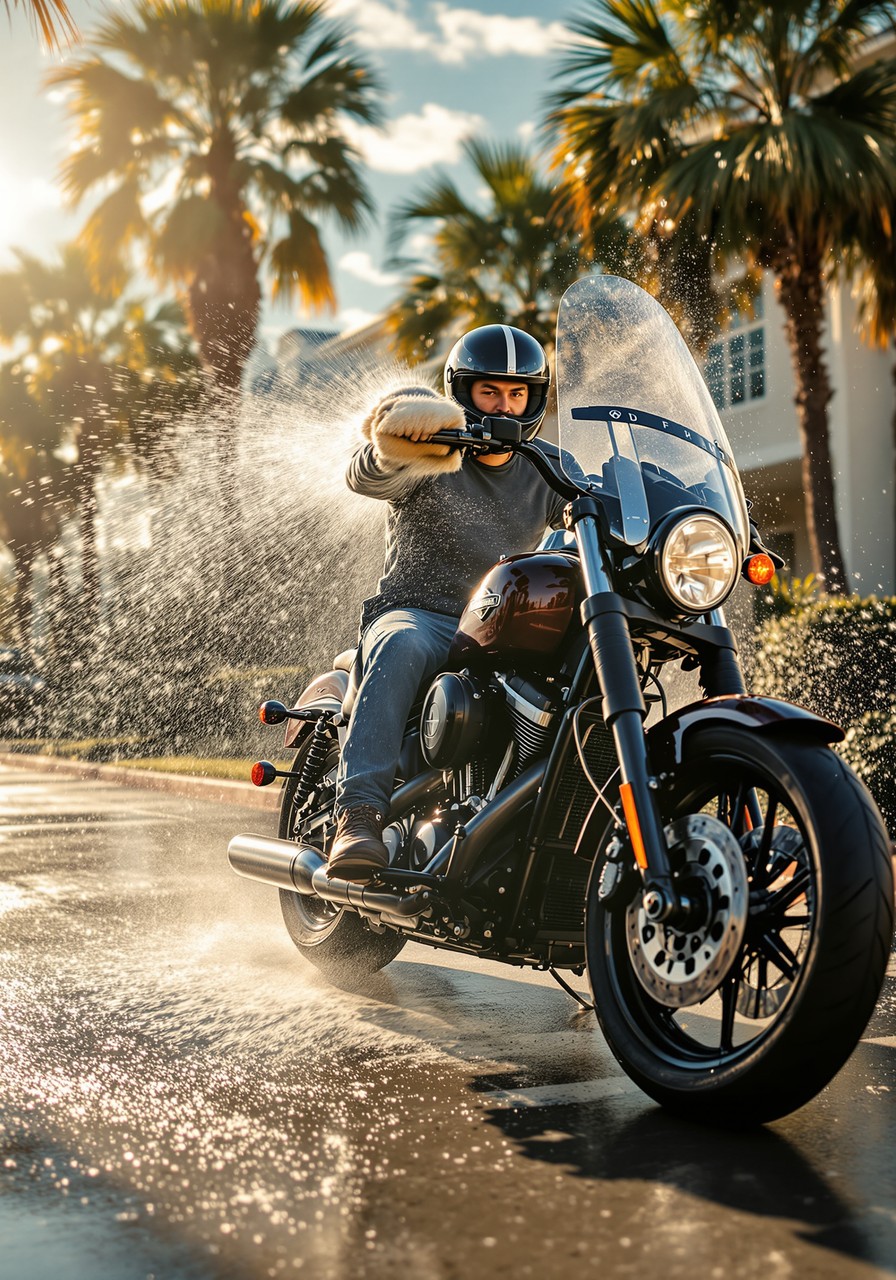
Gear & New Iron
Foggy visor in the Grand Strand humidity? A drop of anti-fog, a Pinlock insert, or cracking the shield at stops keeps your view clear when the air is thick. #RideNationSC #RiderTips #GearUp
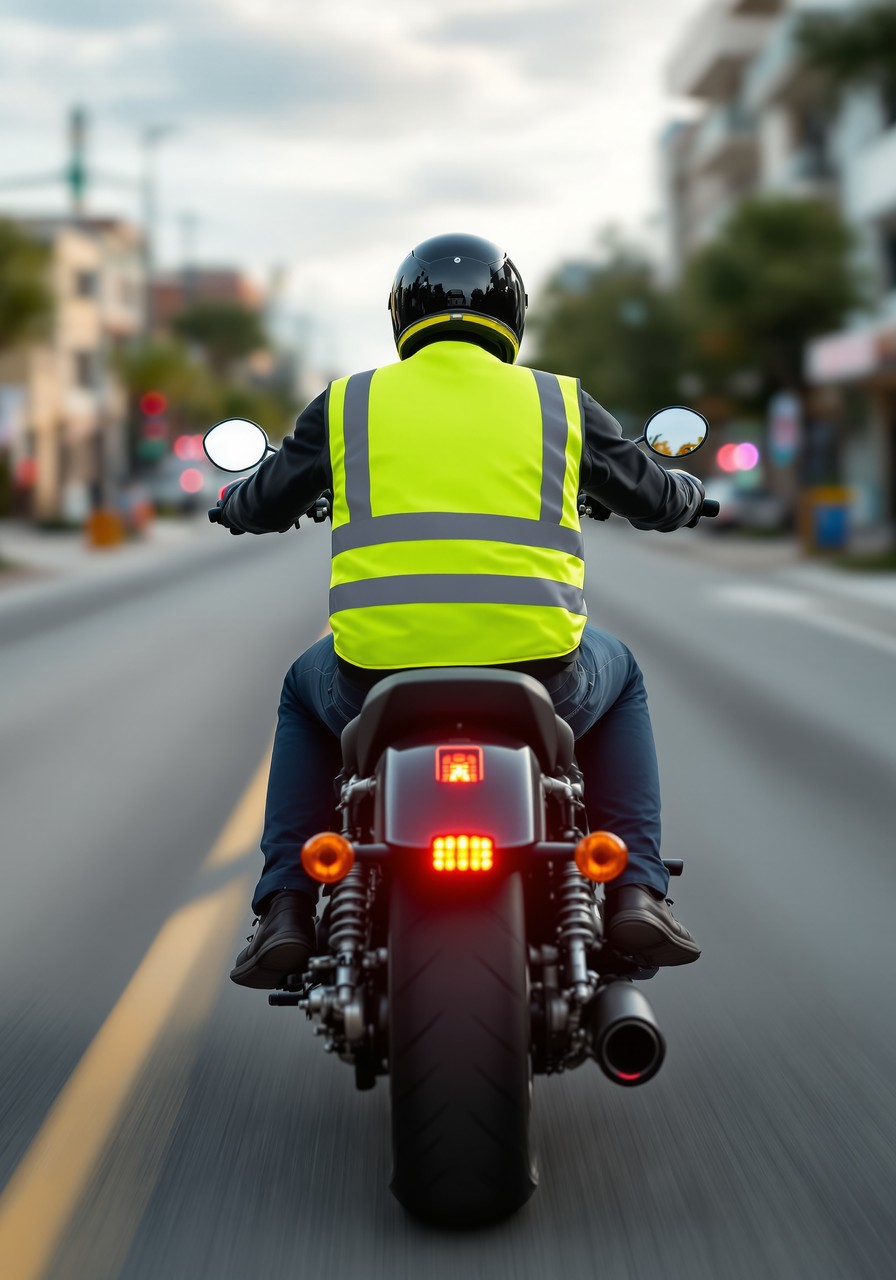
Safety & SC Law
After a crash, do not admit fault or guess at speeds at the scene. Say little, get medical care, and document everything. Then call The Lovely Law Firm at (843) 281-7452. #RideNationSC #RiderRights #KnowYourRights
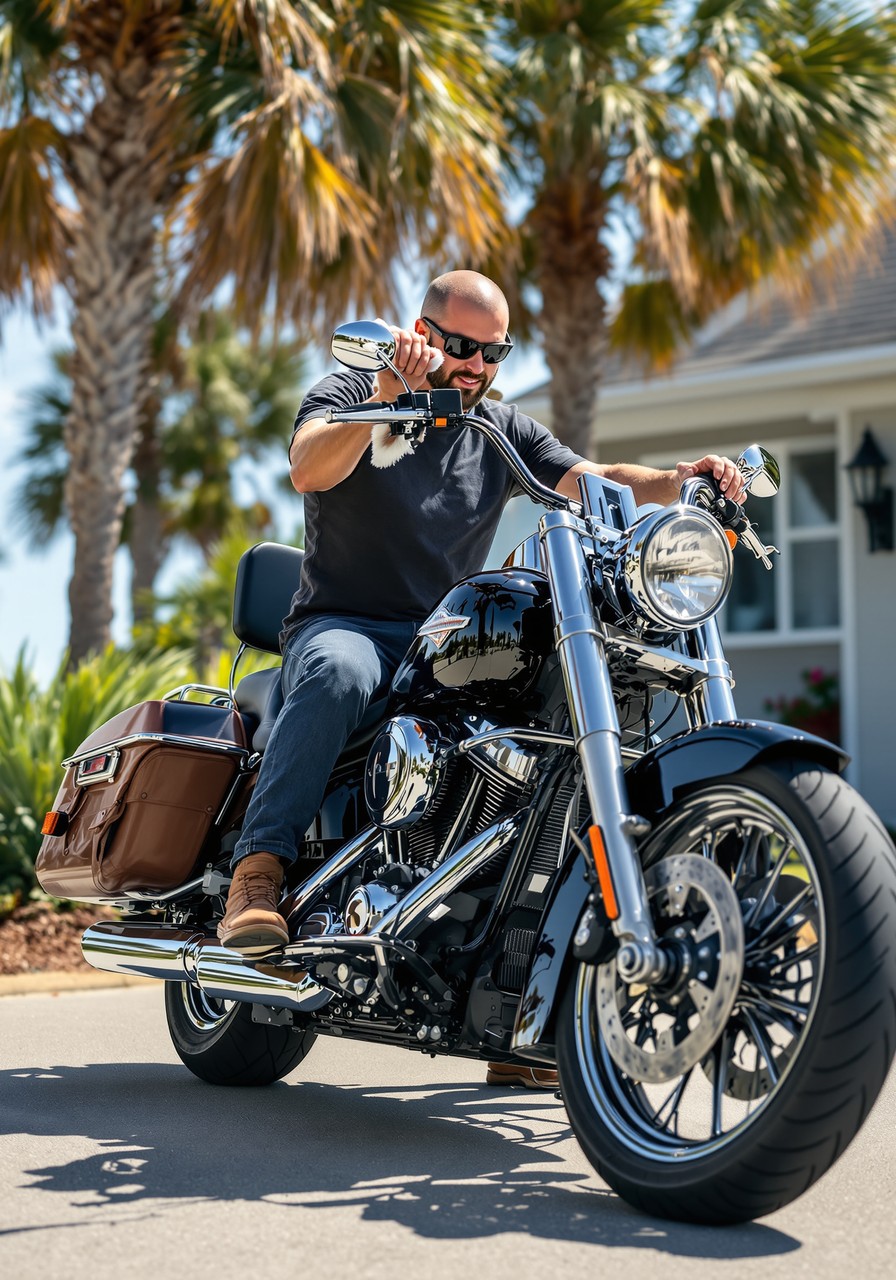
Engagement
Poll: solo ride or group ride energy today. A) just me and the road B) roll deep with the crew. Pick one. #RideNationSC #RideOrDie #SouthCarolinaRiders
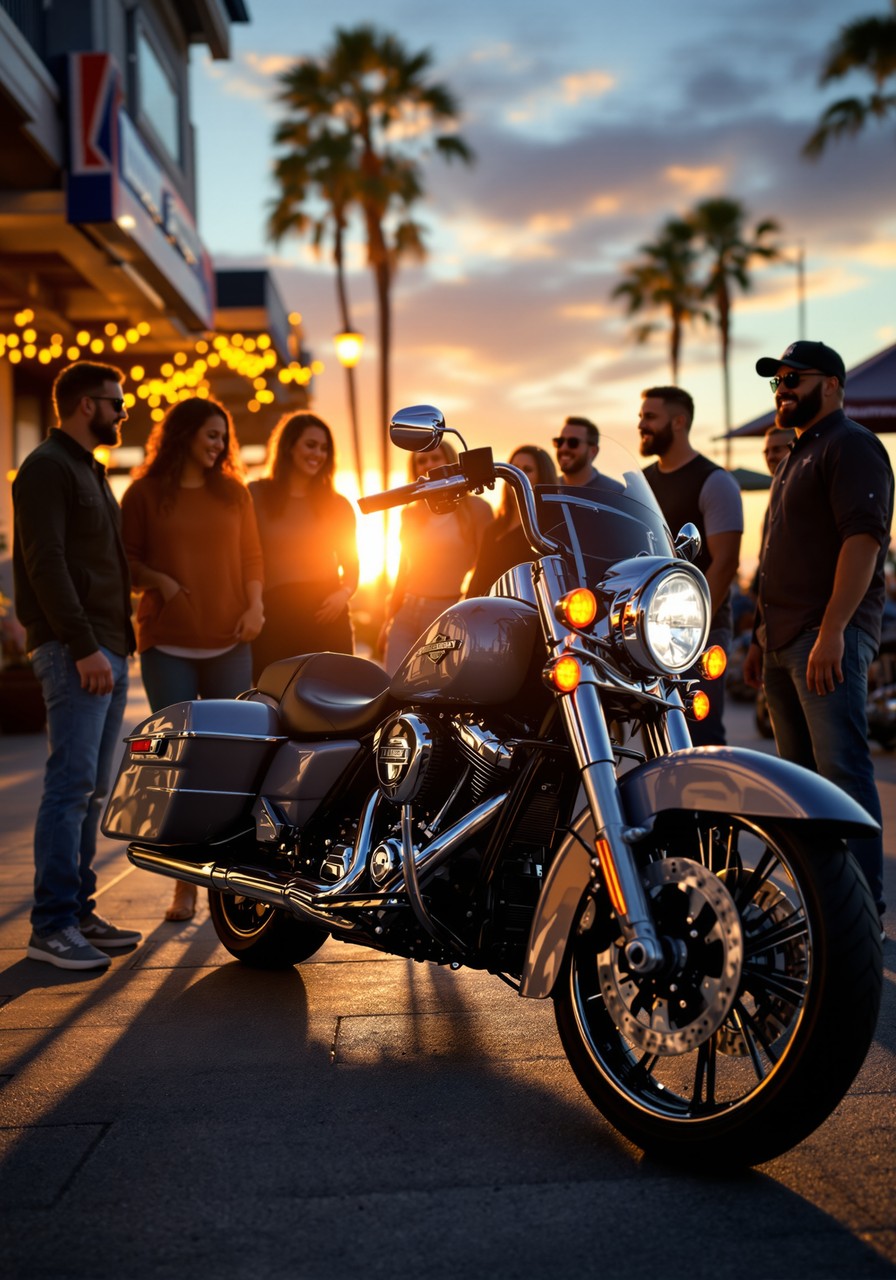
Giveaway & Countdown
Twenty grand. One lucky rider. The countdown to the BikersWin giveaway rolls on. #RideNationSC #BikersWin #SouthCarolinaRiders
Local SC & Rides
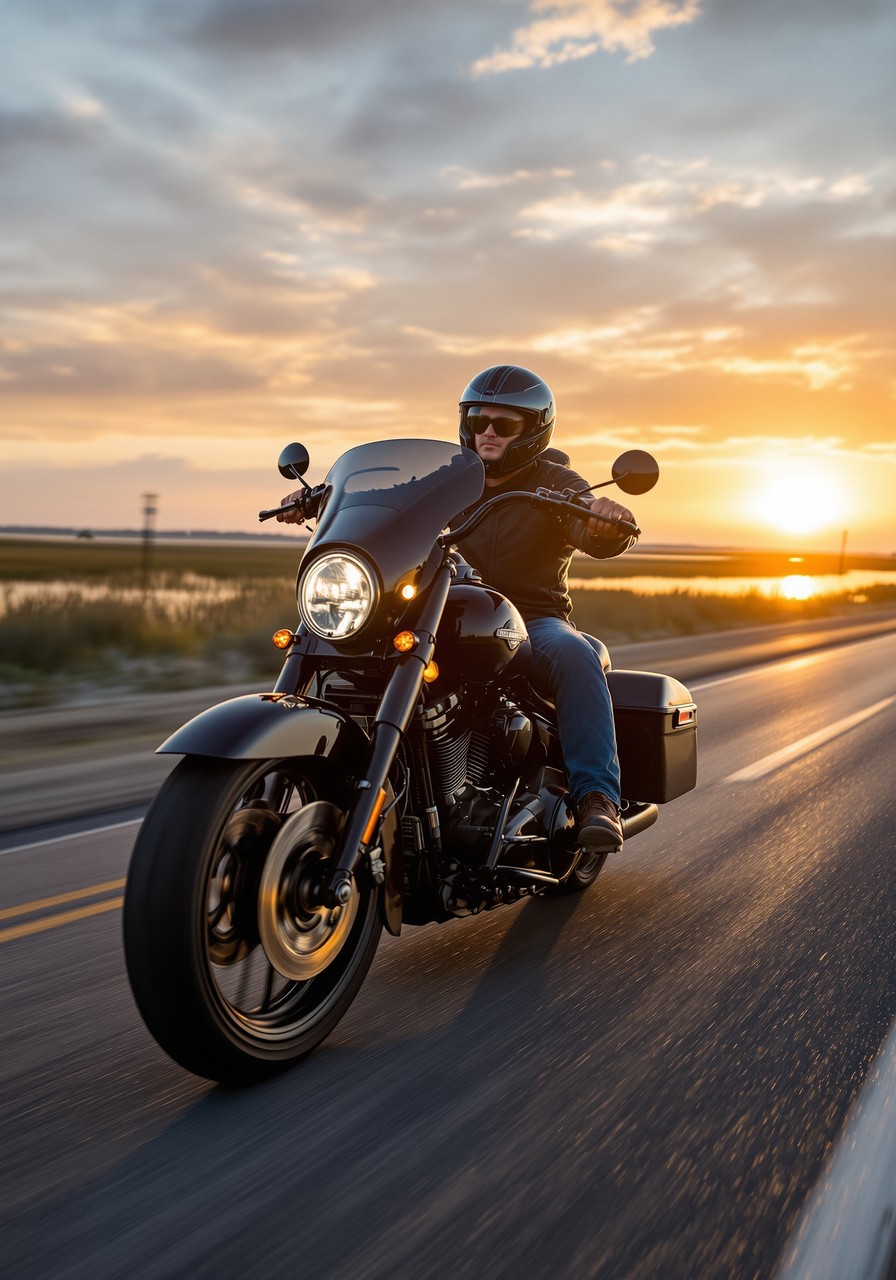
Ocean Boulevard at sunrise in the off-season is basically yours. Just mind the sand that drifts across near the beach accesses. #RideNationSC #MyrtleBeachRiders #GrandStrand
Gear & New Iron
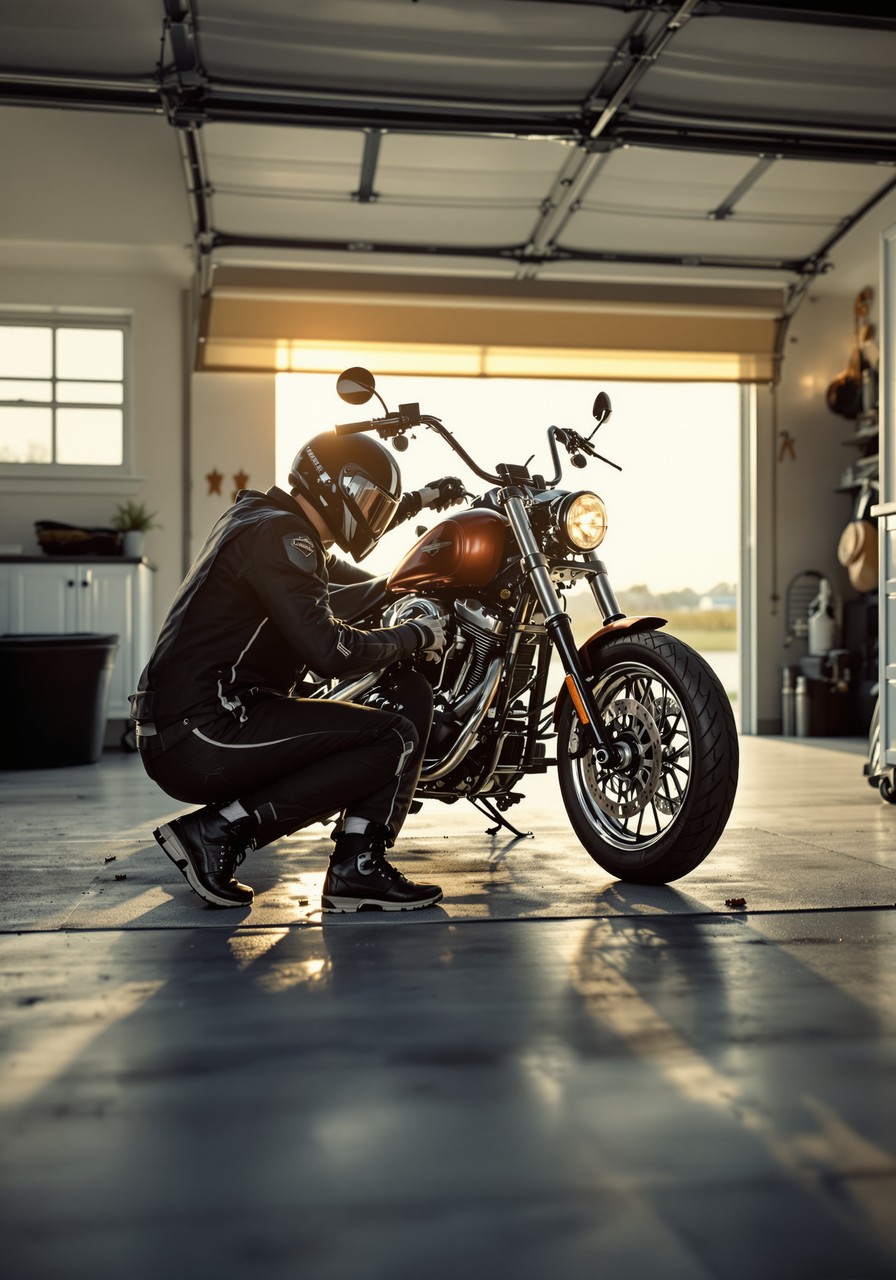
Coastal storms roll in fast off the Atlantic. If the bike lives outside, a breathable cover keeps salt spray, rain, and UV off the paint and seals. #RideNationSC #SaltAir #MotorcycleMaintenance
Safety & SC Law
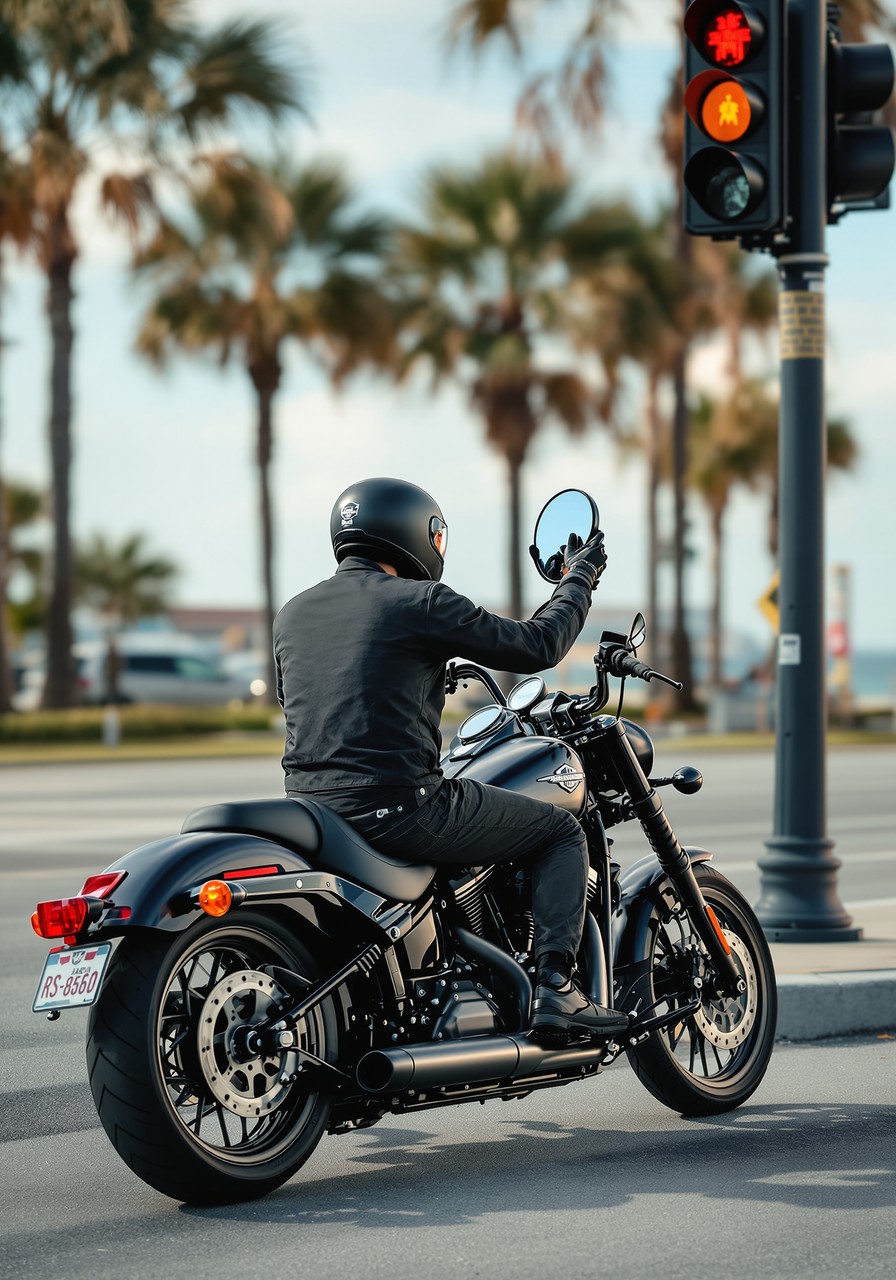
Uninsured and underinsured drivers are common on the Strand, and your UM/UIM is what steps in when they cannot pay. Check those limits today, not after a wreck. #RideNationSC #KnowYourRights #SouthCarolinaRiders
Engagement
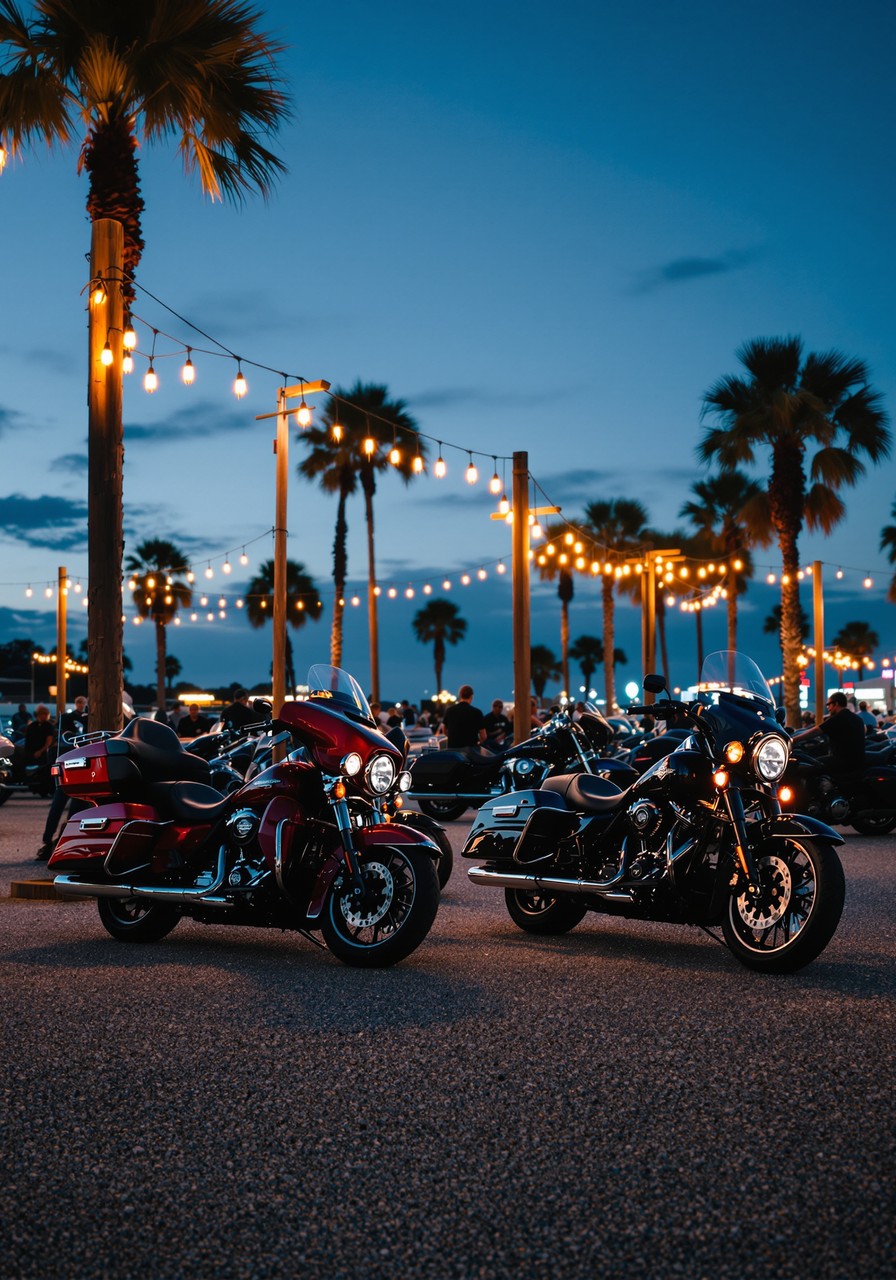
Fill in the blank: you are not a real Grand Strand rider until you have ______. #RideNationSC #GrandStrand #TwoWheels
Giveaway & Countdown
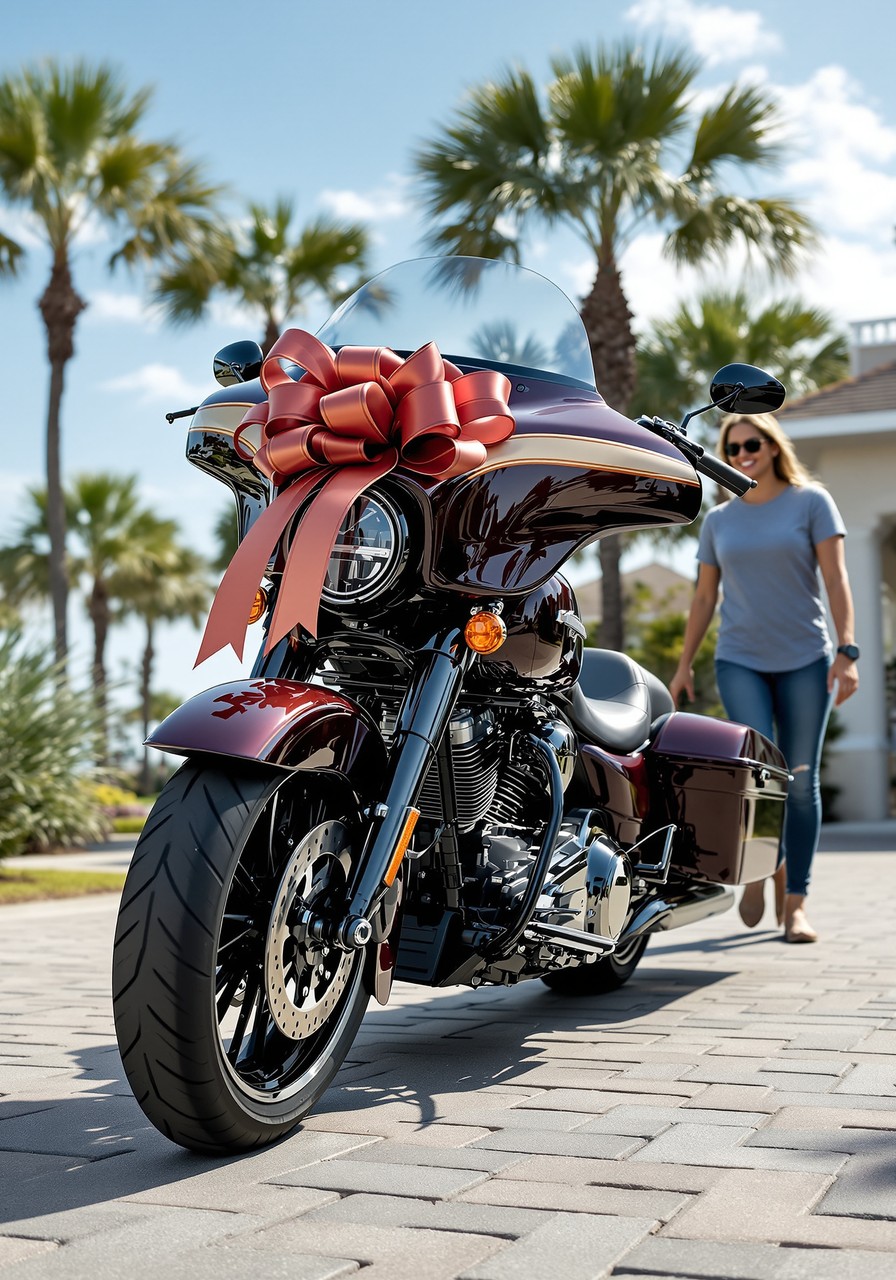
Somebody is going to win $20,000. Might as well be one of ours. Share this with your crew. #RideNationSC #20kGiveaway #MyrtleBeachRiders
Local SC & Rides
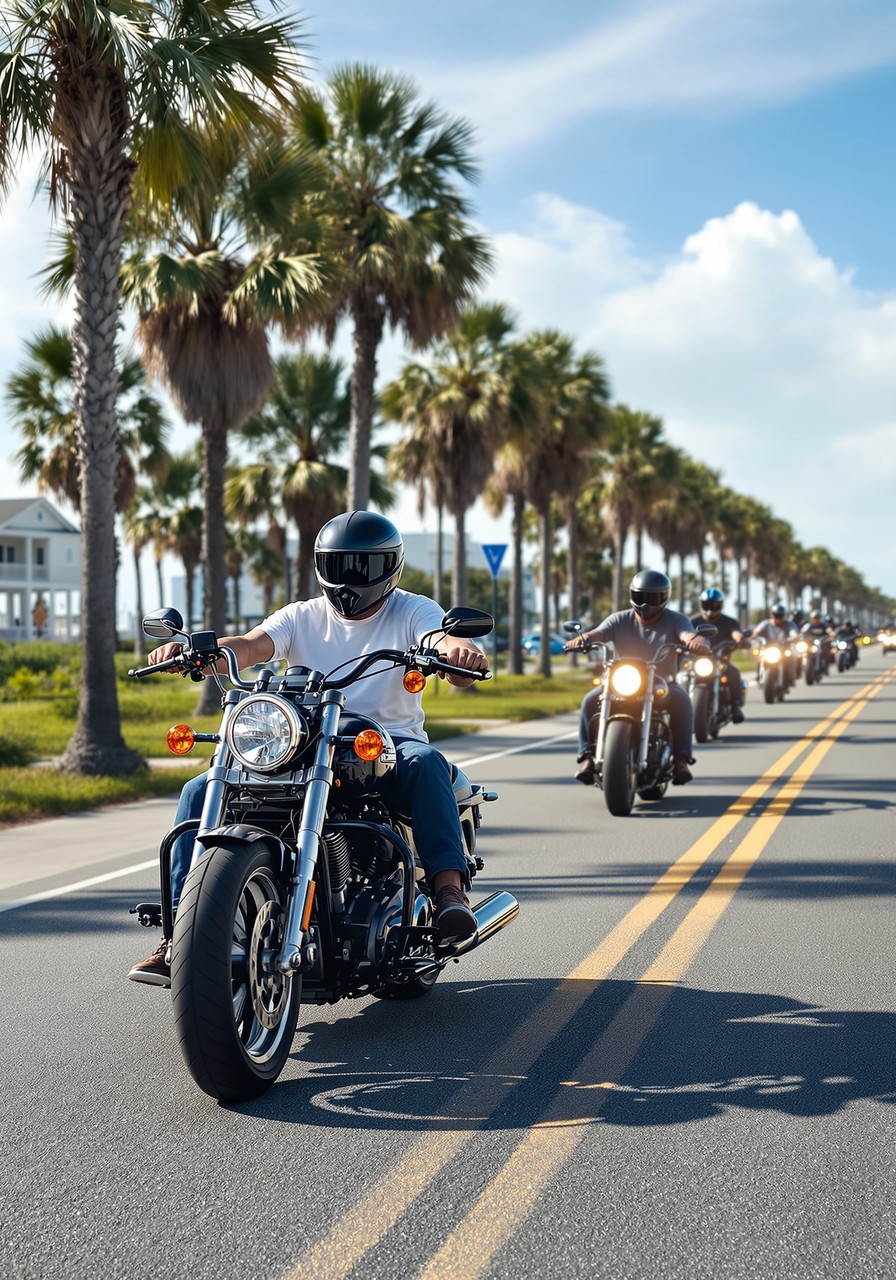
Warm blue-sky day chasing out a cold week? That is your cue. Fuel up and point it toward Murrells Inlet. #RideNationSC #MurrellsInlet #GrandStrand
Gear & New Iron
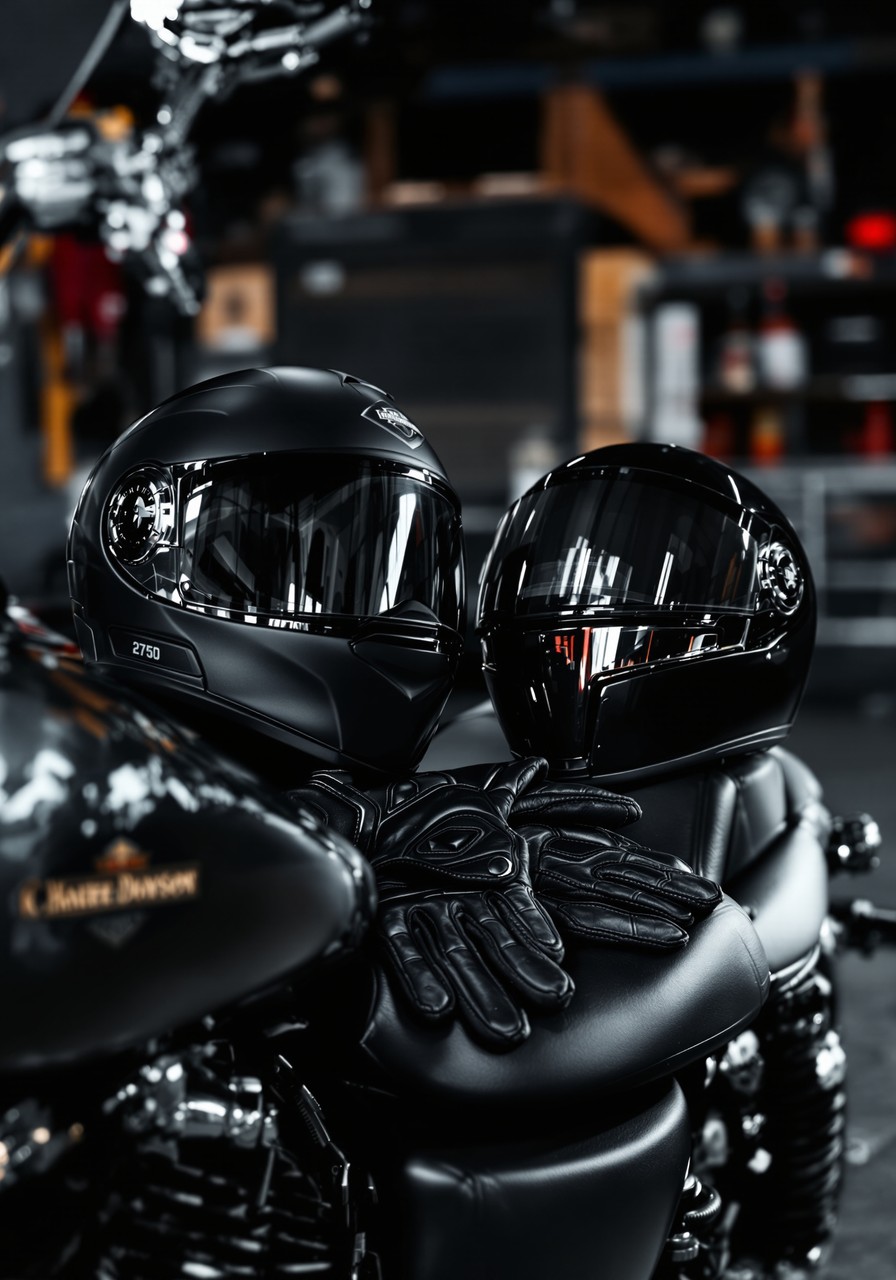
Storing the bike for a stretch? Add fuel stabilizer and top off the tank so ethanol and coastal moisture do not gum up the fuel system while it sits. #RideNationSC #MotorcycleMaintenance #RiderTips
Safety & SC Law
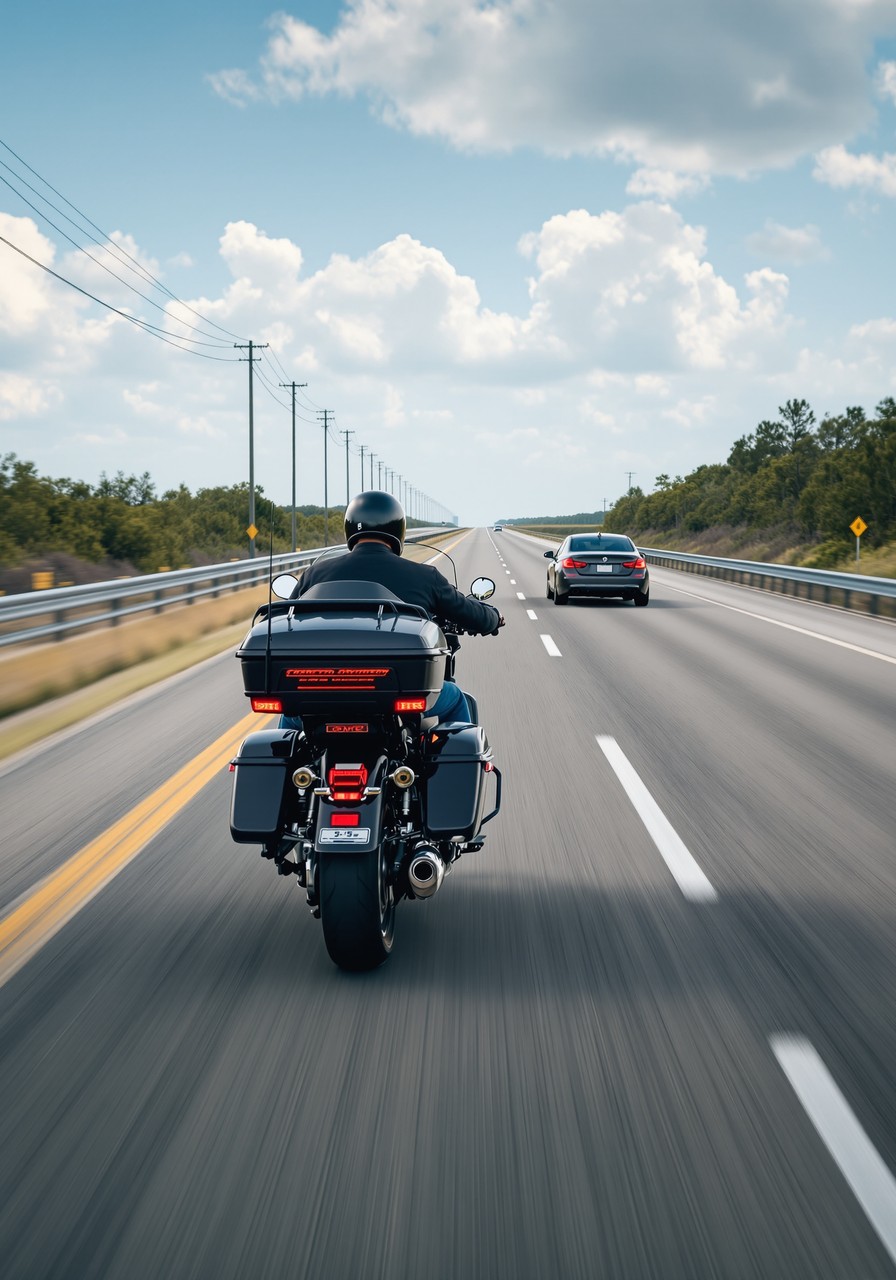
Three years sounds like a long time to file in SC, but memories fade and cameras get wiped. Lock in your evidence now and protect your options. Call The Lovely Law Firm at (843) 281-7452. #RideNationSC #RiderRights #MyrtleBeachRiders
Engagement
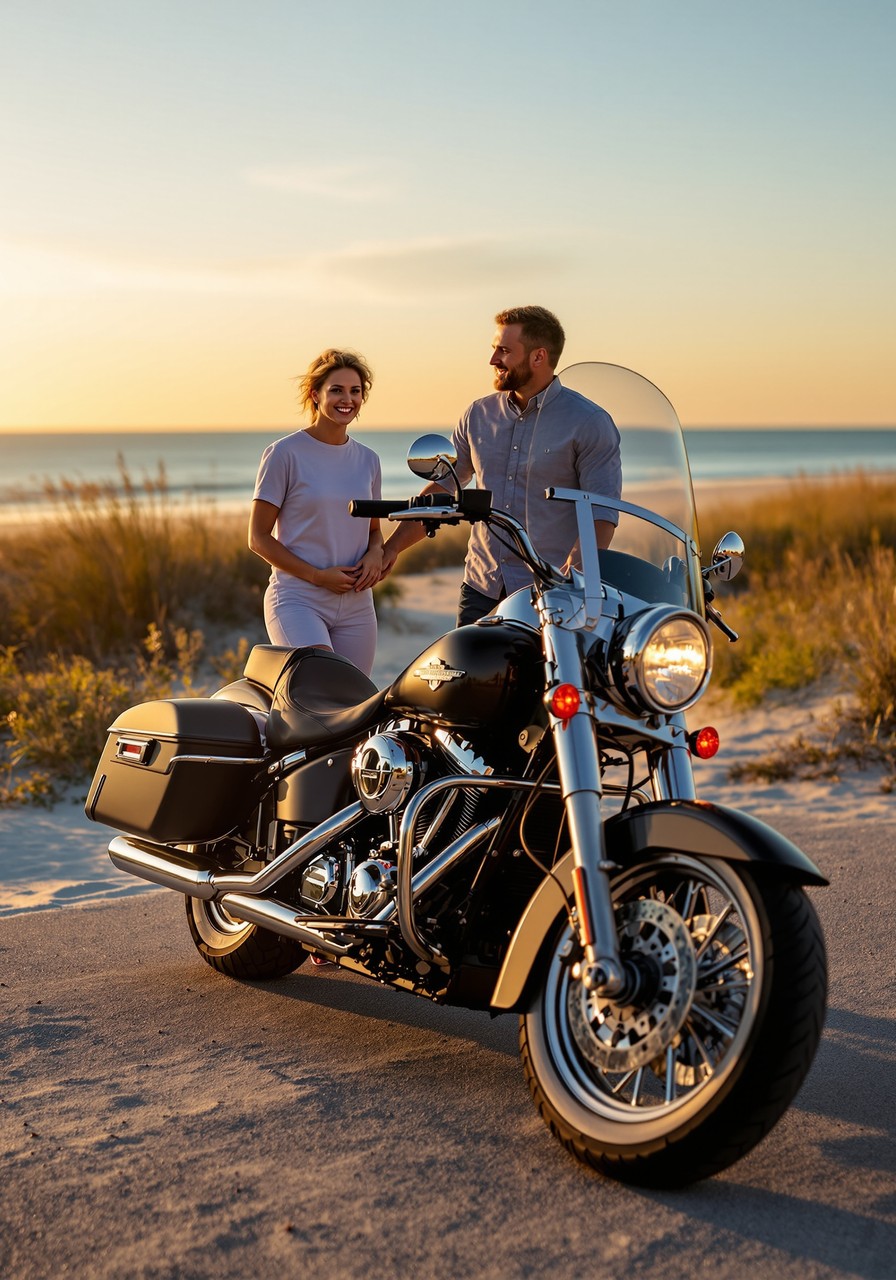
Caption this: your speedometer, your gloves, and a whole lot of open US-17 ahead. #RideNationSC #MyrtleBeachRiders #TwoWheels
Giveaway & Countdown
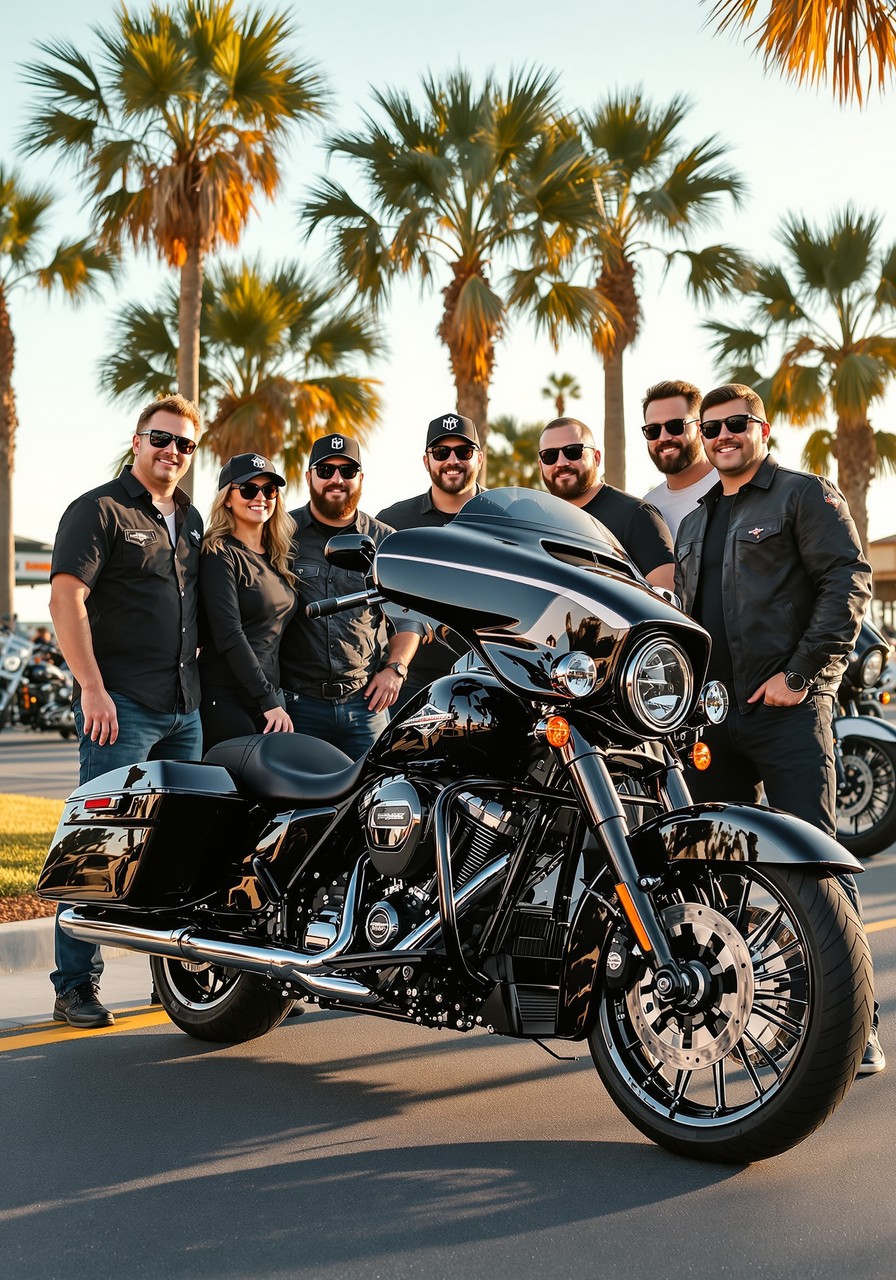
The Grand Strand takes care of its riders. Pass the BikersWin giveaway along to a friend. #RideNationSC #BikersWin #GrandStrand
Local SC & Rides
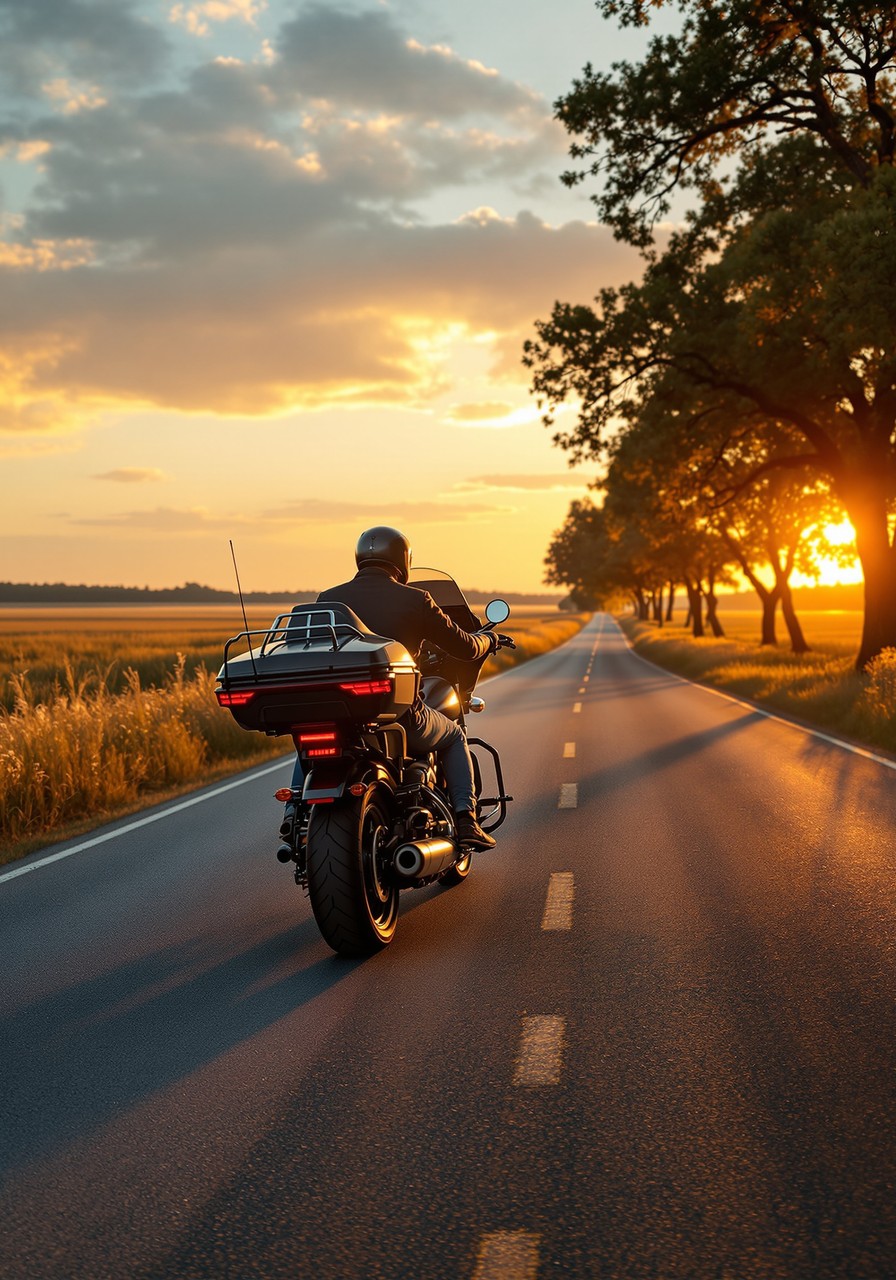
The Intracoastal Waterway bridges give you the best water views on the Strand. On a damp morning, cross them upright and steady, the decks stay slick. #RideNationSC #GrandStrand #MotorcycleRoads
Gear & New Iron
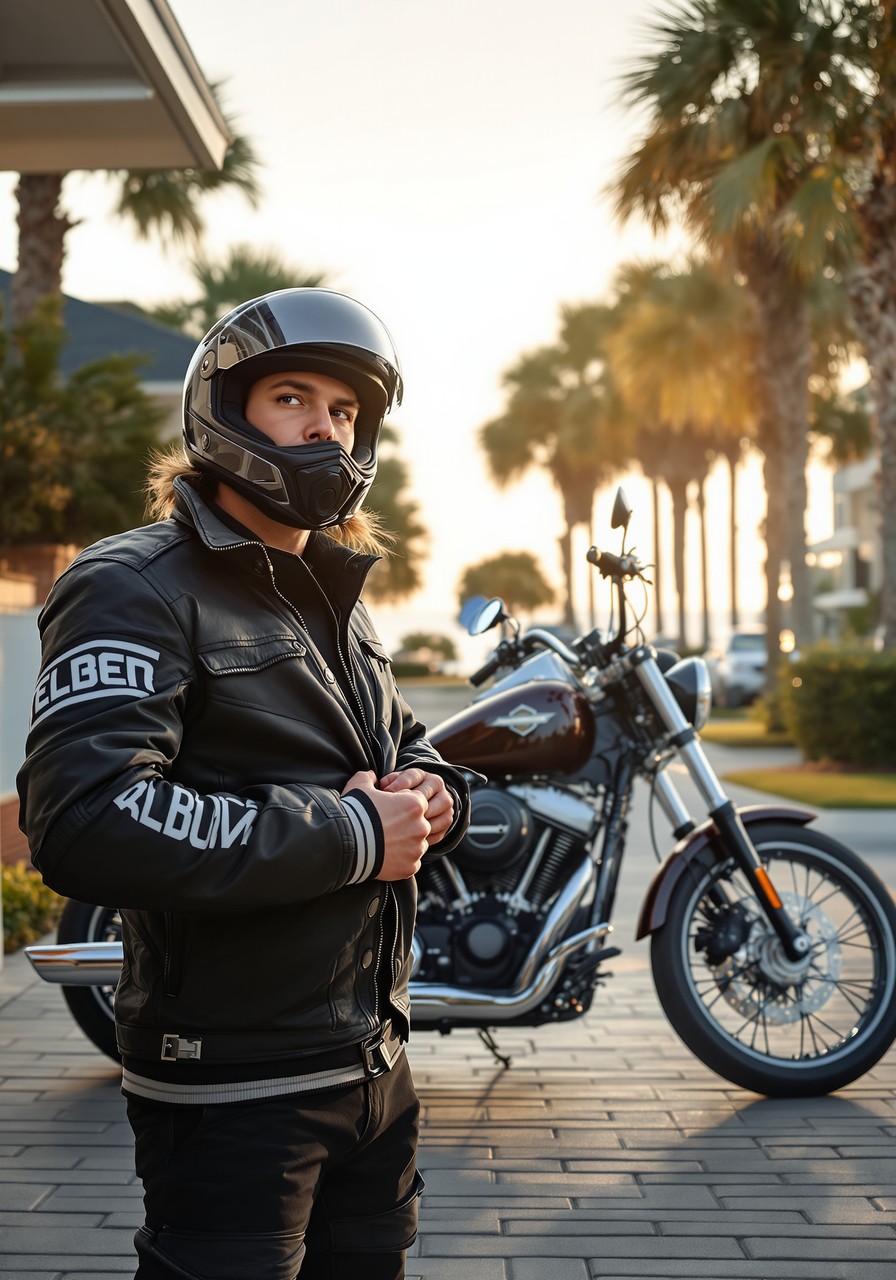
Wash and wax is not vanity on the coast, it is protection. A good coat of wax gives salt air one more layer to fight through before it reaches your metal. #RideNationSC #SaltAir #MotorcycleMaintenance
Safety & SC Law
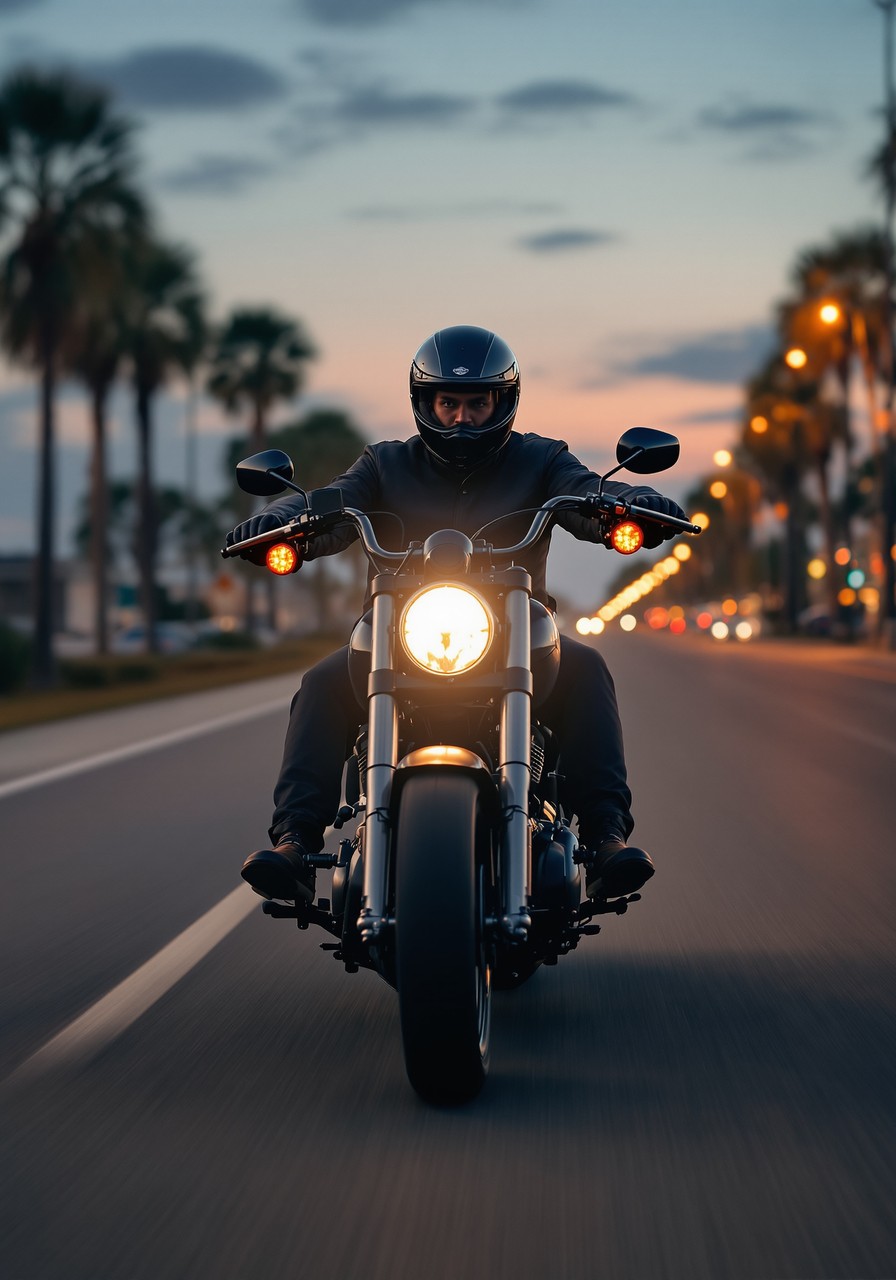
Intersections are where riders get hit hardest. Slow your entry, scan for turning tires, and keep a finger on the front brake through every green light. #RideNationSC #MotorcycleSafety #GrandStrand
Engagement
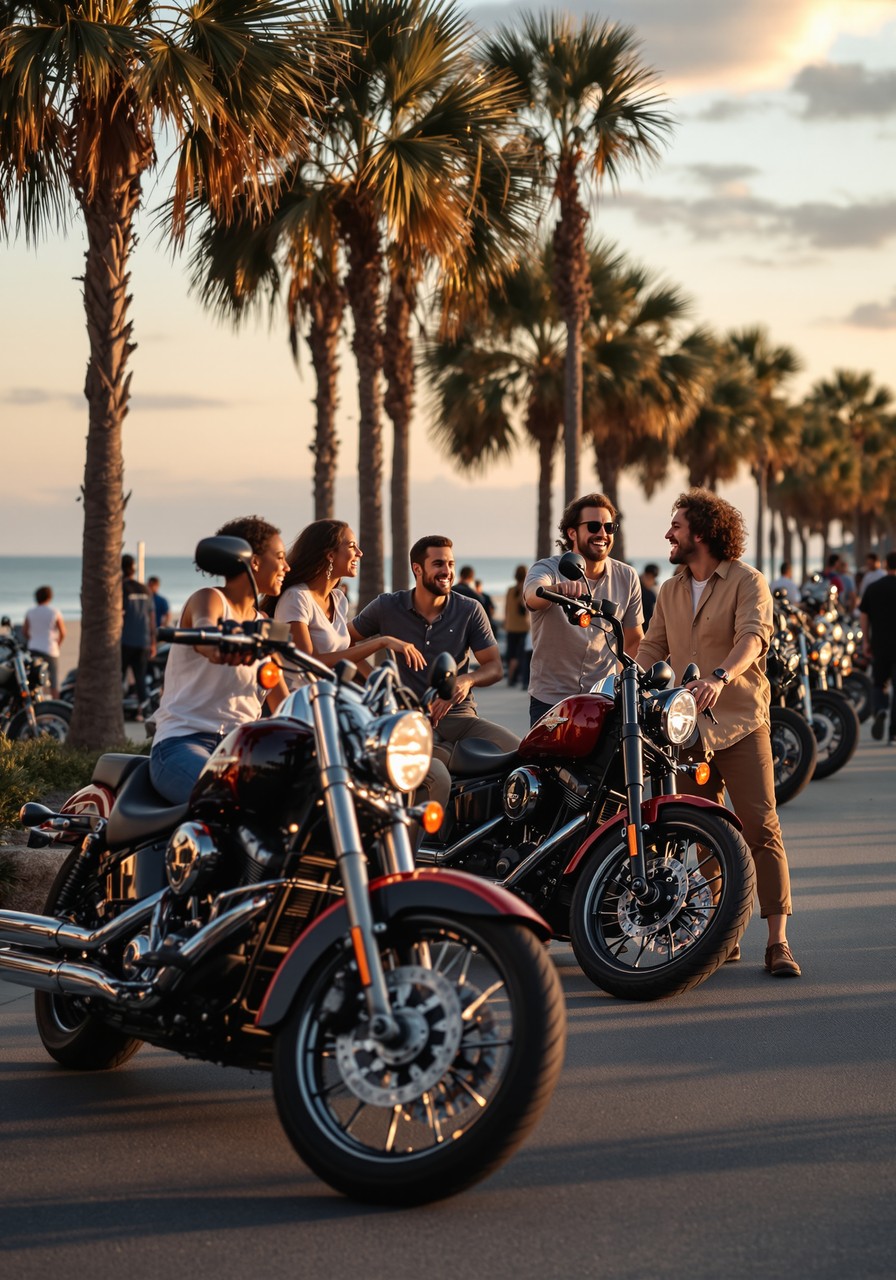
Tag someone who still owes you a ride they keep canceling. Gentle public reminder. #RideNationSC #RideOrDie #SouthCarolinaRiders
Giveaway & Countdown
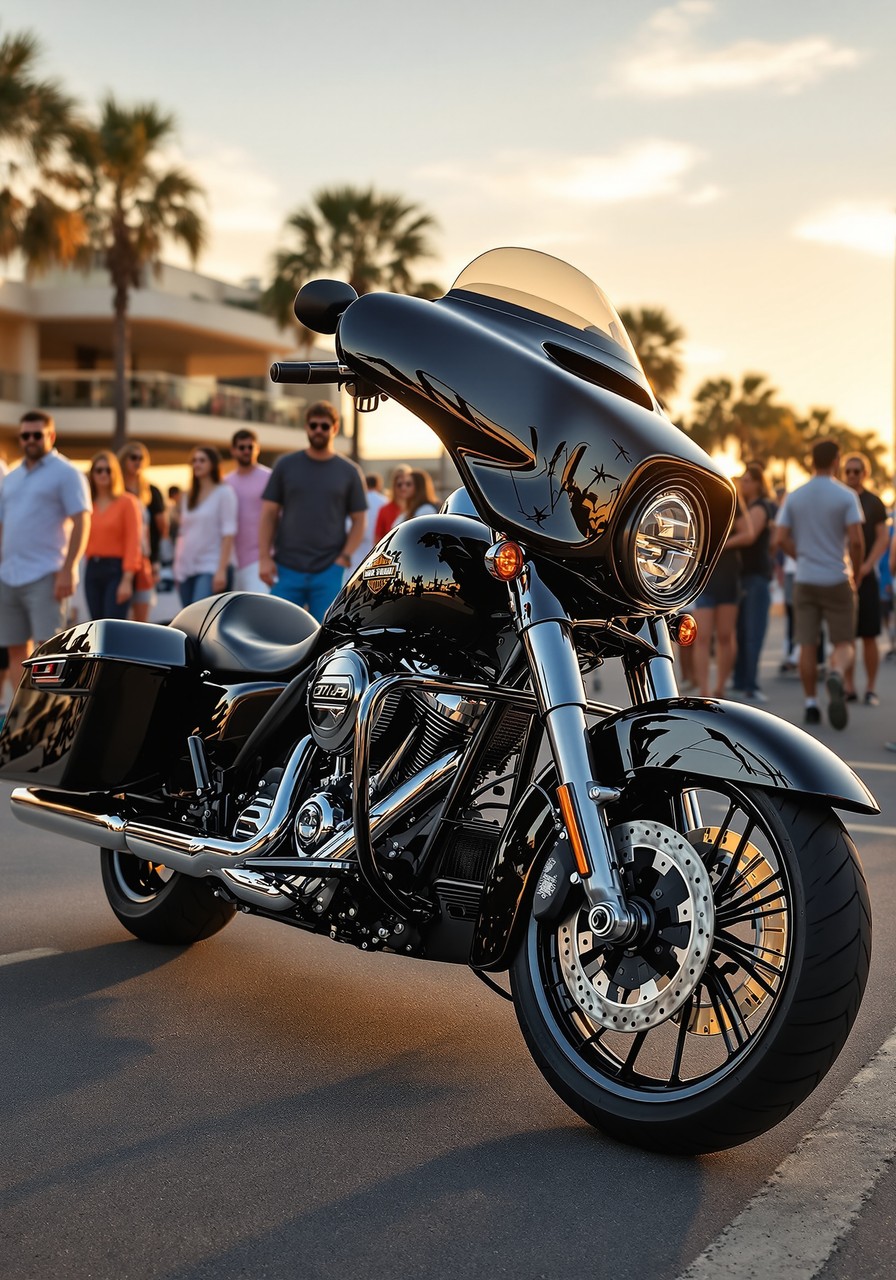
Clock is ticking on the $20,000 motorcycle giveaway. Do not let your riding buddies miss it. #RideNationSC #MotorcycleGiveaway #20kGiveaway
Local SC & Rides
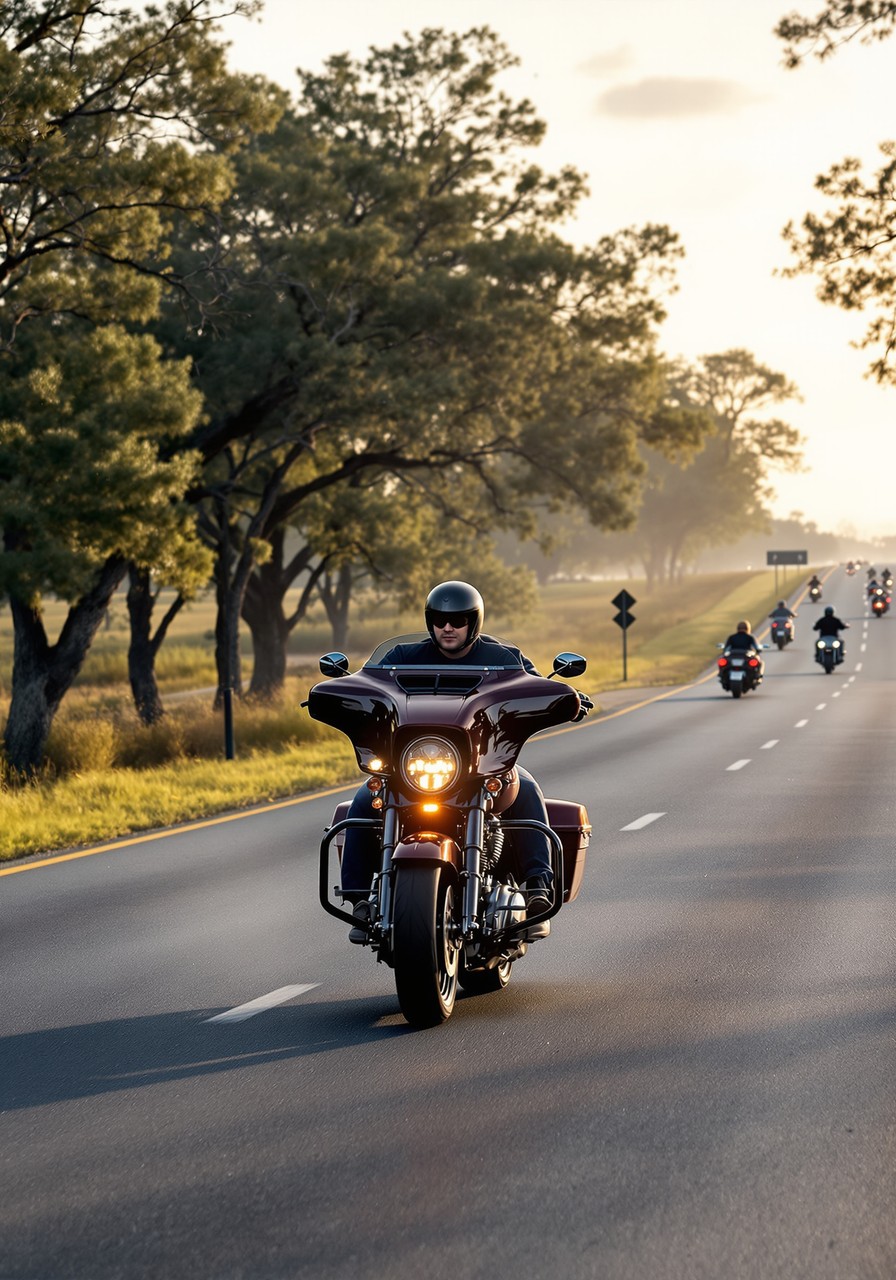
Georgetown is worth the ride south on US-17. Historic waterfront, easy pace, and a good excuse to log some winter miles. #RideNationSC #LowcountryRiding #SouthCarolinaRiders
Gear & New Iron
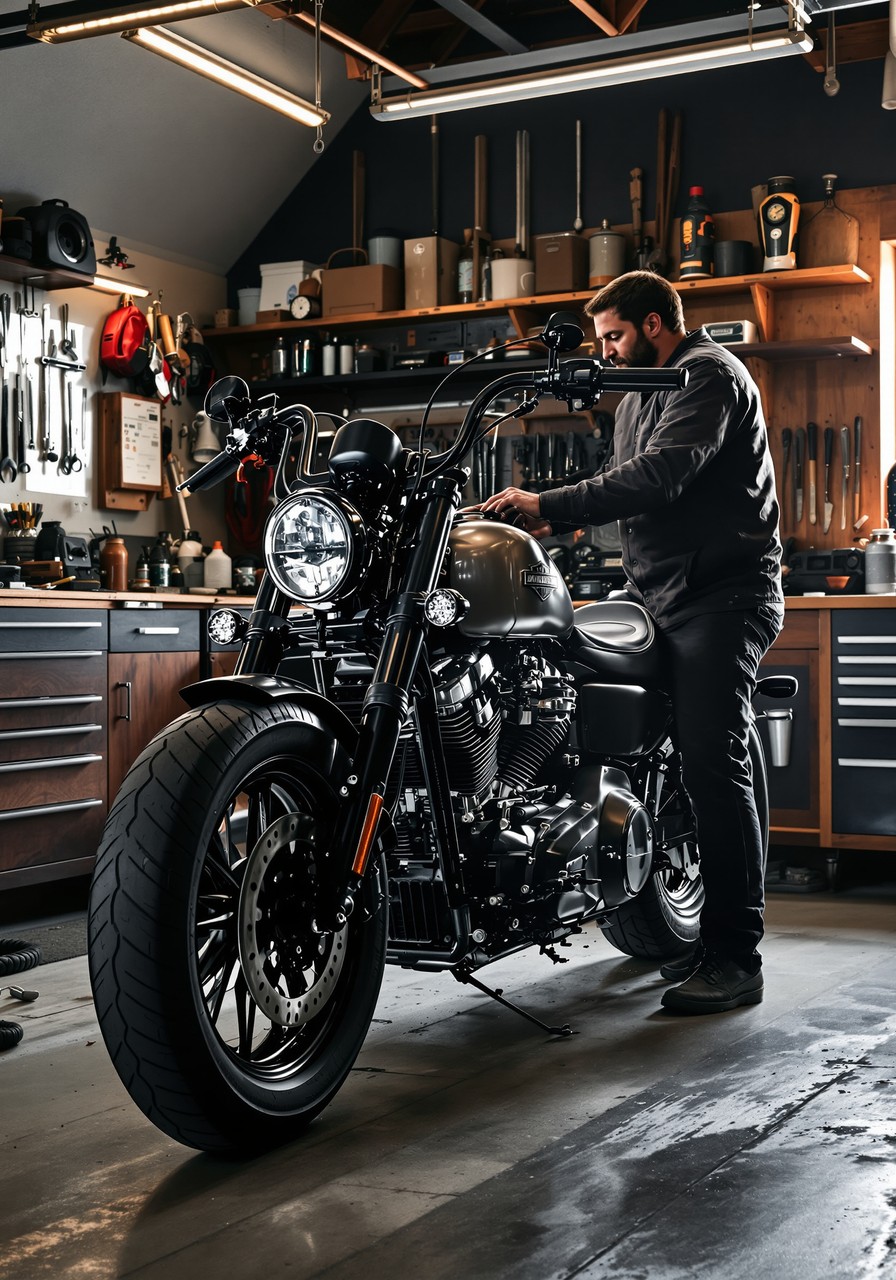
New iron season is here and the middleweight naked bikes are looking sharp. Sitting a new one? Take the test ride, but ride your own pace while you learn it. #RideNationSC #NewIron #BikerLife
Safety & SC Law
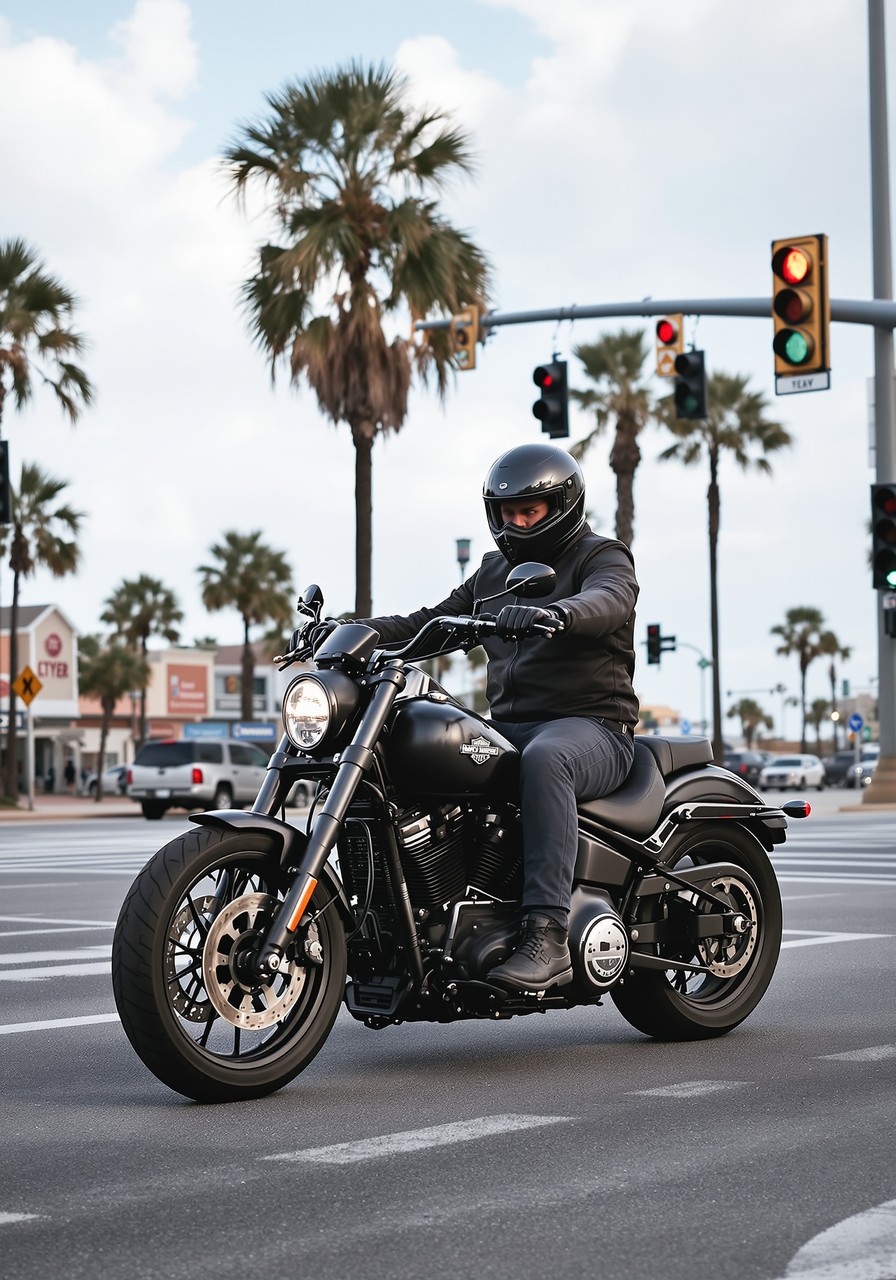
Insurers count on riders not knowing SC law. Knowing your comparative fault rules and your UM coverage keeps them honest. Have questions? Call The Lovely Law Firm at (843) 281-7452. #RideNationSC #KnowYourRights #RiderRights
Engagement
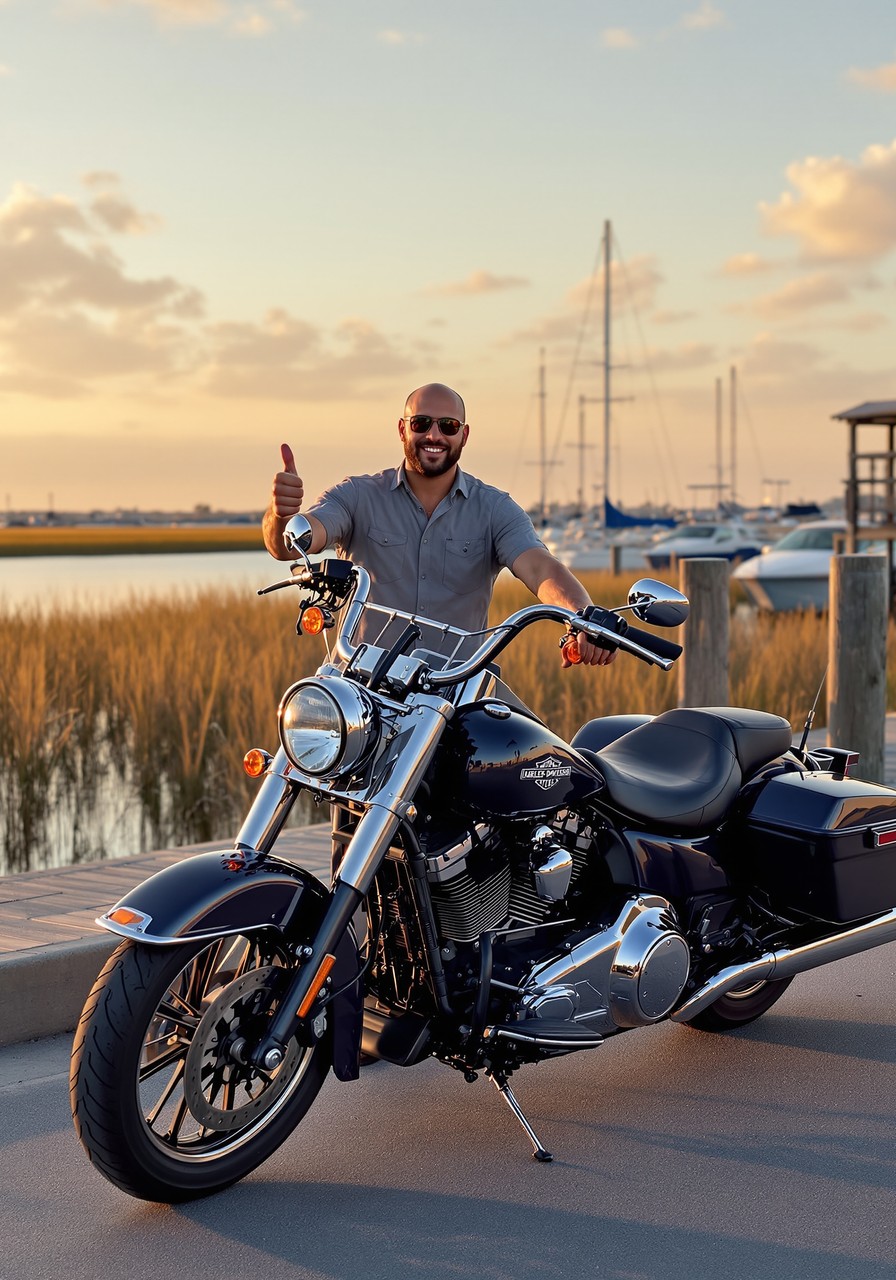
Quick poll: does the ocean smell hit different from two wheels. Yes or absolutely yes. #RideNationSC #GrandStrand #MyrtleBeachRiders
Giveaway & Countdown
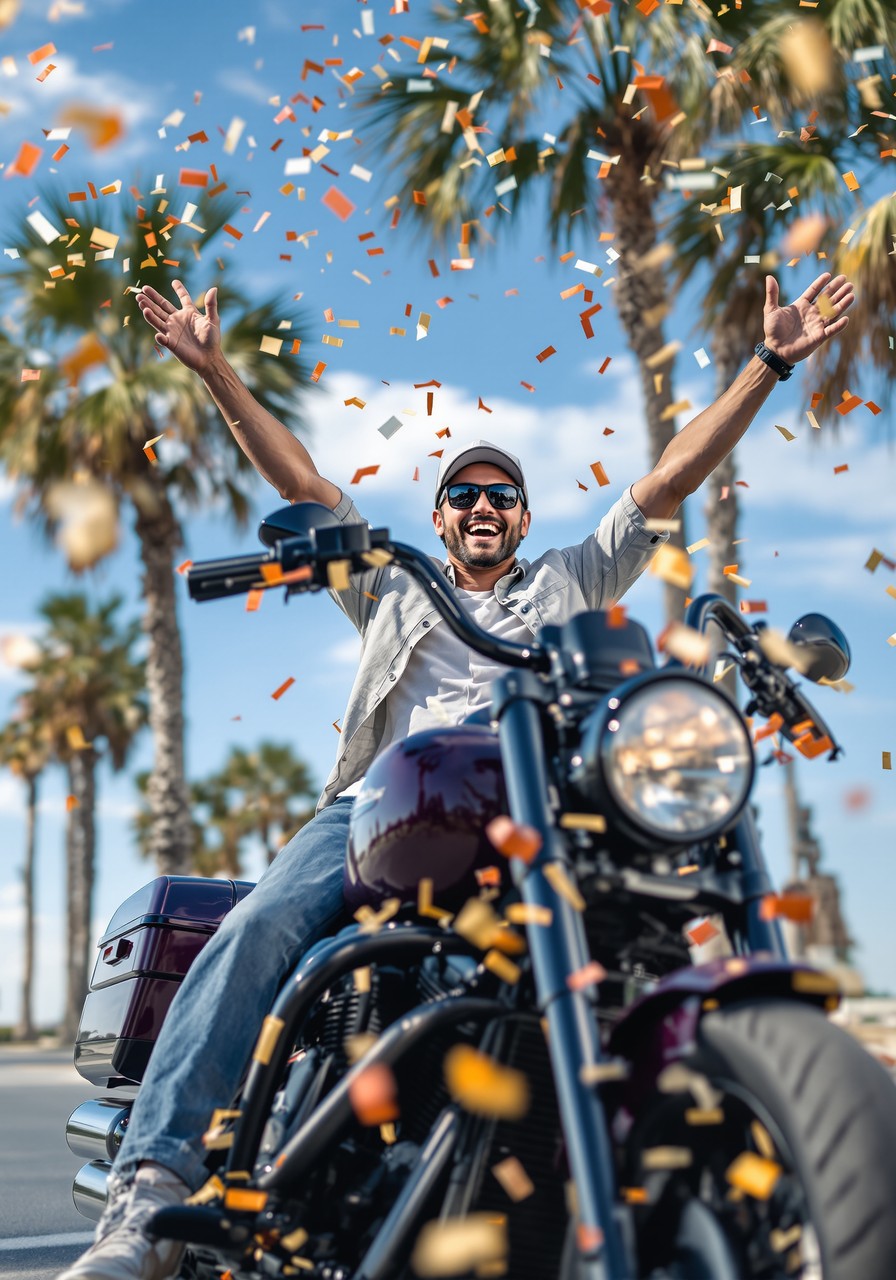
Winner energy, Myrtle Beach. The BikersWin giveaway is live and the momentum is real. #RideNationSC #BikersWin #MyrtleBeachRiders
Local SC & Rides
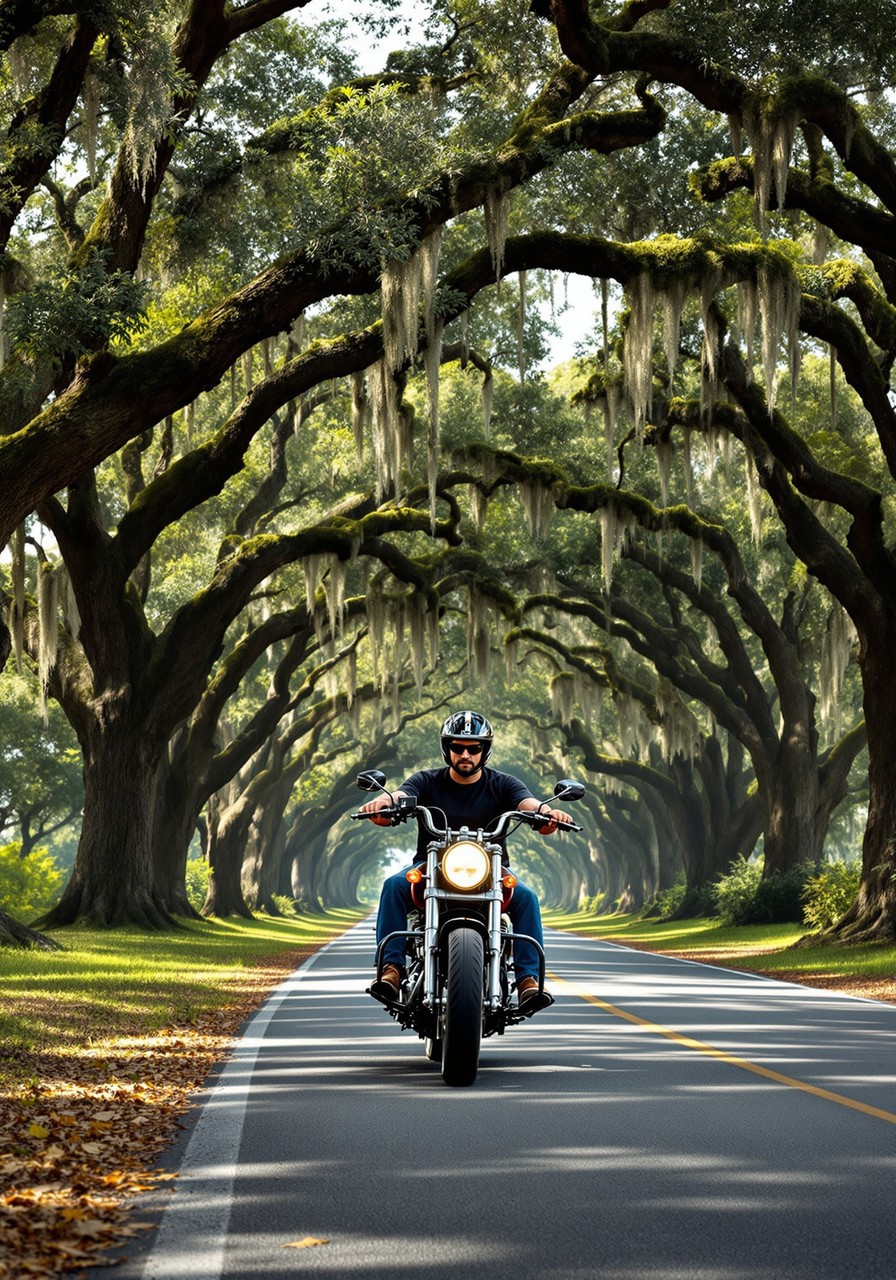
SC-31 north early on a Sunday is empty and open. Let the Carolina Bays Parkway stretch your legs before the tourist season returns. #RideNationSC #MotorcycleRoads #MyrtleBeachRiders
Gear & New Iron
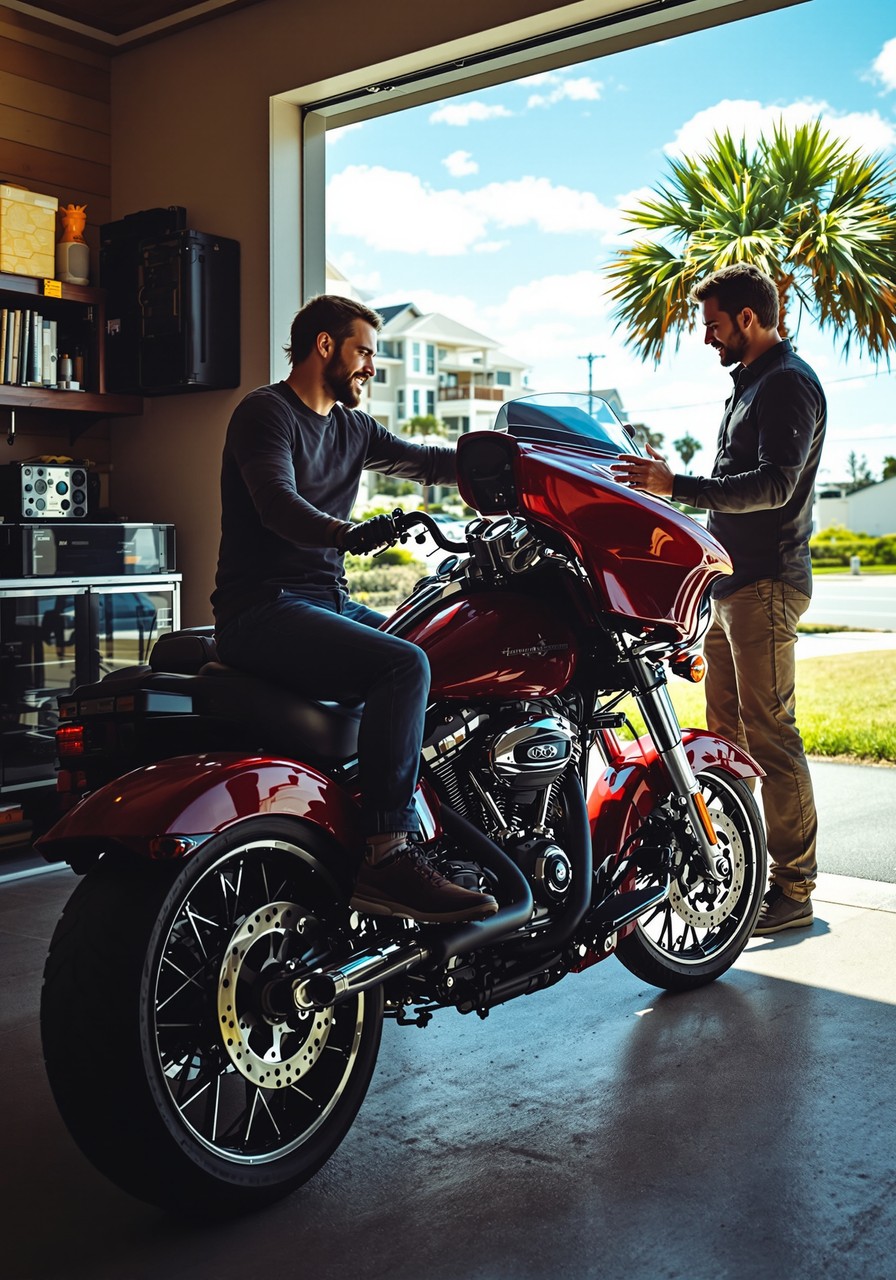
Thinking about a new-to-you bike? Check the tire dates, the chain, and the brake fluid before you fall for the paint. A clean cosmetic bike can still be tired underneath. #RideNationSC #NewIron #RiderTips
Safety & SC Law
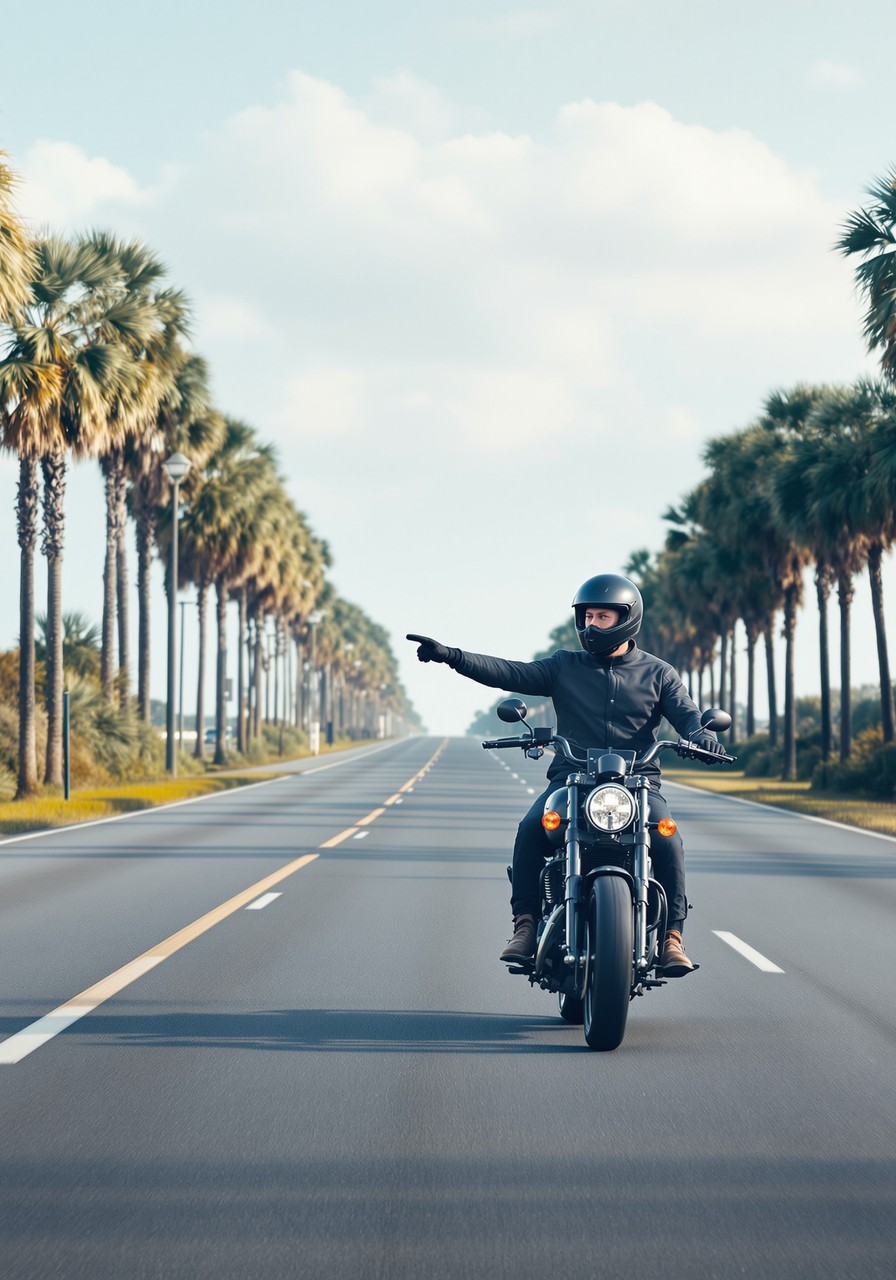
Blown sand across a coastal curve acts like ball bearings under your tires. Ease off before the bend, not in the middle of it. #RideNationSC #MotorcycleSafety #GrandStrand
Engagement
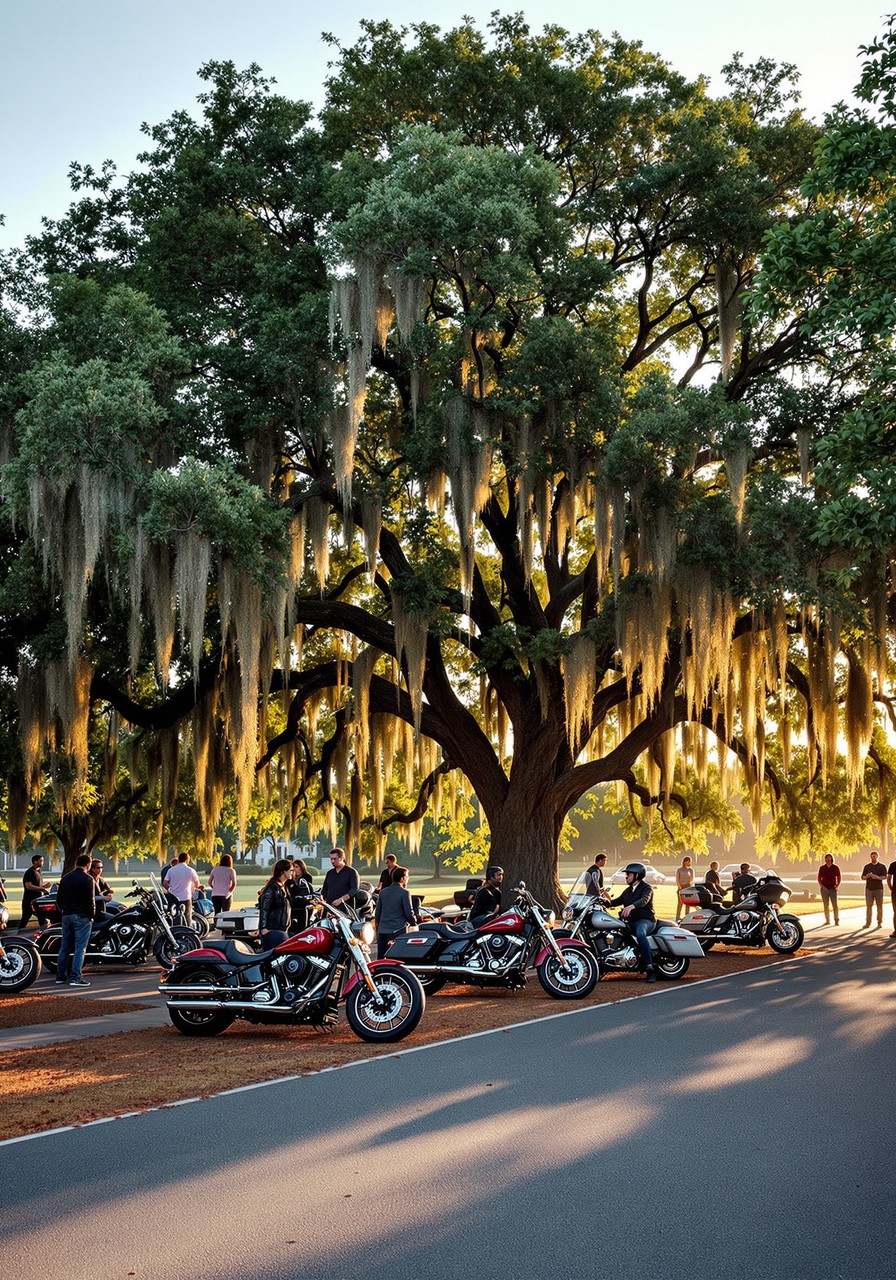
This or that: Brookgreen Gardens slow roll or a wide-open Pawleys Island stretch. Choose your vibe. #RideNationSC #PawleysIsland #TwoWheels
Giveaway & Countdown
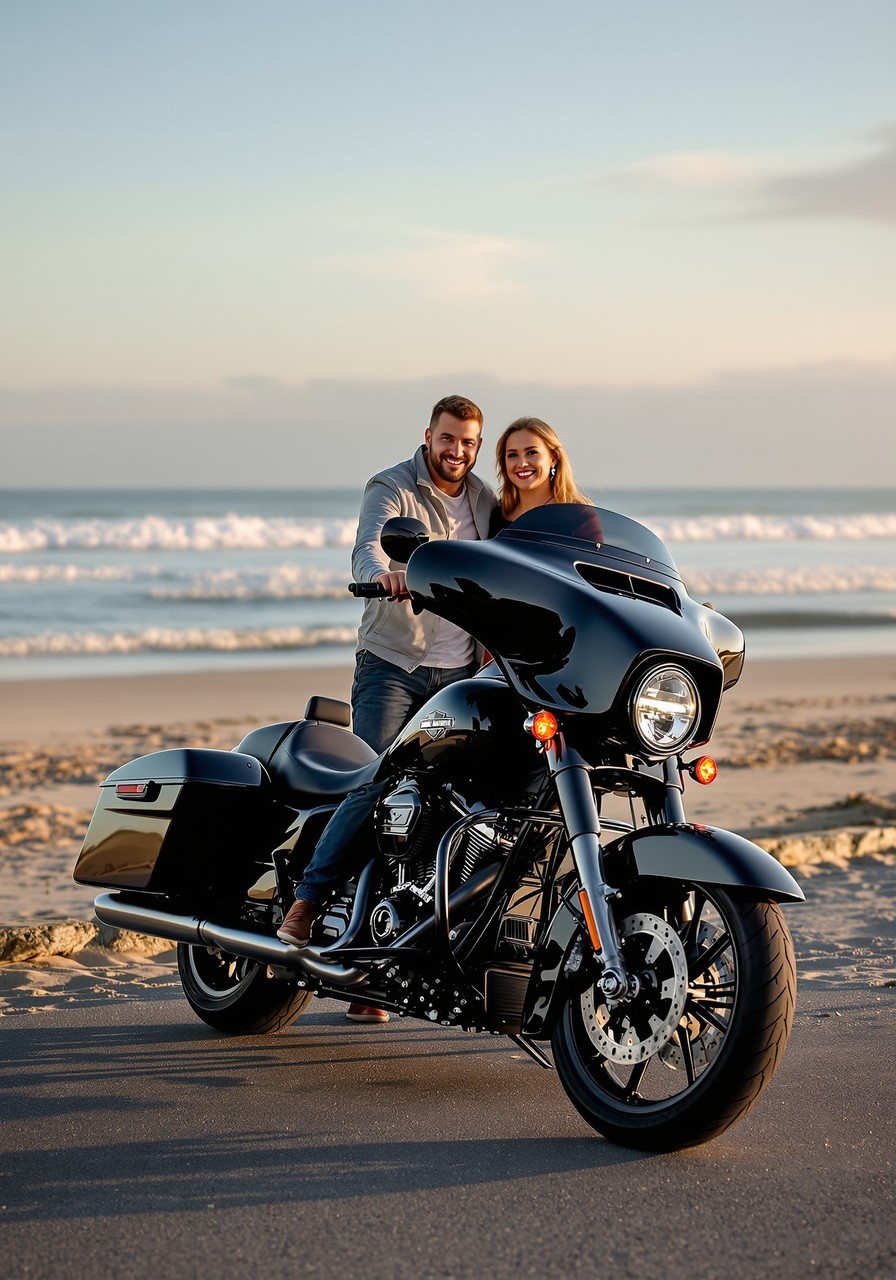
Every share gets us closer to crowning a $20,000 winner. Tag two riders right now. #RideNationSC #20kGiveaway #SouthCarolinaRiders
Local SC & Rides
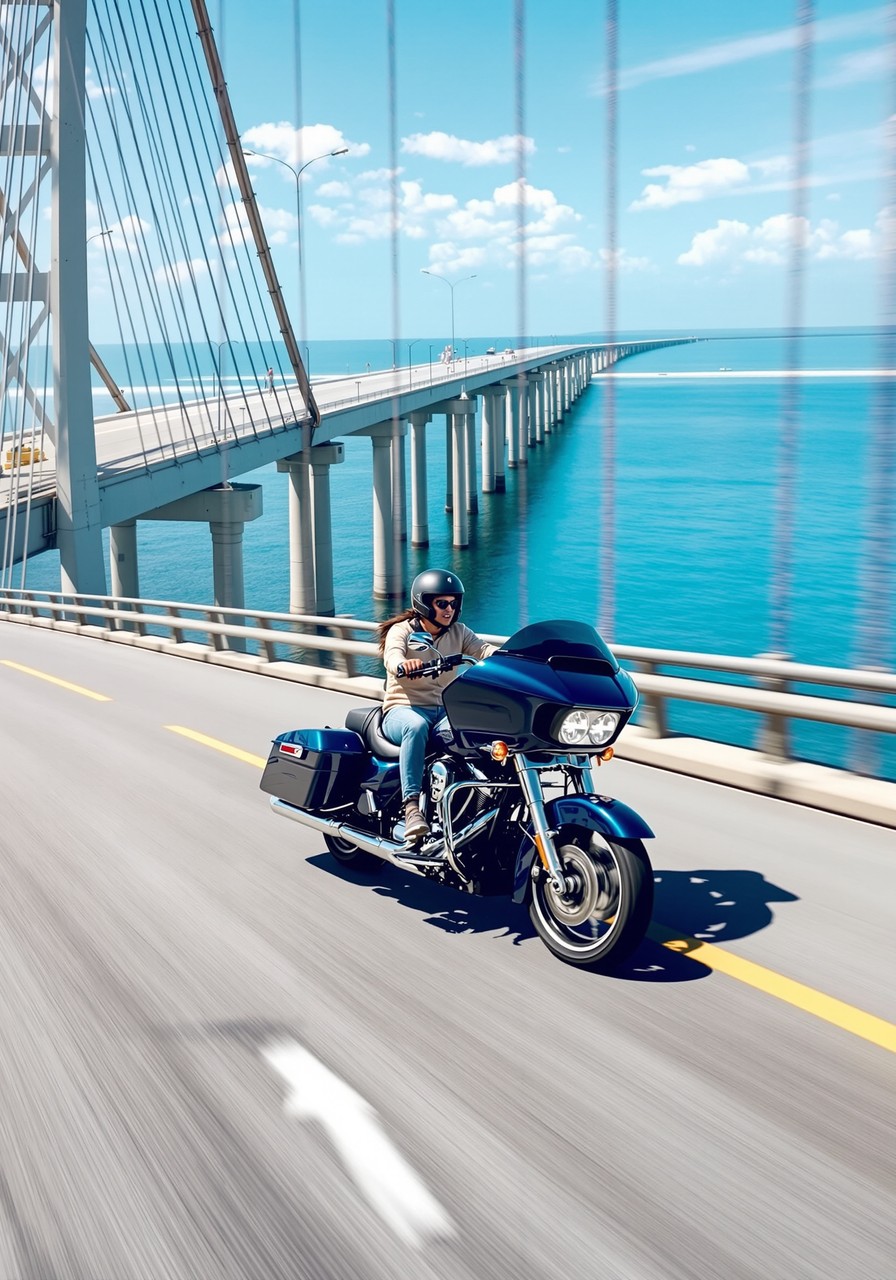
Mild winters are why we ride year-round here. Pick your window, dodge the cold snaps, and enjoy roads the summer crowd never sees. #RideNationSC #SouthCarolinaRiders #GrandStrand
Gear & New Iron
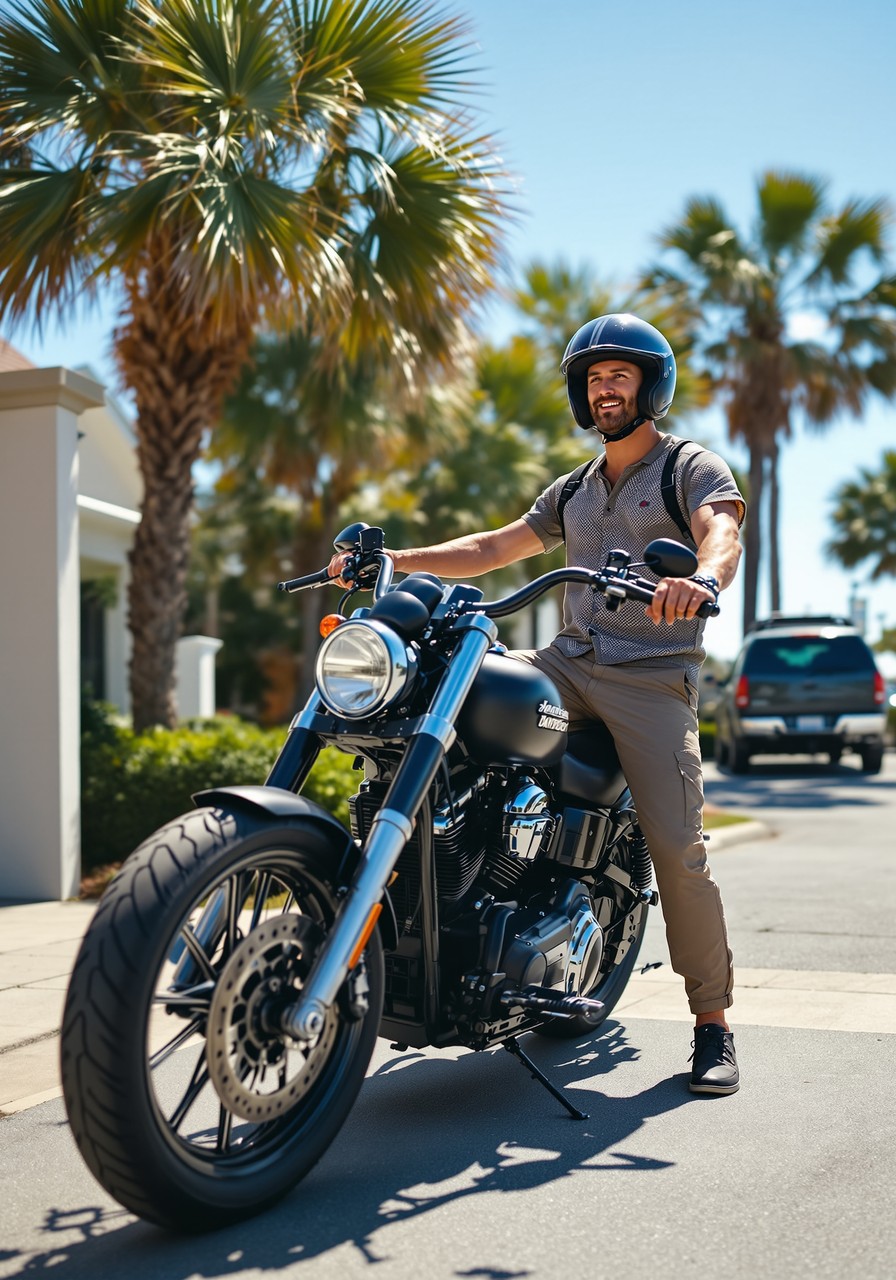
First few hundred miles on a new bike are for learning where the brakes bite and how it leans. Gear up and take it easy before you push it. #RideNationSC #NewIron #ATGATT
Safety & SC Law
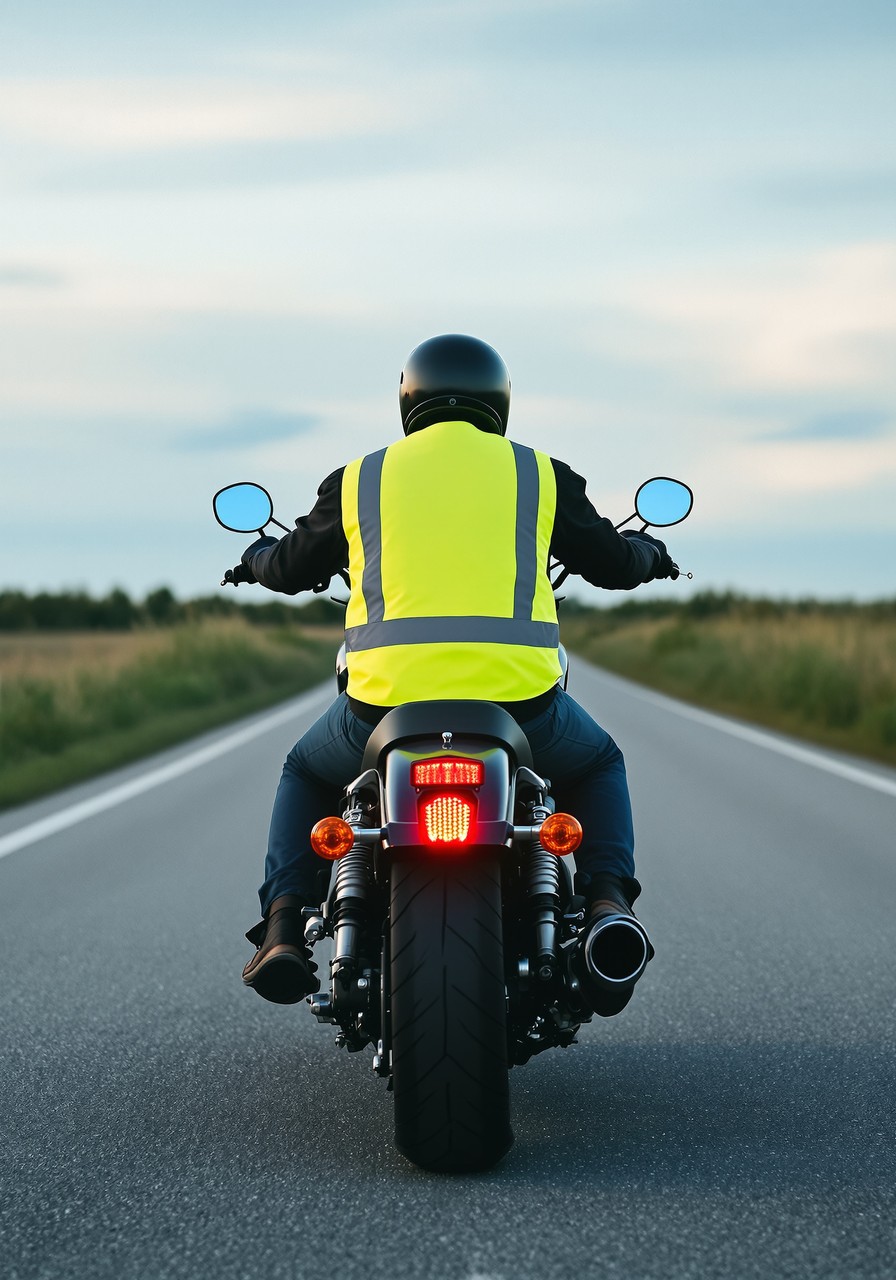
Your health insurance, MedPay, and UM/UIM all work together after a South Carolina crash. Knowing the order they pay in keeps bills from piling up. Questions? Call The Lovely Law Firm at (843) 281-7452. #RideNationSC #KnowYourRights #SouthCarolinaRiders
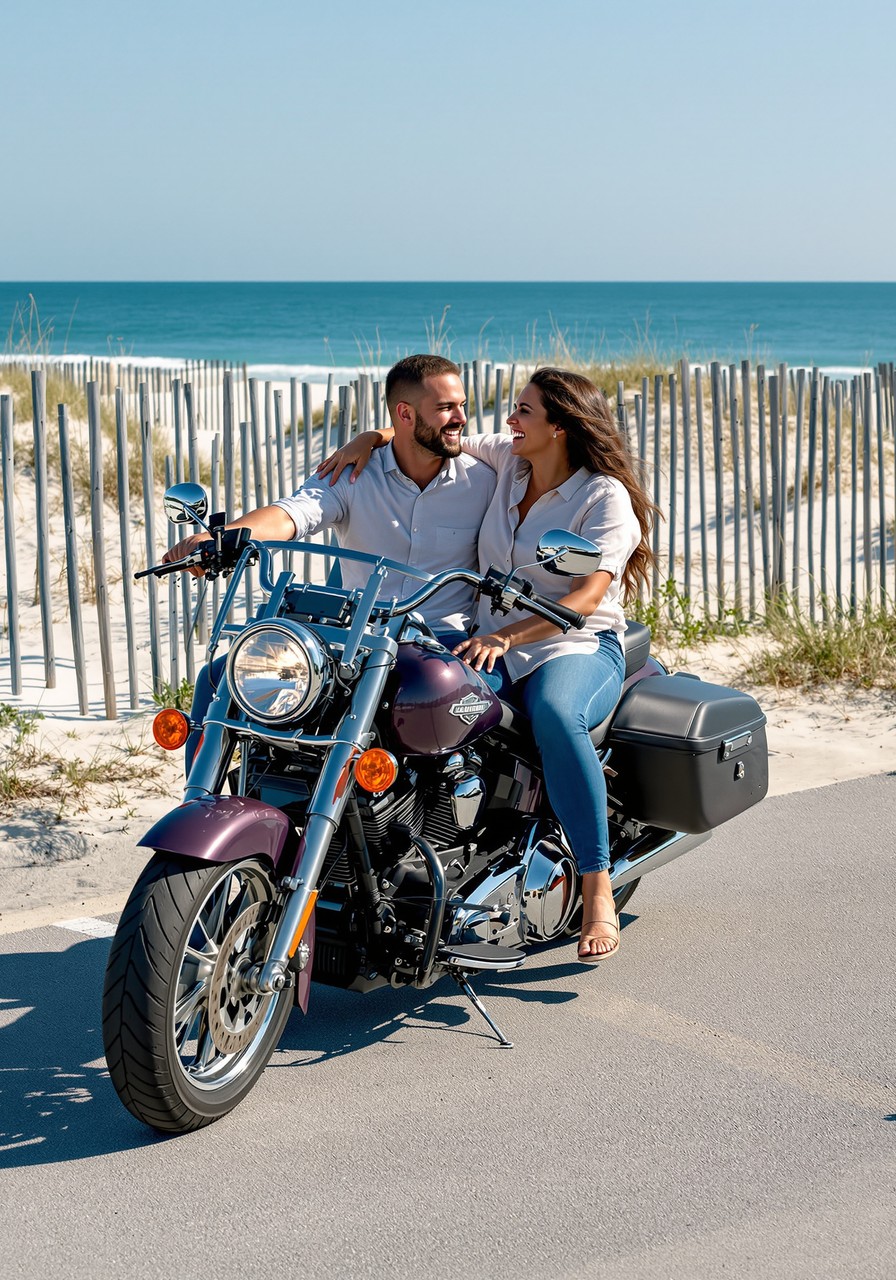
Engagement
Finish it: the best part of riding in the off-season is ______. #RideNationSC #SouthCarolinaRiders #MyrtleBeachRiders
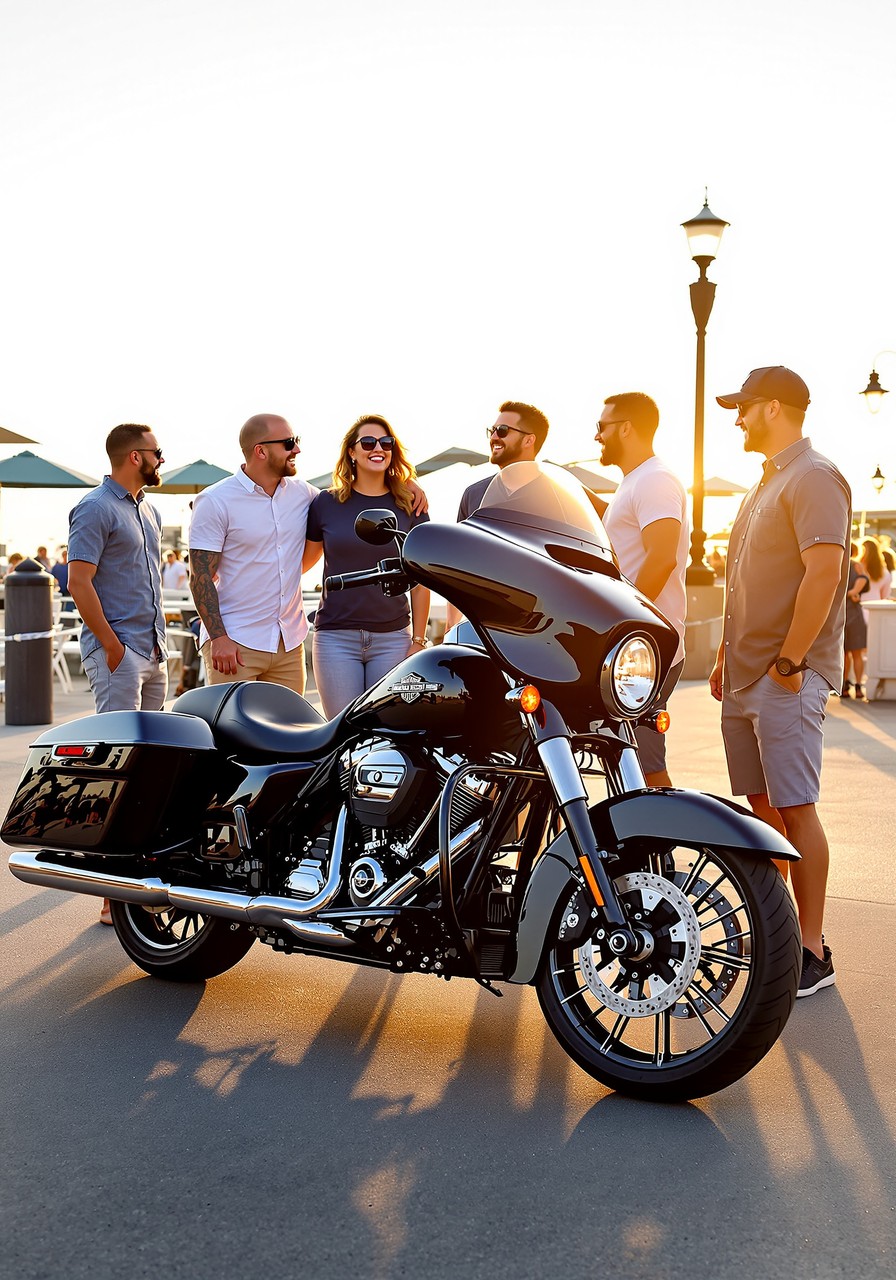
Giveaway & Countdown
The BikersWin countdown is climbing. Twenty thousand dollars, one Grand Strand rider. #RideNationSC #MotorcycleGiveaway #GrandStrand
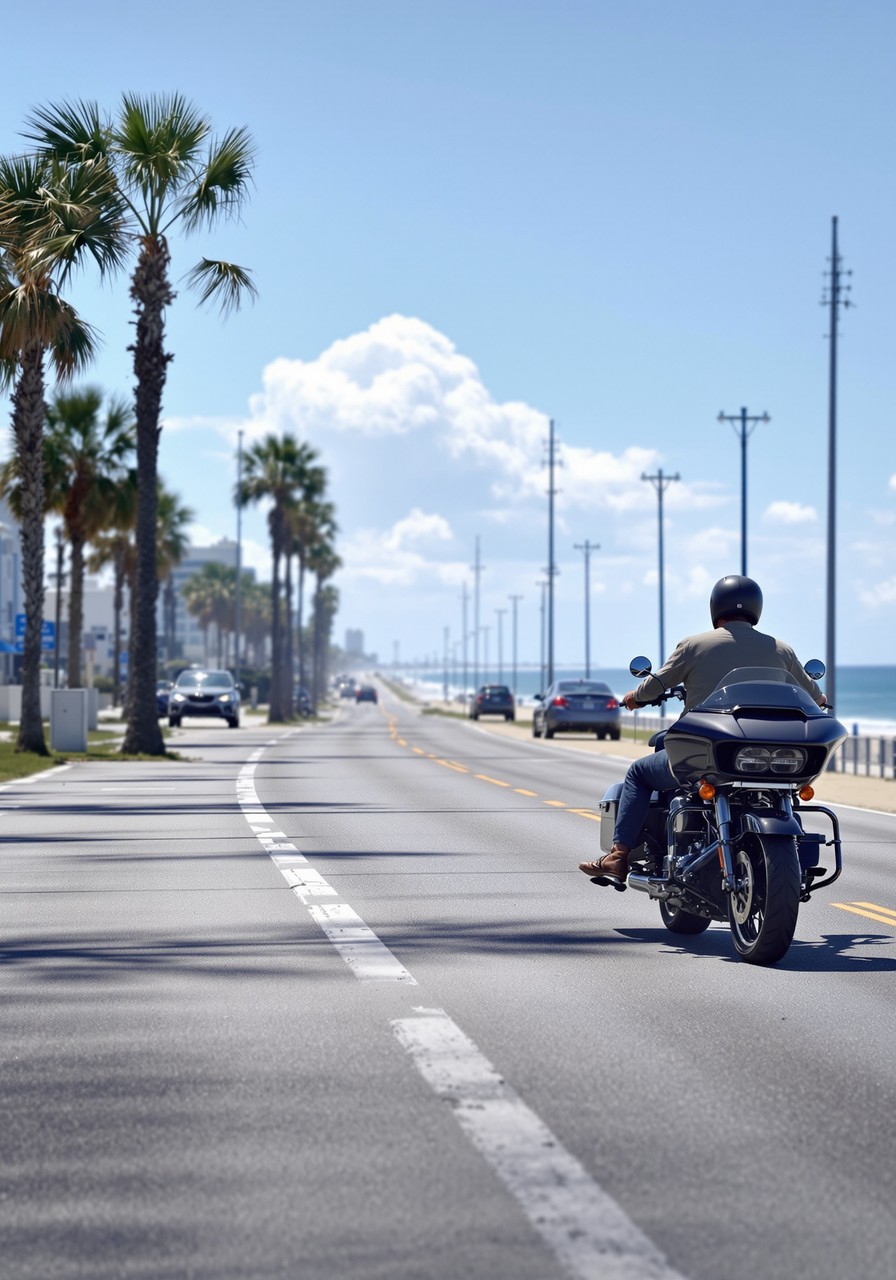
Local SC & Rides
US-501 back from Conway at dusk fills up fast. Watch for quick stops and turning traffic near the shops as the light fades. #RideNationSC #GrandStrand #MotorcycleRoads
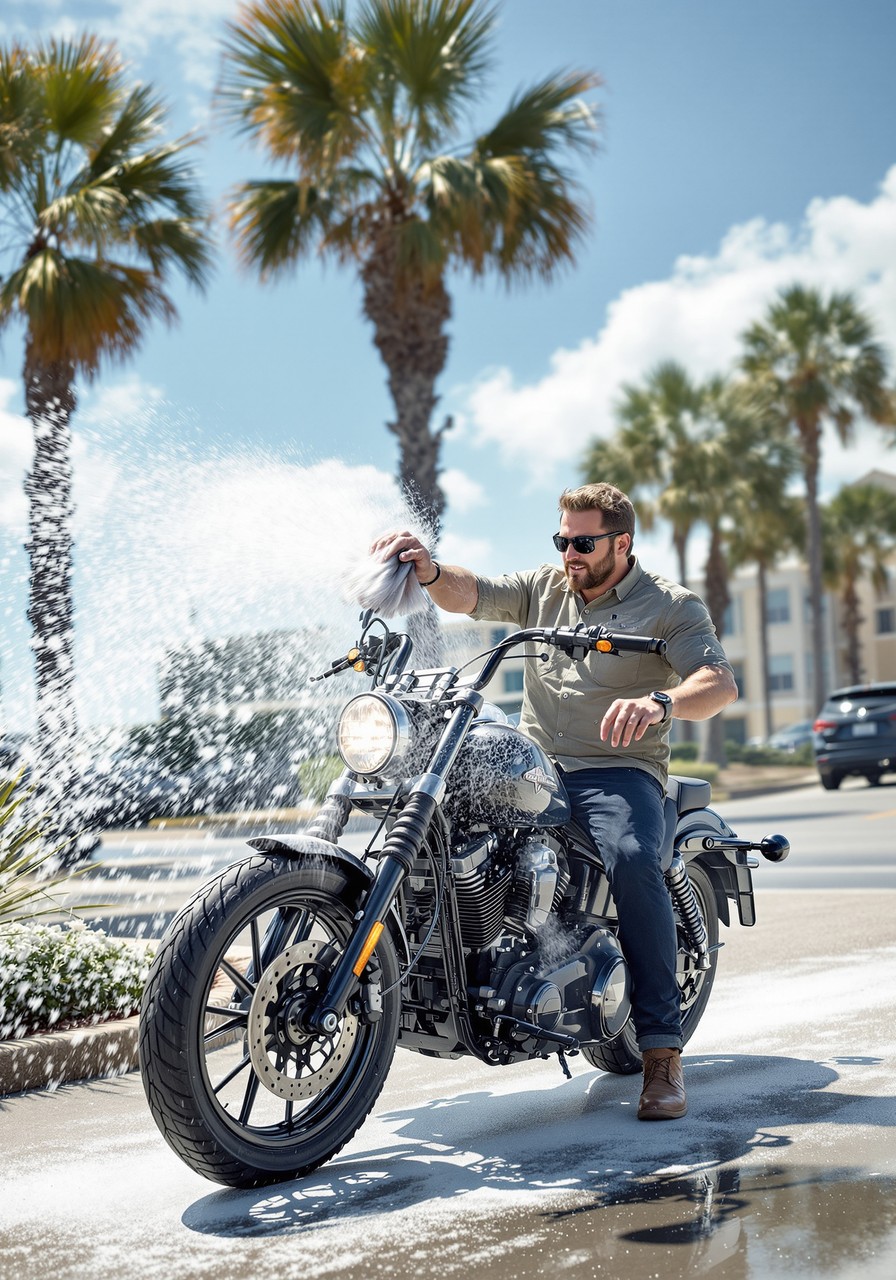
Gear & New Iron
Adventure and dual-sport models keep getting better, and the Grand Strand back roads reward them. Whatever you ride, match your tires to where you actually go. #RideNationSC #NewIron #RiderTips
Safety & SC Law
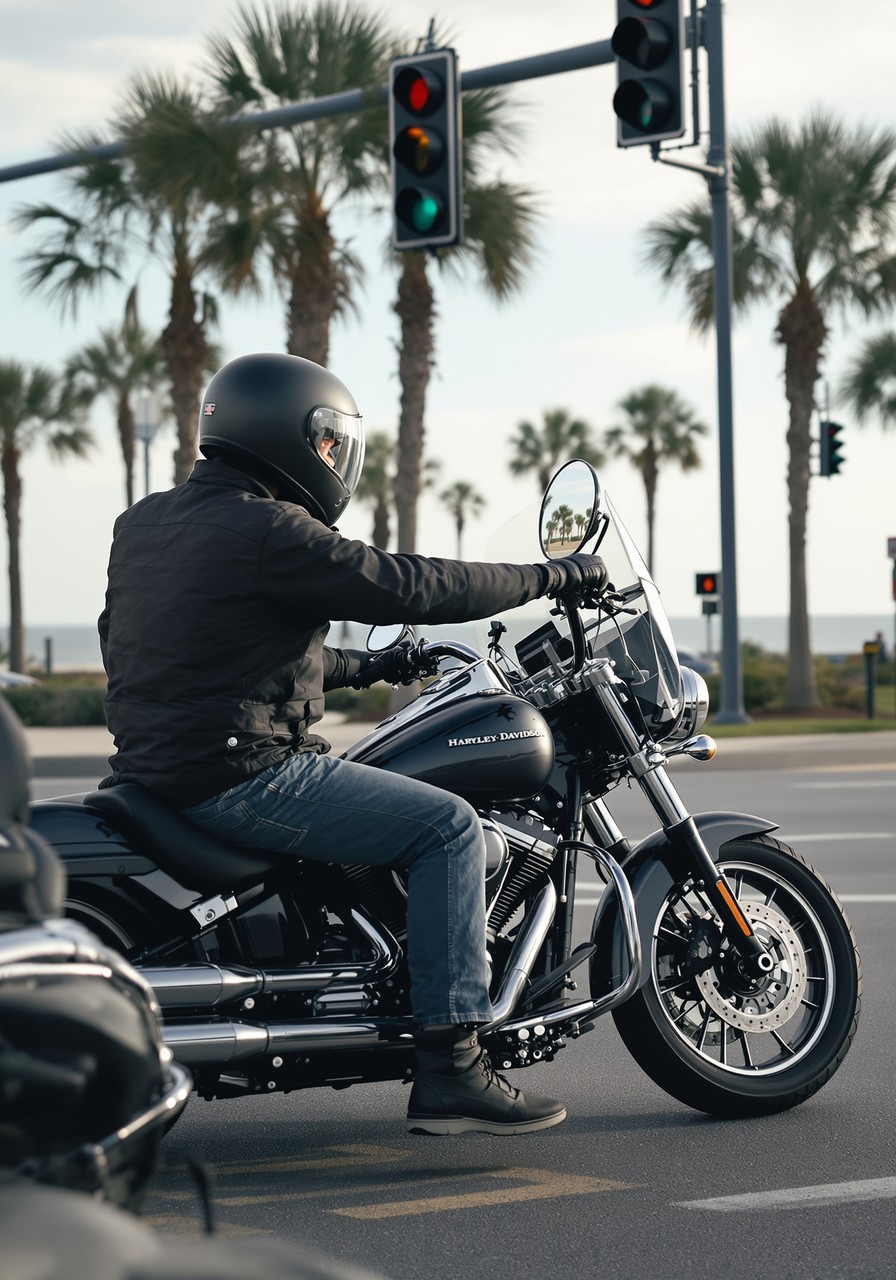
New riders on the Strand: buy more UM than the minimum. The 25/50/25 floor rarely covers a real motorcycle injury. Questions on coverage? Call The Lovely Law Firm at (843) 281-7452. #RideNationSC #KnowYourRights #SouthCarolinaRiders
Engagement
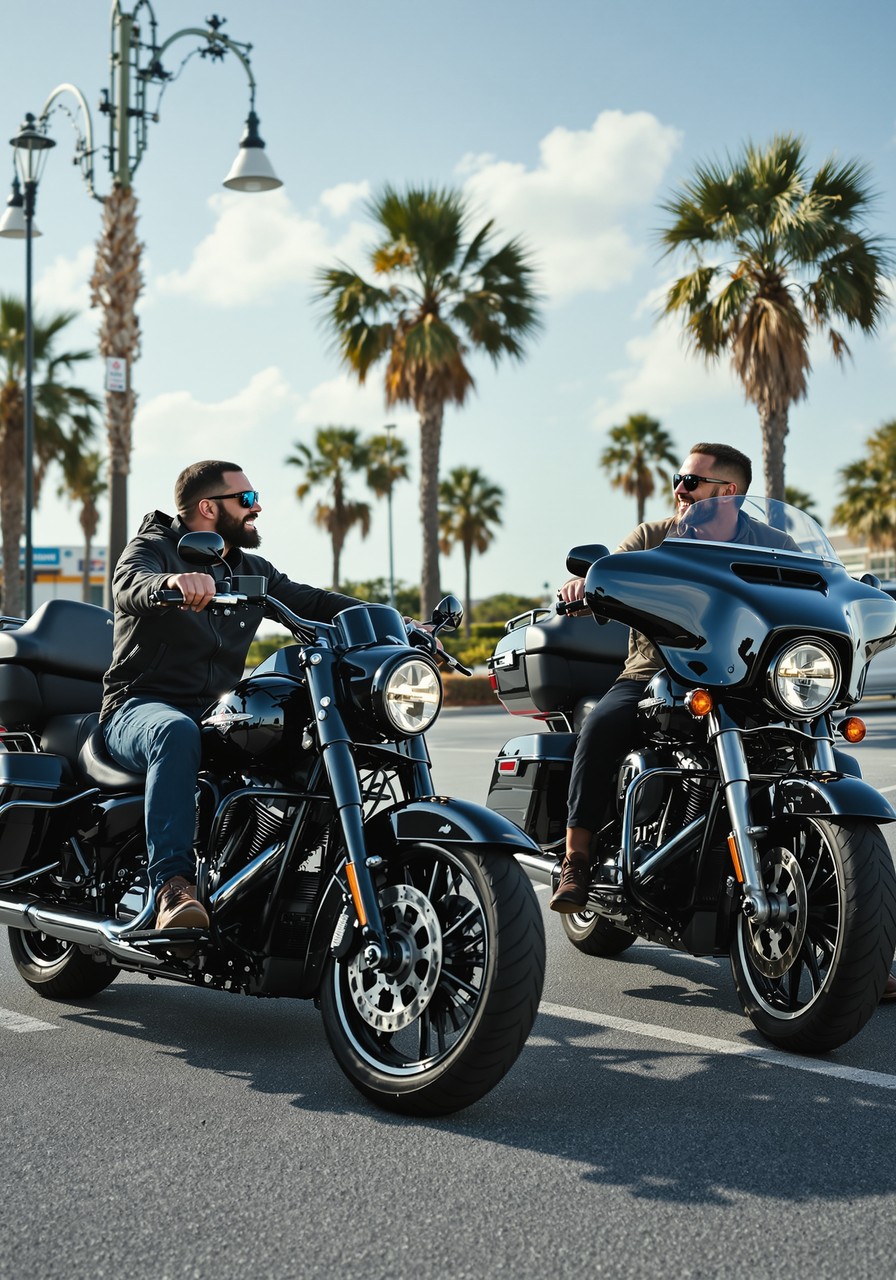
One word for how a cold-morning ride down the coast makes you feel. Just one. #RideNationSC #GrandStrand #TwoWheels
Giveaway & Countdown
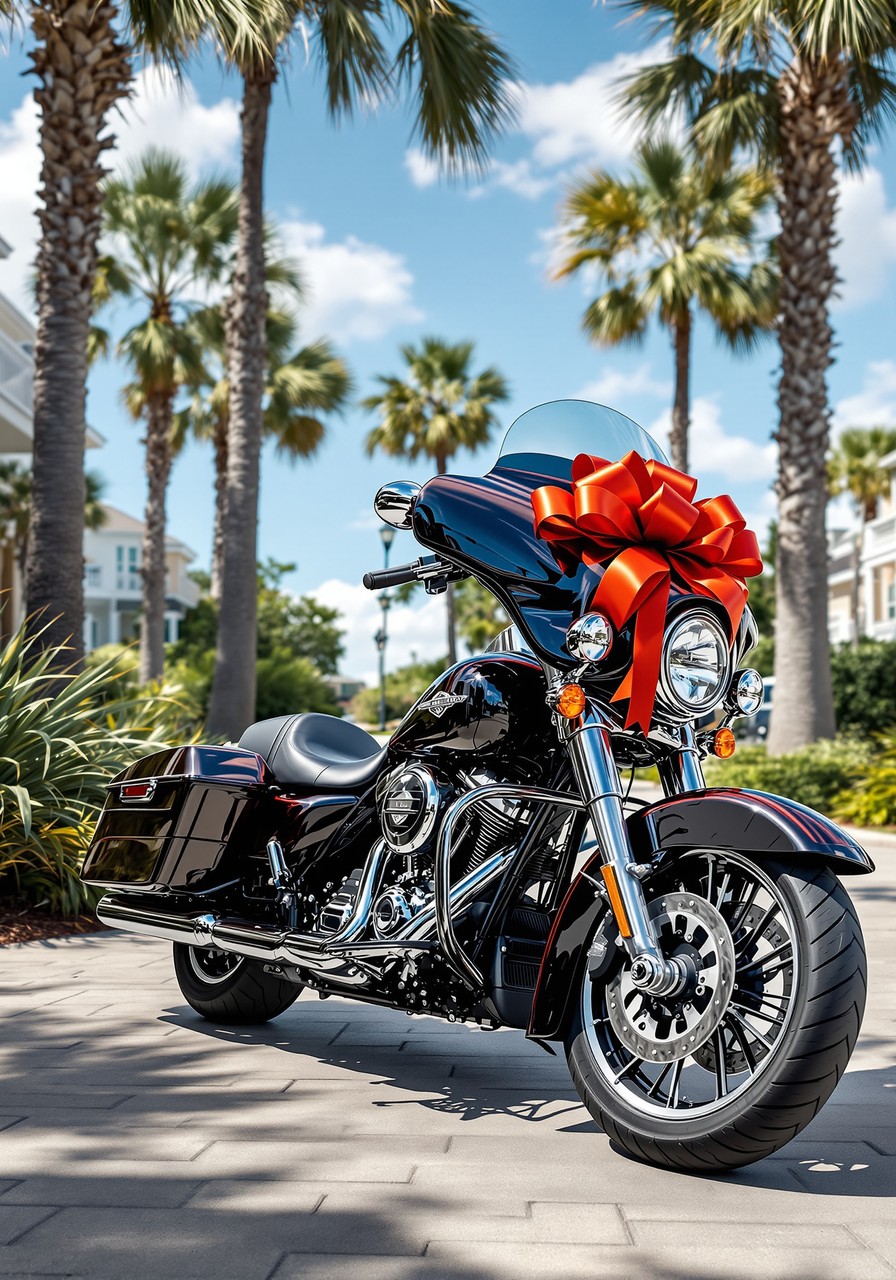
Feel that? That is the whole Ride Nation buzzing about twenty grand. Keep spreading it. #RideNationSC #BikersWin #MyrtleBeachRiders
Local SC & Rides
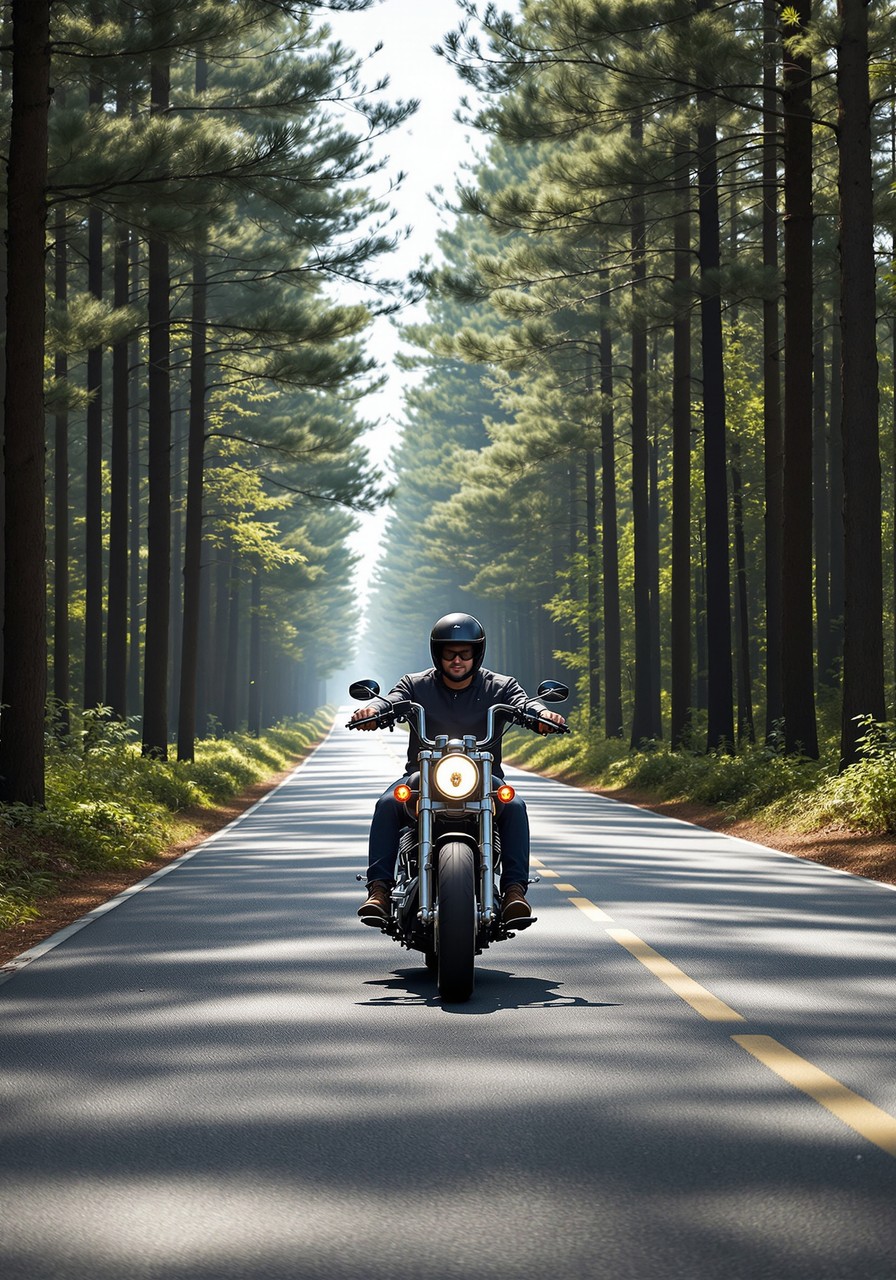
The MarshWalk in Murrells Inlet is the classic meetup spot. Ride down US-17, take in the salt marsh, and swap stories. #RideNationSC #MurrellsInlet #LowcountryRiding
Gear & New Iron
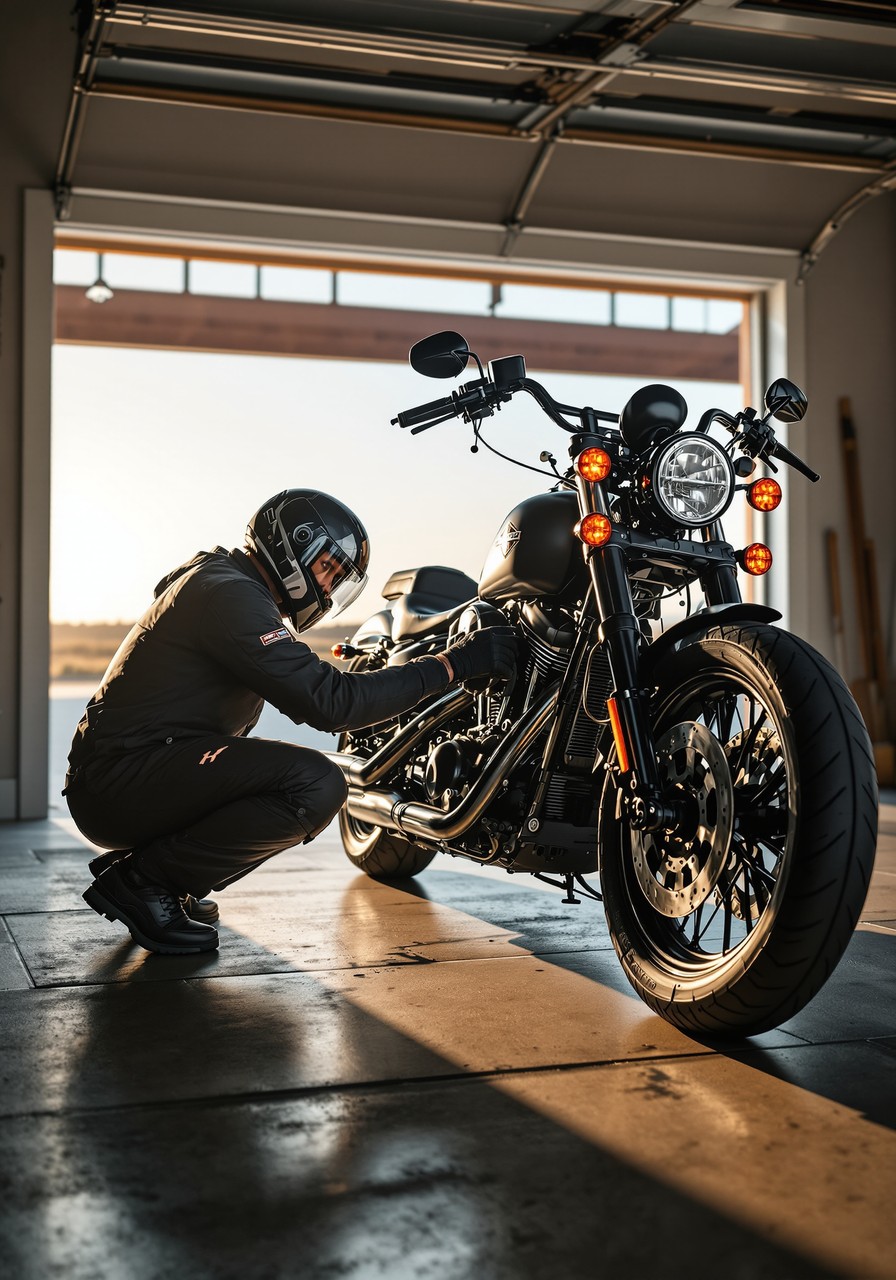
A back protector is the piece most riders skip and wish they had not. Slot a CE insert into your jacket or strap on a standalone. Your spine is worth it. #RideNationSC #ATGATT #GearUp
Safety & SC Law
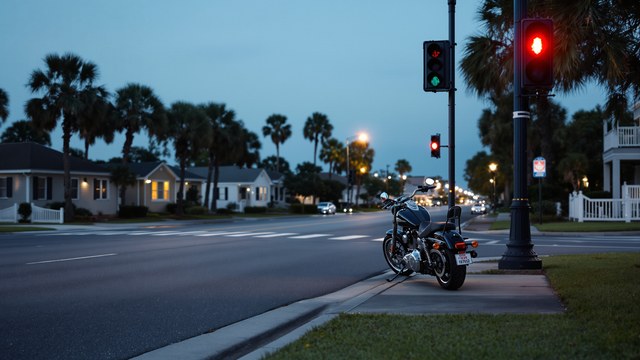
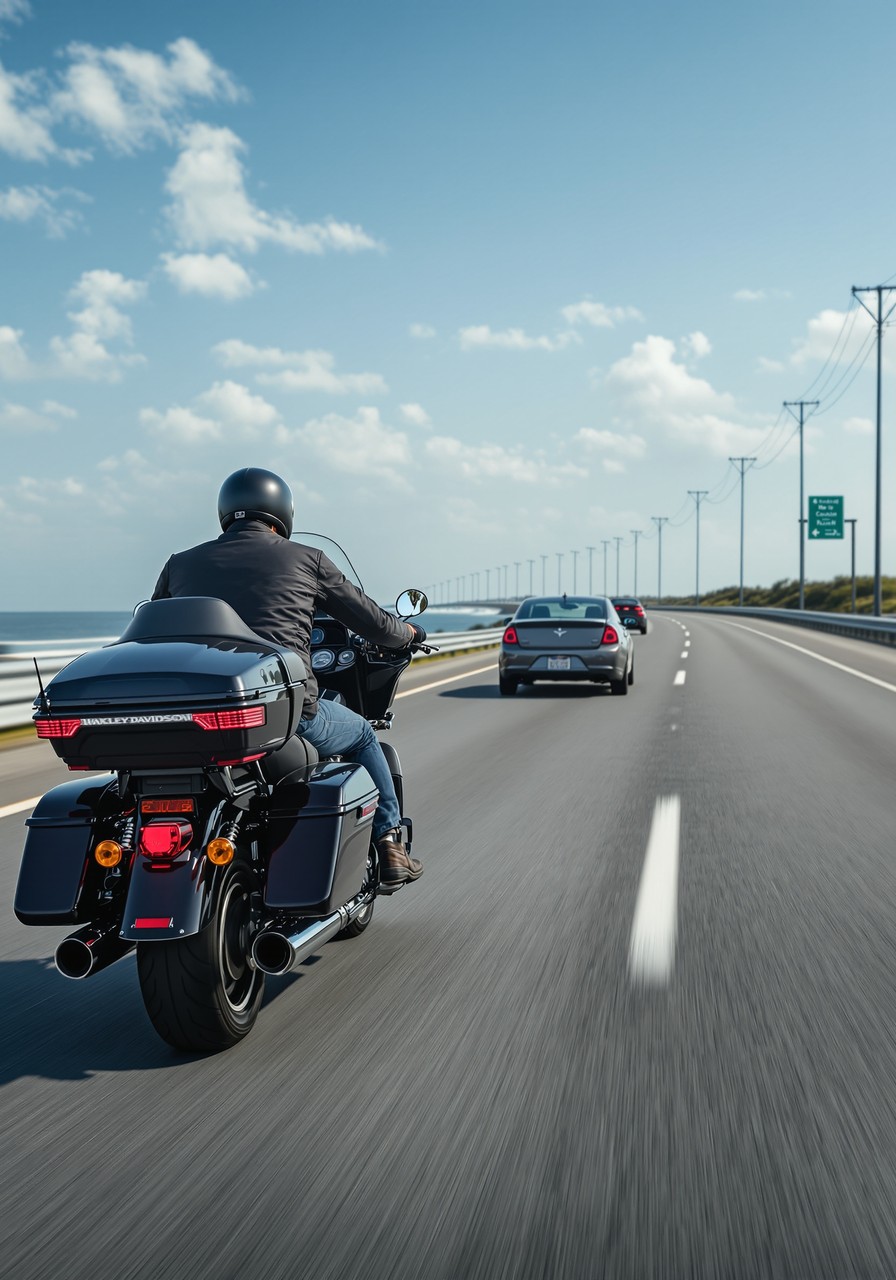
A left-turning driver at an Ocean Boulevard light will not wait for you to clear. Set up wide, be visible, and cover your brakes through the box. #RideNationSC #MotorcycleSafety #MyrtleBeachRiders
Engagement
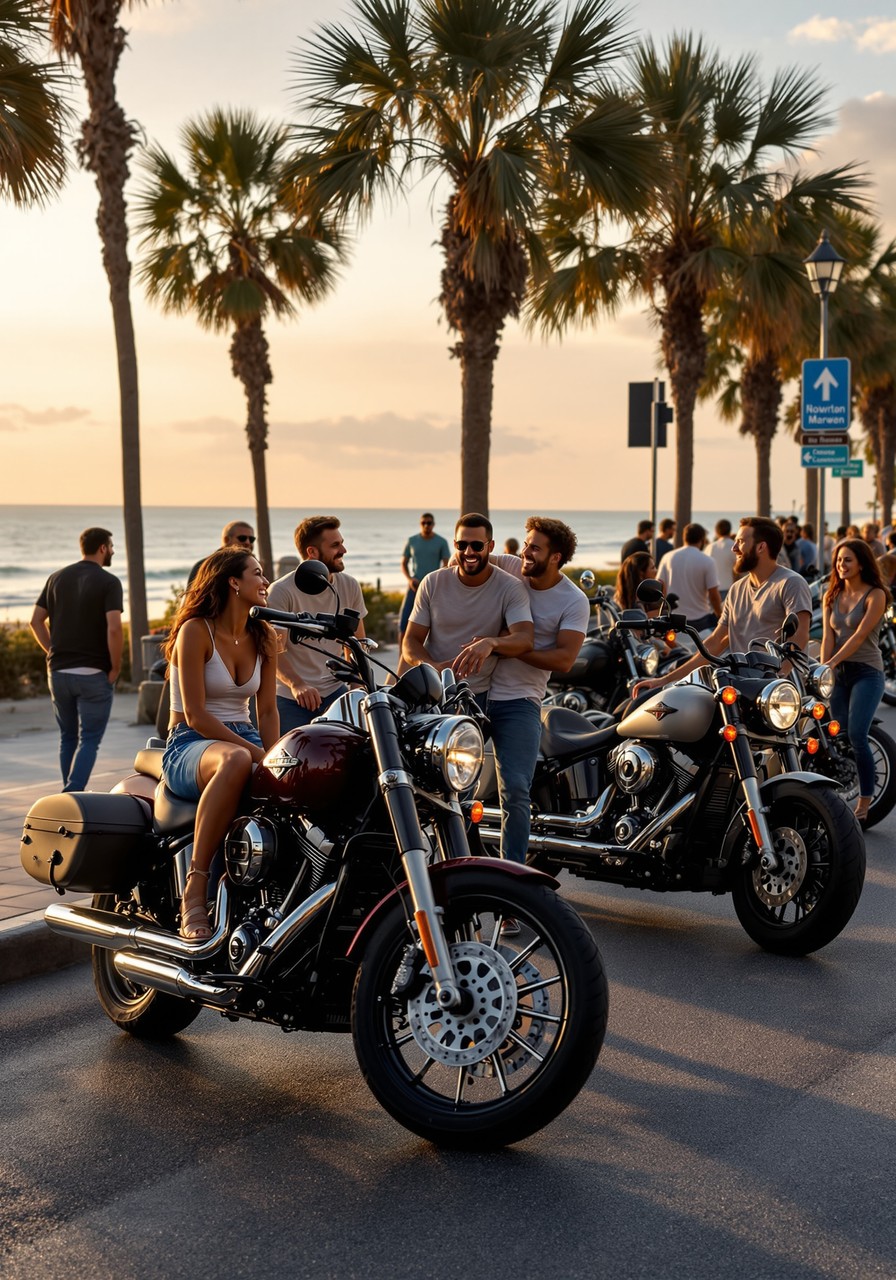
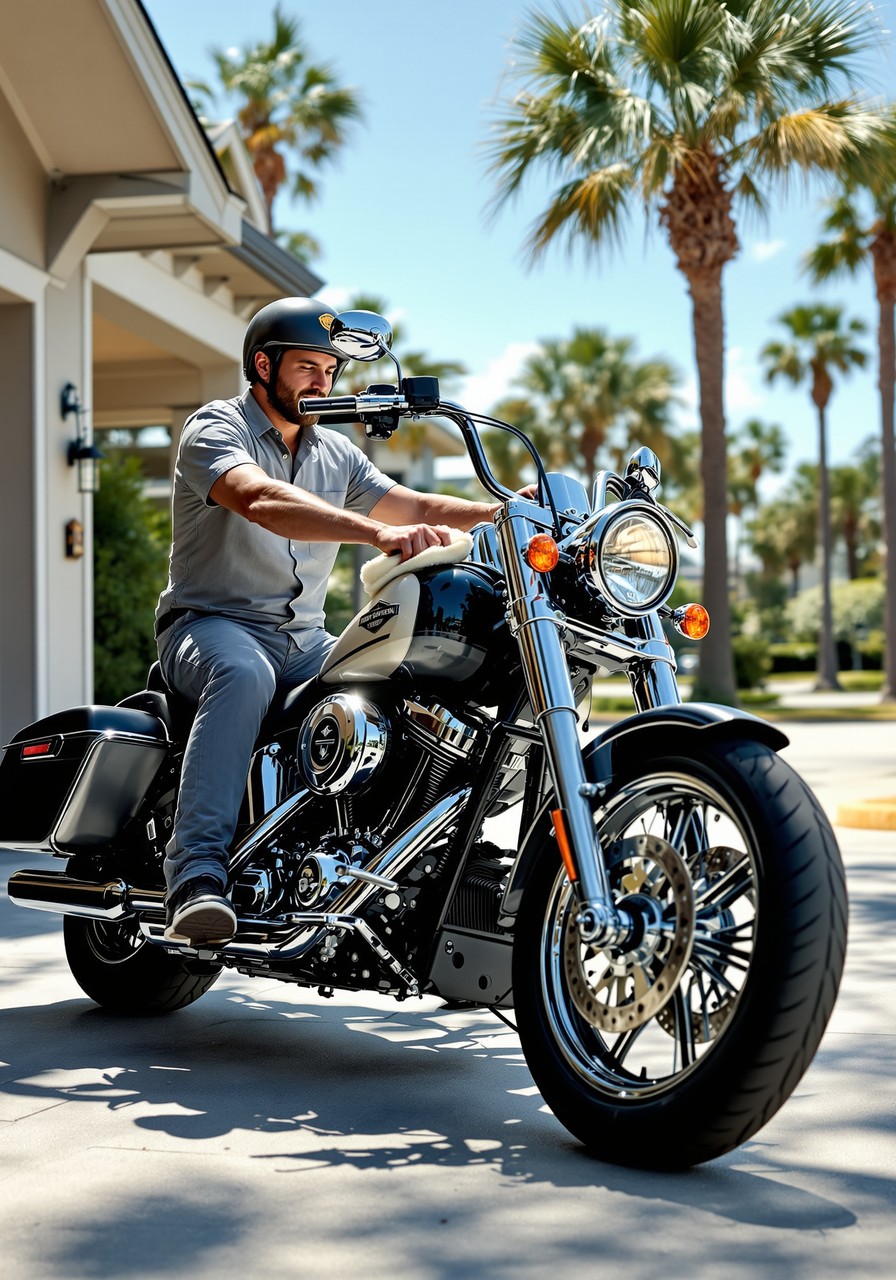
Caption this: two bikes, one Murrells Inlet sunset, no words needed. #RideNationSC #MurrellsInlet #RideOrDie
Giveaway & Countdown
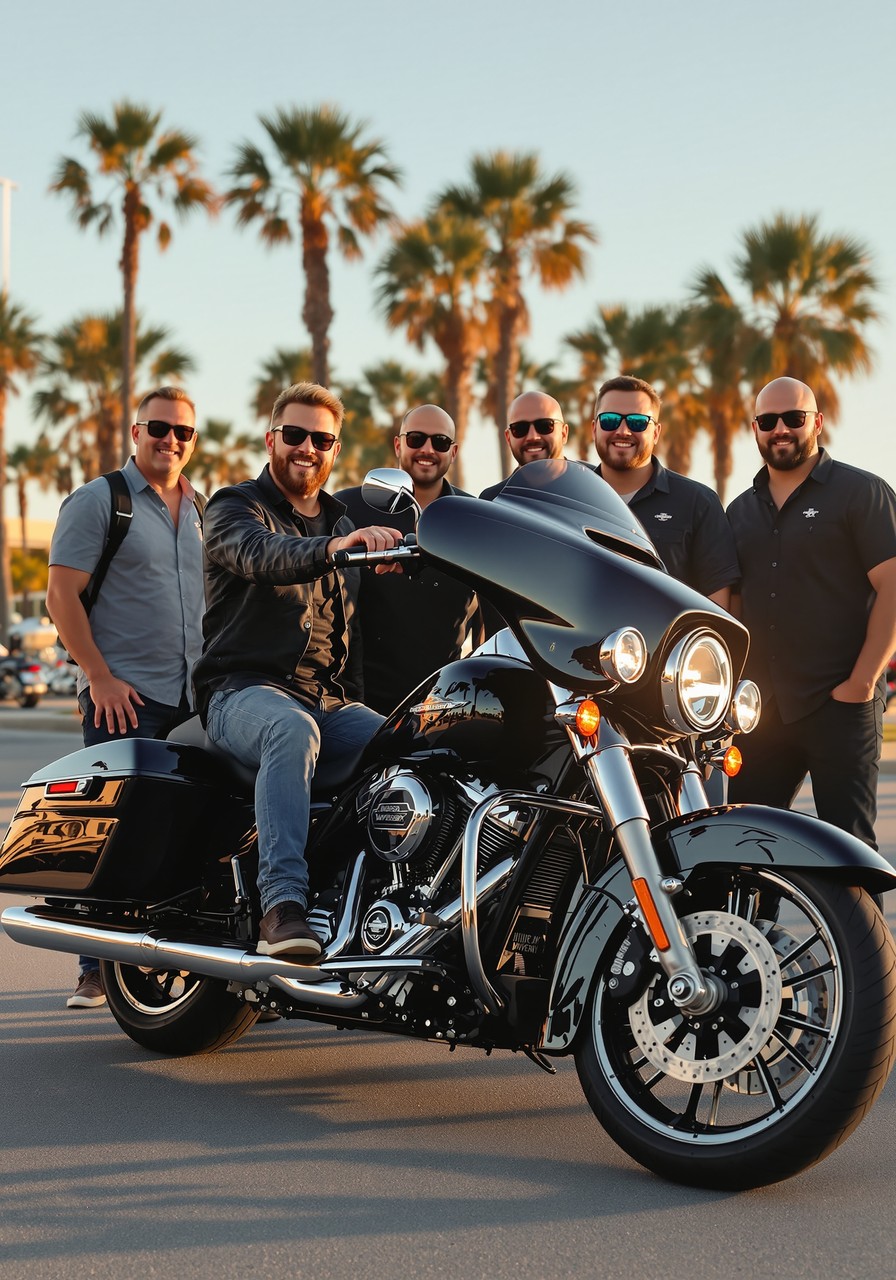
New week, same giveaway, same twenty thousand dollars on the line. Tell a friend. #RideNationSC #20kGiveaway #GrandStrand
Local SC & Rides
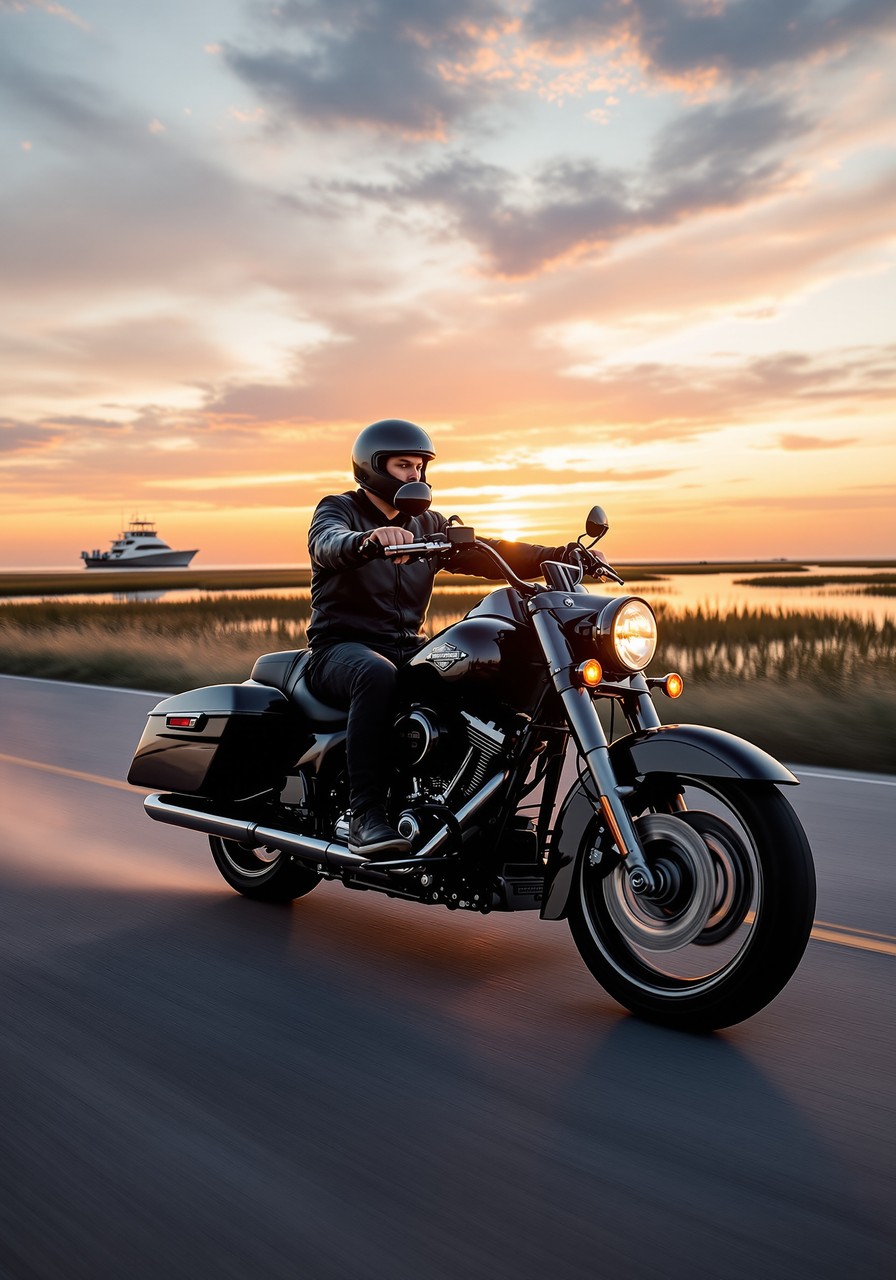
Fall Bike Rally memories still fresh, Spring Bike Week on the horizon. The off-season between is prime quiet-road riding on the Strand. #RideNationSC #BikeWeek #MyrtleBeachRiders
Gear & New Iron
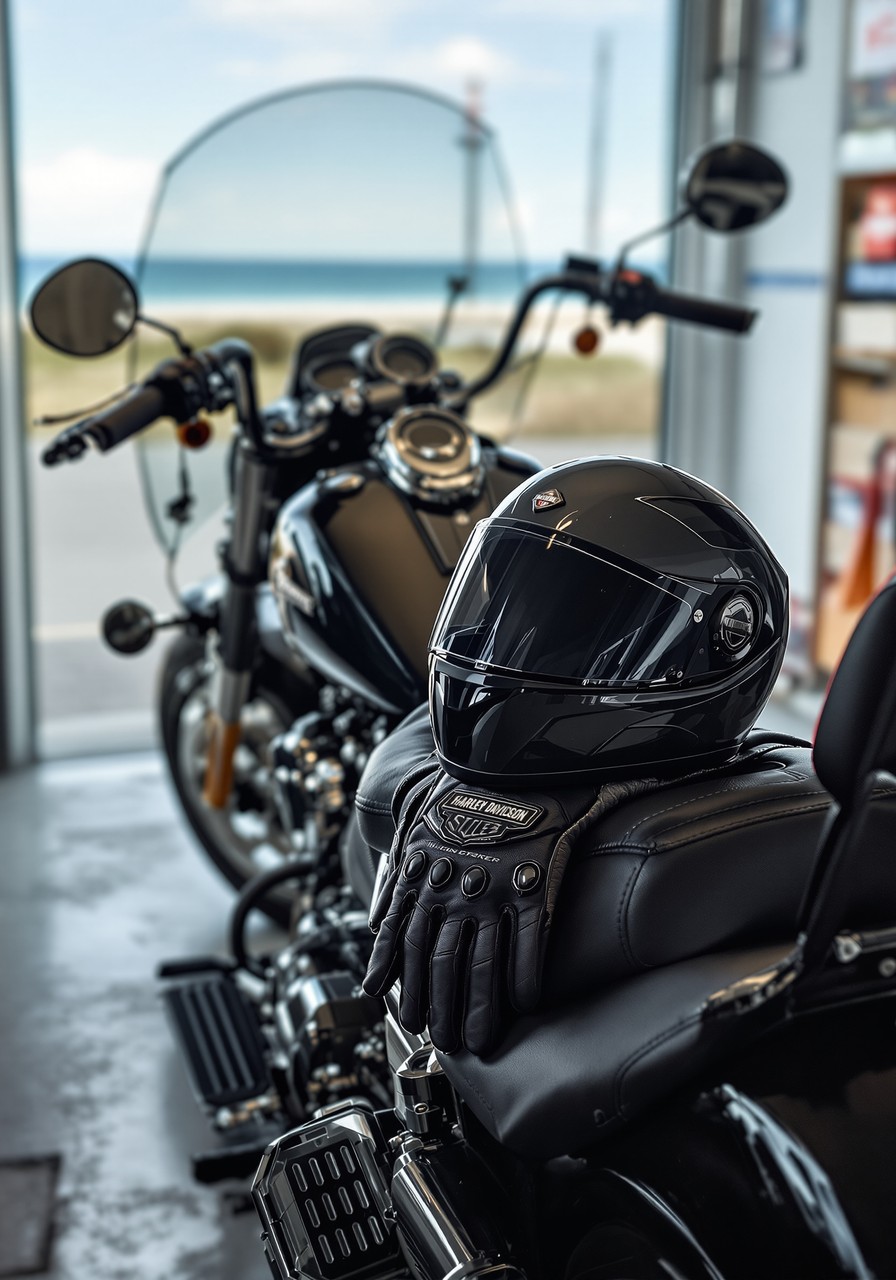
Earplugs are gear too. Wind noise at highway speed wrecks your hearing over the years. Cheap foam plugs on a long Grand Strand run pay off for decades. #RideNationSC #RiderTips #GearUp
Safety & SC Law
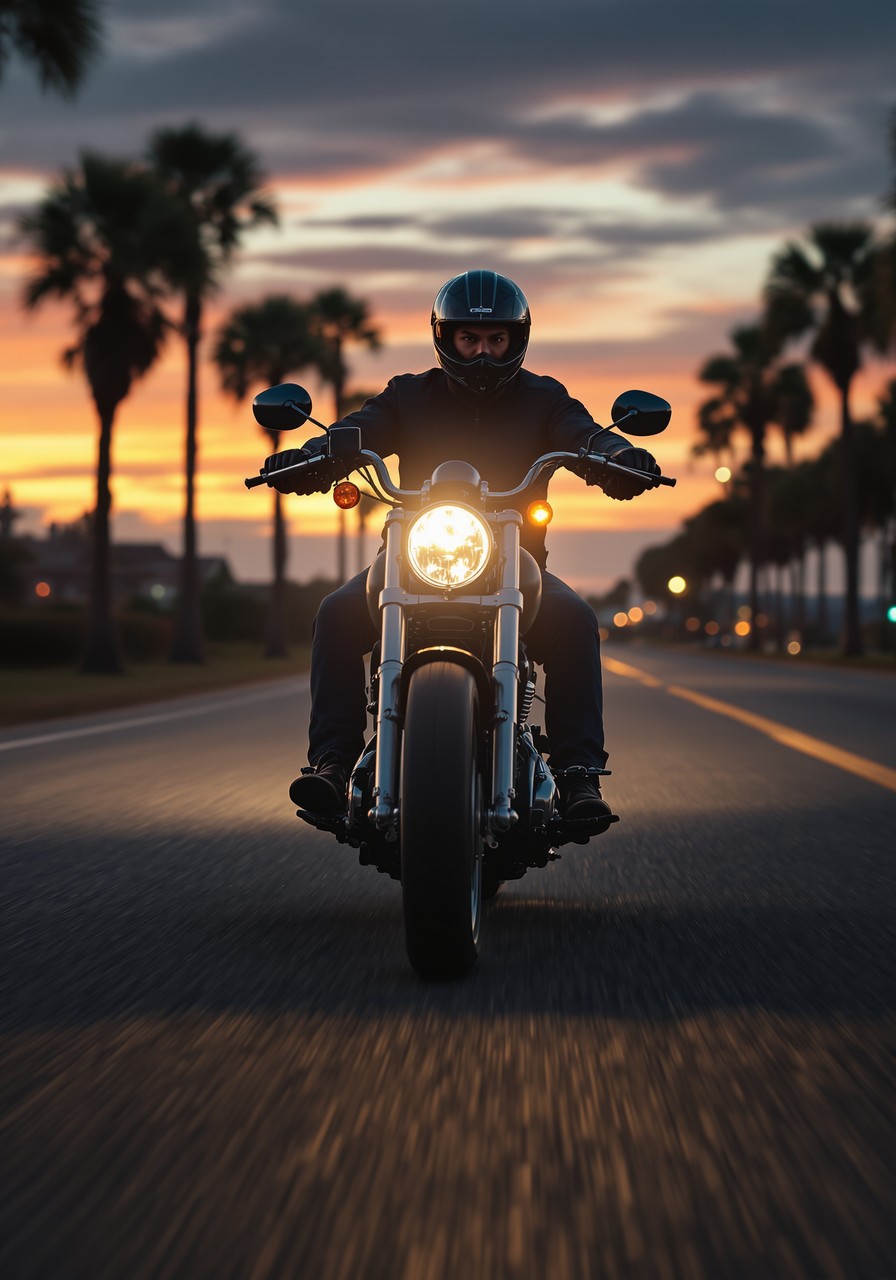
Hurt by a driver who says the crash was your fault? Do not accept that on your own. A free case review can show you what your claim is really worth. Call The Lovely Law Firm at (843) 281-7452. #RideNationSC #RiderRights #KnowYourRights
Engagement
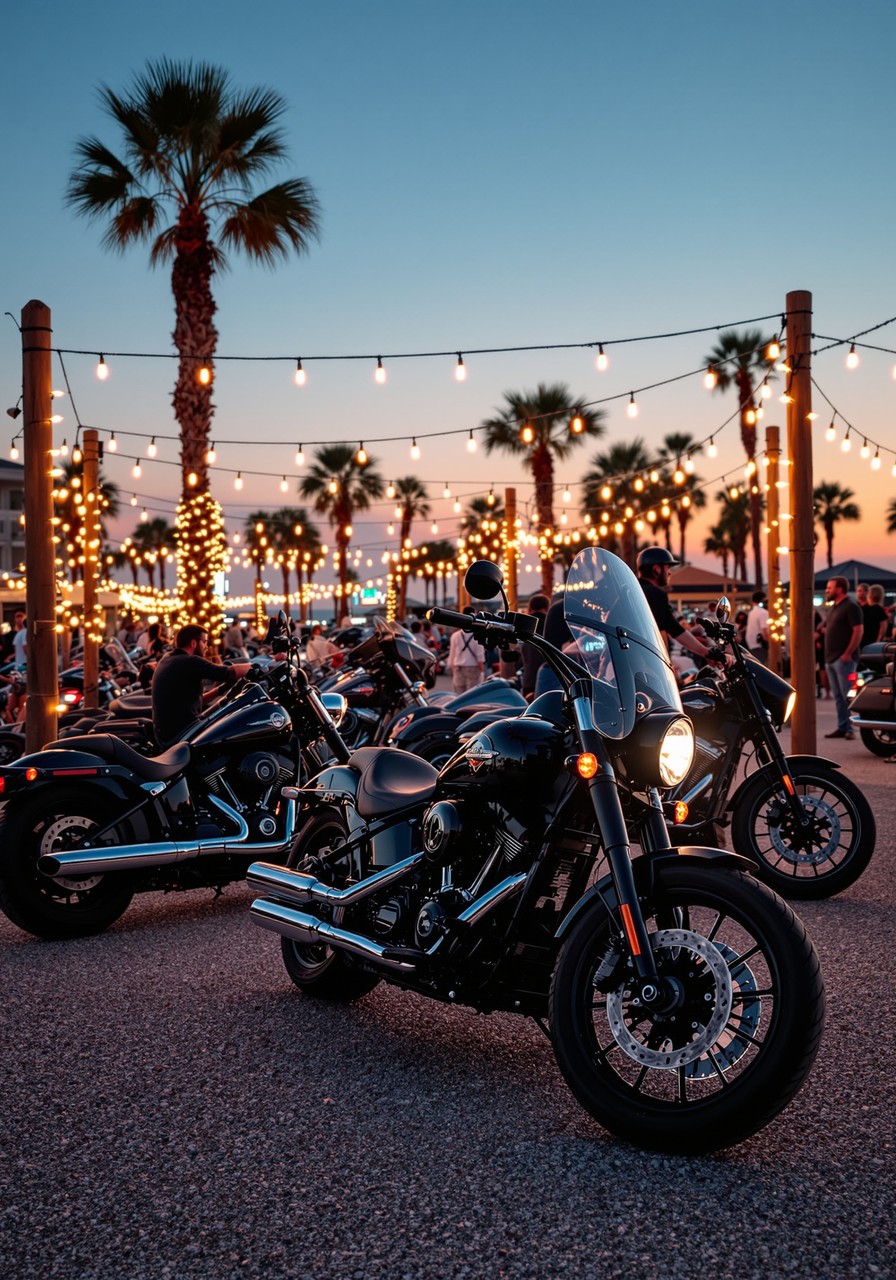
Poll: what wakes you up faster on a winter morning. A) the coffee B) the cold air at 45mph. Drop your letter. #RideNationSC #MyrtleBeachRiders #TwoWheels
Giveaway & Countdown
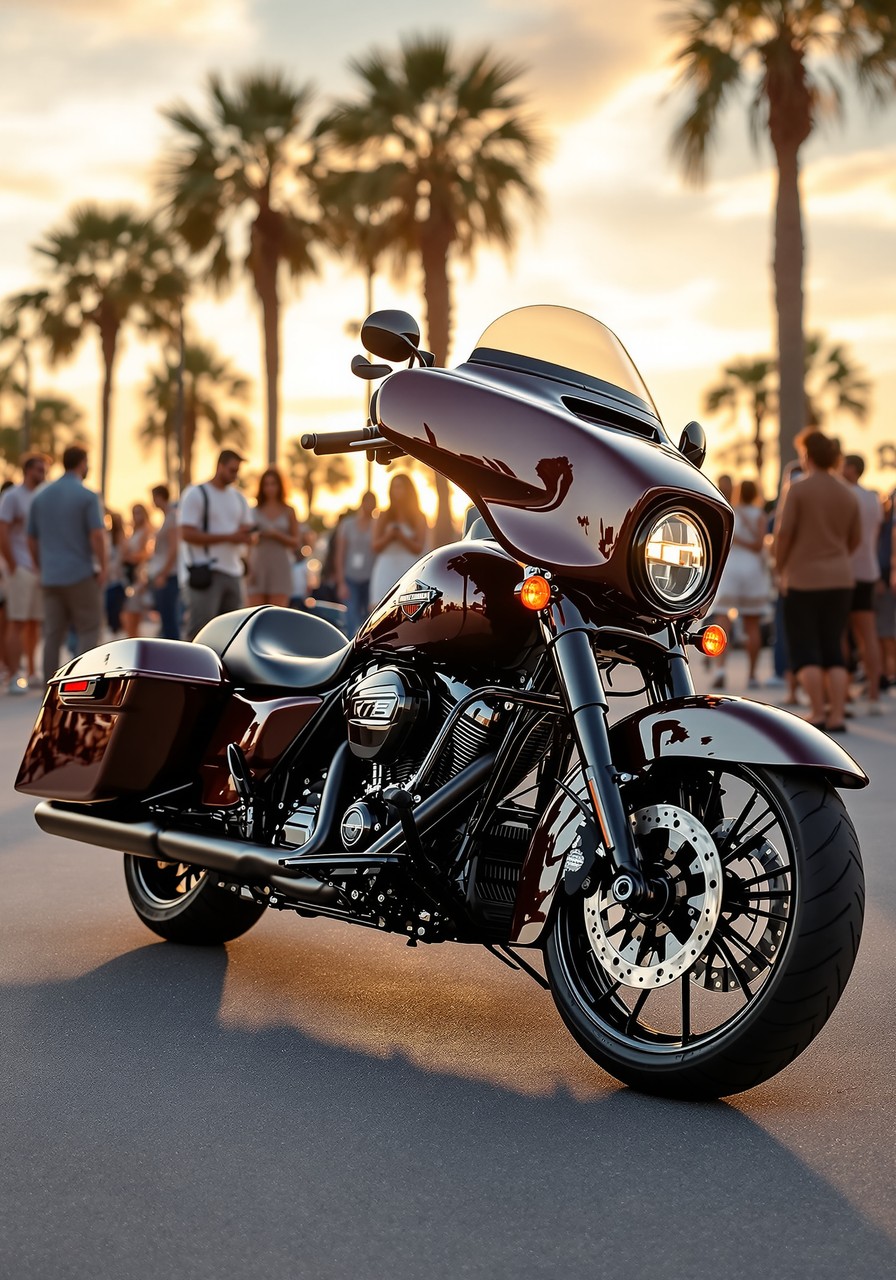
The BikersWin giveaway does not slow down and neither do we. Keep the word moving, riders. #RideNationSC #MotorcycleGiveaway #SouthCarolinaRiders
Local SC & Rides
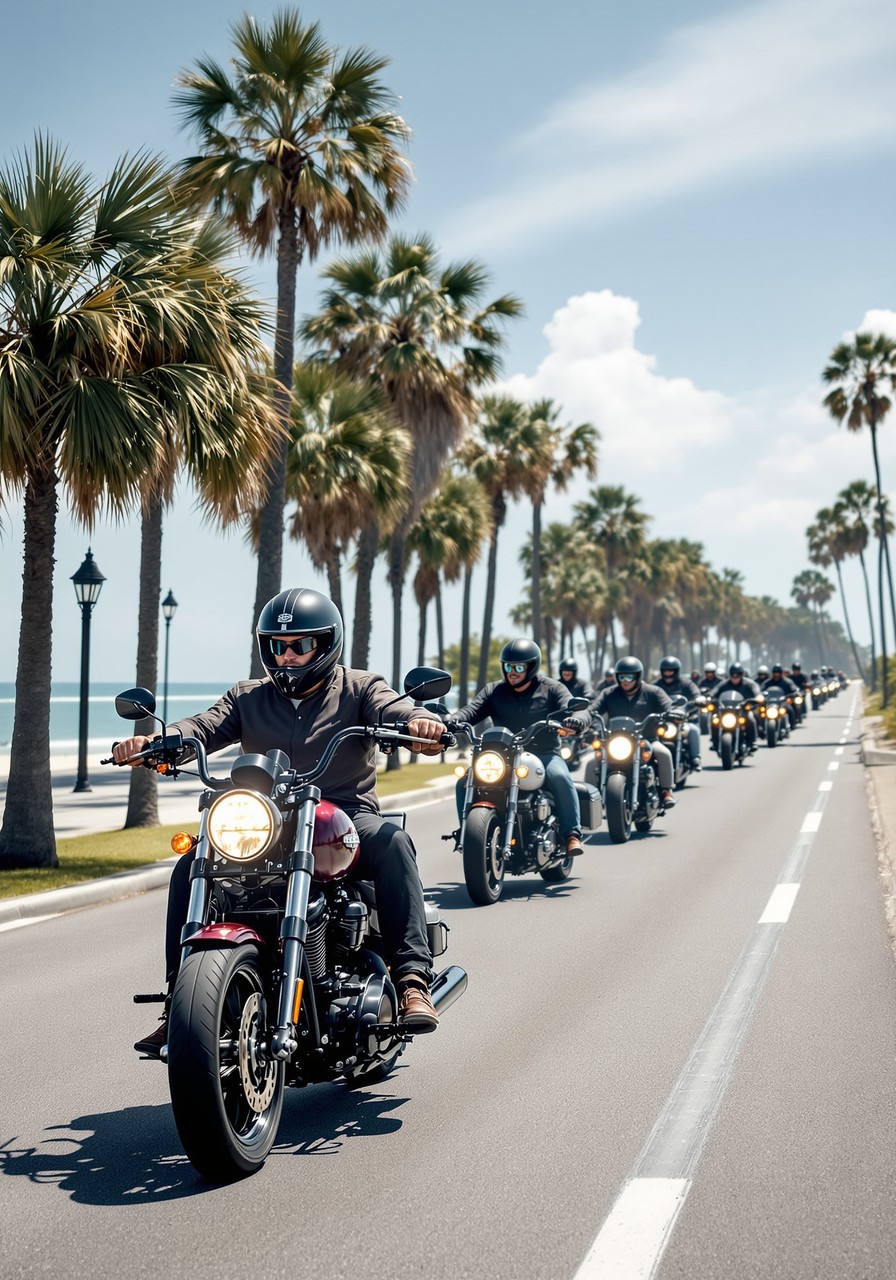
Cold morning start? Give your tires a few easy miles to warm up before you lean into the SC-31 sweepers. Cold rubber does not grip. #RideNationSC #MotorcycleRoads #MyrtleBeachRiders
Gear & New Iron
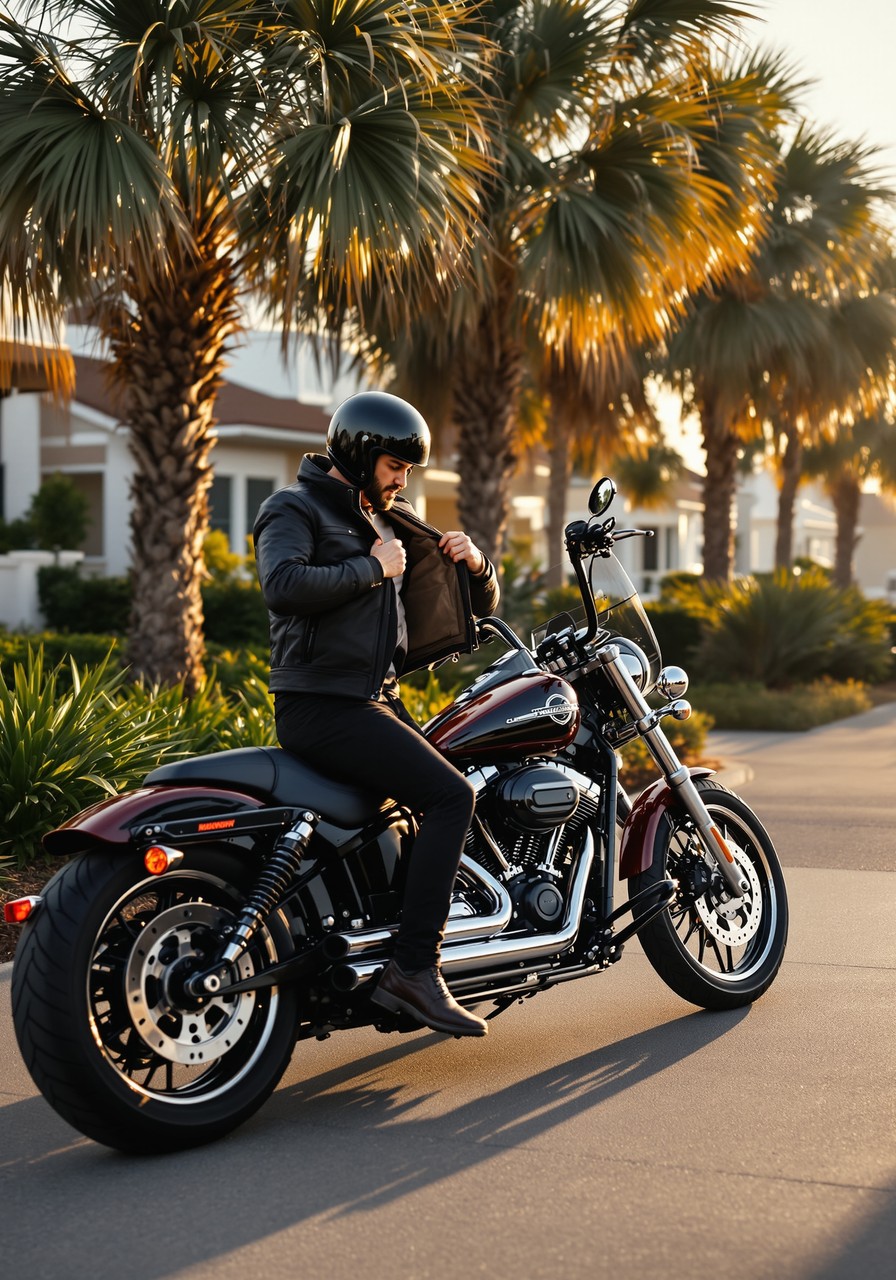
Reflective panels and a bit of hi-viz do their best work at dusk, when the beach traffic thins and drivers stop expecting bikes. Be the one they still see. #RideNationSC #GearUp #MyrtleBeachRiders
Safety & SC Law
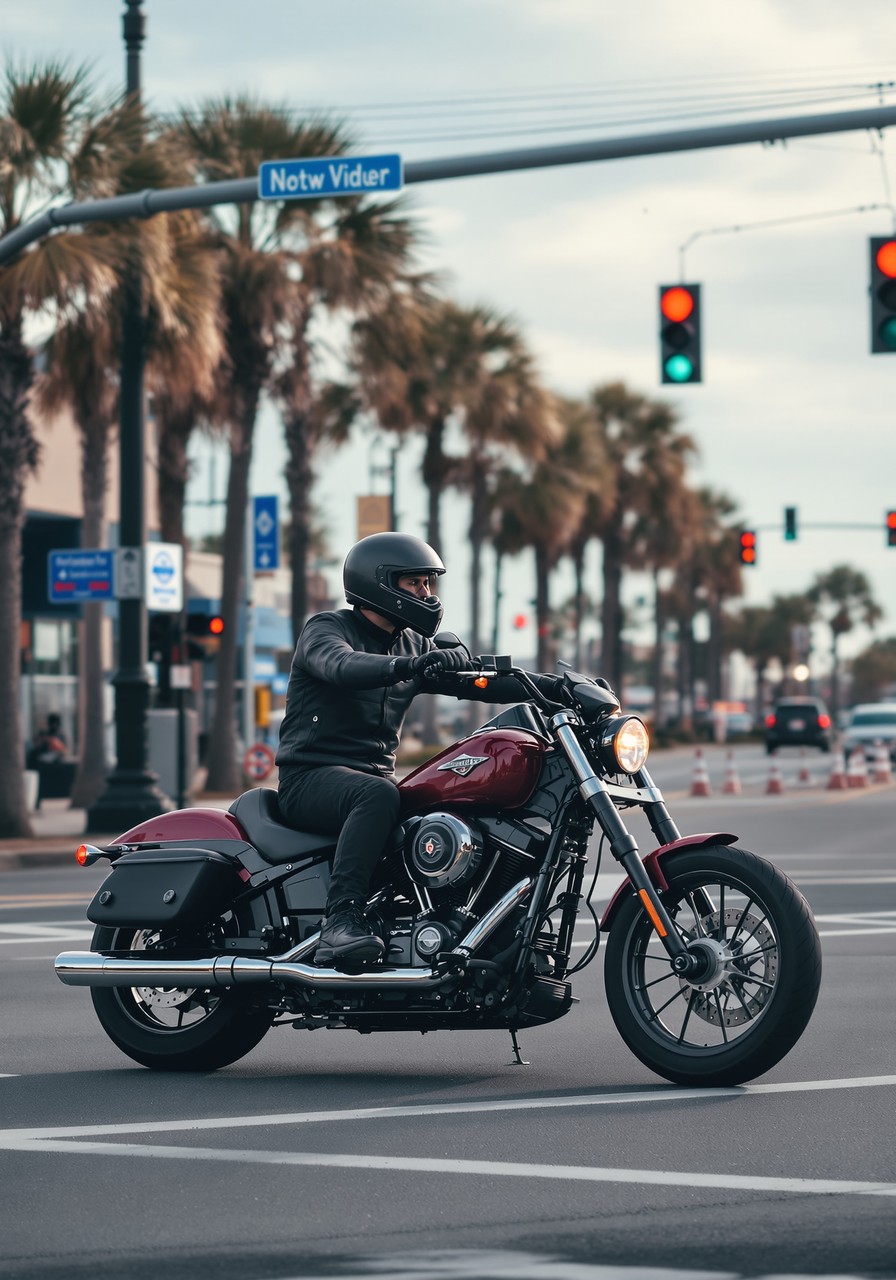
Photos, names, and a police report at the scene beat trying to reconstruct it weeks later. In SC, that early evidence is what defeats a blame-the-rider defense. #RideNationSC #RiderRights #MotorcycleSafety
Engagement
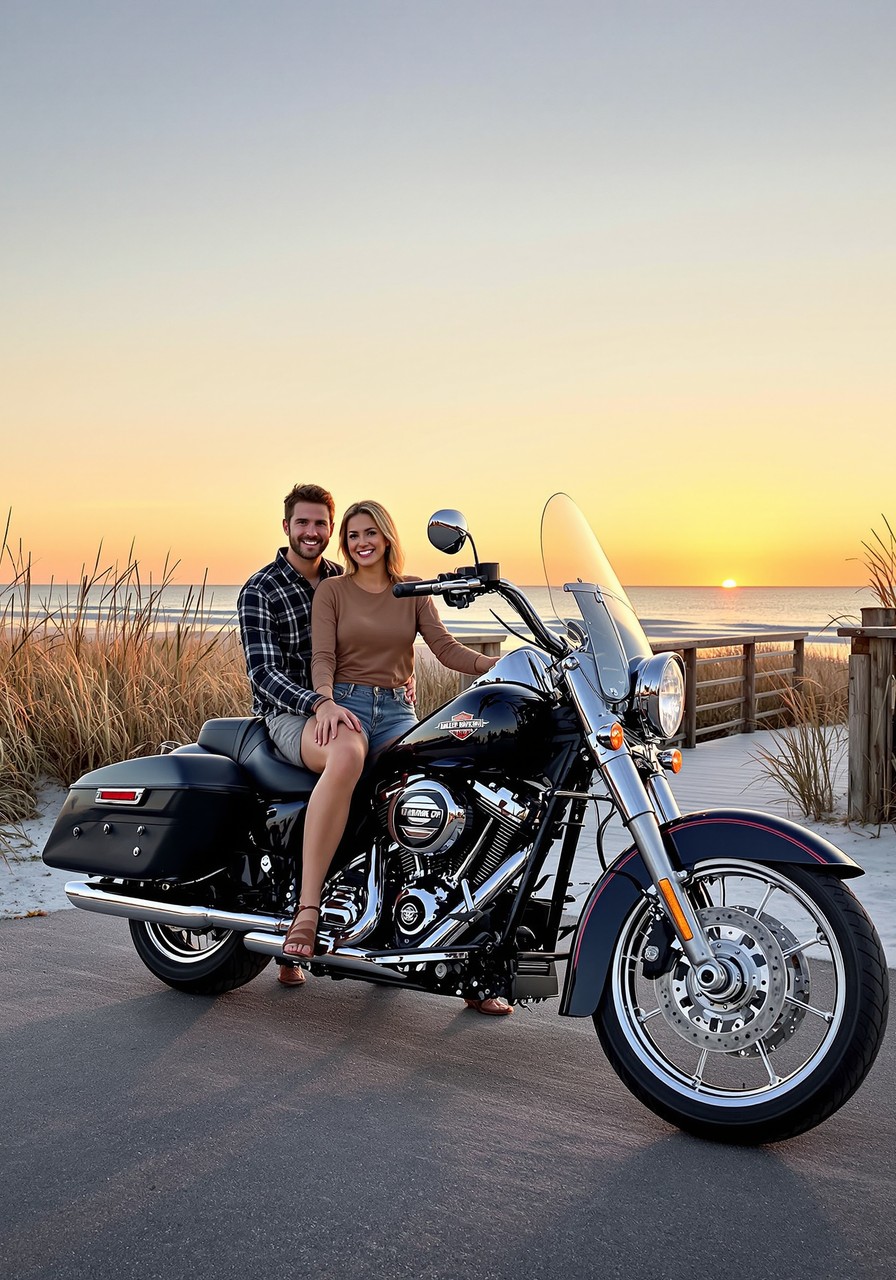
Tag your newest rider, the one who just got their first bike. Let's welcome them. #RideNationSC #SouthCarolinaRiders #RideOrDie
Giveaway & Countdown
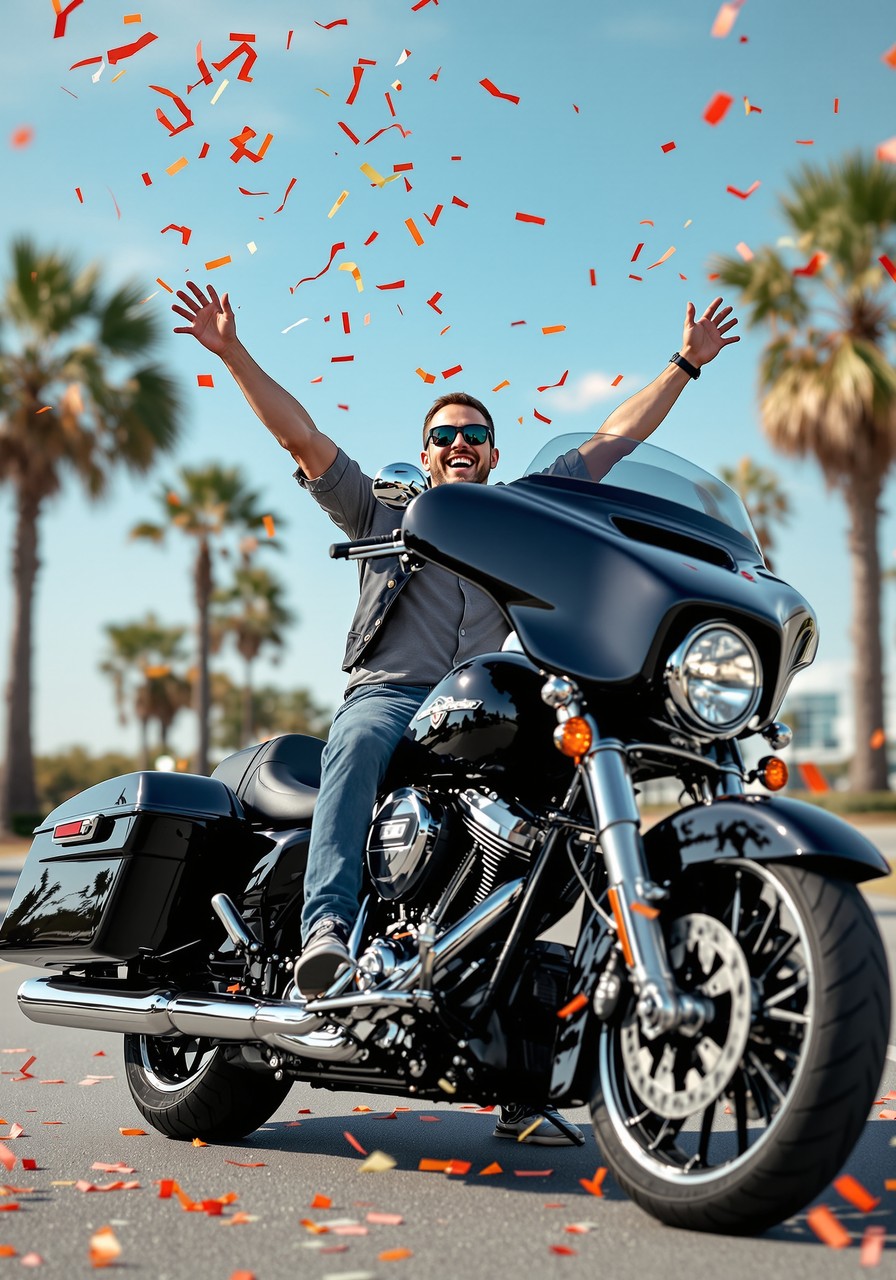
Imagine your buddy winning $20,000 because you tagged them today. Do it now. #RideNationSC #BikersWin #MyrtleBeachRiders
Local SC & Rides
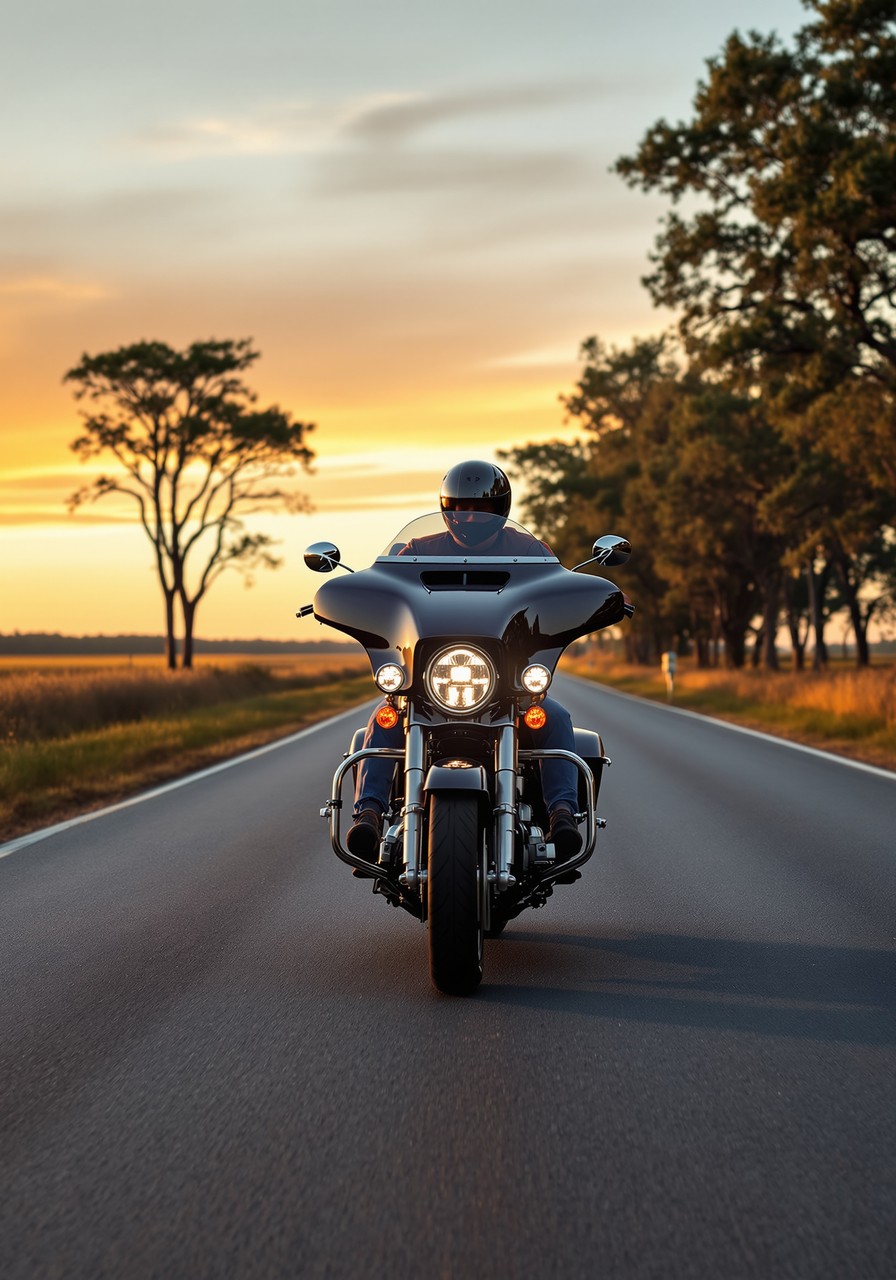
Loop it: US-17 south to Pawleys, back up the 17 Bypass. A tidy Grand Strand round-trip for a free afternoon. #RideNationSC #PawleysIsland #GrandStrand
Gear & New Iron
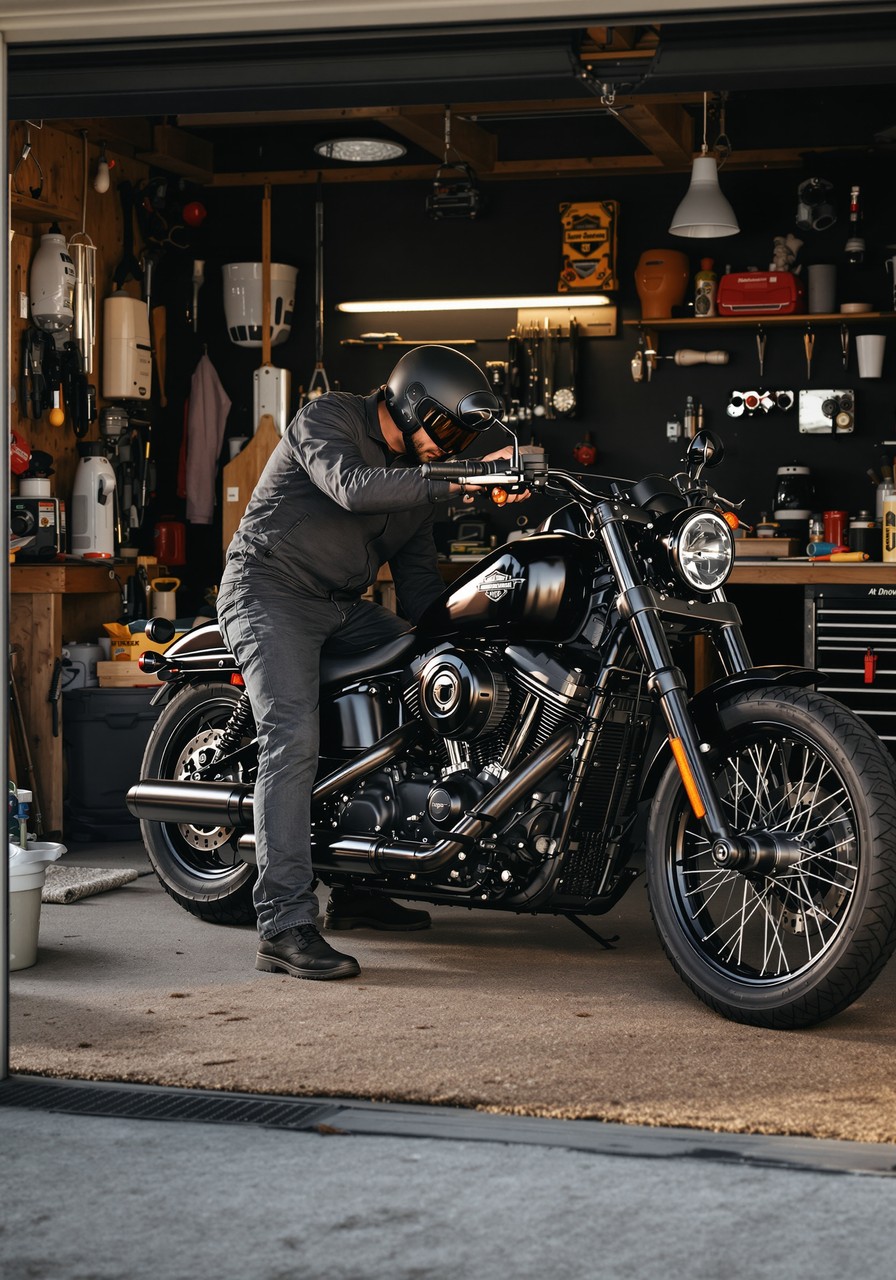
Sunburn on a full-day ride is real. Long sleeves under mesh, sunscreen on the neck, and a tinted visor keep the coastal sun from cooking you out there. #RideNationSC #RiderTips #GearUp
Safety & SC Law
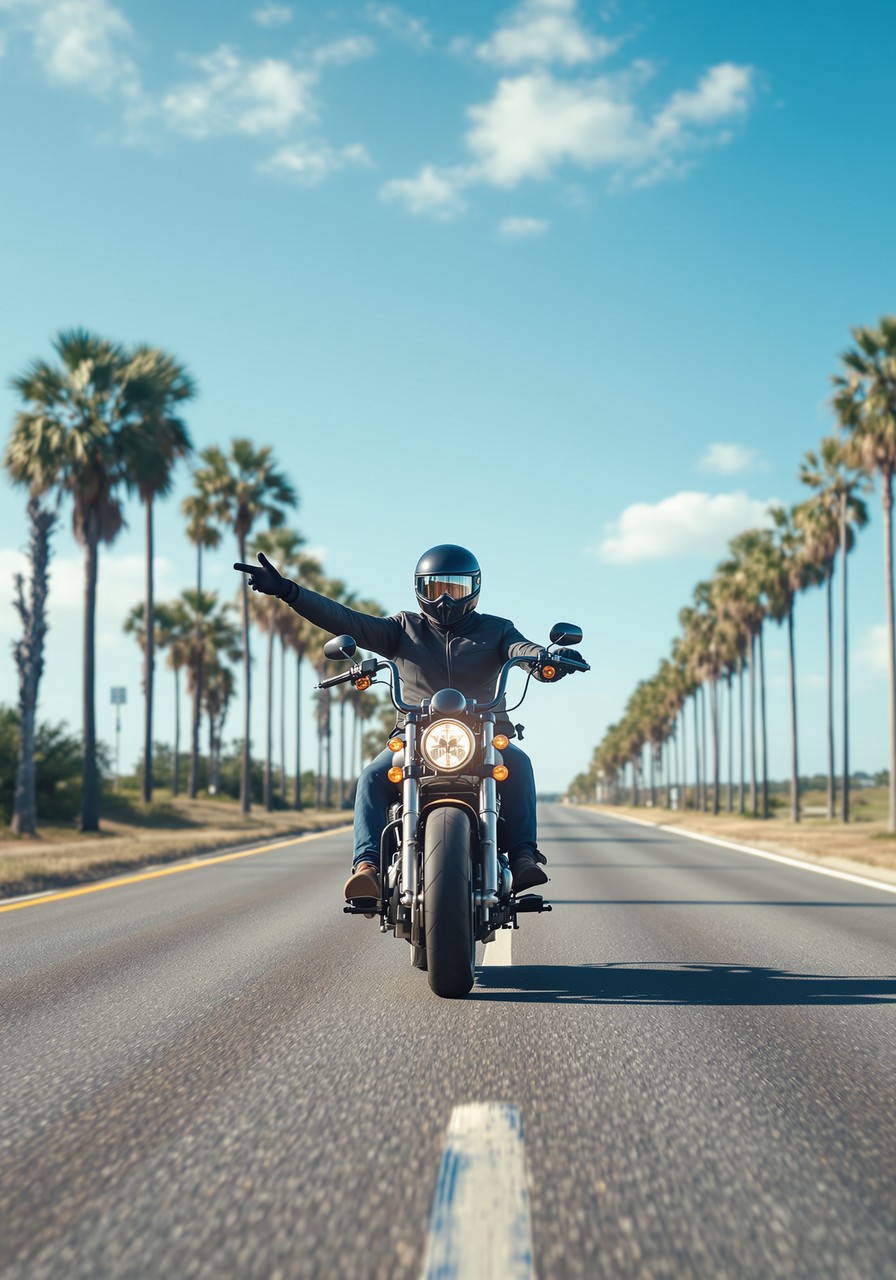
Wet paint, tar snakes, and metal bridge joints all get slick after Strand rain. Keep the bike upright over them and save your lean for clean pavement. #RideNationSC #MotorcycleSafety #GrandStrand
Engagement
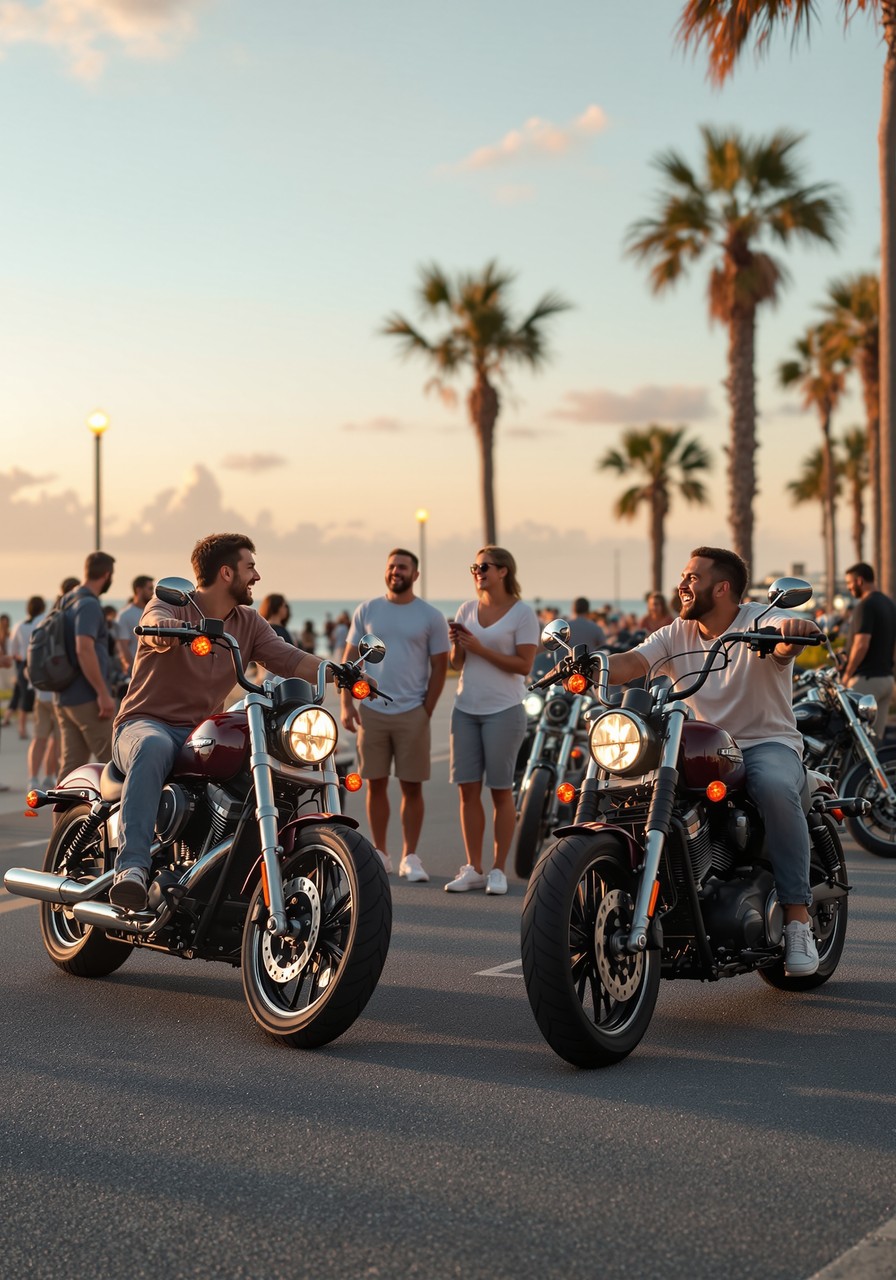
Fill in the blank: Spring Bike Week means I finally get to ______. #RideNationSC #BikeWeek #GrandStrand
Giveaway & Countdown
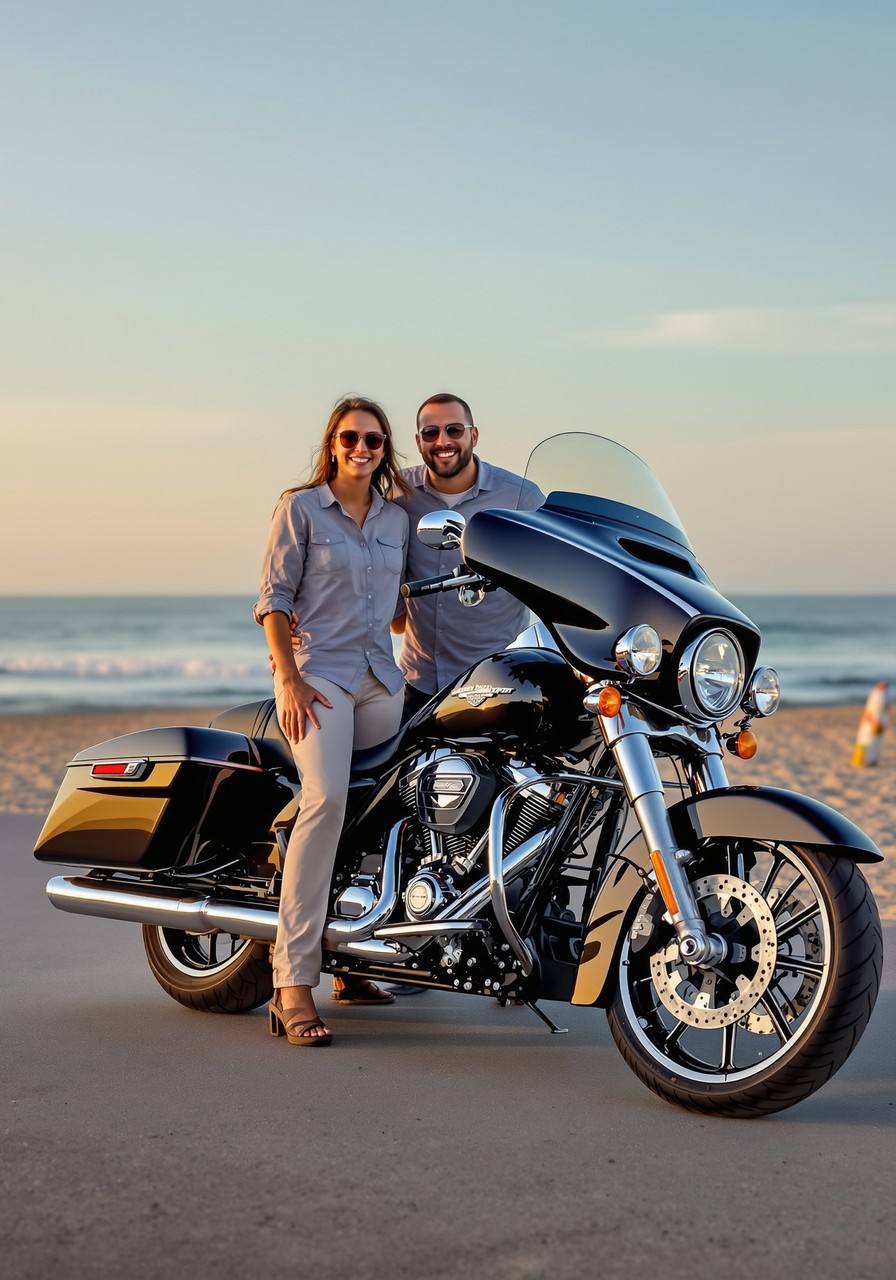
Grand Strand, the momentum is building. The $20,000 BikersWin giveaway is one to watch. #RideNationSC #20kGiveaway #GrandStrand
Local SC & Rides
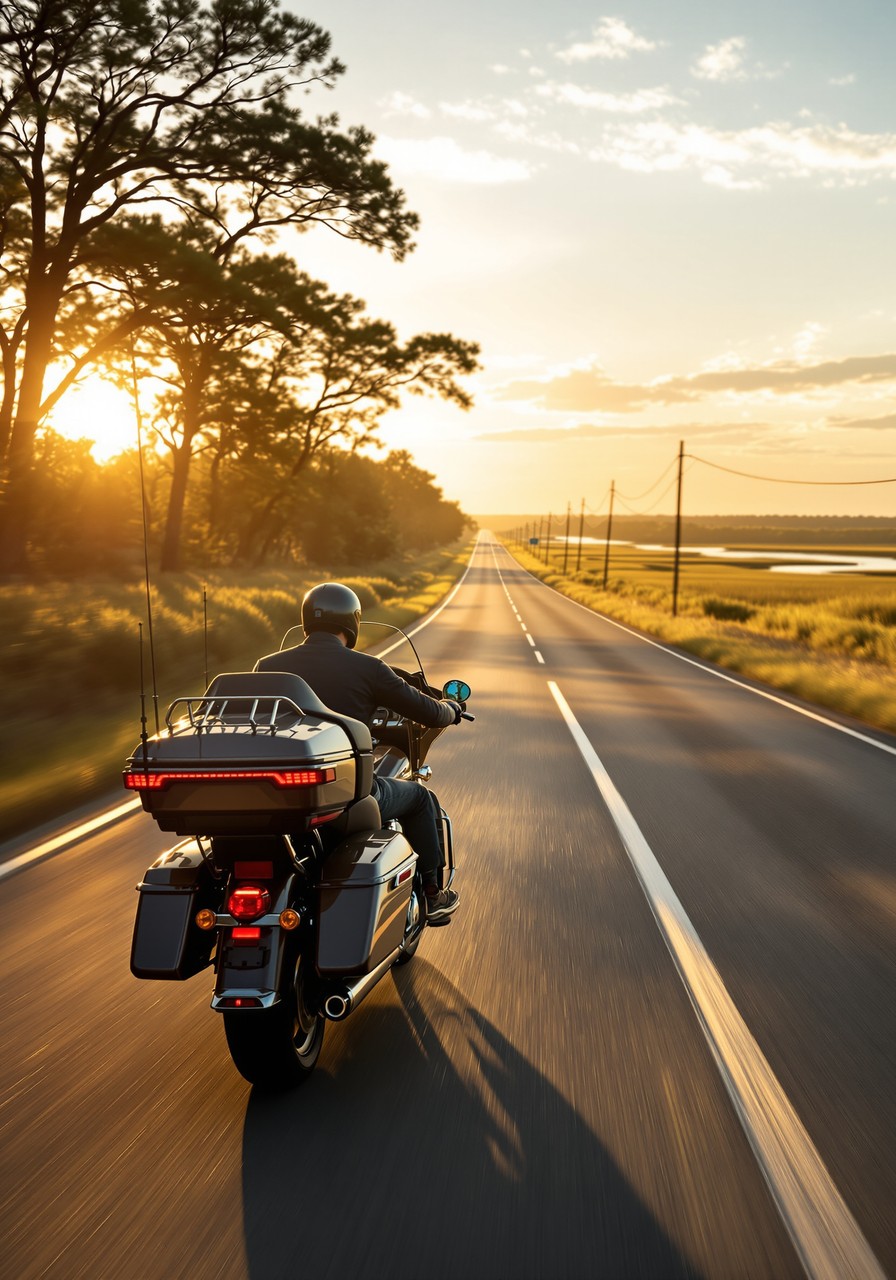
Heavy tourist traffic on Ocean Boulevard means eyes up and thumb near the horn. People wander into the lane looking for parking. #RideNationSC #MyrtleBeachRiders #GrandStrand
Gear & New Iron
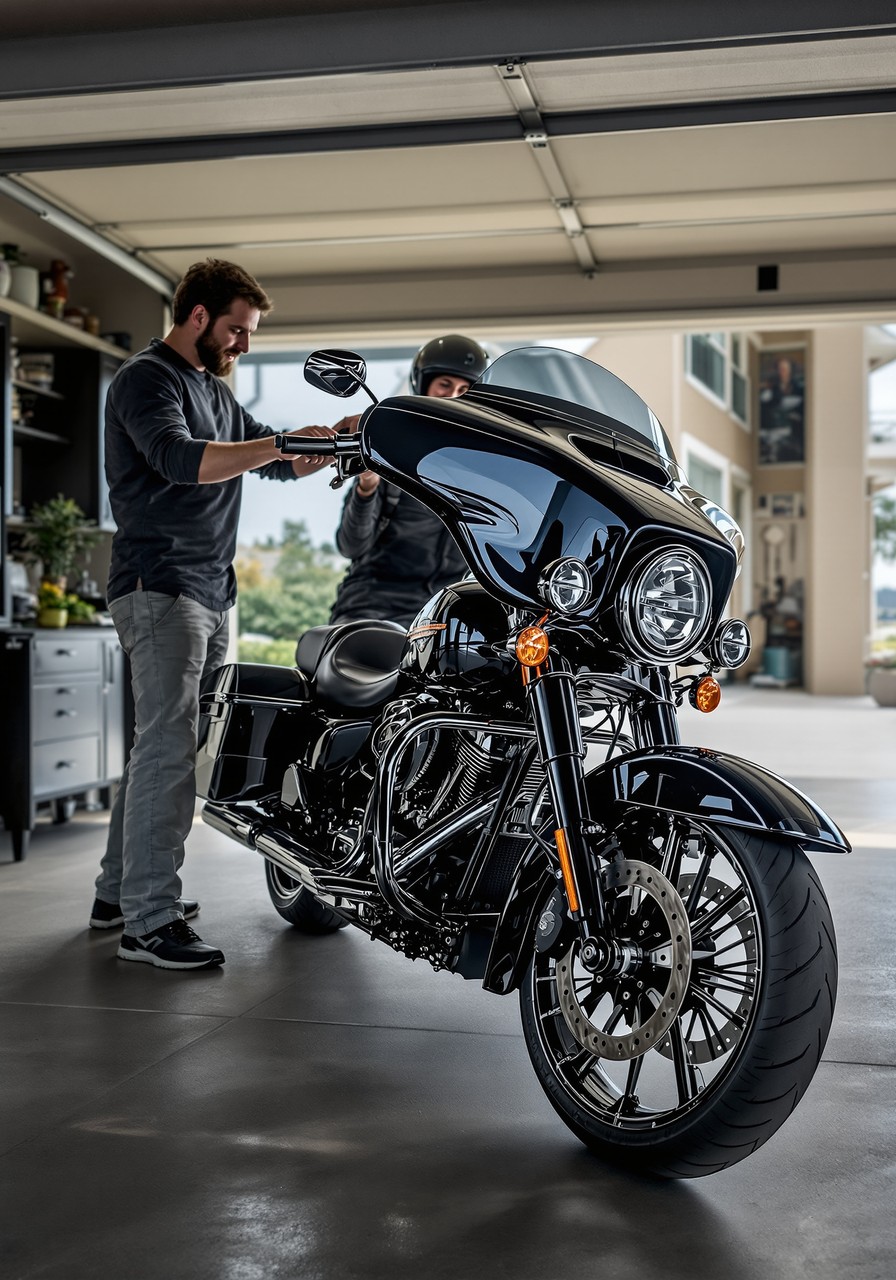
Your gloves take the worst of the salt from your sweat and the sea air. Let them dry out fully between rides so the leather does not stiffen and crack. #RideNationSC #SaltAir #GearUp
Safety & SC Law
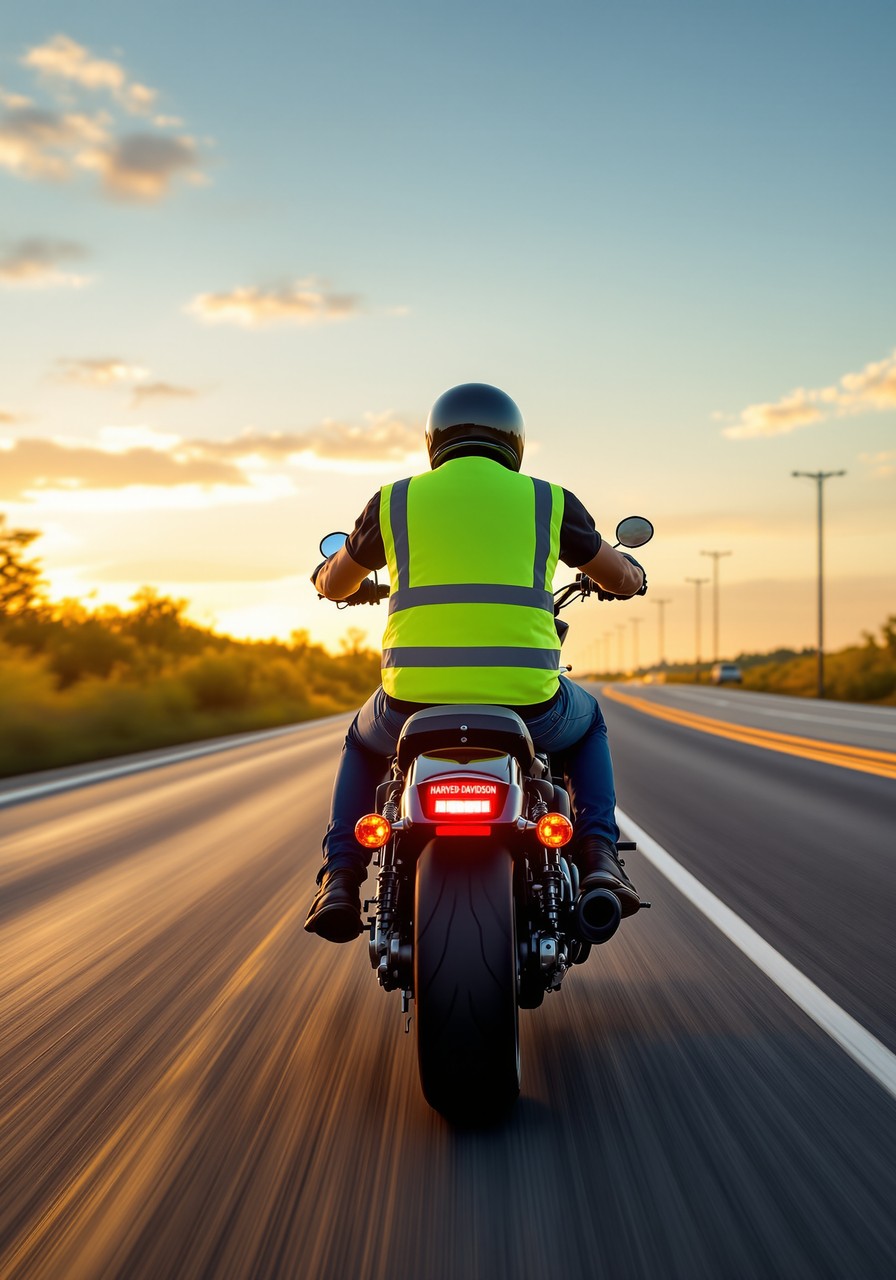
You carry UM in South Carolina because the law requires it, and out here it earns its keep. It covers you when a hit-and-run or uninsured tourist ruins your ride. Questions? Call The Lovely Law Firm at (843) 281-7452. #RideNationSC #KnowYourRights #RiderRights
Engagement
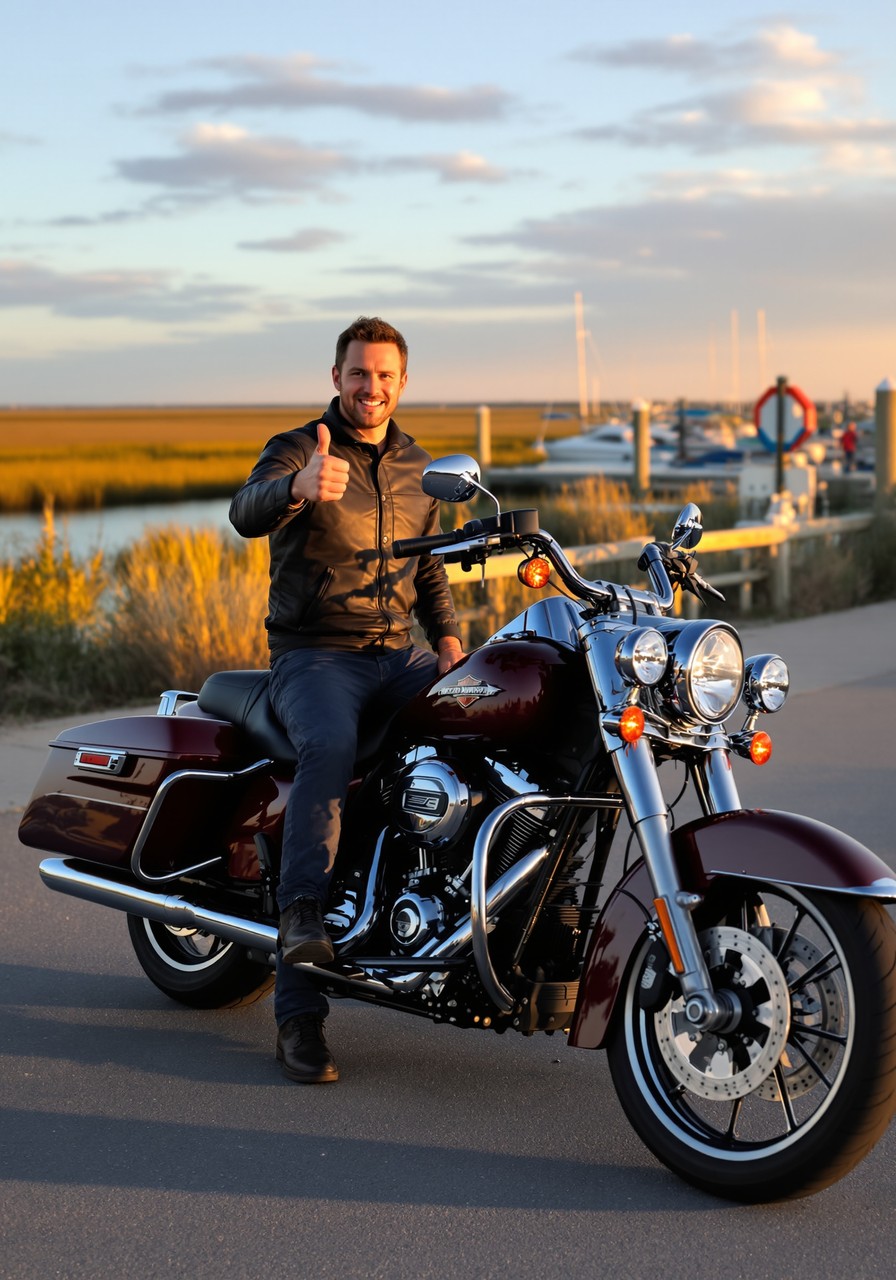
This or that: bundle up and ride today, or wait for that warm-up later in the week. Honest answer. #RideNationSC #MyrtleBeachRiders #TwoWheels
Giveaway & Countdown
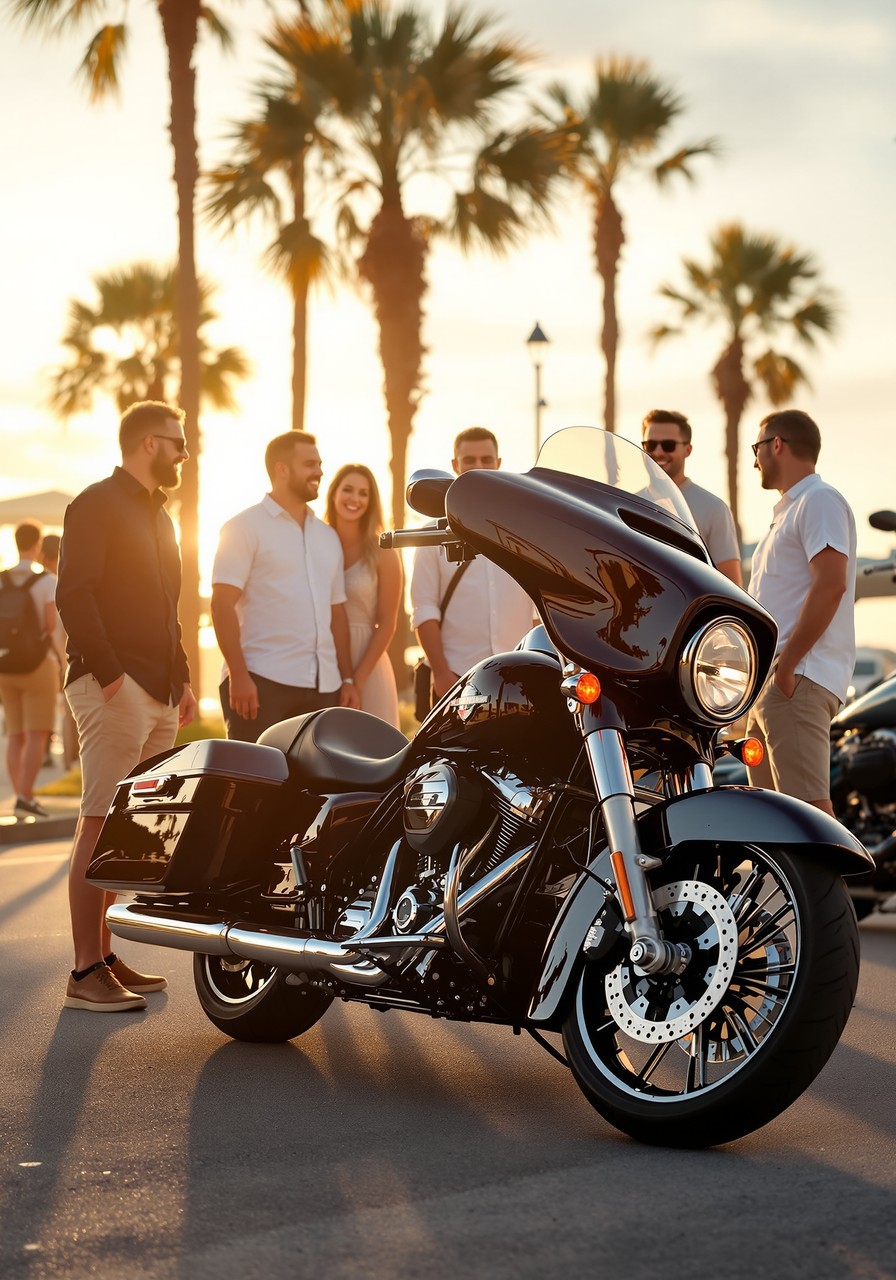
Milestone hit and still climbing. More riders join the BikersWin giveaway every single day. #RideNationSC #BikersWin #MotorcycleGiveaway
Local SC & Rides
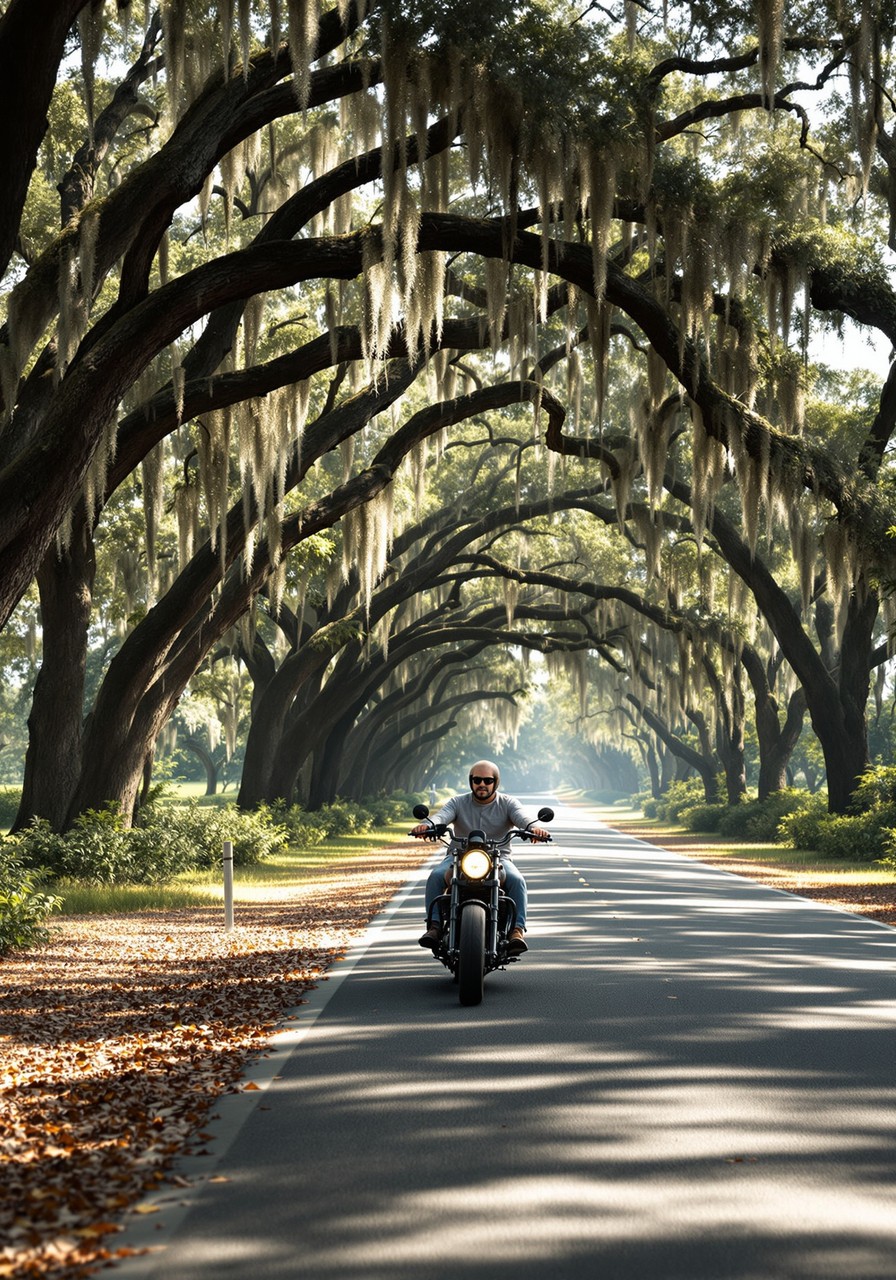
Francis Marion National Forest is our closest big backcountry ride. Pack patience for the Swamp Fox roads and watch for wildlife the whole way. #RideNationSC #MotorcycleRoads #LowcountryRiding
Gear & New Iron
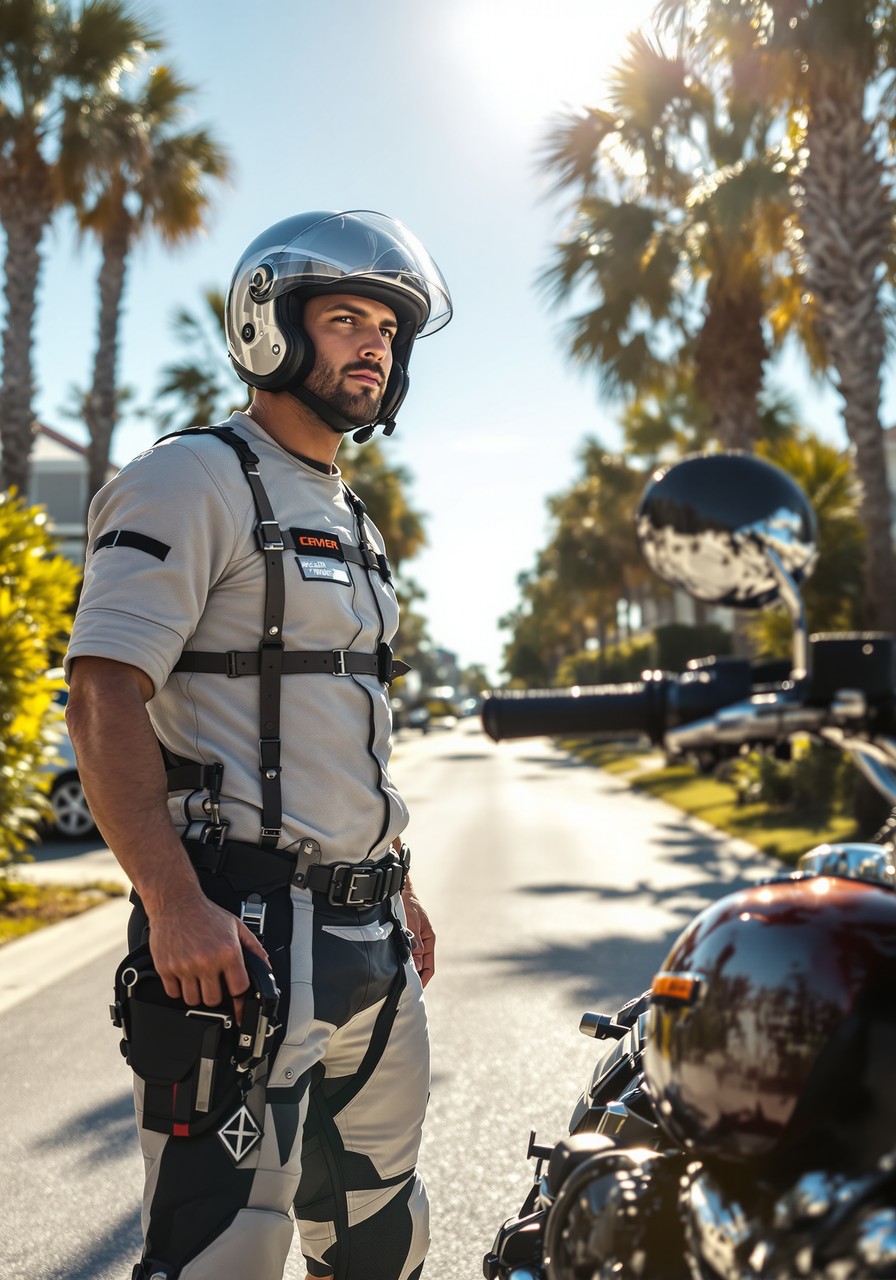
Give the whole bike a slow once-over before storm season: cables, seals, cover, battery, and drain paths. Five minutes now beats a soaked bike later. #RideNationSC #MotorcycleMaintenance #SaltAir
Safety & SC Law
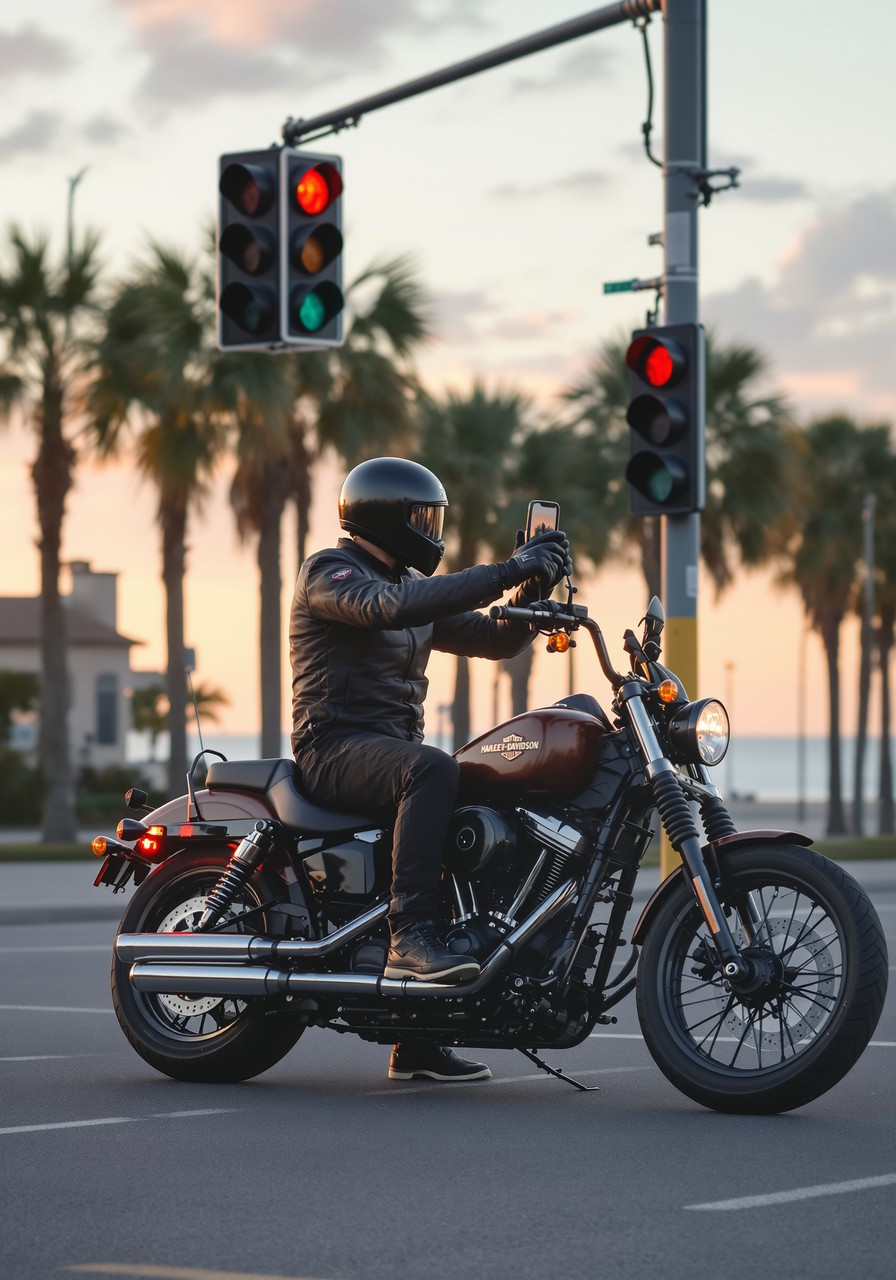
Bright gear, a clean face shield, and a lane position that keeps you out of blind spots do more than any horn. Make yourself impossible to miss on US-17. #RideNationSC #ATGATT #MotorcycleSafety
Engagement
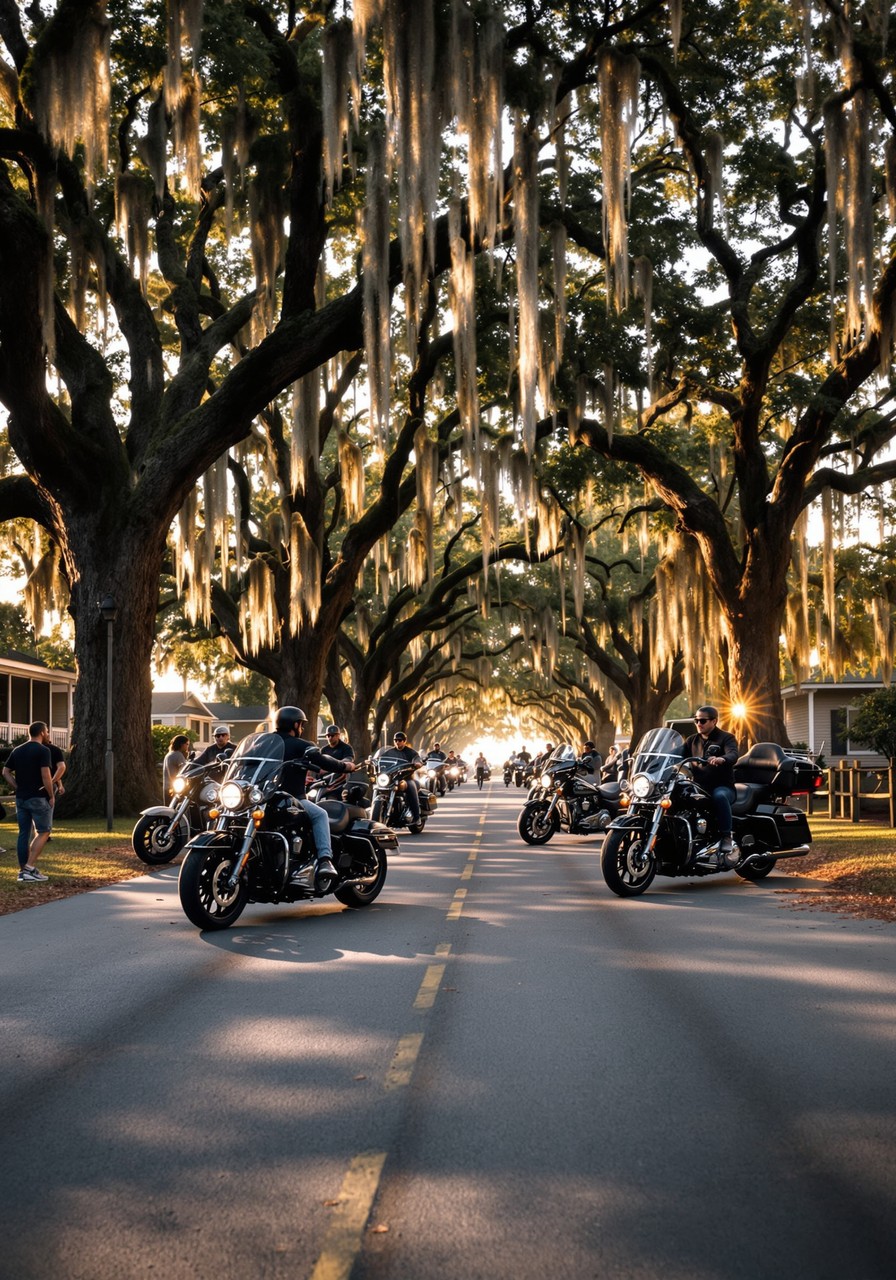
Favorite road on the Grand Strand that you would never trade for anything. Name it. #RideNationSC #GrandStrand #SouthCarolinaRiders
Giveaway & Countdown
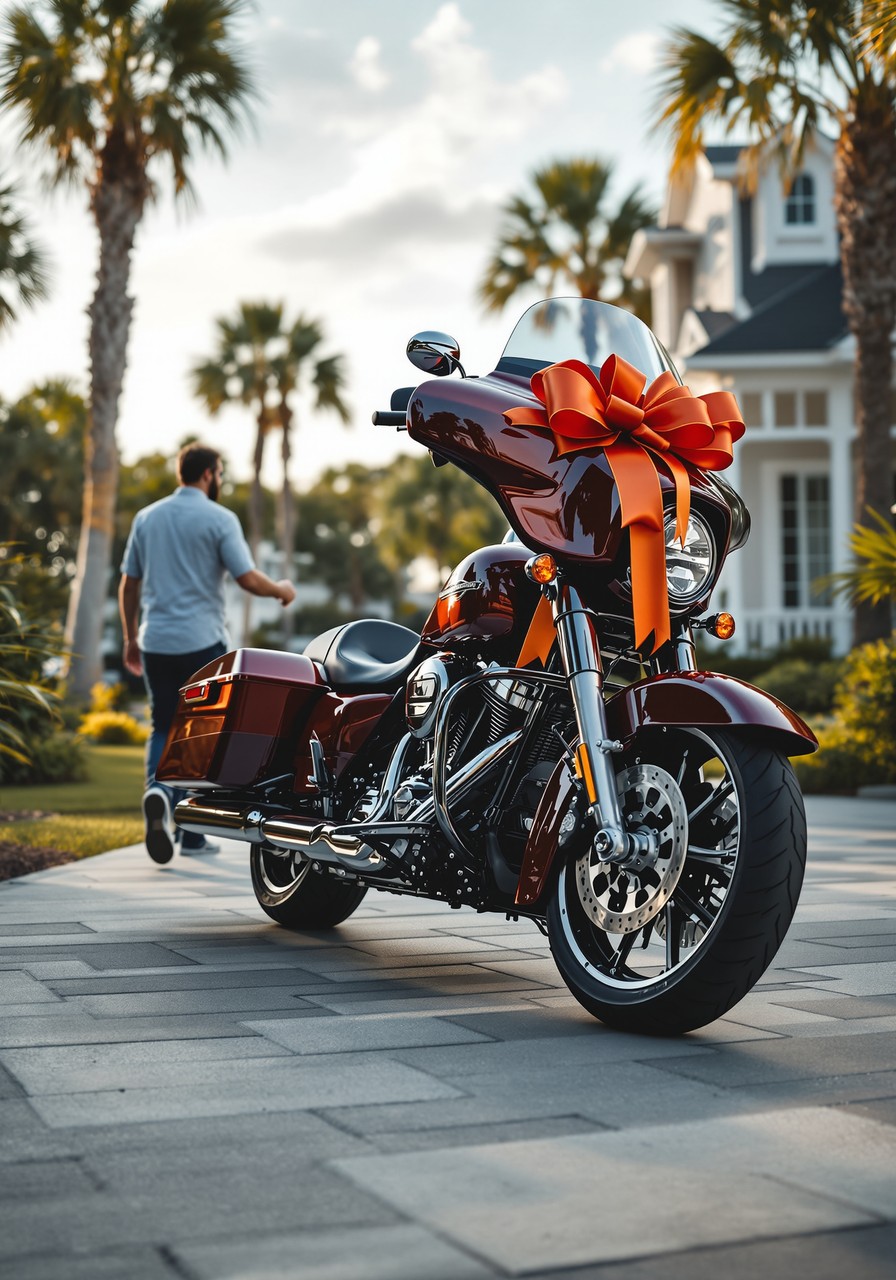
Twenty thousand dollars is a lot of miles. Share the BikersWin giveaway with your road crew. #RideNationSC #20kGiveaway #SouthCarolinaRiders
Local SC & Rides
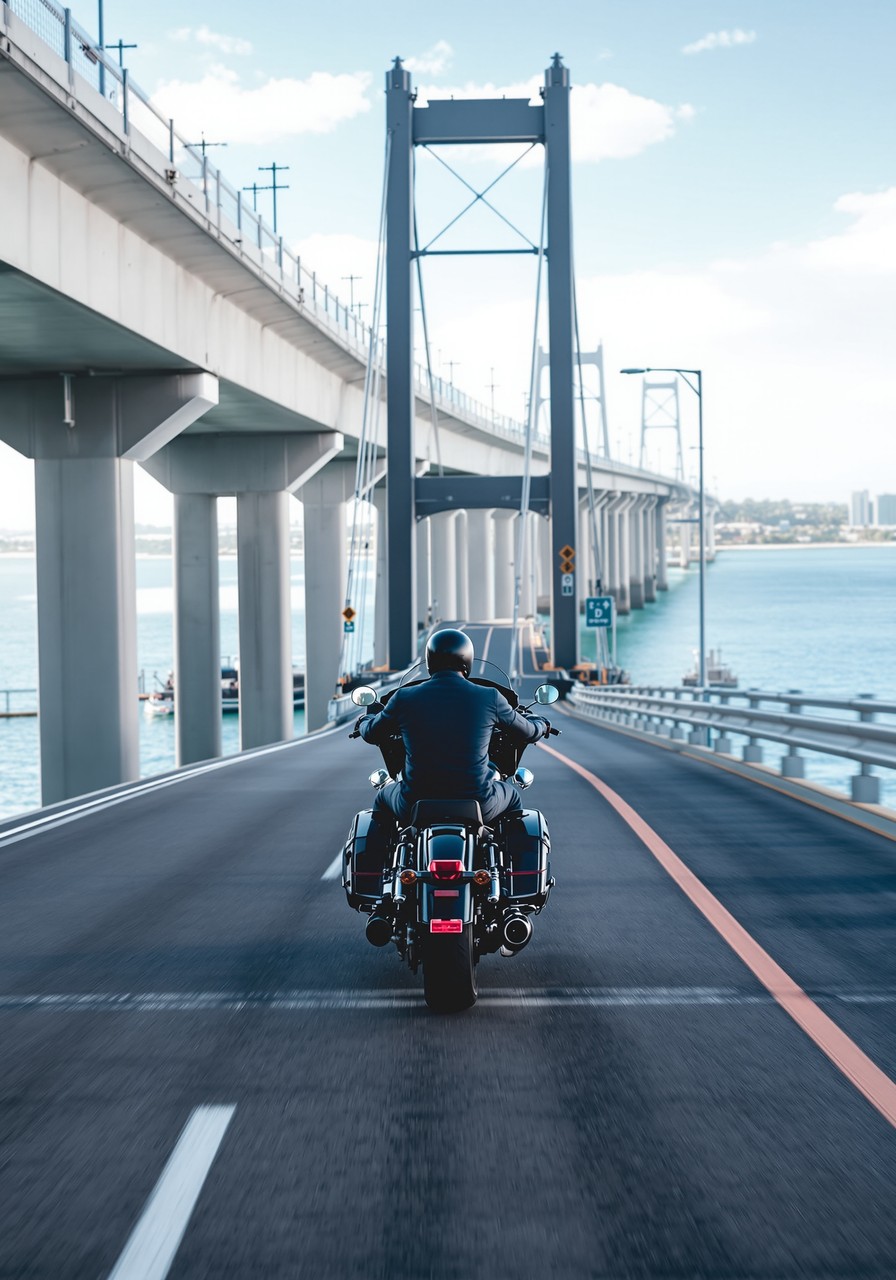
A dry, sunny January day on the Grand Strand is a gift. Cancel the excuses, layer up, and ride the coast while it lasts. #RideNationSC #SouthCarolinaRiders #GrandStrand
Gear & New Iron
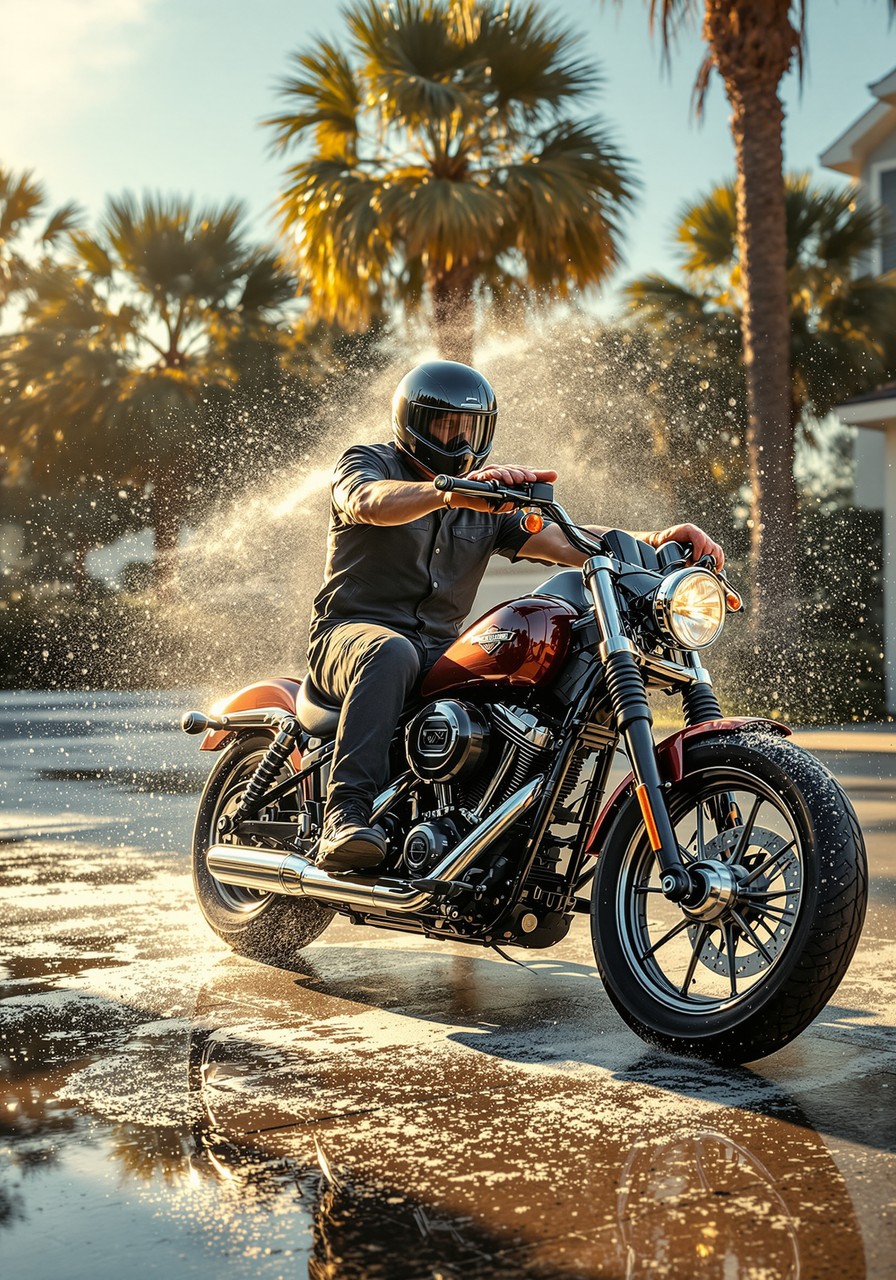
Layer for the coast. Mornings start cool and damp, afternoons turn hot, so a vented jacket with a removable liner keeps you comfortable and covered all day. #RideNationSC #GearUp #RiderTips
Safety & SC Law
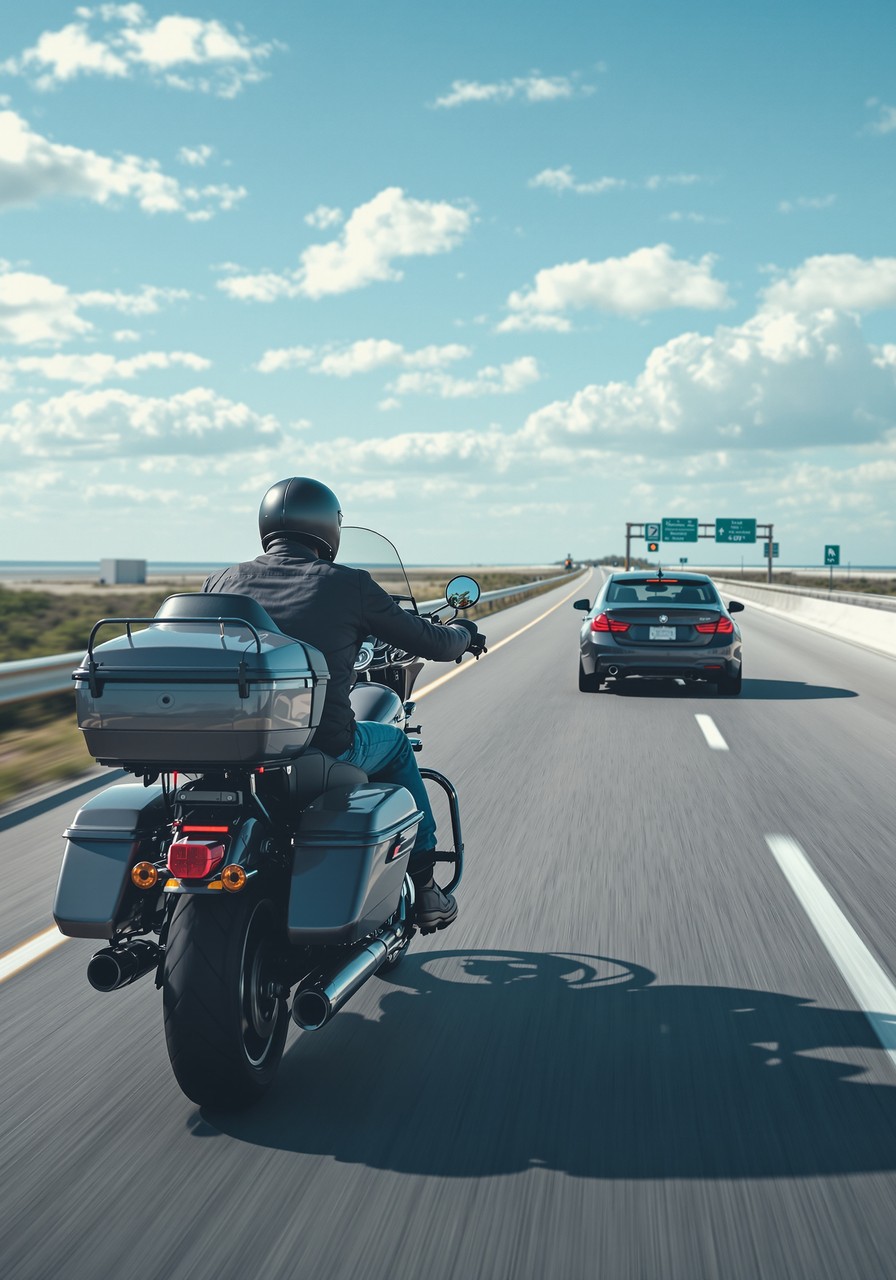
If an adjuster brings up your helmet, your speed, or your lane splitting, they are building the 51 percent argument. Know the law before you answer. Free case review at The Lovely Law Firm, (843) 281-7452. #RideNationSC #RiderRights #KnowYourRights
Engagement
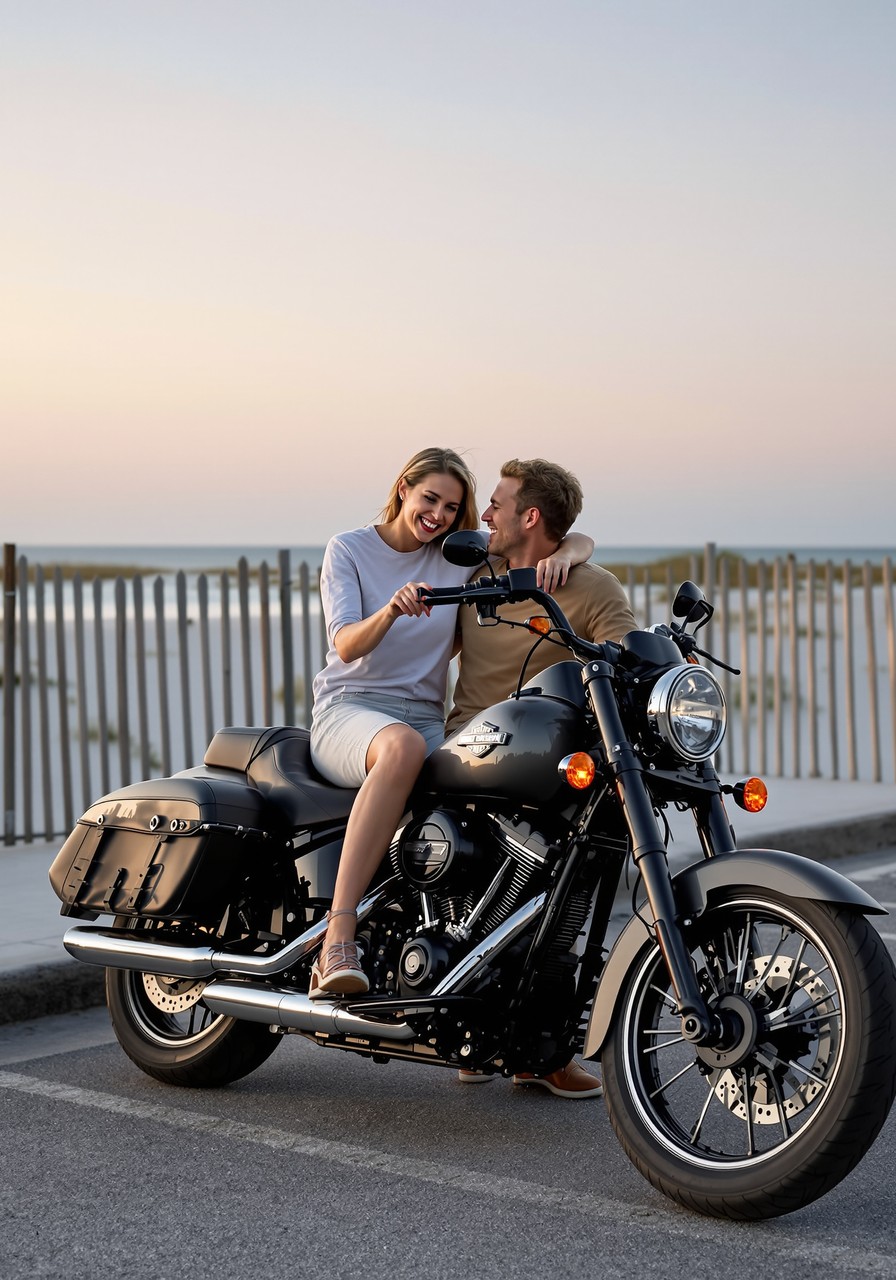
Last question of the day: where is your next ride taking you. Tell us and maybe we tag along. #RideNationSC #MyrtleBeachRiders #RideOrDie
Giveaway & Countdown
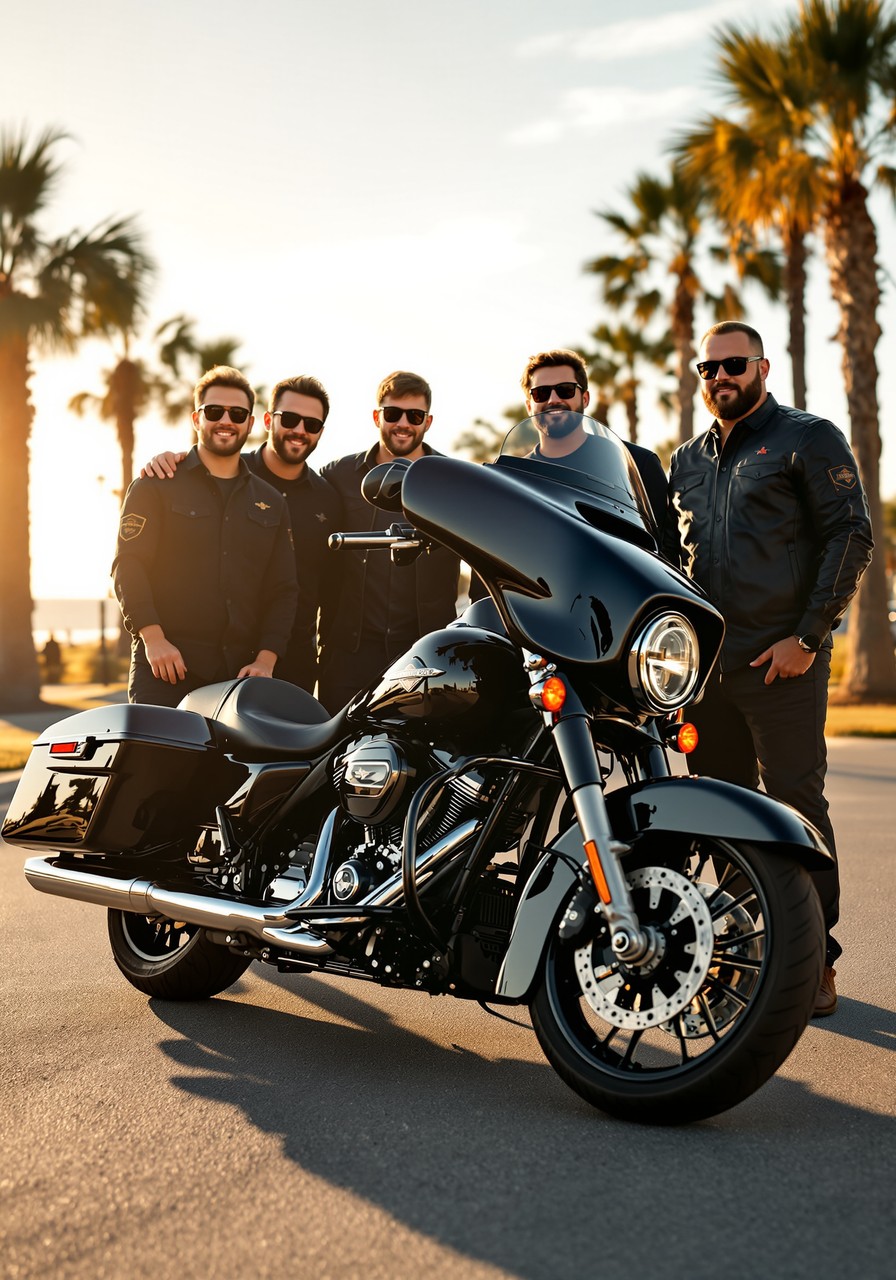
The countdown never stops on the Grand Strand. BikersWin $20,000 giveaway, spread it far. #RideNationSC #MotorcycleGiveaway #MyrtleBeachRiders
Local SC & Rides
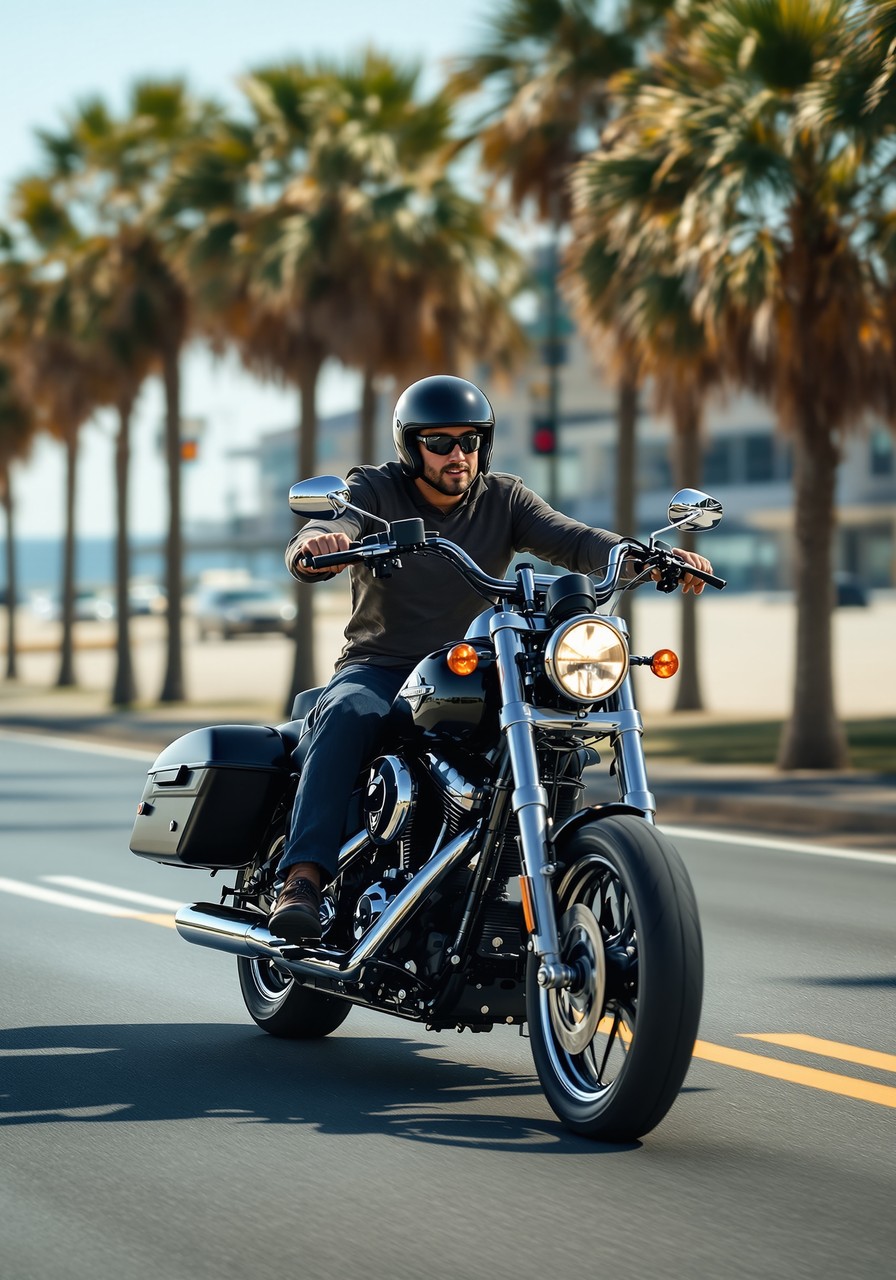
Salt-dusted bridge decks, blown beach sand, and coastal fog are the winter three to respect down here. Ride smart and the Strand rewards you all season. #RideNationSC #MyrtleBeachRiders #MotorcycleRoads
Gear & New Iron
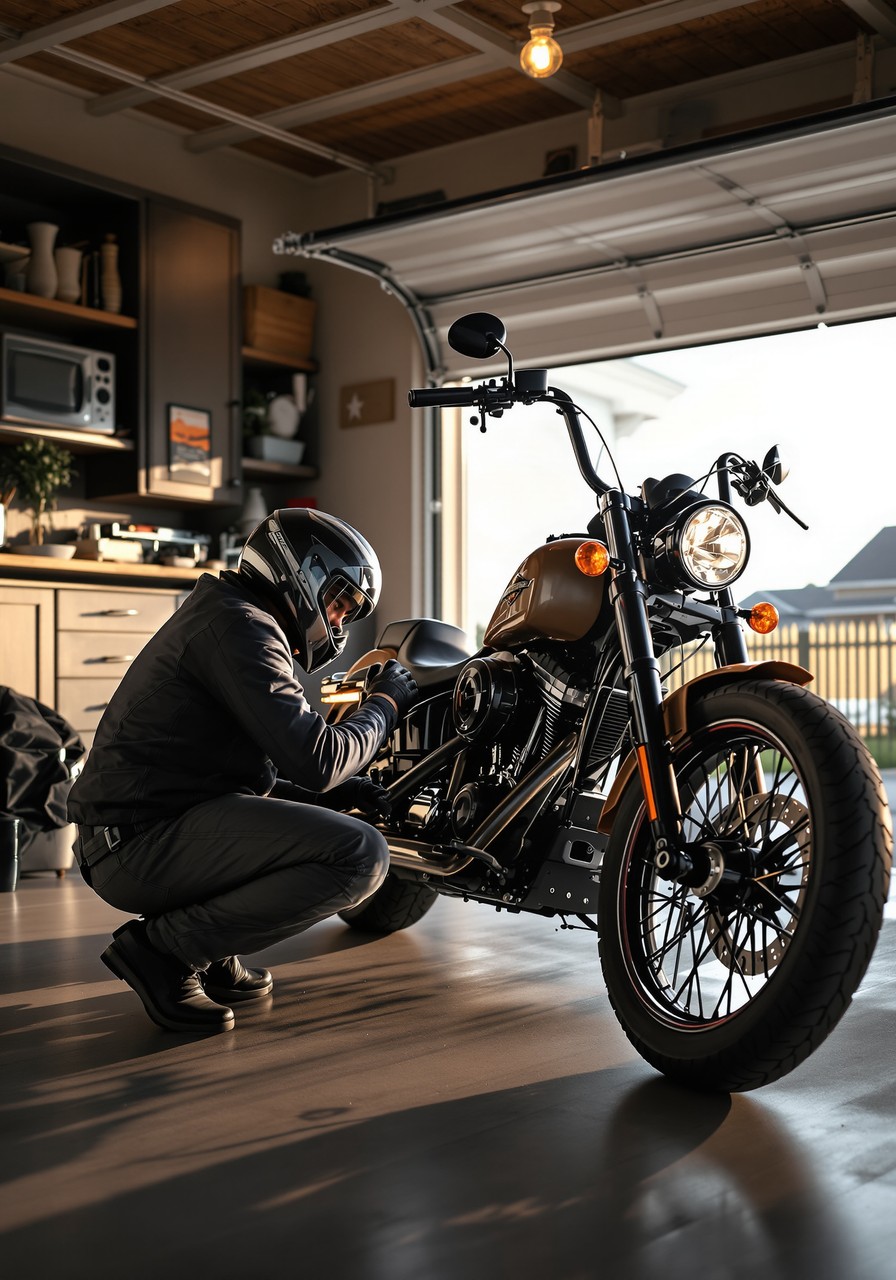
Boots, gloves, jacket, helmet, and eyes protected, that is the checklist before you thumb the starter. Build the habit and it takes ten seconds. #RideNationSC #ATGATT #GearUp #BikerLife
Safety & SC Law
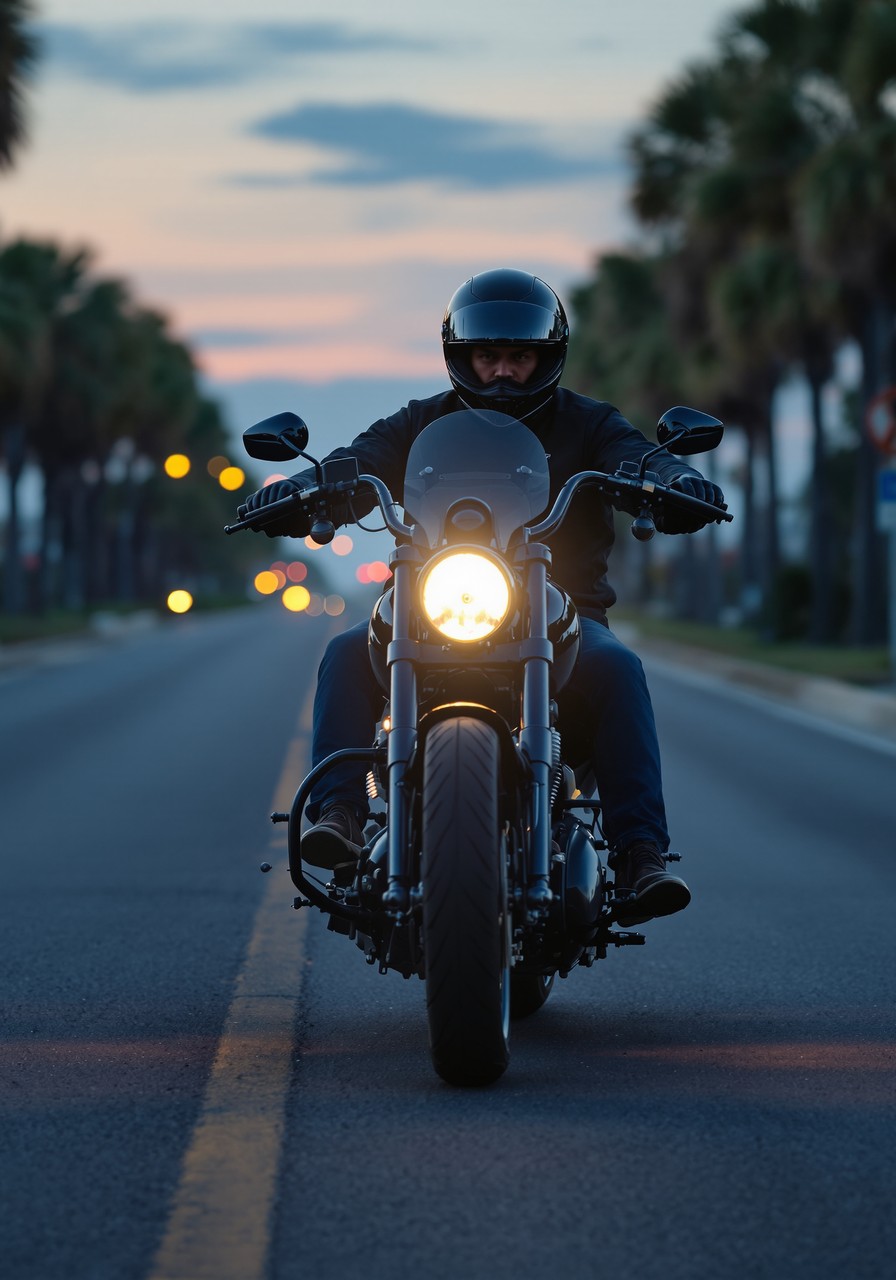
Every ride on the Grand Strand comes down to see and be seen. Ride visible, ride ready, and know your rights as a South Carolina rider before you ever need them. #RideNationSC #RiderRights #SouthCarolinaRiders